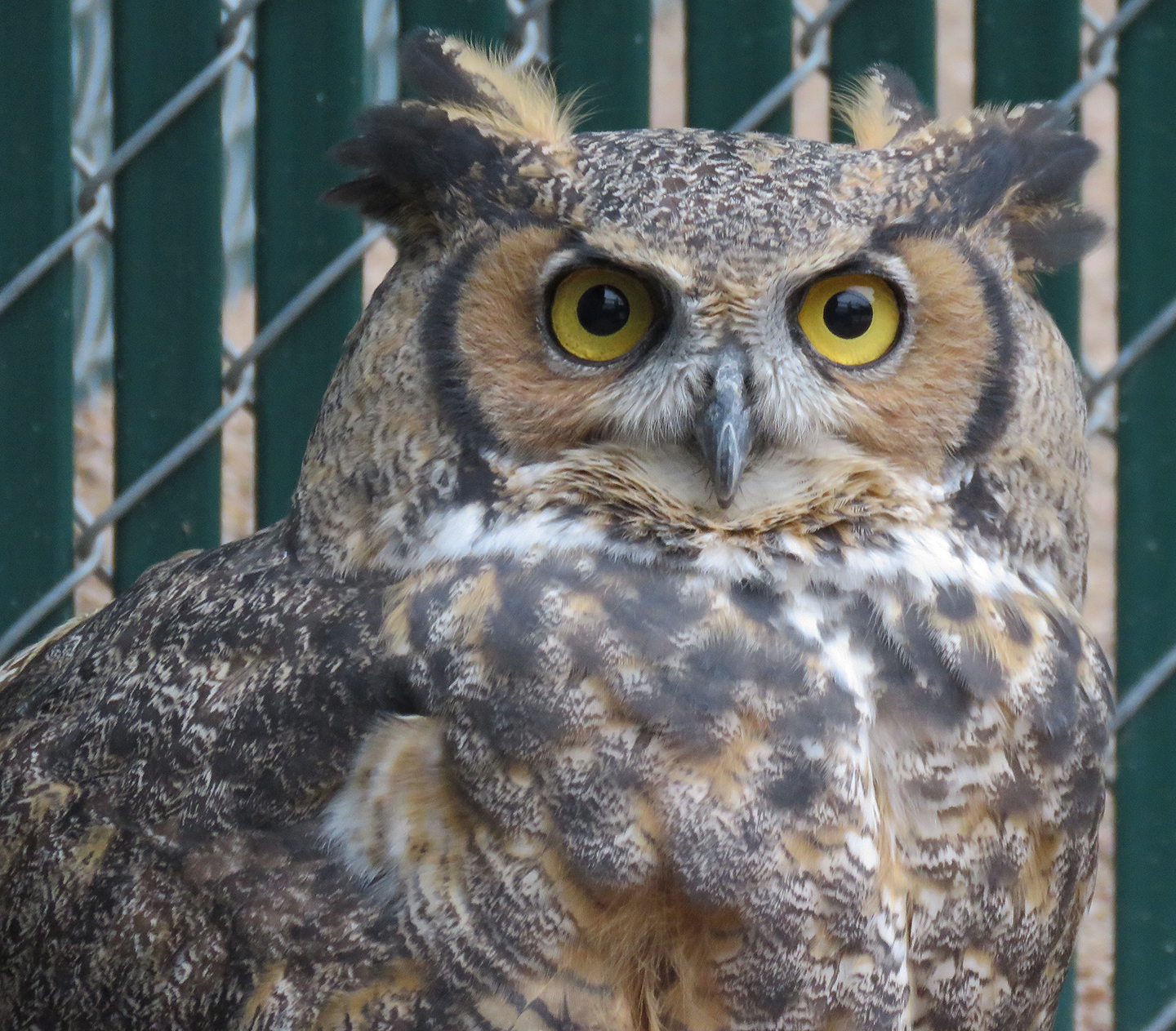
The phrase "adopted by an owl" typically describes rare, documented instances where a wild owl establishes a persistent, non-aggressive, and seemingly social association with a human, or conversely, where a human rescues and successfully integrates a fledgling owl into a domestic environment under strict wildlife laws. While viral internet videos often romanticize the idea of keeping wild raptors as friendly household pets, real-world interactions are governed by strict biological imperatives, stringent legal frameworks, and complex behavioral psychology that require professional wildlife handling expertise.
The Biological Reality of Owl Behavior and Human Interaction
To understand why a wild owl might appear to "adopt" a human, it is essential to examine avian behavioral ecology. Owls (Strigiformes) are solitary, territorial predators equipped with acute senses and powerful talons. They do not possess the domestic social conditioning found in dogs or cats; their interactions are driven by survival instincts, hunting pressures, and, in rare cases, aberrant imprinting.
Imprinting and Habituation
When a human raises a young owl improperly, the bird may experience imprinting—a critical, irreversible learning period during early development where the animal identifies its caregiver as a member of its own species.
- Imprinted Owls: Birds that imprint on humans lose their natural fear of people, do not recognize other owls as potential mates, and frequently display dangerous territorial aggression or inappropriate sexual behaviors toward humans when they reach sexual maturity.
- Habituated Owls: Adult owls that lose their fear of humans due to repeated close contact or food-conditioning (such as being fed by humans) are considered habituated. Habituation is dangerous for the bird, as it often leads to vehicle strikes, entanglements, or dangerous close encounters with domestic animals and people who feel threatened.
Misinterpreted Wild Interactions
Many viral accounts of being "adopted by an owl" are actually misinterpretations of normal wildlife behavior:
- Fledgling Season: In spring and early summer, young owls leave the nest before they can fly well. They perch on branches on the ground or low-hanging limbs while parents feed them. Well-meaning humans frequently mistake these grounded fledglings for abandoned orphans and attempt to "rescue" them.
- Territorial Tolerance: A resident barn owl or great horned owl might tolerate the presence of a human who routinely supplies a food source, but this tolerance is transactional rather than affectionate.
Legal and Regulatory Frameworks Governing Owl Possession
In almost all developed jurisdictions, keeping a native wild owl as a pet is strictly illegal. Understanding these laws is critical for anyone encountering a wild bird of prey.
United States and North America
In the United States, all native species of owls—including the Great Horned Owl, Barn Owl, Screech Owl, and Barred Owl—are protected under the Migratory Bird Treaty Act (MBTA) of 1918.
- It is illegal to capture, possess, harm, or transport any migratory bird, part, nest, or egg without specialized federal and state permits.
- Only licensed wildlife rehabilitators, falconers (with proper class permits), and educational facilities housing non-releasable educational ambassadors are legally permitted to possess live owls.
International Regulations
Similar protections exist globally. In the United Kingdom, native raptors are protected under the Wildlife and Countryside Act 1981. In the European Union, the Bern Convention and local laws strictly regulate the handling and captivity of wild birds of prey. Violating these statutes can result in heavy financial penalties and criminal prosecution.
| Jurisdiction | Primary Governing Law | Permitted Possession | Illegal Actions |
|---|---|---|---|
| United States | Migratory Bird Treaty Act (MBTA) | Licensed Rehabilitators & Falconers | Keeping wild owls as household pets |
| United Kingdom | Wildlife and Countryside Act 1981 | Registered Keepers with Specific Licenses | Capturing uninjured wild nestlings |
| Canada | Migratory Birds Convention Act | Provincial/Federal Wildlife Permit Holders | Transporting wildlife without authorization |
What to Do If You Encounter a Wild Owl
If an owl appears unusually close to human habitation or if you suspect an animal needs assistance, specific protocols must be followed to ensure human safety and animal welfare.
1. Assess the Situation from a Distance
- Is the bird injured? Look for drooping wings, blood, labored breathing, or inability to perch.
- Is it a fledgling? If the bird is fully feathered with downy patches, can hop, and its parents are nearby, leave it alone. The ground is a normal part of the fledgling dispersal process.
2. Contact Certified Professionals
Never attempt to capture an adult owl on your own. Their talons exert hundreds of pounds of pressure per square inch, capable of inflicting severe puncture wounds and transmitting zoonotic pathogens.
- Contact local animal control, a state wildlife agency, or a licensed wildlife rehabilitator.
- Provide exact location details and describe the bird's posture and mobility.
3. Temporary Containment for Injured Fledglings (If Advised by Professionals)
If a rehabilitator instructs you to safely secure a downed fledgling while waiting for transport:
- Wear heavy leather work gloves and protective eye wear.
- Gently throw a thick towel or blanket over the bird to calm it and restrict wing movement.
- Place the bird carefully into a well-ventilated cardboard box lined with clean cloths or paper towels.
- Keep the box in a dark, quiet, warm room away from pets, children, and loud noises. Do not attempt to feed the bird or give it water unless explicitly directed by a veterinarian or rehabilitator.
Common Myths vs. Realities of Owl "Adoptions"
Popular media and fantasy literature often depict owls as wise, compliant, and affectionate domestic companions. Examining the factual baseline dispels these persistent myths.
- Myth: Owls can be easily trained like parrots or falcons to sit comfortably on an unprotected shoulder indoors.
- Reality: Falconry requires years of rigorous apprenticeship and daily management. Owls possess different cognitive structures than diurnal raptors (falcons and hawks) and are notoriously difficult to condition reliably.
- Myth: An owl that approaches a human is asking for friendship or rescue.
- Reality: An adult owl approaching humans without fear is usually habituated, starving, sick, or neurological (e.g., suffering from avian pox, West Nile virus, or rodenticide poisoning).
- Myth: You can feed an owl kitchen scraps or standard pet food.
- Reality: Raptors are obligate carnivores requiring whole-prey diets (mice, rats, quail) containing bones, fur, and organs to maintain proper nutritional balance. Inappropriate diets cause rapid, fatal metabolic bone disease.
Frequently Asked Questions
Can you legally keep a wild owl as a pet in your house?
No. In almost all jurisdictions, including the United States, Canada, and the European Union, keeping native wild owls as private pets is strictly illegal due to wildlife protection laws, specialized dietary requirements, and the danger the animals pose to humans.
Why do some online videos show people interacting closely with pet owls?
Some videos feature licensed educational facilities, permitted falconers, or international sanctuaries where handlers have undergone years of professional training. In other cases, individuals may be operating illegally, risking heavy fines and the confiscation or euthanasia of the animal due to improper care.
What should I do if an owl builds a nest near my house?
Enjoy the rare opportunity to observe wildlife from a safe distance. Keep pets indoors or supervised, avoid shining bright lights or making loud noises near the nest, and wait until the breeding season concludes. Most owls will vacate the nesting territory once their young have fledged.
How do I find a licensed wildlife rehabilitator?
In the United States, you can use online directories provided by the U.S. Fish and Wildlife Service or state department of natural resources. Local animal shelters and humane societies also maintain direct contact lists for permitted local rehabilitators.
Next Actions and Responsible Engagement
If you are fascinated by owls, the most responsible way to engage with them is through ethical observation, supporting conservation organizations, or volunteering with licensed wildlife rescue centers. Direct interference with wild raptors harms animal populations and violates environmental laws. By respecting their status as apex wild predators, enthusiasts ensure these birds remain safely in their natural habitats.