An Amway life insurance policy typically refers to group life insurance or supplementary coverage arrangements traditionally made available to Independent Business Owners (IBOs) through corporate partnerships or association benefits rather than standard individual policies directly underwritten by Amway. Because availability varies significantly by country, region, and association agreements, evaluating these options requires a clear understanding of third-party carrier relationships, eligibility rules, and how supplemental coverage compares to traditional individual term or whole life policies.
Navigating the landscape of specialized association and group insurance products requires careful attention to detail. Independent business owners, direct sellers, and members of independent contractor networks often look toward specialized insurance programs to protect their families, stabilize their households against unforeseen financial distress, and secure peace of mind. While major direct-selling organizations do not typically function as direct licensed insurance carriers, they frequently facilitate access to group-rated plans through established financial and insurance institutions.
Evaluating these policies involves examining the underlying administrative structure, premium payment methods, medical underwriting prerequisites, and the specific limitations associated with group policies. This guide provides a comprehensive breakdown of how these insurance options operate, who qualifies, what coverage entails, and how to determine if an association-sponsored plan fits into a broader financial planning strategy.
The Operational Structure of Association and Group Insurance
To understand how an insurance option associated with a direct-selling network functions, one must first look at the distinction between direct insurance carriers and association-sponsored benefit programs. Amway itself is a multinational direct-selling company that markets health, beauty, and home care products through a network of Independent Business Owners. It is not a licensed insurance company, nor does it underwrite risk directly.
Instead, when insurance products are marketed or made accessible to independent contractors within this ecosystem, they are typically administered through third-party insurance brokers, affinity groups, or specialized financial service partnerships. These entities collaborate with recognized, licensed insurance carriers to offer group policies or voluntary benefit plans tailored to self-employed individuals who may not have access to traditional employer-sponsored group health and life insurance.
Group Life Insurance Versus Individual Policies
Understanding the difference between group life insurance and individual life insurance is essential for any IBO or contractor evaluating these options:
- Group Life Insurance: Typically offered through an organization, association, or network. It features simplified underwriting (often requiring fewer medical exams or health questions for basic coverage tiers) and is generally more affordable. However, the policy is tied to the group; if the relationship with the organization ends or the master contract is canceled, coverage may terminate or require expensive conversion.
- Individual Life Insurance: Purchased directly from an insurance company or through an independent broker. It remains active regardless of employment or business affiliation, provided premiums are paid. These policies offer level premiums, higher coverage caps, and long-term stability.
Eligibility and Access Requirements
Accessing insurance benefits marketed through independent business networks generally requires meeting specific administrative and membership criteria. Because these programs are designed to support active independent contractors, eligibility is rarely open to the general public without a connection to the network.
Key Prerequisites for Enrollment
- Active Status: Most association benefit programs require the applicant to be an active Independent Business Owner or registered member in good standing with the organization.
- Geographic Restrictions: Insurance regulations are strictly governed at the state and national levels. Availability varies dramatically by country and, within the United States, by individual state insurance commissioner rulings. A plan available in one state may be entirely unavailable in another.
- Age and Membership Tenure: Certain group term life tiers impose age limits (e.g., maximum entry ages of 60 or 65) and may require a waiting period of active status before enrollment windows open.
The Application and Underwriting Process
Even though group plans often feature streamlined underwriting compared to fully underwritten individual policies, applicants must still complete basic verification steps. Depending on the face value of the policy requested, requirements may include:
- A health questionnaire detailing smoking habits, pre-existing conditions, and major medical history.
- Verification of active IBO identification numbers.
- Selection of beneficiary designations and payment authorization setups (such as automated bank drafts or credit card billing tied to business accounts).
Features, Coverage Limits, and Policy Types
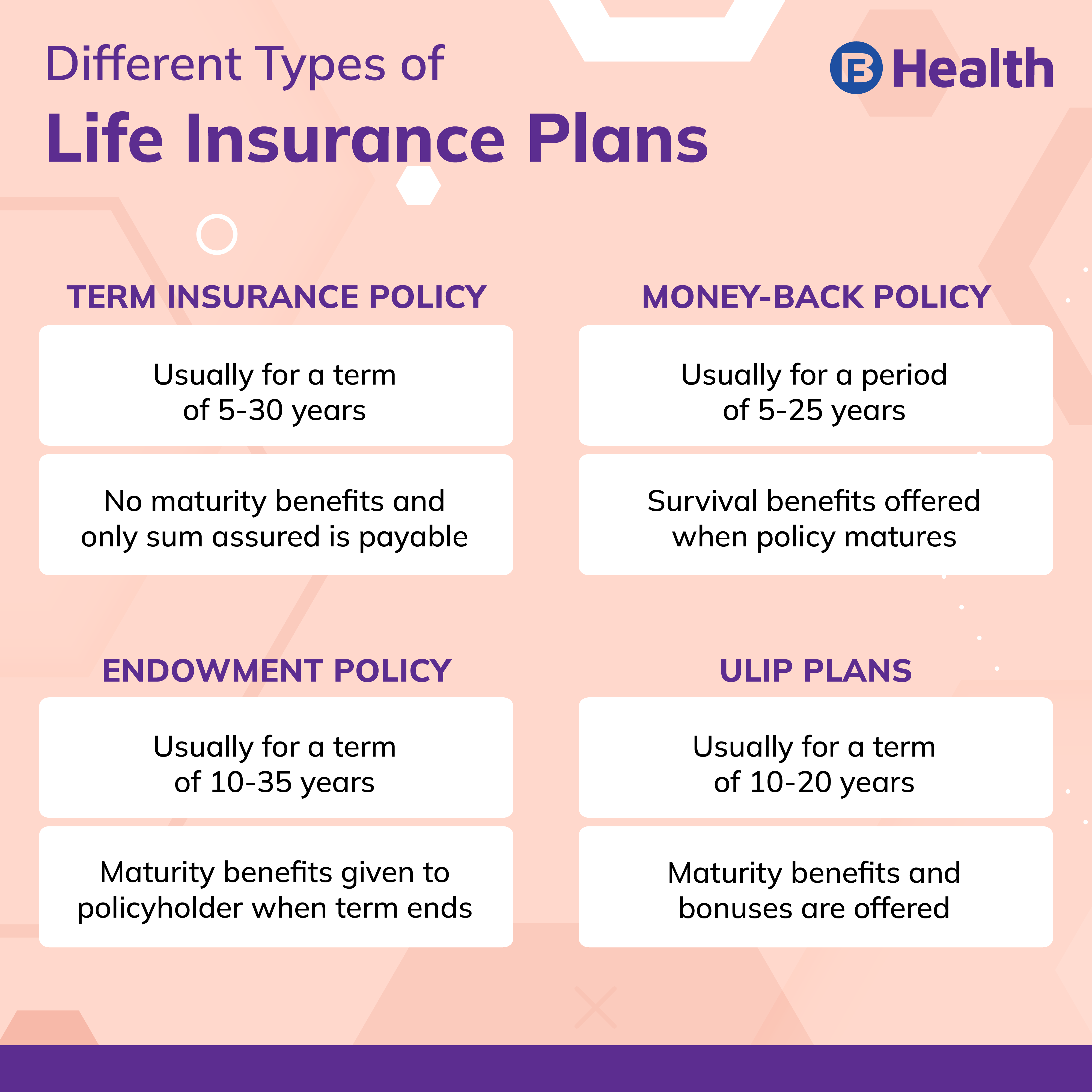
Insurance options made available through association networks typically center around term life insurance due to its simplicity, affordability, and flexibility for self-employed individuals.
Term Life Insurance Fundamentals
Term life insurance provides financial protection for a specified period (a "term"), such as 10, 20, or 30 years, or as an annual renewable group term. If the insured passes away during the term, the beneficiaries receive a tax-free death benefit. If the term expires, the coverage ends unless renewed or converted.
- Affordability: Initial premium costs are lower than permanent insurance (like whole or universal life), making it attractive for entrepreneurs managing variable monthly business expenses.
- Fixed Death Benefits: Payout amounts are established at the time of purchase and remain constant throughout the term.
- Portability Concerns: Group term policies often lack the robust portability features found in individual policies, meaning changes to the master group contract can impact individual certificate holders.
Supplemental and Rider Options
Depending on the specific third-party provider managing the association benefits, policyholders may have opportunities to add riders to their coverage. Common riders include:
- Accidental Death and Dismemberment (AD&D): Provides an additional payout if death or severe injury results from an accident.
- Waiver of Premium: Waives future premium payments if the insured becomes totally disabled due to injury or illness.
- Dependent Coverage: Allows the insured to add modest term life riders for a spouse or dependent children.
Comparative Analysis: Association Group Plans vs. Independent Policies
Choosing between an association-sponsored group life insurance product and an independent market policy requires weighing cost, stability, and coverage depth. The following table highlights the structural differences between these two pathways.
| Feature | Association Group Life Plan | Independent Term Life Policy |
|---|---|---|
| Underwriting | Simplified; often fewer medical exams for basic tiers. | Comprehensive; typically requires medical exams and lab work. |
| Portability | Generally tied to association membership or master contract; may terminate if status changes. | Fully portable; remains active regardless of career or business changes. |
| Cost Stability | Rates may adjust annually based on the overall group’s mortality experience. | Premiums are typically locked (level term) for 10, 20, or 30 years. |
| Coverage Caps | Often lower maximum limits (e.g., $50,000 to $250,000). | High maximum limits tailored to individual financial needs ($1M+). |
| Application Speed | Fast approval process due to streamlined group underwriting. | Slower approval process requiring weeks of medical verification. |
Cost Considerations and Financial Planning
For self-employed individuals and independent contractors, managing cash flow is a primary operational concern. Association-sponsored group insurance plans often appeal to buyers because group purchasing power can lower upfront costs. However, buyers must look beyond the initial monthly premium.
Evaluating Total Cost of Ownership
- Rate Escalation: Group term rates frequently increase in age brackets (e.g., jumping significantly when entering a new decade like age 50 or 60). An initially inexpensive policy can become cost-prohibitive later in life.
- Business Revenue Fluctuations: Since independent business owners experience variable income streams, tying insurance premium payments directly to business accounts requires disciplined budgeting to prevent accidental policy lapses due to insufficient funds.
- Tax Implications: In many jurisdictions, life insurance premiums paid by individuals or sole proprietors are considered personal expenses and are not tax-deductible, though death benefits paid to beneficiaries are generally income-tax-free. Consulting a certified public accountant or financial advisor is essential for localized tax guidance.
Common Mistakes to Avoid
Navigating insurance options within alternative business networks can lead to common pitfalls if proper due diligence is overlooked.
- Assuming Coverage is Permanent: Many policyholders mistake group term life insurance for permanent whole life insurance, failing to realize that rates will rise or coverage will terminate as they age.
- Neglecting Portability Rules: Failing to check whether a policy can be converted into an individual policy without a medical exam if association membership ends.
- Undervaluing Coverage Needs: Relying solely on a basic group policy cap (e.g., $50,000) without calculating actual family financial obligations, such as outstanding mortgages, children's education, and living expenses.
- Overlooking Fine Print on Exclusions: Not reading the master policy document for exclusions related to hazardous activities, pre-existing conditions, or suicide clauses during the initial contestability period.
Frequently Asked Questions
Does Amway directly sell or underwrite life insurance policies?
No. Amway is a direct-selling organization focused on consumer goods and does not act as a licensed insurance carrier. When insurance products are presented to independent business owners, they are provided through third-party brokers, affinity groups, or licensed financial service partners.
Are all Independent Business Owners automatically eligible for group life insurance?
Eligibility depends entirely on regional availability, active business status, association rules, and local insurance regulations. In many jurisdictions, specific enrollment periods or minimum activity thresholds must be met before applying.
Can I keep my association group life insurance if I stop building my independent business?
Most group life insurance certificates are tied to the continuation of the master group contract or active membership status. If you leave the network, the policy typically terminates, though some group plans offer a conversion privilege allowing you to switch to an individual policy within a specific timeframe without a medical exam.
How do group insurance rates compare to buying an individual policy on the open market?
Group rates are often lower and easier to qualify for initially because of simplified underwriting. However, individual term policies often provide better long-term value and predictable, level premiums if purchased while young and in good health.
What steps should I take if I want to explore these insurance options?
Begin by reviewing the official benefit portal or member resources provided within your independent business network to identify the current third-party broker or carrier. Verify licensing, compare quotes against independent brokers, and consult a fee-only financial planner to ensure the chosen policy aligns with your comprehensive family protection goals.