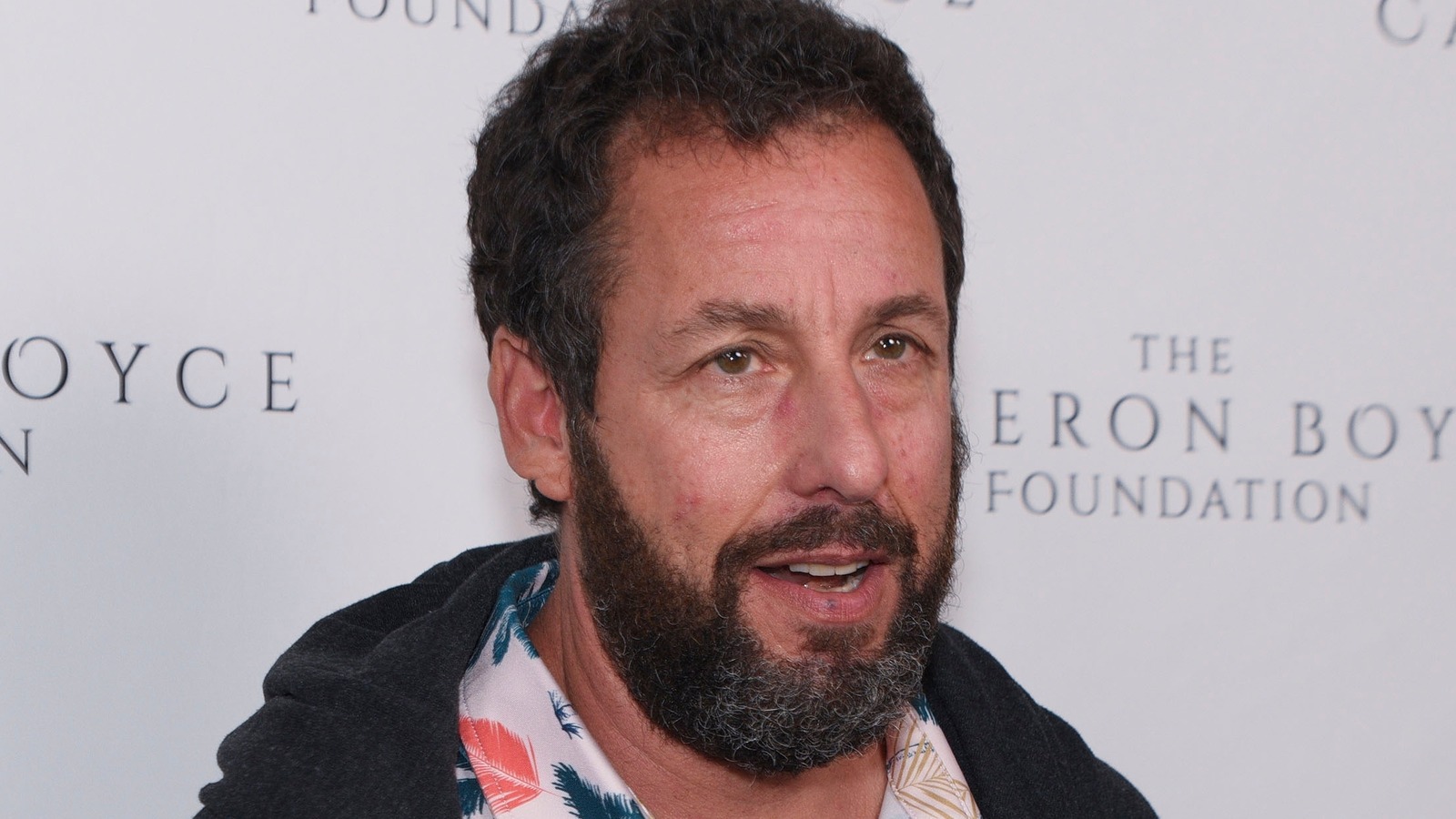
Adam Sandler’s physical appearance has frequently become a subject of intense public curiosity, particularly when his muscle definition seems to fluctuate in conjunction with specific film roles. While Sandler is primarily known for his comedic genius and long-standing career in film production, his occasional shifts in physique—often characterized by noticeable muscle gain or weight loss—are typically the result of dedicated preparation for dramatic acting roles or specific athletic character requirements rather than a permanent lifestyle overhaul. Understanding his muscle weight requires looking at the intersection of professional acting demands, the role of experienced personal training, and the standard industry practices regarding body composition for cinema.
The Nature of Hollywood Physique Transformations
In the film industry, an actor’s physique is often treated as an extension of their costume. When a role demands a certain aesthetic—whether it is a lean, athletic build or a more robust appearance—actors often work with professional trainers and nutritionists to achieve a specific look within a production window. For Adam Sandler, these shifts are rarely about bodybuilding for vanity; they are functional and aesthetic transitions intended to ground his characters in reality.
The concept of "muscle weight" in this context refers to the increase in lean body mass achieved through resistance training and high-protein nutrition, often paired with a calculated caloric intake. Because Sandler is not a professional athlete or bodybuilder, these changes are usually period-specific. He utilizes established routines that prioritize joint health and sustained energy levels to accommodate the rigorous, often sixteen-hour-a-day schedule of a film set.
Understanding the Role of Professional Guidance
Actors of Sandler’s stature rarely undergo physical changes in isolation. The process involves a structured framework managed by health professionals. This typically includes:
- Resistance Training: Focused on hypertrophy (muscle growth) through compound movements such as squats, presses, and pulls. These exercises are designed to recruit the maximum number of muscle fibers, leading to a denser muscular appearance.
- Nutritional Programming: Adjusting macronutrients—proteins, carbohydrates, and fats—to ensure that muscle mass is preserved while minimizing fat gain.
- Time-Boxing: Transformations are dictated by the filming schedule. Once the project concludes, many actors naturally shift away from the high-intensity maintenance required to hold that specific weight, which is a normal response of the human body adjusting to its baseline.
Separating Rumor from Physiological Reality
Public discourse regarding Adam Sandler’s weight often veers into speculation about supplement use or extreme dieting. However, it is essential to distinguish between the managed transformation for a role and unfounded claims. There is no public evidence to suggest that Sandler relies on anything beyond standard, industry-sanctioned training protocols.
The "weight" perceived by the audience is often a combination of increased muscle volume, lighting techniques on set, and the specific wardrobe choices made for his characters. Camera angles and the high-definition nature of modern film equipment can exaggerate muscle definition, making subtle changes look more pronounced to the viewer than they might appear in person.
Comparative Factors in Physical Appearance
| Factor | Impact on Perception | Reality in Film Context |
|---|---|---|
| Lighting | High | Shadows are manipulated to highlight muscle contours. |
| Wardrobe | Moderate | Tailored clothing can make shoulders look broader. |
| Hydration | Moderate | Proper hydration affects muscle "fullness" or pump. |
| Training | High | Genuine increases in lean muscle mass. |
| Post-Production | Low | Color grading can alter the appearance of skin and muscle tone. |
The Functional Approach to Training
For an actor like Sandler, fitness is a tool for longevity. As of 2026, the focus in the entertainment industry has shifted toward functional longevity—training that prevents injury and allows for physical performance throughout a long shooting day. This type of training prioritizes core stability, mobility, and cardiovascular health alongside strength.
When Sandler engages in weight-bearing exercise, the goal is often to provide a "frame" for the character. By increasing muscle weight, an actor can change their silhouette, which informs how they move on screen. This shift in physical presence is a subtle performance technique that influences how other characters in the film—and ultimately the audience—perceive the protagonist’s strength, authority, or emotional vulnerability.
Common Myths Regarding Muscle Gain
There is a pervasive belief that rapid muscle gain is possible without significant, sustained effort. In reality, biological limitations dictate how quickly the body can synthesize muscle protein.
- The "Instant Muscle" Myth: No actor gains significant, permanent muscle weight in a matter of days. Transformations are the result of months of preparation.
- The "All or Nothing" Fallacy: Many observers assume that if an actor is not constantly "ripped," they have lost their progress. In reality, body composition is dynamic; it is perfectly normal for muscle mass to decrease slightly during downtime between filming projects.
- The Supplement Dependency Myth: While high-quality protein and basic supplements are standard in professional training, they are merely tools. The core of any transformation remains consistent resistance training and recovery.
Why Changes in Weight Occur Frequently
The film industry operates on tight deadlines. An actor may be required to maintain a specific weight for a three-month shoot. Once the cameras stop rolling, the incentive to maintain that specific intensity diminishes. This is not a failure of discipline, but a strategic decision to allow the body to recover from the stress of a high-intensity program.
Furthermore, different films require different physical "types." A comedic role might require a more relaxed look to fit the "everyman" archetype that Sandler is famous for, whereas a dramatic role might demand a leaner, more physically intense presence. The fluctuation in his weight is, therefore, a testament to his versatility as an actor rather than a lack of health consistency.
Frequently Asked Questions
1. Did Adam Sandler use performance enhancers to change his weight?
There is no credible information or verified reporting to suggest the use of performance-enhancing drugs. His transformations are generally attributed to professional training programs, expert nutritional guidance, and the standard, intensive preparation expected of Hollywood actors.
2. How much time does it take for an actor to gain visible muscle?
For individuals under professional supervision, noticeable changes in muscle tone can begin within 6 to 8 weeks, with more significant muscle mass development usually requiring a consistent 3 to 6-month window of focused training and caloric surplus.
3. Is Adam Sandler’s training routine public?
Adam Sandler has not released a standardized, public "workout plan." Most high-profile actors work with private trainers who tailor programs to their specific body type, history of injuries, and the physical requirements of their current character.
4. Why does his weight seem to change so quickly?
The perception of rapid weight change is often a combination of genuine physiological adaptation and cinematic effects. Lighting, camera work, and clothing choices significantly influence how a viewer perceives an actor’s size and muscularity on screen.
5. Is it healthy to fluctuate muscle weight for roles?
While actors are monitored by professionals, frequent, extreme fluctuations in weight can put stress on the body. This is why major studios hire medical teams and nutritionists to oversee these transitions, ensuring that health is prioritized over the aesthetic goals of the production.
Professional Advice for Physical Transformation
If you are looking to improve your own physical composition, it is recommended that you do not mimic the extreme, short-term transformations of Hollywood actors. Instead, seek the guidance of a certified personal trainer or a registered dietitian. Focus on sustainable, long-term habits such as progressive overload in your workouts and a balanced diet that supports your specific activity levels.
Before starting any new exercise program, consult with a medical professional to ensure your plan is safe for your individual health history. Consistency in moderate, well-planned exercise and nutrition remains the most effective, safest way to improve body composition and overall health.