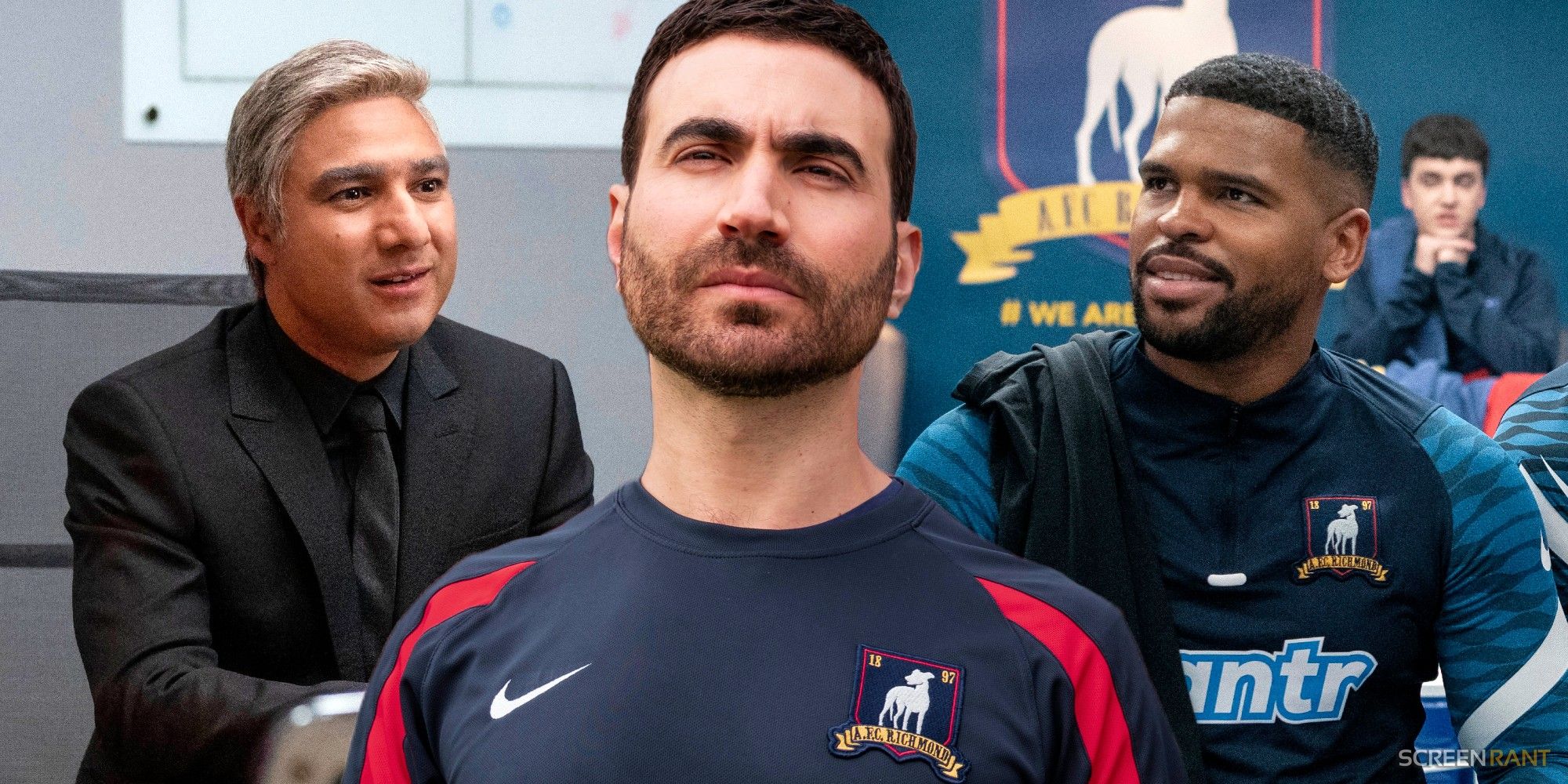
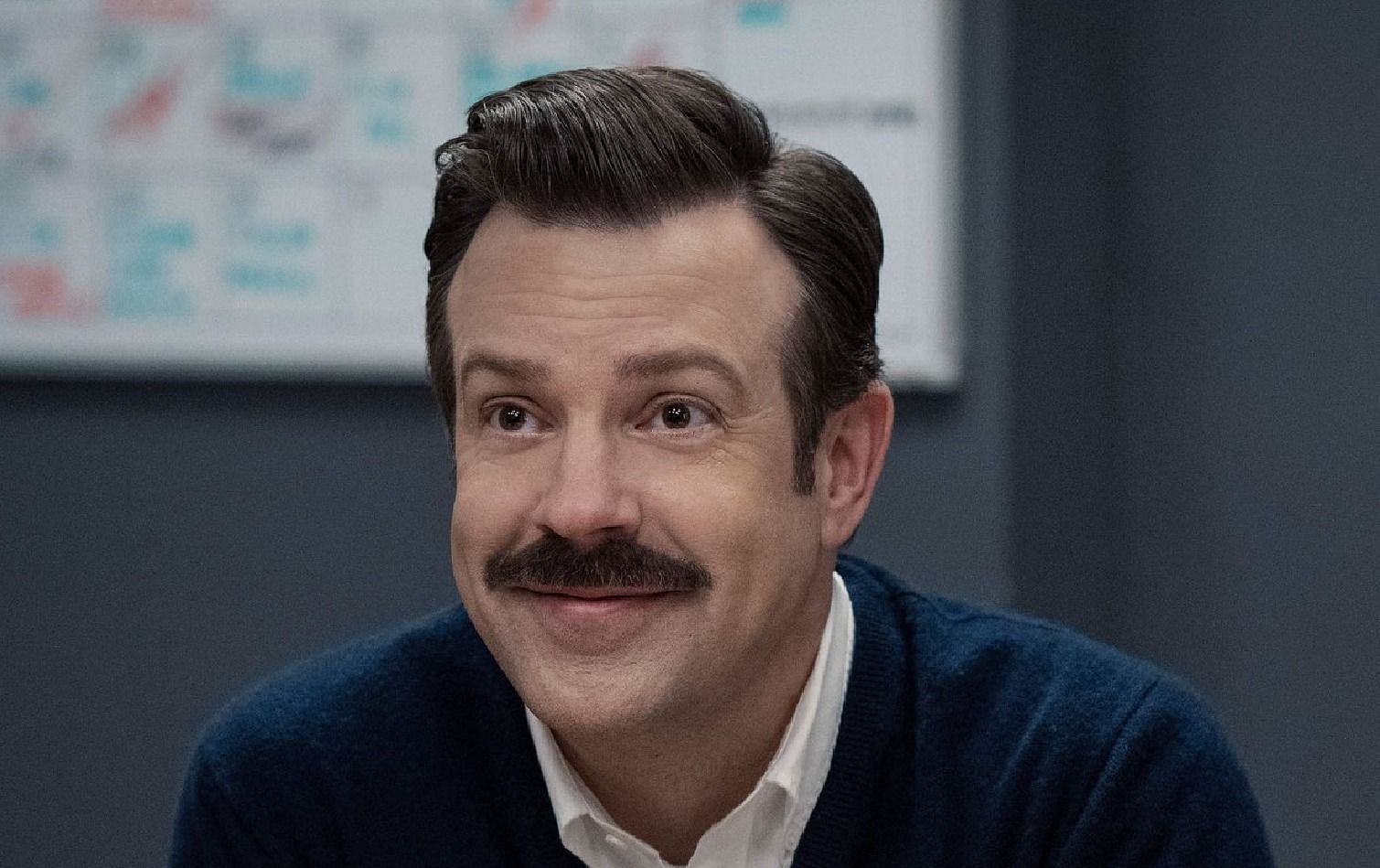
In the final seven episodes of Ted Lasso Season 3, AFC Richmond undergoes a tactical and emotional transformation, adopting the "Total Football" philosophy to surge from the bottom half of the table to a second-place finish in the Premier League. The series concludes with the Greyhounds defeating West Ham United 3-2, while Ted Lasso returns to Kansas.
The Strategic Pivot: How the Final 7 Episodes Defined Richmond’s Legacy
As we look back from 2026, the final stretch of Ted Lasso Season 3 remains one of the most analyzed sequences in modern television dramedy. This seven-episode arc, spanning from Episode 6 ("Sunflowers") to the series finale (Episode 12, "So Long, Farewell"), represents a complete structural overhaul of AFC Richmond. The narrative shifts from a team struggling with the "Zava-dependency" and tactical rigidity to a fluid, self-actualized unit capable of competing with the world’s elite clubs.
The catalyst for this change was not found on a pitch in London, but during a mid-season friendly in Amsterdam. In Episode 6, the team experienced a collective "ego death." While the players spent their night bonding and experimenting with different forms of connection—ranging from jazz clubs to pillow fights—Ted Lasso experienced a drug-induced (via a supposed "tea") tactical epiphany at an American-themed restaurant. This epiphany led to the implementation of "Total Football," a system where every player is capable of playing any position, demanding high intelligence, stamina, and mutual trust.
The subsequent six episodes served as a masterclass in narrative payoff. We witnessed the team moving from the confusion of "The Ola's" (Episode 7) to the clinical execution of the system against powerhouses like Manchester City and Arsenal. This arc was not merely about winning games; it was about the maturation of the "Lasso Way," proving that a positive environment could yield elite-level professional results.
The Evolution of Total Football in the Richmond System
The introduction of Total Football in Episode 7 was initially met with skepticism by the players and the press. The system, pioneered by Rinus Michels and Johan Cruyff, requires a level of conditioning and spatial awareness that AFC Richmond previously lacked. However, the final arc shows how the coaching staff—including the "Diamond Dogs"—tailored this philosophy to fit the specific talents of the Greyhounds.
Jamie Tartt: From Scorer to Engine
The most significant tactical adjustment during these seven episodes was the repositioning of Jamie Tartt. Rather than acting as a traditional "number nine" poacher, Jamie was tasked with dropping deep into the midfield to act as the team's "point guard." This required Jamie to sacrifice his individual goal-scoring stats for the betterment of the team’s flow. His evolution from a selfish star in Season 1 to the selfless architect of the final arc is the emotional heartbeat of the season's conclusion.
The Role of Sam Obisanya and the Midfield
Sam Obisanya’s role expanded significantly during this period. As a right-back who often pushed into the attacking third, Sam became a primary beneficiary of the Total Football fluidity. His ability to cover ground and transition from defense to attack allowed Richmond to maintain a high defensive line, suffocating opponents and forcing turnovers high up the pitch. This tactical aggressiveness was a far cry from the "park the bus" mentalities often seen in newly promoted or mid-table sides.
Analyzing the Winning Streak: The Road to the Finale
Between Episodes 8 and 11, Richmond embarked on an unprecedented winning streak. This wasn't portrayed as a series of lucky breaks, but as the result of a team that had finally "clicked." The narrative focus shifted toward the technical proficiency of the players, highlighting their increased chemistry.
One of the most pivotal moments in this arc was the redemption of Nate Shelley. His departure from West Ham and eventual return to Richmond (initially as an assistant to the kitman) provided the tactical "missing link." While Ted provided the emotional soul and Roy Kent provided the defensive grit, Nate’s analytical mind helped refine the Total Football system for the Premier League’s specific challenges.
The table below summarizes the progression of Richmond's performance and key narrative shifts during this critical 7-episode window.
Richmond’s Final Arc Performance Summary
| Episode | Key Event | Tactical/Narrative Shift | League Impact |
|---|---|---|---|
| 6: Sunflowers | Amsterdam trip | Discovery of "Total Football" philosophy. | Team morale resets; tactical seeds planted. |
| 7: The Ola's | Debut of Total Football | Initial struggle followed by a breakthrough against Arsenal. | Ends the winless streak; starts the climb. |
| 8: We'll Never Have Paris | Isaac’s captaincy moment | Team unity solidifies around social/personal issues. | Maintaining momentum despite off-pitch distractions. |
| 9: La Locker Room Aux Folles | Roy Kent's leadership | Roy embraces his role as a mentor and future manager. | Continued winning streak; locker room harmony. |
| 10: International Break | Sam’s Olympic snub | The team rallies around individual disappointments. | Psychological resilience is tested and proven. |
| 11: Mom City | Win vs. Manchester City | Jamie Tartt overcomes his father’s shadow at Etihad. | Richmond enters the final day with a title chance. |
| 12: So Long, Farewell | Finale vs. West Ham | The "Believe" sign is restored; Ted departs. | Final Rank: 2nd Place (Champions League Qual.). |
The Finale: Richmond vs. West Ham United
The Season 3 finale, "So Long, Farewell," centers on the final match of the season against West Ham United, owned by the antagonistic Rupert Mannion. For Richmond, the stakes were both professional and personal. A win, combined with a Manchester City loss or draw, would have seen them crowned Premier League champions—a "Leicester City" style miracle.
The match itself was a microcosm of the entire series. Richmond fell behind early, 2-0, reflecting their historical tendency to struggle under immense pressure. However, the second half saw the team reclaim their identity. The turning point came when the players revealed they had kept pieces of the original "Believe" sign, which Ted had ripped up earlier in the season. This act of collective faith propelled them to a 3-2 comeback victory.
While Manchester City ultimately won their match and secured the title, Richmond’s second-place finish was a monumental achievement. In the context of English football, moving from the Championship (the second tier) to a Champions League qualifying spot in just two seasons is a feat of legendary proportions.
The Outcome for Key Personnel
The final episode did more than just settle the league standings; it provided closure for the characters who drove the 7-episode arc.
- Ted Lasso: Having accomplished his goal of instilling a culture of belief and self-reliance, Ted chose to leave Richmond and return to Kansas to be with his son, Henry. His departure emphasized that the "Lasso Way" was never about the man himself, but about the lessons he left behind.
- Rebecca Welton: Initially driven by a desire to destroy the club to spite her ex-husband, Rebecca ended the series as a beloved owner who chose to sell 49% of the team to the fans. Her growth from a vengeful divorcee to a community leader was finalized when she encountered a mysterious stranger at the airport, hinting at a new romantic beginning.
- Roy Kent: In a move that many fans predicted, Roy was named the new manager of AFC Richmond. His journey included the realization that he needed to work on himself, leading him to start therapy with Dr. Sharon Fieldstone.
- Beard and Jane: Coach Beard stayed in London to marry Jane, choosing his newfound community and love over a return to the United States.
- Nate Shelley: Fully redeemed, Nate took his place on the coaching staff as an assistant coach, his relationship with his father and his self-esteem finally mended.
Technical Implications of the 2nd Place Finish
Finishing second in the Premier League carries significant financial and structural implications for a club like AFC Richmond. From a 2026 retrospective, we can see how this set the stage for the club's future (even if off-screen):
- Champions League Revenue: Qualifying for the UEFA Champions League brings in tens of millions of pounds in broadcasting rights and gate receipts. This ensures the club's long-term financial stability.
- Player Recruitment: A top-two finish allows the club to attract world-class talent who want to play in Europe’s premier competition.
- Brand Value: The "Greyhound" brand became a global phenomenon, moving beyond the underdog narrative into the realm of established "Big Six" challengers.
- Ownership Model: By selling shares to the fans, Rebecca ensured that the club remains rooted in its community, protecting it from the predatory "Rupert Mannion" types of the footballing world.
Frequently Asked Questions
Did AFC Richmond win the Premier League in the finale?
No, Richmond finished in second place. While they defeated West Ham in their final match, Manchester City won their respective game, which allowed them to stay at the top of the table. Despite not winning the trophy, the second-place finish guaranteed Richmond a spot in the Champions League for the following season.
Why did Ted Lasso leave Richmond after such a successful season?
Ted’s primary motivation throughout the series was his son, Henry. Having spent three years away from his family, Ted realized that while he loved his "Richmond family," his most important job was being a father. He left because his work at the club was done—he had taught them how to believe in themselves and how to function as a cohesive unit without him.
Who became the manager of AFC Richmond after Ted left?
Roy Kent was officially named the manager. He is supported by Coach Beard and Nate Shelley. This "triumvirate" of coaching talent represents a balance of emotional intelligence (Beard), tactical genius (Nate), and uncompromising leadership (Roy).
What happened to the "Believe" sign?
In the finale, it was revealed that every player had hidden a piece of the original "Believe" sign in their lockers or personal belongings after Ted ripped it up. Before the second half of the West Ham game, they reassembled the sign like a puzzle. This symbolized that "Belief" wasn't a single object Ted owned, but something that lived within each of them.
Is there a Richmond women's team?
In the final montage of the series, Keeley Jones presents Rebecca Welton with a proposal for an AFC Richmond Women’s Team. Rebecca’s enthusiastic reaction confirms that the club is expanding its reach and impact within the sport.
Practical Recommendation for Fans and Analysts
For those looking to study the "Lasso Way" or the tactical shift of Richmond, a re-watch should focus specifically on the transition between Episode 6 and Episode 7. Note the change in camera angles during matches; as the team adopts Total Football, the cinematography often pulls back to show the "geometry" of the pitch, emphasizing the players' movement relative to one another.
Furthermore, pay close attention to the dialogue in the Diamond Dogs meetings during these final seven episodes. The focus shifts from solving personal romantic crises to discussing professional growth and the legacy of their leadership. This transition is a blueprint for healthy workplace culture and "servant leadership" that remains relevant in 2026.