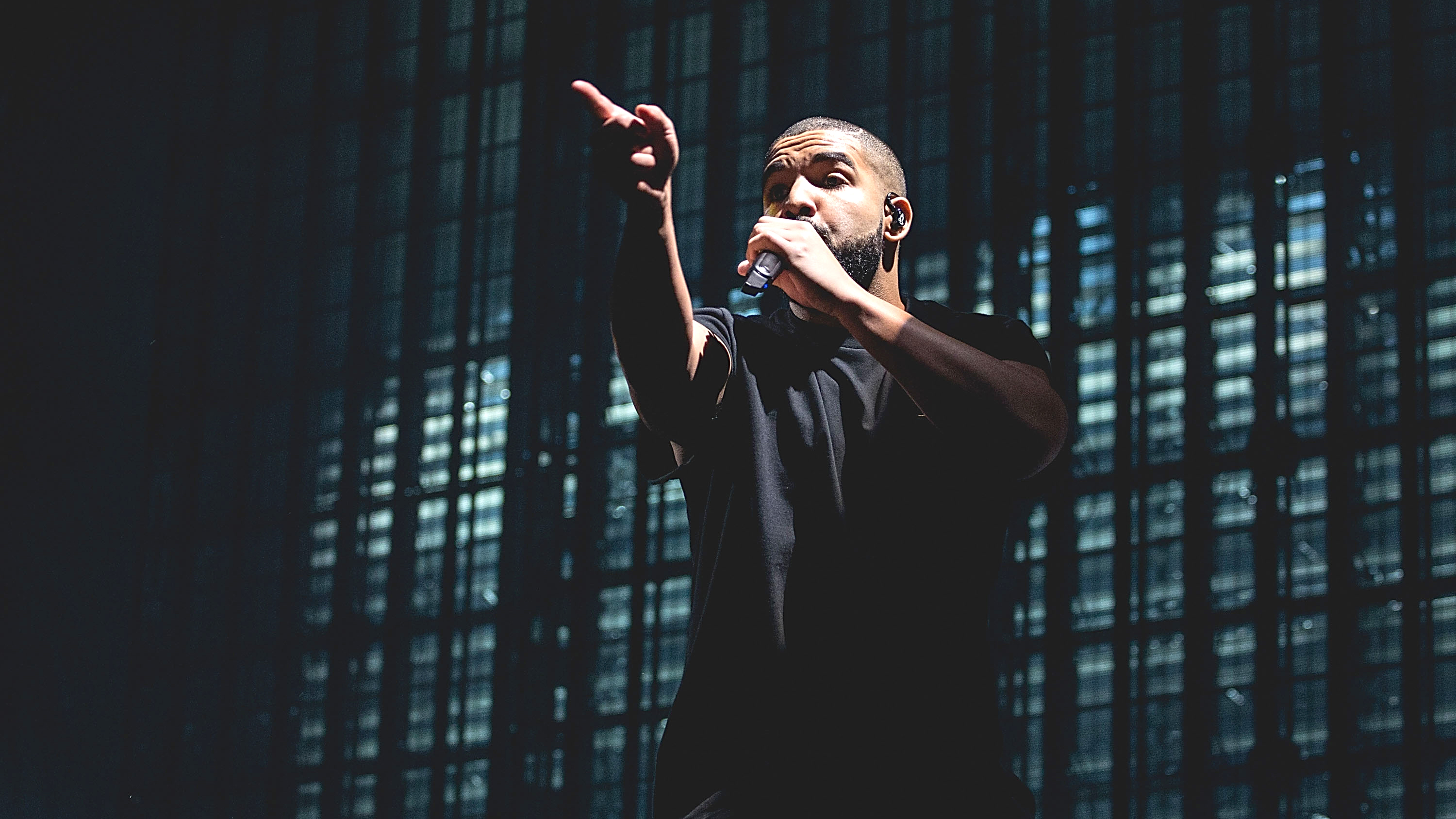
Boi-1da’s evolution from gritty 2000s Toronto boom-bap to stadium-filling trap anthems highlights five core production shifts: his transition from raw sample chopping to polished synth design, the adoption of rolling triplet hi-hats, his pivot to heavy 808 sub-bass anchoring, the integration of global dancehall and Afrobeats rhythms, and his heavy reliance on collaborative co-production. These shifts have continuously fueled debates regarding his sonic originality, reliance on ghost producers, and the homogenization of modern urban music.
Introduction to Boi-1da’s Sonic Footprint
Matthew Jeasu Samuels, professionally known as Boi-1da, stands as a pillar of modern hip-hop production. Emerging from Pickering, Ontario, his early catalog was defined by soul-stirring vocal chops, aggressive drum programming, and a distinct gritty warmth that helped shape the mid-2000s OVO Sound aesthetic. Over two decades, his discography has expanded from underground mixtapes with Drake to Billboard Hot 100 chart-toppers for global superstars like Eminem, Rihanna, Kendrick Lamar, and Nicki Minaj.
However, this sustained commercial dominance has not happened in a vacuum. As mainstream hip-hop transitioned from physical sample-heavy boom-bap to digital plug-in manipulation and streaming-optimized trap, Boi-1da’s production style underwent significant metamorphosis. These changes have sparked intense ongoing debates among music critics, beatmakers, and purists regarding artistic authenticity, the death of traditional sample flipping, and the collaborative nature of modern hit-making. Analyzing these five shifts offers a comprehensive look into how a top-tier producer adapts to shifting industry demands while remaining at the center of critical discourse.
Shift 1: From Soul Sample Chopping to Custom VST Synth Design
In the foundational era of his career—best exemplified by Drake’s breakthrough mixtape So Far Gone and early cuts like "Ransom"—Boi-1da relied heavily on soul, R&B, and gospel vinyl samples. Tracks like "Successful" showcased a classic formula: pitching up a vocal hook, adding a swing-heavy snare, and layering a filtered bassline. This approach required deep digging, crate-digging expertise, and manual chopping in digital audio workstations (DAWs) like FL Studio.
Over time, clearance costs, legal hurdles, and changing pop preferences forced a shift toward original composition. Boi-1da began relying more heavily on virtual studio technology (VST) plugins, analog synthesizers, and live instrumentation.
- The Technical Pivot: Moving from time-stretching audio files to programming custom MIDI sequences, using soft synths like Omnisphere, Nexus, and Serum.
- The Economic Driver: Avoiding expensive sample clearance fees and publishing splits with legacy soul artists.
- The Ongoing Debate: Purists argue that this transition removed the organic warmth and soulful character of his early work, replacing it with sterile, hyper-compressed digital patches. Supporters counter that custom synth melodies demonstrate greater compositional versatility and a willingness to pioneer new sonic palettes rather than relying on recycled nostalgia.
Shift 2: The Adoption and Refinement of Trap Hi-Hats and Percussion
When Boi-1da first gained widespread acclaim, his rhythmic signature was anchored by hard-hitting, acoustic-sounding snares and complex, syncopated kick patterns reminiscent of East Coast boom-bap, albeit compressed with modern loudness-war techniques. As southern trap music—driven by Atlanta and Memphis subgenres—grew to dominate global charts, his rhythm section underwent a rapid modernization.
The integration of rolling triplet hi-hats, rapid-fire snare rolls, and sparse, percussive accents became a staple of his mid-2010s output. Tracks like "0 to 100 / The Catch Up" displayed a hybrid approach: the aggressive, marching-band bounce of classic Boi-1da mixed with the rattling high-frequency energy of modern trap.
- Rhythmic Adaptation: Replacing steady 8th-note hi-hat patterns with complex, automated velocity-shifted rolls.
- Transient Shaping: Employing aggressive compression and clipping to ensure high-frequency elements cut through dense mobile-device speakers.
- The Ongoing Debate: Critics argue that this rhythmic shift caused Boi-1da to abandon his unique regional swing in favor of generic, algorithm-friendly trap formulas. Conversely, defenders point out that his ability to integrate modern trap percussion without losing his signature rhythmic punch is a masterclass in genre-crossing evolution.
Shift 3: The Evolution of Low-End: From Warm Basslines to Sub-Destructive 808s
The low-end frequencies of hip-hop production have changed drastically over the past twenty years. In his early productions, Boi-1da favored thick, rounded basslines often rooted in sampled double basses or Moog-style synth basses that occupied the mid-low spectrum, giving tracks a warm, organic thud.
As subwoofers in cars, clubs, and consumer headphones grew more powerful, the demand for punishing, subterranean 808 bass increased. Boi-1da adapted by incorporating heavy, distorted 808 slides, often saturated to generate harmonic overtones that remain audible on small phone speakers.
| Era / Period | Primary Low-End Source | Processing Techniques | Notable Example Tracks |
|---|---|---|---|
| Late 2000s | Filtered synth bass & sampled uprights | Light saturation, sidechain compression | "Best I Ever Had", "Over" |
| Mid 2010s | Layered 808s and clean sub-synths | EQ carving, moderate distortion | "0 to 100 / The Catch Up", "Work" |
| 2020s & Beyond | Heavily distorted 808s with custom slides | Hard clipping, stereo imaging, multiband compression | "God's Plan", "First Class" |
This low-end evolution has made his beats massive festival anthems, yet it remains a frequent point of discussion among audio engineers who debate whether modern sub-heavy mastering compromises the dynamic range of the overall mix.
Shift 4: Embracing Caribbean, Dancehall, and Afrobeats Rhythms
Growing up in Toronto—a multicultural hub with a massive Caribbean diaspora—Boi-1da was naturally exposed to dancehall, reggae, and soca. However, his early mainstream output was predominantly North American hip-hop and R&B. A major turning point in his career occurred when he consciously injected these Caribbean roots into major pop and rap structures.
The breakthrough success of Rihanna's "Work" (2016) demonstrated his ability to blend contemporary dancehall riddims with smooth pop arrangements. This opened the floodgates for further exploration into global rhythms, influencing subsequent tracks featuring Afrobeats and Latin pop sensibilities.
- Rhythmic Shift: Utilizing the classic two-step dancehall pattern and reggaeton dembow syncopation within Western urban arrangements.
- Cultural Fusion: Partnering with Caribbean and international producers and songwriters to maintain authenticity while scaling to global pop markets.
- The Ongoing Debate: While praised for expanding the sonic boundaries of mainstream hip-hop, this shift has also invited scrutiny regarding cultural appropriation and whether major American producers commercially co-opt regional genres without giving adequate structural credit to local originators.
Shift 5: The Move Toward Institutional Co-Production and Team Beats
Perhaps the most structurally significant shift in Boi-1da's career is the transition from a solitary beatmaker working alone in a home studio to the head of a massive collaborative production collective. Early in his career, credits were largely singular or shared with a close local collaborator like Frank Dukes or Doc McKinney.
Today, major Boi-1da placements routinely feature a sprawling list of co-producers, including members of his extended camp (such as Vinylz, Allen Ritter, and T-Minus). This shift mirrors the broader professionalization and industrialization of modern beat-making, where hits are built by committee.
- [Boi-1da Sound Core]
- Melody & VST Design (Allen Ritter, Frank Dukes era)
- Drum Programming & Arrangement (Boi-1da signature bounce)
- Mixing, Maximizing & Co-Production (Vinylz, T-Minus)
- [Final Billboard-Charting Master]
- The Workflow Shift: Dividing labor into specialized components—one producer handles the chords, another designs the drums, and Boi-1da acts as the executive producer, curator, and final-polish architect.
- The Ongoing Debate: This communal approach triggers fierce debates over authorship. Critics question how much of a final beat is actually attributable to Boi-1da versus his credited co-producers, leading to discussions about the "ghost producer" phenomenon in major-label rap. Supporters argue that his role resembles that of a legendary Quincy Jones figure—guiding the vision, selecting the right talent, and executing the final arrangement.
Ongoing Debates Surrounding Boi-1da’s Legacy
The convergence of these five shifts leaves Boi-1da at the center of several ongoing discussions within music journalism and producer circles. Understanding these debates is essential for evaluating his true impact on contemporary audio culture.
Authenticity vs. Commercial Adaptability
Purists often argue that commercial survival requires compromising artistic integrity. By moving away from soulful vinyl sampling toward synthetic trap arrangements, critics claim he lost some of his early distinctiveness. Conversely, industry analysts argue that his ability to reinvent his sound across three distinct eras of rap music proves his mastery as a dynamic producer rather than a one-trick nostalgia act.
The Crediting and Co-Production Controversy
As modern hip-hop production credits grow increasingly crowded, questions of genuine contribution persist. Internet music forums and producer interviews frequently dissect who actually wrote specific melodies on multi-platinum tracks. While Boi-1da has consistently maintained a reputation for mentoring young talent and sharing wealth and credit, the broader debate about the transparency of team-built beats remains unresolved.
Frequently Asked Questions
What was Boi-1da’s breakthrough beat?
His primary breakout beat is widely considered to be "Best I Ever Had" by Drake, released in 2009. The track utilized a prominent sample of Alicia Keys’ "Do You Know" and propelled both Drake and Boi-1da into mainstream international prominence.
How did Boi-1da get his producer tag?
His producer tag, whispered as "Boi-1da," originated from his early music production days. The name itself stems from his given name Matthew (Mathew sounds like "Matthew-1-da" or "Boy-wonder," stylized as Boi-1da, representing his young age when he started making beats).
Does Boi-1da still use hardware or is he fully digital?
Boi-1da primarily operates inside digital audio workstations, predominantly FL Studio, utilizing a hybrid setup of MIDI controllers, software plugins, and external hardware synthesizers for sound design and low-end processing.
Why do modern Boi-1da beats sound different from his 2009 work?
His style has evolved to match changes in consumer listening habits, club sound systems, and streaming standards. The shift from sample-based soul loops to custom synth melodies and heavy 808 sub-bass reflects broader shifts in popular music production over the past fifteen years.
Practical Next Actions for Beatmakers and Producers
For producers looking to study Boi-1da’s methodology and apply his adaptive strategies to their own workflows, consider the following actions:
- Study the Hybrid Approach: Practice building beats that combine organic or sampled chord progressions with modern, hard-hitting trap drums and 808 sub-bass.
- Embrace Collaboration: Learn how to co-produce effectively by trading stems and loop ideas with peers, treating beat-making as a team sport rather than a solitary endeavor.
- Master Low-End Translation: Test your 808 sub-bass frequencies across multiple sound systems—from studio monitors to low-cost earbuds—to ensure your low-end retains its punch regardless of playback hardware.