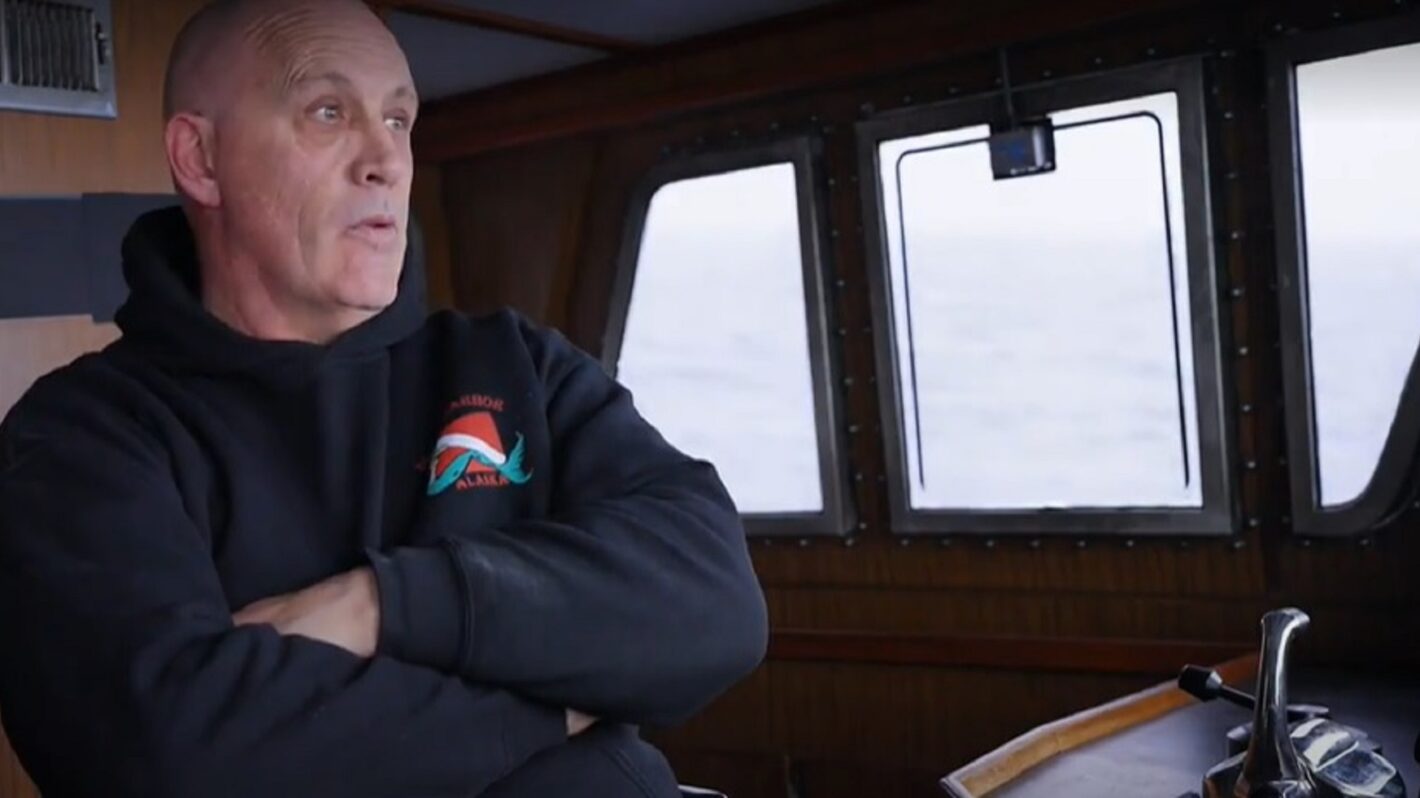
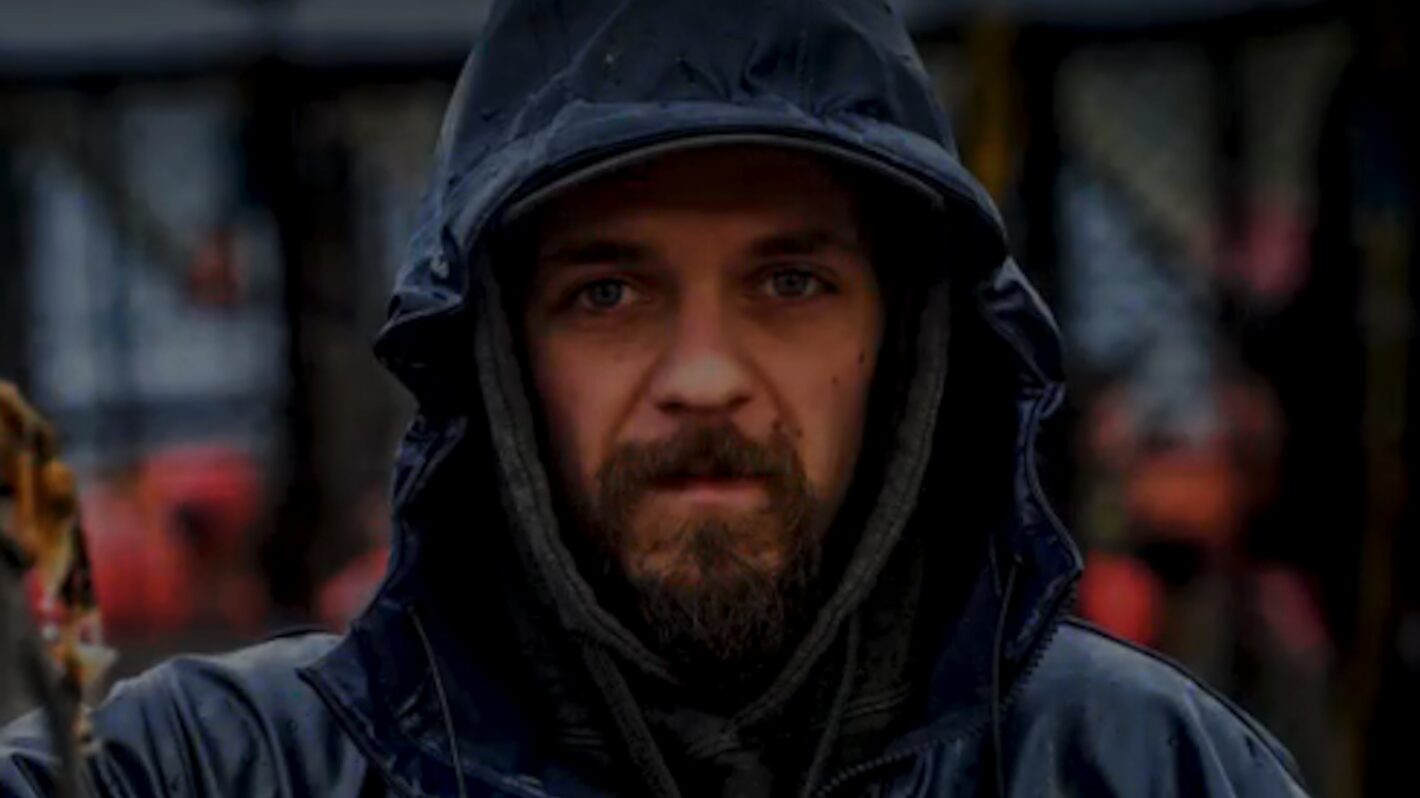
The long-running reality series Deadliest Catch returned to television for its historic twenty-first season, chronicling the grueling realities of commercial crab fishing in the treacherous waters of the Bering Sea. This milestone installment highlights deep-seated rivalries among veteran captains, severe regulatory quotas, and the unyielding dangers of maritime labor in extreme weather conditions.
The Legacy and Evolution of Deadliest Catch
Since its premiere on the Discovery Channel, Deadliest Catch has transformed from a niche documentary about commercial fisheries into a global television phenomenon. The series provides an unscripted look at the Bering Sea crab fisheries, capturing the physical tolls, mechanical failures, and financial pressures that define the lives of modern fishermen. Over the span of two decades, the industry has undergone massive transformations, shifting from wide-open derbies to strictly regulated individual fishing quota (IFQ) systems, while also grappling with shifting environmental realities that drastically alter crab migration patterns and population health.
Reaching the twenty-first season places the franchise in an elite tier of long-running cable television series. This longevity is driven by the dynamic personalities on the bridge and the deck, combined with the raw, unpredictable nature of the ocean. Captains such as Sig Hansen, Keith Colburn, and their contemporaries have become household names, while a new generation of skippers has stepped up to navigate the shifting economic and ecological landscape of modern crabbing.
Regulatory Realities and Ecological Challenges
The backdrop of season 21 is heavily defined by the ongoing struggle for stock health in Alaskan waters. For several years, state and federal wildlife managers have implemented strict closures and drastically reduced quotas for key species, most notably the Bristol Bay red king crab and snow crab (opilio) fisheries. These conservation measures are vital for preventing stock collapse, but they place immense financial strain on vessel owners, deckhands, and processing plants alike.
Captains must adapt quickly to these regulatory shifts, often having to travel farther, fish deeper, and diversify their target species to remain profitable. The operational costs—including fuel, bait, gear maintenance, and crew shares—remain exceptionally high, meaning that a single miscalculated string of pots can result in crippling financial losses. Season 21 details these high-stakes economic calculations, showing how skippers balance the imperative to bring home a profitable catch with the hard reality of depleted marine resources.
Key Captains and Fleet Dynamics
The enduring appeal of the show lies in its human element: the intense competition, camaraderie, and friction among the fleet. Season 21 continues to follow the established veterans alongside ambitious younger captains who are eager to carve out their own legacies in the Bering Sea.
- Captain Sig Hansen: Aboard the F/V Northwestern, Hansen brings decades of institutional knowledge to the helm. Facing both physical hurdles and fierce competition, he remains a central figure in driving the fleet forward.
- Captain Keith Colburn: Leading the F/V Wizard, Colburn is known for his intense management style and unwillingness to back down from a challenge, often pushing both his crew and his machinery to their absolute limits.
- The Next Generation: Captains like Sean Dwyer, Jake Anderson, and others represent the evolution of the fleet, blending traditional seamanship with modern technology, data analytics, and risk management strategies.
| Vessel Name | Primary Skipper | Noted Specialization & Challenges |
|---|---|---|
| F/V Northwestern | Sig Hansen | Long-term family legacy, tactical endurance in severe weather |
| F/V Wizard | Keith Colburn | High-capacity gear deployment, mechanical grit, competitive drive |
| F/V Saga | Associated Fleet Members | Adapting to quota restrictions, managing crew retention and safety |
| F/V Time Bandit | Johnathan Hillstrand / Family | Traditional fishing techniques balanced with modern regulatory compliance |
The Physical Toll and Safety Hazards
Commercial fishing remains one of the most dangerous civilian occupations in the world, a fact underscored in every episode of Deadliest Catch. The Bering Sea is notorious for hurricane-force winds, towering rogue waves, sub-zero temperatures, and sudden ice buildup that can destabilize a multi-ton vessel in minutes.
Season 21 does not shy away from documenting these hazards. Deckhands work grueling shifts of 18 to 20 hours in pitch-black, freezing conditions, handling heavy steel pots, snapping lines, and hydraulic winches that can cause catastrophic injuries instantly. The mental strain of isolation, sleep deprivation, and chronic physical pain is an ever-present theme, illustrating why crew turnover is high and why finding experienced, reliable deckhands is a constant struggle for every captain.
Production and Broadcasting Details
For viewers looking to follow the twentieth-first season, the primary broadcast home remains the Discovery Channel, with episodes also made available for streaming through platforms like Max (formerly HBO Max), Discovery+, and various digital storefronts including Amazon Prime Video and Apple TV.
The production team faces extraordinary risks to capture the footage, embedding camera crews directly onto the pitching, rolling decks of the crab boats. These embedded videographers and producers endure the same freezing spray, sleep deprivation, and physical danger as the fishermen, utilizing specialized weather-sealed equipment to document the action without compromising vessel safety.
Frequently Asked Questions
Is Deadliest Catch scripted or reenacted?
No, the series is an unscripted documentary. While production teams help shape the narrative in post-production to maintain viewer engagement, the dangerous conditions, mechanical breakdowns, injuries, and financial stakes experienced by the captains and crew are entirely real.
How have crab populations affected the show's focus?
Severe declines in red king crab and snow crab populations led to historic fishery closures in recent years. As a result, the fleet has had to pivot toward alternative species, explore new fishing grounds, and navigate stricter quotas, which has fundamentally changed how the captains operate.
Are the captains on Deadliest Catch actual commercial fishermen?
Yes, all featured captains own or operate commercial fishing vessels and make their primary living through commercial harvesting. The show documents their actual livelihoods, financial investments, and operational decisions during the active fishing seasons.
How dangerous is commercial fishing in the Bering Sea?
Commercial fishing in the Bering Sea consistently ranks among the most hazardous jobs globally. Factors such as freezing spray that causes vessel icing, frigid water temperatures with rapid onset hypothermia, and heavy deck machinery present constant, life-threatening risks.
Where can I stream past and current seasons of Deadliest Catch?
Current and past seasons are available on the Discovery Channel, streaming services like Discovery+ and Max, and digital purchase platforms such as Amazon Prime Video, Google Play, and Apple TV. Availability may vary depending on regional licensing agreements.
Next Steps for Viewers and Fans
To fully appreciate the scope of the twenty-first season, viewers should familiarize themselves with the current regulatory environment managed by the Alaska Department of Fish and Game and the National Marine Fisheries Service. Understanding catch limits, conservation science, and the economics of commercial seafood harvesting provides valuable context for the dramatic decisions made on the water. Check local television listings or streaming platform schedules to catch new episodes and related specials documenting the ongoing saga of the Bering Sea fleet.