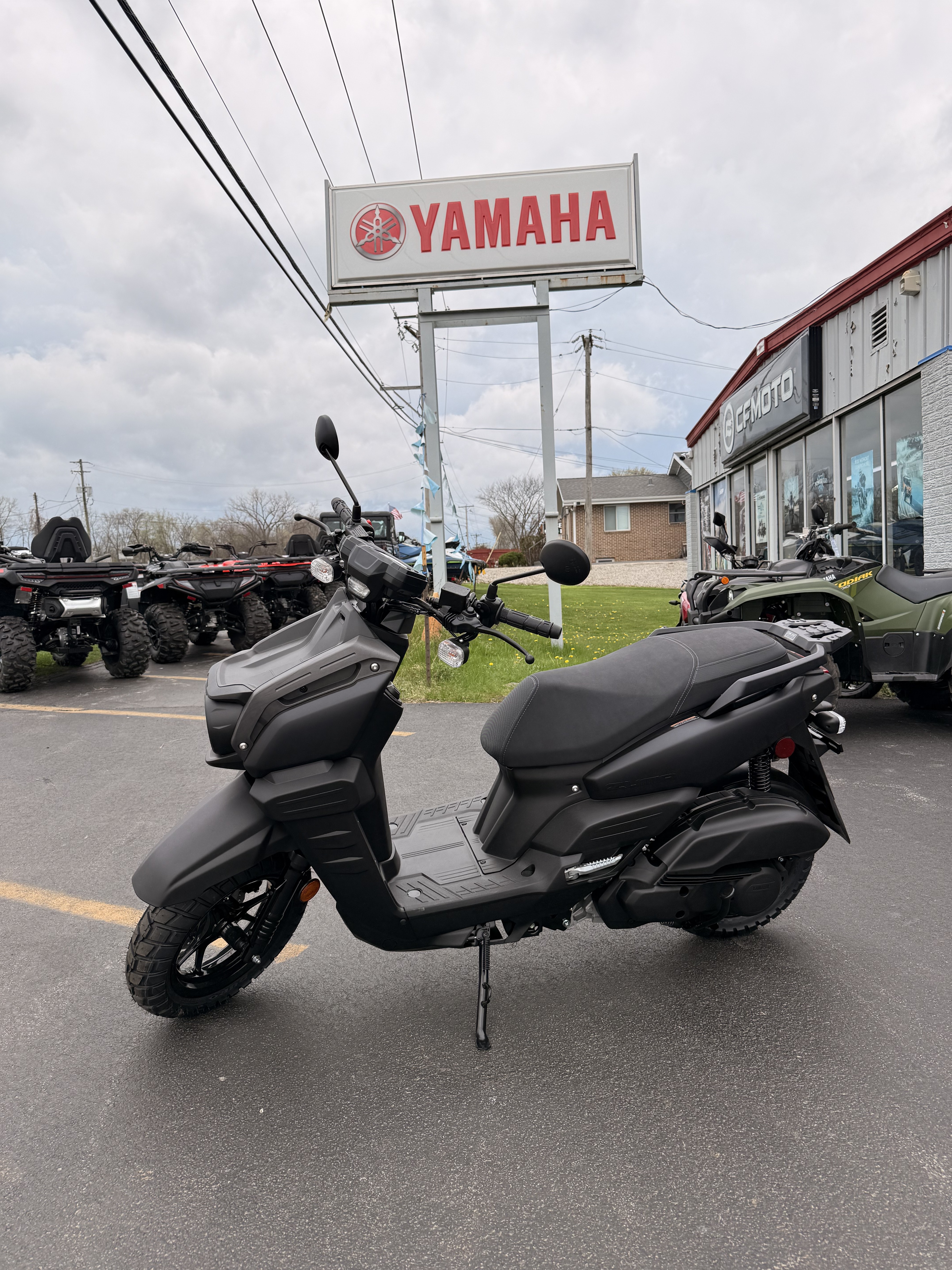
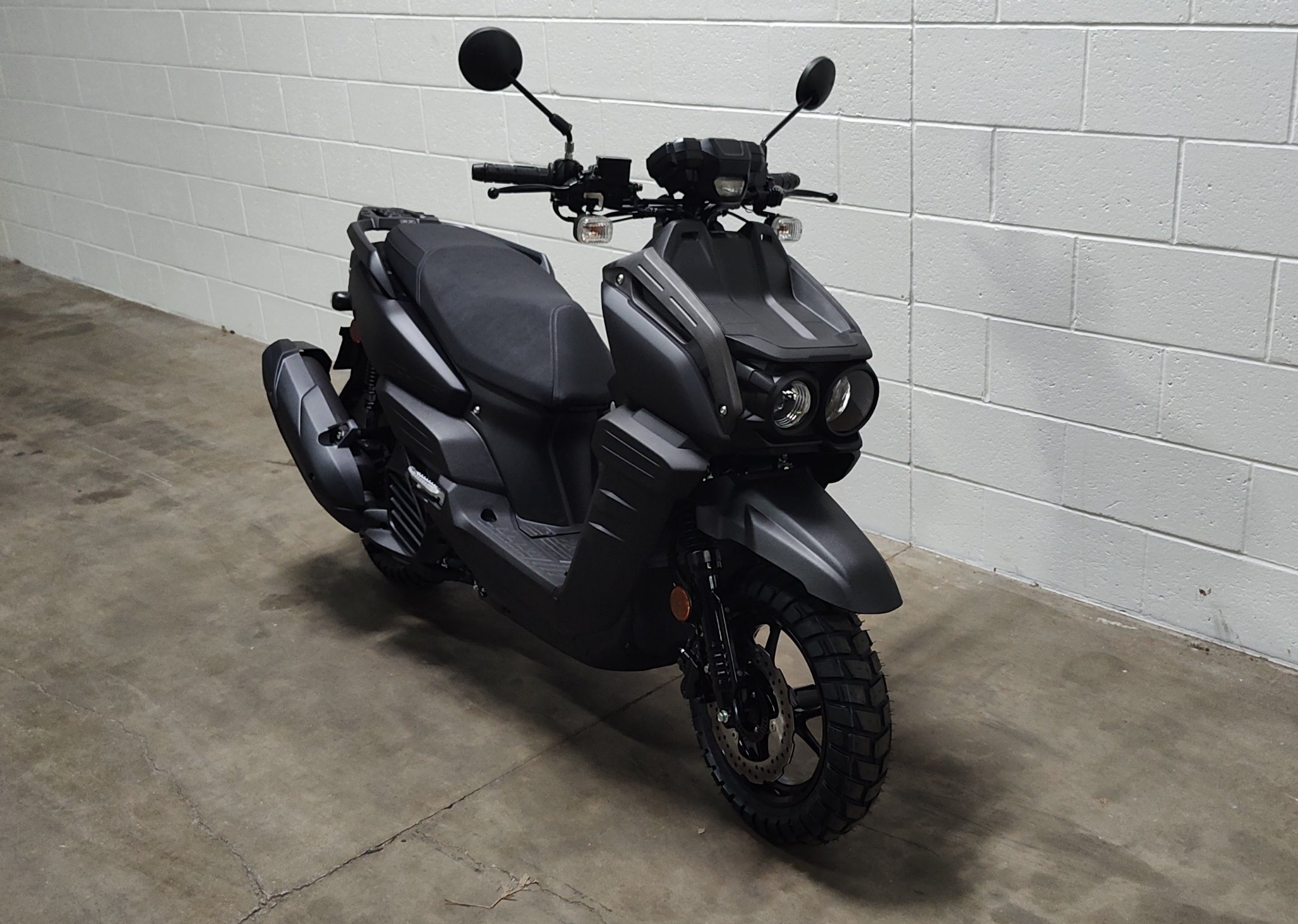
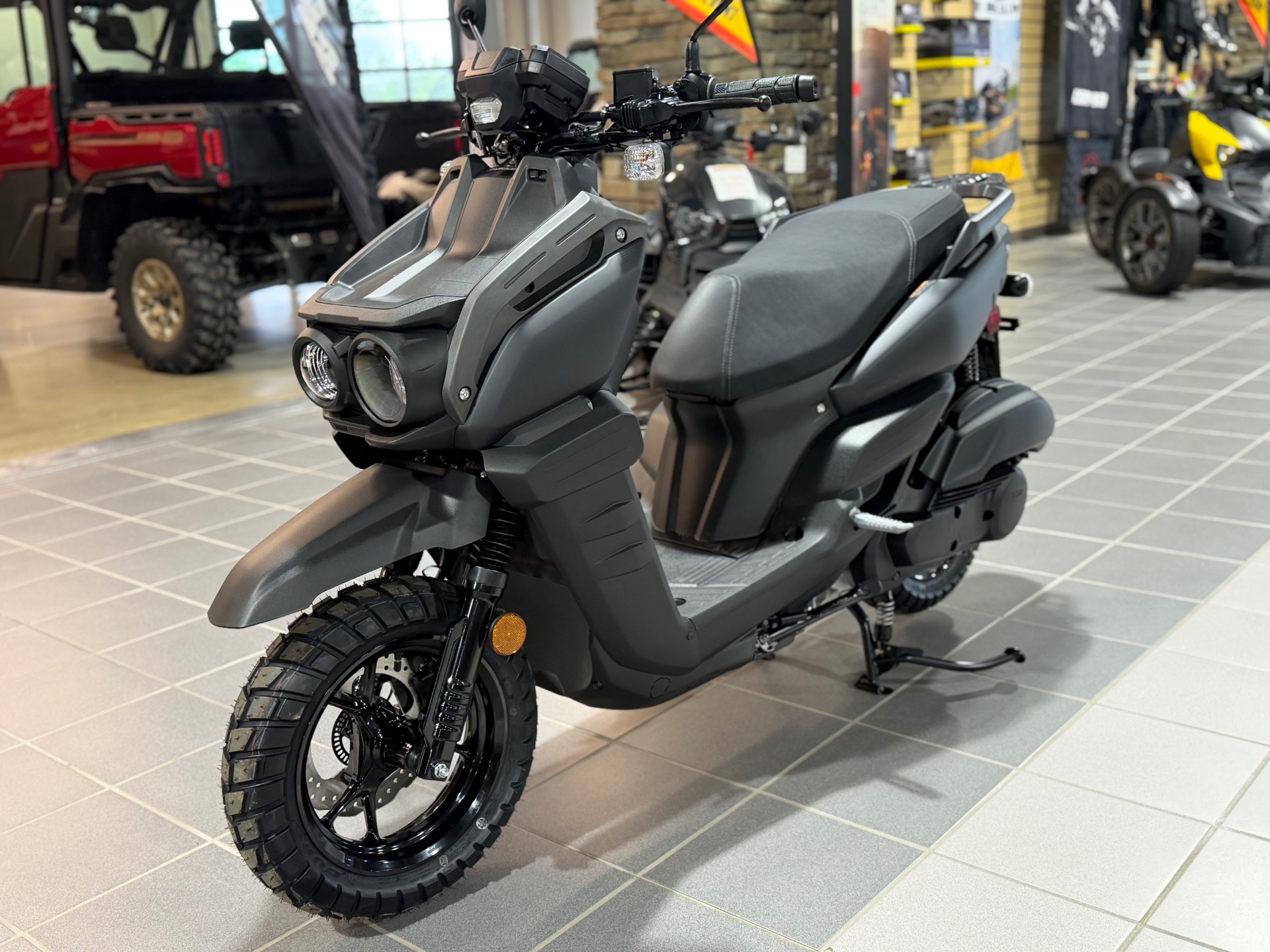
The 2023 Yamaha Zuma 125 debuted with a rugged, off-road-inspired design, a completely redesigned frame, a fuel-efficient liquid-cooled four-stroke engine featuring Variable Valve Actuation (VVA), and updated utility features tailored for both urban commuting and light adventure riding.
Introduction to the 2023 Yamaha Zuma 125
When Yamaha introduced the Zuma 125 for the 2023 model year, the manufacturer aimed squarely at riders seeking a blend of rugged styling, everyday practicality, and approachable urban mobility. Known historically for its distinctive dual headlights, chunky tires, and upright riding position, the Zuma line has carved out a unique niche in the American scooter market. Rather than sticking to a purely retro or traditional European scooter aesthetic, the Zuma embraces an adventure-styled, utilitarian ethos.
The 2023 release marked a significant evolution from previous generations, bringing a fresh chassis design, a more modern powertrain, and enhanced ergonomics. For commuters navigating congested city streets, college students traversing sprawling campuses, and weekend explorers looking for a nimble machine capable of handling gravel and rough pavement, the updated Zuma 125 presented a compelling package. This article provides a comprehensive look at the specifications, design philosophy, mechanical performance, and practical ownership considerations of the 2023 Yamaha Zuma 125.
Design Philosophy and Rugged Styling
The visual identity of the Yamaha Zuma has always set it apart from standard urban runabouts, and the 2023 model doubles down on this adventurous character. Yamaha designed the machine with a tougher, more aggressive look that communicates durability and readiness for unpredictable road conditions.
At the front, the asymmetrical dual headlights feature protective projector-style housings, giving the scooter an industrial, dual-sport motorcycle appearance. A rugged handlebar cover, exposed steel handlebar tubes, and rugged hand guards (available or easily adaptable as accessories) reinforce the utilitarian theme. The bodywork incorporates textured, scratch-resistant plastic panels in high-wear areas, reducing the likelihood of noticeable cosmetic damage from minor scuffs, parking mishaps, or light brush contact during off-pavement excursions.
Ergonomically, the chassis accommodates a wide range of rider heights. The flat footboard design provides ample room for foot placement or securing cargo between the rider's feet, while the stepped seat offers a comfortable perch for both the operator and a passenger. The upright seating position ensures excellent forward visibility in heavy traffic, reducing rider fatigue during extended urban commutes.
Engine and Powertrain Specifications
Beneath the rugged exterior lies a sophisticated modern powerplant. The 2023 Yamaha Zuma 125 is driven by a 125cc, liquid-cooled, four-stroke, single-cylinder engine featuring a single overhead camshaft (SOHC) and four valves. This engine represents a major technological leap over earlier air-cooled Zuma iterations.
Variable Valve Actuation (VVA) Technology
A standout feature of the 2023 Zuma 125 engine is Yamaha’s proprietary Variable Valve Actuation (VVA) system. VVA addresses a common engineering compromise in small-displacement engines: balancing low-end grunt for quick acceleration from a stop with top-end power for sustained speeds on open roads.
The system utilizes two different intake cam profiles that switch automatically depending on engine speed (RPM). At lower engine speeds, a cam profile optimized for strong low- and mid-range torque engages, ensuring snappy throttle response away from traffic lights. As engine speed climbs into higher RPM ranges, the system shifts to a high-lift cam profile, allowing more fuel-air mixture into the combustion chamber and producing better pulling power at higher velocities. This results in a broad, linear power band that makes the scooter feel much faster and more responsive than its displacement might suggest.
Fuel Delivery and Efficiency
Fueling the engine is a precise electronic fuel injection (FI) system paired with a clean-burning catalytic converter setup. This combination ensures crisp throttle response regardless of altitude or ambient temperature while complying with strict emissions standards.
Fuel economy is one of the primary selling points of the Zuma 125. Real-world testing and manufacturer specifications consistently place fuel consumption in the range of approximately 100 miles per gallon (mpg). With a fuel tank capacity of 1.6 gallons, the scooter offers an impressive operational range between fill-ups, making it an exceptionally economical choice for daily transportation.
Chassis, Suspension, and Braking Systems
Handling and ride comfort are crucial for a scooter designed to tackle both pothole-ridden city streets and unpaved backroads. Yamaha engineered a completely revised steel-tube frame for the Zuma 125 to improve rigidity and stability without sacrificing agility.
Suspension Setup
The front end utilizes a telescopic fork with generous wheel travel, housed within rugged outer protective boots that shield the inner stanchions from dust, dirt, and debris. At the rear, a dual shock absorber setup provides balanced damping performance. The suspension tuning strikes a balance between firm control for cornering and compliance for absorbing harsh impacts from rough pavement, expansion joints, and dirt paths.
Wheels and Tires
The Zuma rolls on robust cast aluminum wheels wrapped in chunky, block-pattern tires. These dual-sport tires provide reliable grip across a variety of surfaces, including wet asphalt, gravel, dirt, and sand. The aggressive tread pattern not only enhances the bike's adventure aesthetic but also delivers genuine functional benefits when traction is less than ideal.
Braking System with Unified Braking System (UBS)
Stopping power is delivered by hydraulic disc brakes at both the front and rear—specifically, a 245mm front wave-style disc and a 230mm rear disc. To assist newer riders and improve safety in panic-stop situations, Yamaha equipped the 2023 Zuma 125 with a Unified Braking System (UBS).
When the rider applies the rear brake lever, the UBS applies a moderate amount of braking force to the front wheel simultaneously. Pulling the front brake lever operates the front brake independently. This linked system helps distribute braking forces more evenly, reducing the likelihood of rear-wheel lockup on slippery surfaces.
| Feature | 2023 Yamaha Zuma 125 Specification |
|---|---|
| Engine Type | 125cc liquid-cooled SOHC 4-stroke; 4 valves |
| Fuel Delivery | Fuel Injection with VVA (Variable Valve Actuation) |
| Transmission | Automatic V-Belt (CVT) |
| Fuel Economy | Approx. 100 MPG |
| Fuel Capacity | 1.6 gallons |
| Front Suspension | Telescopic fork |
| Rear Suspension | Dual shocks |
| Brakes | Front hydraulic disc (245mm) / Rear hydraulic disc (230mm) with UBS |
| Seat Height | 30.9 inches |
| Wet Weight | 282 lbs |
Practicality, Storage, and Technology
A utility scooter must offer practical solutions for daily hauling and convenience, and the 2023 Zuma 125 delivers several thoughtful features designed to simplify the rider's routine.
Under-Seat Storage and Cargo Capacity
Beneath the locking seat lies a spacious storage compartment large enough to accommodate most full-face helmets or a backpack filled with groceries, books, or gear. For security, the storage tub is deep and well-sealed against moisture.
In addition to the under-seat bay, the Zuma features an open front storage pocket located on the inner leg shield, equipped with a built-in USB charging port. This allows riders to keep their smartphones, action cameras, or GPS units powered up on the go. A sturdy fold-out luggage hook on the front console provides a convenient spot to secure grocery bags or a gym bag between the rider's feet.
Instrumentation and Lighting
The rider cockpit centers around an easy-to-read LCD instrument panel. The digital display provides essential operational data, including a speedometer, fuel gauge, odometer, trip meter, clock, and VVA indicator status. The clear layout ensures that riders can quickly check vital statistics at a glance without being distracted from the road.
Lighting-wise, the machine utilizes efficient halogen bulbs for the headlights and distinct tail lamp configurations, providing good visibility to surrounding traffic during both day and night riding conditions.
Comparative Positioning in the Scooter Market
Evaluating the 2023 Yamaha Zuma 125 requires looking at how it compares to other options in the sub-150cc scooter segment. Traditional urban commuters, such as the Vespa Primavera 150 or Honda PCX150, focus heavily on sleek European styling, large under-seat storage, and high-speed highway cruising capability.
Conversely, the Zuma 125 carves out a distinct identity by prioritizing ruggedness, versatility, and rough-road capability over sleek elegance. While traditional scooters excel on smooth asphalt, they can feel delicate when faced with dirt paths, gravel, or deeply rutted city streets. The Zuma’s block-tread tires, robust body cladding, and upright handlebar arrangement give it an undeniable edge in utility and durability.
However, prospective buyers should note performance distinctions. While the Zuma 125 handles city boulevards, suburban streets, and secondary roads with ease, its top speed is generally limited to around 60–65 mph, meaning it is not suited for sustained high-speed interstate highway travel. Riders whose daily commutes require fast highway miles should look toward larger-displacement maxi-scooters or motorcycles.
Ownership Considerations, Maintenance, and Costs
Owning a modern fuel-injected scooter like the Zuma 125 is generally straightforward, cost-effective, and low-maintenance. Understanding the ownership requirements helps ensure long-term reliability and satisfaction.
Licensing and Insurance Requirements
Because of its 125cc displacement, the Zuma 125 cannot be operated on a standard driver's license in most jurisdictions without a motorcycle endorsement or scooter-specific license. Buyers should verify local Department of Motor Vehicles (DMV) regulations regarding licensing tests and safety courses. Similarly, mandatory insurance coverage is required in most regions, though annual premiums are typically modest compared to full-size motorcycles or automobiles.
Maintenance Schedule
Routine maintenance tasks for the Zuma 125 are minimal and well within the capability of DIY enthusiasts or local service shops:
- Oil Changes: Regular engine oil and oil filter replacements every few thousand miles keep the liquid-cooled SOHC engine running smoothly.
- CVT Transmission Inspection: Periodic checking of the V-belt, rollers, and clutch components ensures optimal power transfer and prevents unexpected breakdowns.
- Tire and Brake Checks: Inspecting tire tread depth, block-pattern wear, and brake pad thickness is essential for maintaining safety across diverse surfaces.
- Air Filter Cleaning: Given the bike's off-road potential, the air filter should be inspected and cleaned regularly, especially after riding in dusty or sandy environments.
Frequently Asked Questions
Can the 2023 Yamaha Zuma 125 be ridden on the highway?
No. While the Zuma 125 is capable of reaching speeds around 60 to 65 mph, this is generally insufficient for safe travel on high-speed interstate highways where traffic flows at 70 mph or higher. It is best suited for city streets, suburban avenues, and rural backroads.
What kind of fuel economy does the Zuma 125 get?
The 2023 Yamaha Zuma 125 achieves approximately 100 miles per gallon (mpg) under normal riding conditions. Combined with its 1.6-gallon fuel tank, this provides an extensive riding range before requiring a refill.
Does the Zuma 125 require a motorcycle license?
In most states and countries, yes. Because the engine displacement is 125cc, it exceeds the lower threshold (typically 49cc or 50cc) allowed on a standard driver's license. Riders usually need a motorcycle endorsement or a dedicated scooter license.
Is the Zuma 125 good for off-road riding?
The Zuma 125 features rugged dual-sport tires, upright ergonomics, and protective body cladding, making it well-suited for light unpaved adventures such as gravel roads, hard-packed dirt trails, and campground paths. However, it is not designed for heavy, technical off-road dirt bike riding or deep mud.
How much storage space is available on the Zuma 125?
The scooter features a locking under-seat storage compartment capable of holding most full-face helmets or everyday cargo, supplemented by an open front pocket with a USB charging port and a convenient bag hook on the inner leg shield.
Conclusion and Next Actions
The 2023 Yamaha Zuma 125 successfully bridges the gap between practical urban transportation and rugged adventure styling. With its updated liquid-cooled engine, Variable Valve Actuation (VVA), robust chassis, and exceptional fuel economy of around 100 mpg, it stands out as one of the most versatile small-displacement scooters on the market.
For prospective buyers, the next logical step is to visit a local Yamaha dealership to sit on the machine, evaluate the 30.9-inch seat height, and check local availability. Additionally, riders should review regional licensing requirements and budget for appropriate riding gear, including a DOT-approved helmet, gloves, and protective outerwear, to ensure a safe and enjoyable riding experience.