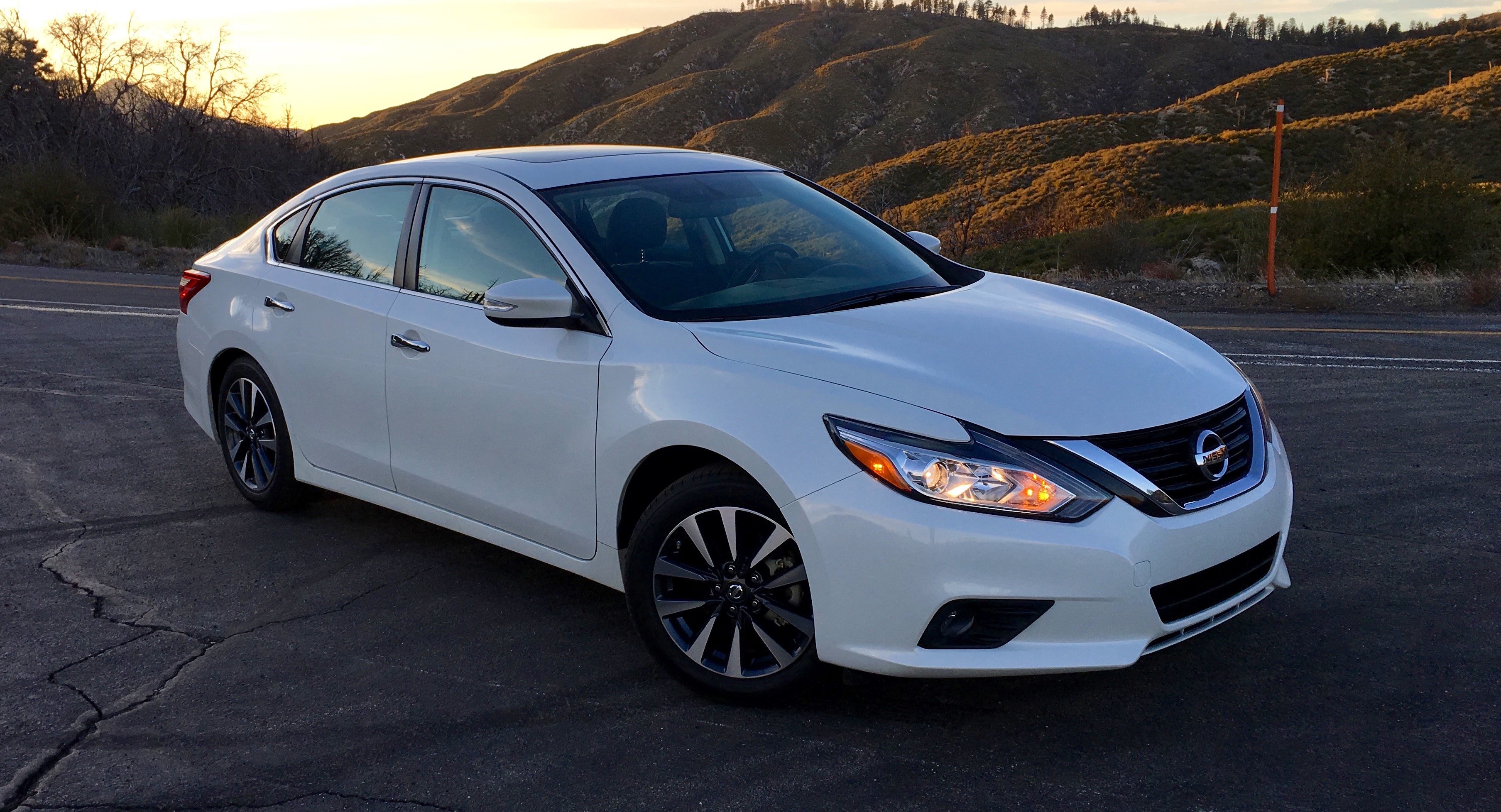
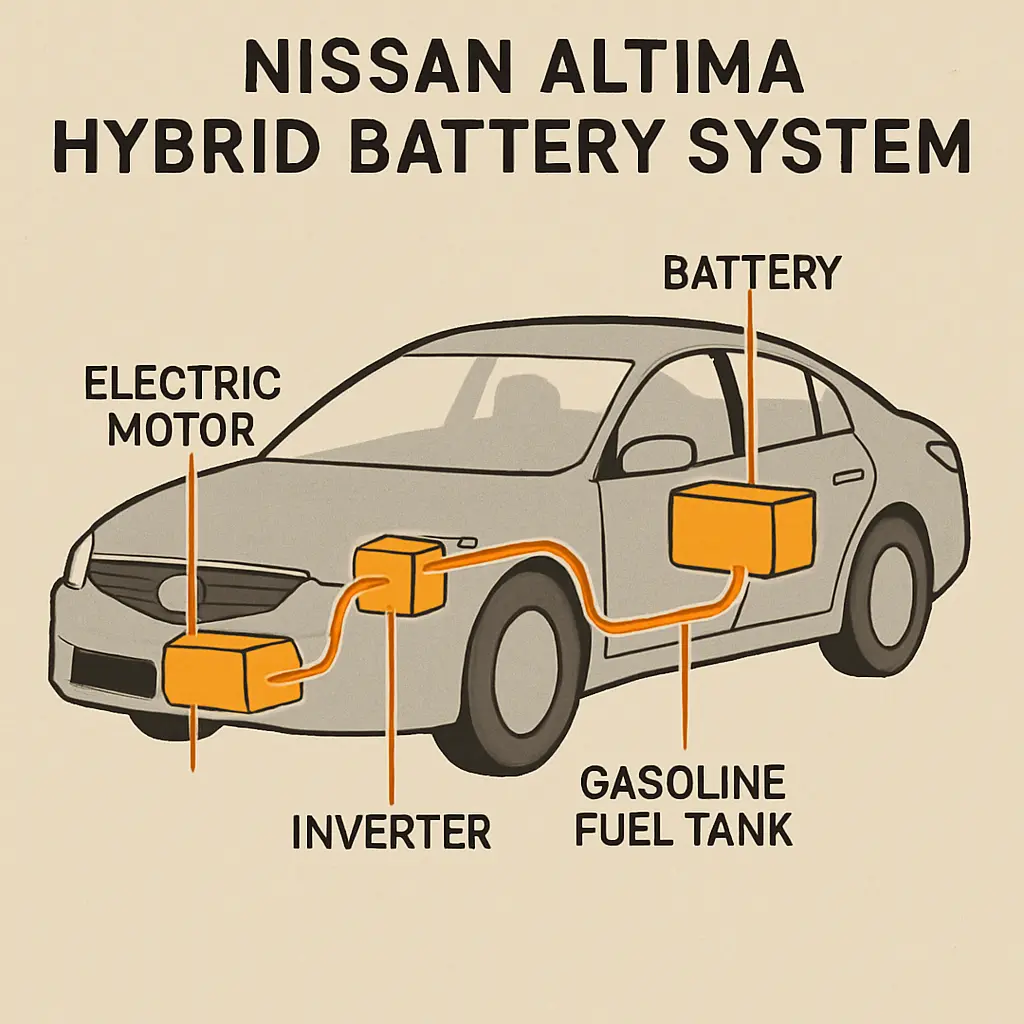
The 2016 Nissan Altima most commonly requires a Group Size 35 battery, though some trims may accommodate a Group Size 24F. For optimal performance, look for a battery with at least 550 to 625 Cold Cranking Amps (CCA). Selecting a high-quality Absorbed Glass Mat (AGM) or enhanced flooded battery ensures reliable starting and supports the vehicle's electronic systems.
The battery is the heart of your 2016 Nissan Altima’s electrical system. It provides the initial surge of current needed to engage the starter motor and acts as a stabilizer for the voltage flowing through the vehicle’s sensitive onboard computers. As we move through 2026, many 2016 Altima models are now on their third or even fourth battery cycle, making it essential to understand the specific requirements and maintenance needs of this mid-size sedan.
Understanding Technical Specifications for the 2016 Altima
When shopping for a replacement battery, three primary metrics determine whether a unit is compatible with your 2016 Nissan Altima: Group Size, Cold Cranking Amps (CCA), and Reserve Capacity (RC).
Battery Group Size
The "Group Size" refers to the physical dimensions of the battery and the placement of the terminals. The 2016 Altima is designed with a specific battery tray and hold-down bracket. Using the wrong group size can lead to a loose battery, which causes internal plate damage due to vibration, or terminals that are too close to the hood, risking an electrical short.
- Group 35: This is the standard size for most 2.5L four-cylinder Altima models. It fits perfectly in the factory tray.
- Group 24F: Occasionally found in the 3.5L V6 variants or used as an "up-size" option, this battery is slightly longer and offers more capacity but requires verifying that the cables have enough slack to reach the terminals.
Cold Cranking Amps (CCA)
CCA measures a battery's ability to start an engine in cold temperatures (specifically, the number of amps a 12-volt battery can deliver at 0°F for 30 seconds while maintaining at least 7.2 volts).
- Standard Requirement: 550 CCA is the baseline for the Altima.
- High-Performance Requirement: If you live in a northern climate, upgrading to a 640 or 700 CCA battery provides an extra margin of safety during harsh winters.
Reserve Capacity (RC)
Reserve Capacity indicates how many minutes the battery can supply 25 amps of power before the voltage drops below 10.5V. This is crucial if your alternator fails or if you frequently use electronics (like the infotainment system) while the engine is off. A higher RC generally correlates with a longer-lasting battery.
Choosing the Right Battery Type: AGM vs. Flooded
As of 2026, the automotive aftermarket offers two primary technologies for the Altima: Traditional Lead-Acid (Flooded) and Absorbed Glass Mat (AGM).
Traditional Flooded Batteries
These are the standard batteries that have been in use for decades. They contain liquid electrolyte (acid) and are generally the most affordable option.
- Pros: Lower upfront cost; widely available; proven reliability for standard driving.
- Cons: Susceptible to vibration; requires more maintenance; shorter lifespan (typically 3–5 years).
Absorbed Glass Mat (AGM) Batteries
AGM batteries use a fiberglass mat to "soak up" the electrolyte. This makes them spill-proof and more robust.
- Pros: Better vibration resistance; faster charging; longer cycle life (typically 5–8 years); superior performance for vehicles with many electronic accessories.
- Cons: Higher initial cost (often 40–60% more expensive than flooded units).
For a 2016 Altima, which features a variety of electronic safety suites and infotainment options, an AGM battery is often the recommended upgrade to ensure the voltage remains stable and the battery survives the heat soak common in modern engine bays.
Signs of Battery Failure in a 2016 Altima
The 2016 Altima is known for specific "symptoms" when the battery begins to lose its chemical potency. Recognizing these early can prevent you from being stranded.
- Slow Engine Crank: When you press the "Push to Start" button, the engine may turn over sluggishly, taking several seconds longer than usual to catch.
- Dimming Lights: You may notice the headlights or interior dashboard lights flickering or dimming when you use other electronics, such as power windows or the seat heaters.
- Dashboard Warning Lights: The battery icon (red) may illuminate, or you may see "Check System" errors. Interestingly, a failing battery can sometimes trigger unrelated lights, such as the ABS or Traction Control lights, due to low voltage to those sensors.
- The "Clicking" Sound: If the battery is completely discharged, you will hear a rapid clicking sound when trying to start the car. This is the starter solenoid engaging but failing to receive enough current to turn the flywheel.
- Swollen Battery Case: Visual inspection is key. If the sides of the battery look bloated or "pregnant," it has likely been overcharged or exposed to extreme heat and needs immediate replacement.
2026 Market Overview: Costs and Brands
Pricing for car batteries has stabilized in 2026, though high-lead prices continue to influence the bottom line. Below is a comparison of common options for a 2016 Nissan Altima.
| Brand & Model | Type | CCA | Estimated Price (2026) | Warranty |
|---|---|---|---|---|
| Interstate MTP-35 | Flooded | 640 | $165 - $185 | 30-Month Replacement |
| Optima RedTop 35 | AGM | 720 | $260 - $290 | 36-Month Replacement |
| DieHard Platinum AGM | AGM | 650 | $220 - $240 | 48-Month Replacement |
| Duralast Gold 35-DLG | Flooded | 640 | $175 - $195 | 36-Month Replacement |
| ACDelco Gold B24R | Flooded | 410 | $140 - $160 | 24-Month Replacement |
Note: Prices include a "core charge" (typically $15-$25), which is refunded when you return your old battery for recycling.
Step-by-Step Replacement Guide for 2016 Nissan Altima
Replacing the battery in a 2016 Altima is a straightforward DIY task that requires basic tools and about 20 to 30 minutes.
Required Tools
- 10mm socket or wrench (most Nissan battery terminals and brackets use this size).
- Battery terminal cleaning tool or wire brush.
- Work gloves and safety glasses.
- Battery memory saver (optional but recommended to keep radio presets and idle trim settings).
Removal Procedure
- Safety First: Ensure the engine is off and the parking brake is engaged. Wear eye protection to guard against acid spray.
- Identify Terminals: The negative terminal is usually black and marked with a minus (-) sign. The positive terminal is red and marked with a plus (+) sign.
- Disconnect the Negative Cable: Use your 10mm wrench to loosen the nut on the negative (black) terminal first. Pull the cable off and tuck it to the side so it cannot touch the post. Always disconnect negative first to prevent accidental short circuits.
- Disconnect the Positive Cable: Loosen the nut on the positive (red) terminal and remove the cable.
- Remove the Hold-Down Bracket: Unscrew the two long bolts holding the cross-bar over the battery. Lift the bracket out.
- Lift the Old Battery: Carefully lift the battery out of the engine bay. These weigh between 30 and 45 pounds, so use proper lifting form.
Installation Procedure
- Clean the Tray: Clear out any debris or corrosion from the plastic battery tray.
- Clean the Connectors: Use a wire brush to scrub the inside of the cable connectors until they are shiny.
- Position the New Battery: Lower the new battery into the tray, ensuring the positive and negative posts are oriented exactly like the old one.
- Secure the Bracket: Reinstall the hold-down bracket. It should be snug enough that the battery doesn't move when shaken, but don't over-tighten, as you could crack the battery casing.
- Connect the Positive Cable: Attach the positive (red) cable first and tighten the 10mm nut.
- Connect the Negative Cable: Attach the negative (black) cable last. You may see a small spark; this is normal.
- Apply Protector: (Optional) Apply a thin layer of terminal grease or anti-corrosion spray to the posts.
Maintenance for Battery Longevity
To ensure your 2016 Altima battery lasts its full rated life, follow these maintenance tips:
- Check the Alternator Voltage: A healthy alternator should charge the battery at approximately 13.8 to 14.4 volts while the engine is running. If it is significantly higher or lower, the battery will fail prematurely.
- Keep it Clean: Acid fumes can cause white, powdery corrosion (lead sulfate) to build up on the terminals. This creates resistance and prevents the battery from charging. Periodically clean terminals with a mixture of baking soda and water.
- Tighten the Hold-Down: Vibrations are the silent killer of car batteries. Every time you change your oil, give the battery a quick wiggle to ensure the bracket is still tight.
- Avoid Short Trips: Driving only 5 minutes at a time doesn't give the alternator enough time to replenish the energy used to start the engine. If you only drive short distances, consider using a battery tender or maintainer once a month.
Troubleshooting Common Electrical Issues
Sometimes, the battery isn't the problem. If you replace the battery and still experience issues, consider these factors:
Parasitic Draw
Modern Altimas have several modules that remain "awake" even when the car is off. If a module (like the security system or an aftermarket remote start) malfunctions, it can drain the battery overnight. A technician can perform a parasitic draw test to see how many milliamps the car pulls while off.
The Intelligent Battery Sensor (IBS)
The 2016 Altima uses a sensor on the negative terminal to monitor battery health and temperature. If this sensor is damaged or disconnected, the alternator may not charge the battery correctly. Ensure the small wire harness leading to the negative terminal is intact.
Key Fob Battery
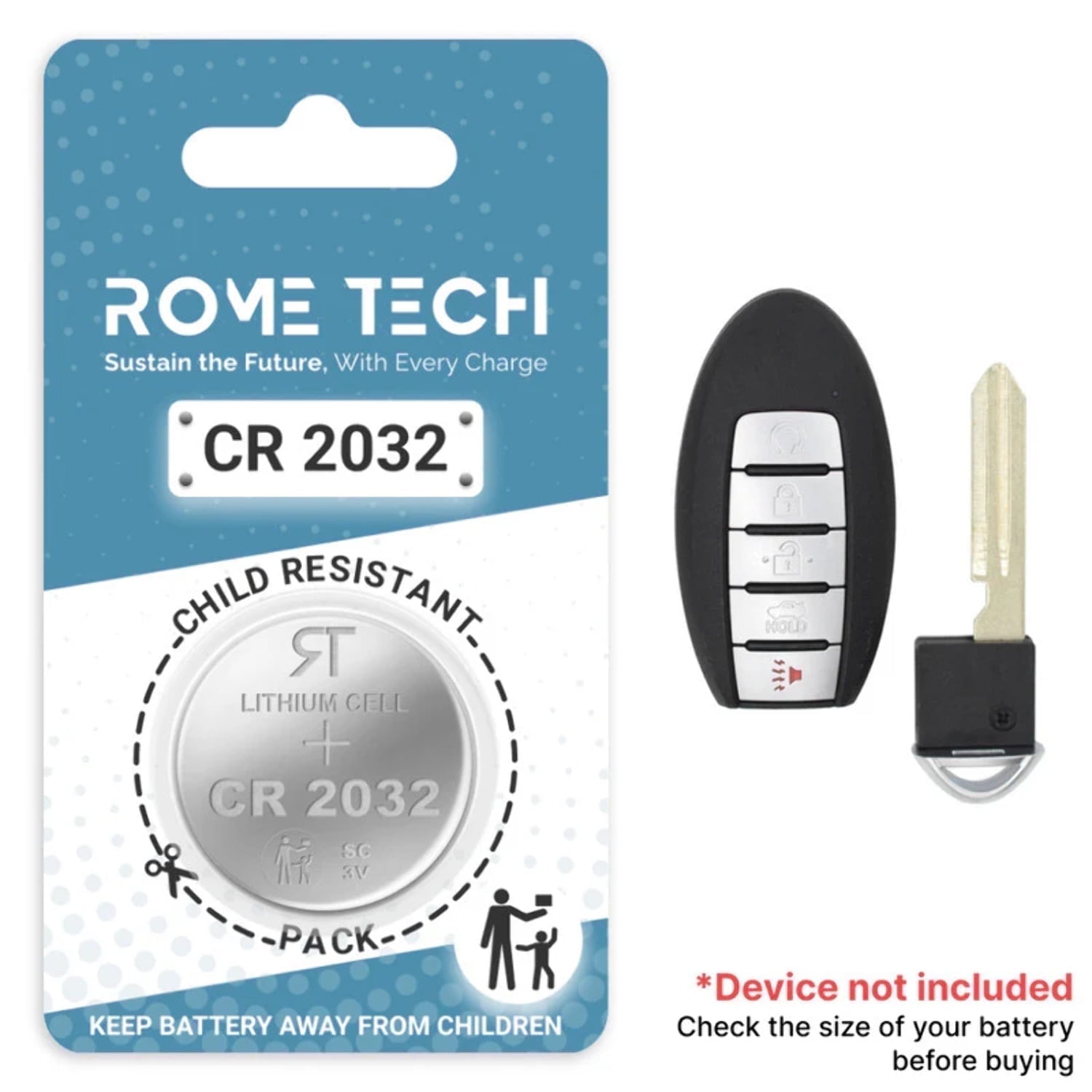
Occasionally, a "No Key Detected" message or a failure to start is actually caused by a dead CR2032 battery inside the key fob, not the car battery itself. If the car won't start but the lights are bright and the horn is loud, check the fob first.
Frequently Asked Questions
How long should a battery last in a 2016 Nissan Altima?
In moderate climates, you can expect a standard flooded battery to last 3 to 5 years. In extreme heat (like Arizona or Florida), that lifespan often drops to 2 to 3 years. AGM batteries typically offer a 30-50% longer lifespan under the same conditions.
Can I use a Group 24F battery instead of a Group 35?
Yes, a Group 24F will usually fit in the 2016 Altima tray. It is slightly larger and often has higher CCA and Reserve Capacity. However, you must ensure the battery cables are long enough to reach the terminals comfortably without being under tension.
Do I need to "register" the battery to the car's computer?
Unlike some European luxury vehicles (BMW/Audi), the 2016 Nissan Altima does not require a formal battery registration or "coding" process using a scan tool. The Intelligent Battery Sensor will eventually recalibrate itself to the new battery’s state of charge after several drive cycles.
Why does my Altima idle roughly after changing the battery?
When the battery is disconnected, the Engine Control Module (ECM) loses its "learned" idle data. For the first few miles, the car may idle lower than normal or feel slightly different. This is normal and the computer will relearn the correct parameters within 20-50 miles of driving.
Is it safe to jump-start a 2016 Altima?
Yes, but you must follow the correct order: Positive to Positive, then Negative on the booster car to a solid metal ground (like a bolt on the engine block) on the dead Altima. Do not connect the negative cable directly to the dead battery's negative terminal if possible, as this can theoretically damage the sensitive IBS sensor.
Practical Recommendation
If you are replacing your 2016 Nissan Altima battery in 2026, the best balance of value and performance is a Group 35 AGM battery. While the initial cost is higher, the resistance to heat and vibration—combined with the power demands of the Altima’s electrical systems—makes it a more reliable choice than standard flooded batteries. If you live in a mild climate and are on a budget, a high-quality Lead-Acid battery with at least a 3-year warranty will suffice. Always remember to recycle your old battery at the point of purchase to reclaim your core charge and protect the environment.