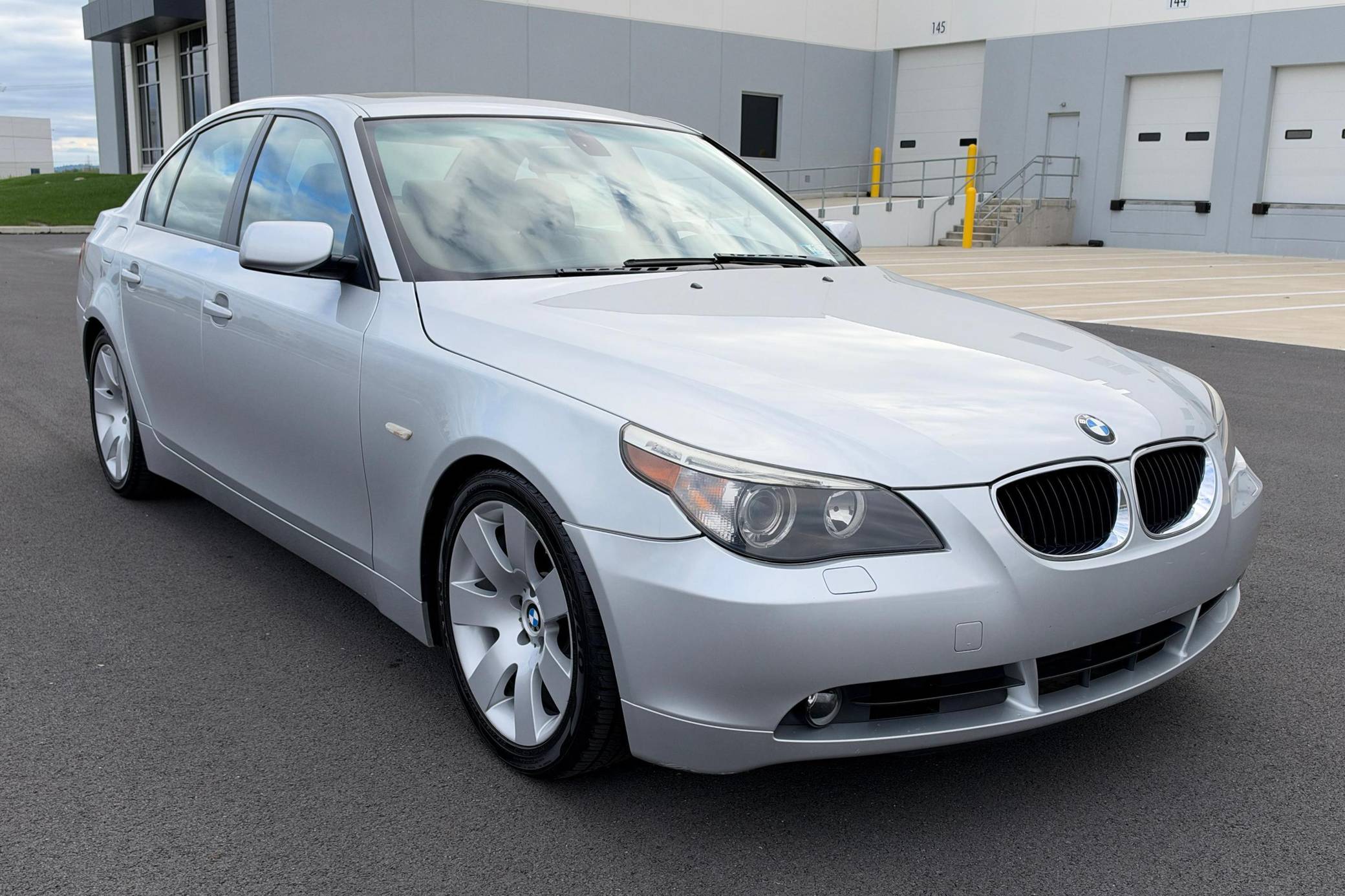
The 2004 BMW 5 Series 530i Sedan 4 Door is a pivotal luxury midsize vehicle representing the debut year of the controversial yet highly influential E60 generation, featuring a 3.0-liter inline-six engine, rear-wheel drive, and a blend of Chris Bangle-styled exterior design with early digital cabin architecture.
The 2004 model year marks the entry of the fourth-generation 5 Series successor into North America and global markets, bringing a dramatic design departure from the classic E39 era. For prospective buyers, enthusiasts, and current owners in 2026, understanding the intricate mechanical baseline, common vulnerabilities, maintenance realities, and driving dynamics of this specific four-door sedan is essential for making informed ownership decisions. This guide explores every major facet of the 2004 BMW 530i, detailing its engineering specifications, ownership costs, and long-term viability as a modern classic.
Evolution and Design Context of the E60 Generation
The introduction of the E60 5 Series for the 2004 model year changed the design language of BMW forever. Penned under the direction of Chris Bangle, the vehicle adopted "flame surfacing," characterized by convex and concave sheet metal intersections, sharp crease lines, and expressive headlight clusters that earned the moniker "angel eyes."
While polarizing upon its initial release, the E60 design has aged into a distinct aesthetic of the 2000s luxury landscape. The 530i sat squarely in the middle of the North American lineup, positioned above the entry-level 525i and below the V8-powered 545i. Unlike the heavier V8 variants, the 530i utilized an aluminum-intensive front end mated to a steel passenger cell, resulting in a balanced weight distribution that preserved the agile handling characteristics expected from a BMW sport sedan.
Cabin architecture within the 2004 530i introduced the first generation of iDrive, an integrated control system designed to reduce dashboard button clutter. Utilizing a central dashboard screen and a console-mounted controller knob, early iDrive systems managed climate control, audio settings, vehicle status menus, and optional navigation. While modern drivers are accustomed to screen-centric interfaces, the CCC (Car Communication Computer) unit in the 2004 model is frequently scrutinized for its processing speed and early-generation complexity.
Technical Specifications and Powertrain Dynamics
At the heart of the 2004 BMW 530i sedan is the M54B30 engine, widely regarded as one of the final evolutionary steps of BMW's classic naturally aspirated inline-six architecture. This motor utilizes a cast-iron block with an aluminum head, dual VANOS (variable camshaft timing), and fully variable valve lift (DISA intake manifold valve system).
| Specification Category | 2004 BMW 530i Sedan Details |
|---|---|
| Engine Type | 3.0L M54 Inline-6 (Naturally Aspirated) |
| Horsepower | 225 hp @ 5,900 rpm |
| Torque | 214 lb-ft @ 3,500 rpm |
| Transmission Options | 6-speed manual or 6-speed Steptronic automatic |
| Drivetrain | Rear-wheel drive (RWD) |
| Curb Weight | Approx. 3,494 lbs (manual) / 3,560 lbs (automatic) |
| 0–60 mph Acceleration | Approx. 6.5 seconds (manual) |
The M54 engine delivers power smoothly across the rev range, avoiding the turbo-lag common in modern counterparts while offering an analog driving feel. Buyers could choose between a traditional 6-speed manual transmission or a ZF 6HP19 6-speed automatic transmission with manual shift capability. The manual gearbox appeals heavily to driving enthusiasts, while the automatic remains the dominant choice in the secondary market for daily commuting comfort.
Driving Dynamics and Ride Quality
The driving experience of the 2004 BMW 530i sedan strikes a balance between long-distance cruising comfort and spirited cornering capability. The chassis utilizes a multi-link rear suspension and a double-joint spring-strut front axle.
When equipped with the Sport Package, the 530i gains stiffer springs, firmer damper rates, thicker anti-roll bars, and 18-inch wheels wrapped in performance tires, alongside heavily bolstered multi-adjustable front sport seats. While the standard suspension absorbs highway imperfections gracefully, the Sport Package introduces a more direct connection to the road surface, though it can exhibit a firmer ride over broken urban pavement.
Steering feel is managed by a hydraulic rack-and-pinion setup on early models, though vehicles equipped with Active Steering feature a variable-ratio steering rack that adjusts steering effort and angle based on vehicle speed. While Active Steering provides effortless low-speed parking lot maneuvers, purists often favor the standard hydraulic steering for its linear feedback and mechanical predictability.
Common Mechanical Issues and Maintenance Realities
Owning a vintage European luxury car requires diligence regarding known engineering failure points. The M54 engine in the 2004 530i is fundamentally robust, but surrounding rubber, plastic, and electronic components degrade over time and mileage.
Cooling System Vulnerabilities
The cooling system is the single most critical maintenance area on the E60. BMW utilized plastic expansion tanks, thermostat housings, radiator end tanks, and water pump impellers that become brittle with heat cycles. Preventive replacement of the water pump, thermostat, hoses, and expansion tank every 80,000 to 100,000 miles is mandatory to prevent catastrophic head gasket failure or engine overheating.
Oil Leaks from Gaskets and Seals
Rubber seals harden over long periods. Common sources of oil leaks on the 530i include:
- Valve Cover Gasket: Allows oil to leak down onto the exhaust manifold, producing a burning smell inside the cabin.
- Oil Filter Housing Gasket: Can seep oil down the side of the engine block, often mistaken for a rear main seal leak.
- Oil Pan Gasket: Labor-intensive to replace due to subframe clearance requirements, requiring engine support during service.
Electrical and Control Module Quirks
As one of the first heavily multiplexed BMWs utilizing the Central Body Module (KGM) and the Car Communication Computer (CCC), electrical gremlins can surface. Weak batteries frequently trigger false dashboard error lights. Furthermore, the IVM (Integrated Supply Module) in the engine bay can fail, causing intermittent no-start conditions or erratic engine management behavior.
Ownership Costs, Fuel Economy, and Practicality
Evaluating the 2004 BMW 530i sedan requires looking beyond the initial purchase price, which is typically modest on the used market. Maintenance costs scale with the vehicle's original MSRP rather than its current market value.
Fuel economy for the 3.0-liter inline-six is competitive for its era, rated by the EPA at approximately 20 mpg city and 28 mpg highway for the manual transmission variant, with automatic models landing close to 19 mpg city and 27 mpg highway. Premium unleaded gasoline (91 octane or higher) is strictly required to prevent engine knock and maintain optimal power output.
Cargo capacity is a major strength of the 530i sedan, offering a trunk volume of 14 cubic feet with wide opening access. Rear passenger legroom is adequate for adults, though the transmission tunnel creates a noticeable center hump, limiting comfort for a middle rear passenger. Safety credentials for the era included standard dynamic stability control (DSC), traction control, anti-lock brakes (ABS), and a comprehensive array of front, side, and curtain airbags.
Frequently Asked Questions
Is the 2004 BMW 530i reliable as a daily driver?
The 2004 530i can serve as a dependable daily driver provided it has a documented service history and proactive maintenance. The M54 engine itself is mechanically durable, but ancillary components like the cooling system and oil gaskets require scheduled attention to maintain daily reliability.
What is the difference between the 2004 525i, 530i, and 545i?
The 525i features a smaller 2.5-liter inline-six with lower output (184 hp), while the 530i utilizes a 3.0-liter inline-six (225 hp) offering a superior power-to-weight ratio. The 545i steps up to a 4.4-liter V8 (325 hp), which provides rapid straight-line performance but incurs higher fuel consumption and more complex maintenance overhead.
Does the 2004 530i support modern smartphone integration?
Factory head units in 2004 lack Bluetooth audio streaming and USB ports. However, the aftermarket offers numerous plug-and-play auxiliary adapters, Bluetooth receivers, and full Android/Apple CarPlay replacement screens that integrate into the dashboard without disrupting climate controls.
What should I look for when inspecting a used 2004 530i?
Prioritize vehicles with a thorough service record verifying recent cooling system overhauls, gasket replacements, and suspension refreshes. Check for working iDrive functions, verify that the transmission shifts smoothly without slipping or harsh engagement, and inspect for oil leaks underneath the engine bay.
Is the manual transmission version rare compared to the automatic?
Yes, the 6-speed manual transmission is significantly harder to find than the 6-speed automatic. Manual models command higher interest among driving enthusiasts and collectors seeking a traditional analog driving experience in a midsize luxury sedan.
Final Recommendation
The 2004 BMW 5 Series 530i Sedan 4 Door occupies a unique sweet spot in modern automotive history, combining the bullet-resistant baseline of the M54 inline-six engine with the advanced chassis dynamics of the E60 generation. While it demands an appreciation for preventive maintenance and respect for aging electrical systems, a well-maintained 530i delivers exceptional long-distance comfort, communicative handling, and timeless rear-wheel-drive driving dynamics. Prospective owners should budget for immediate baseline servicing upon purchase to ensure years of trouble-free operation.