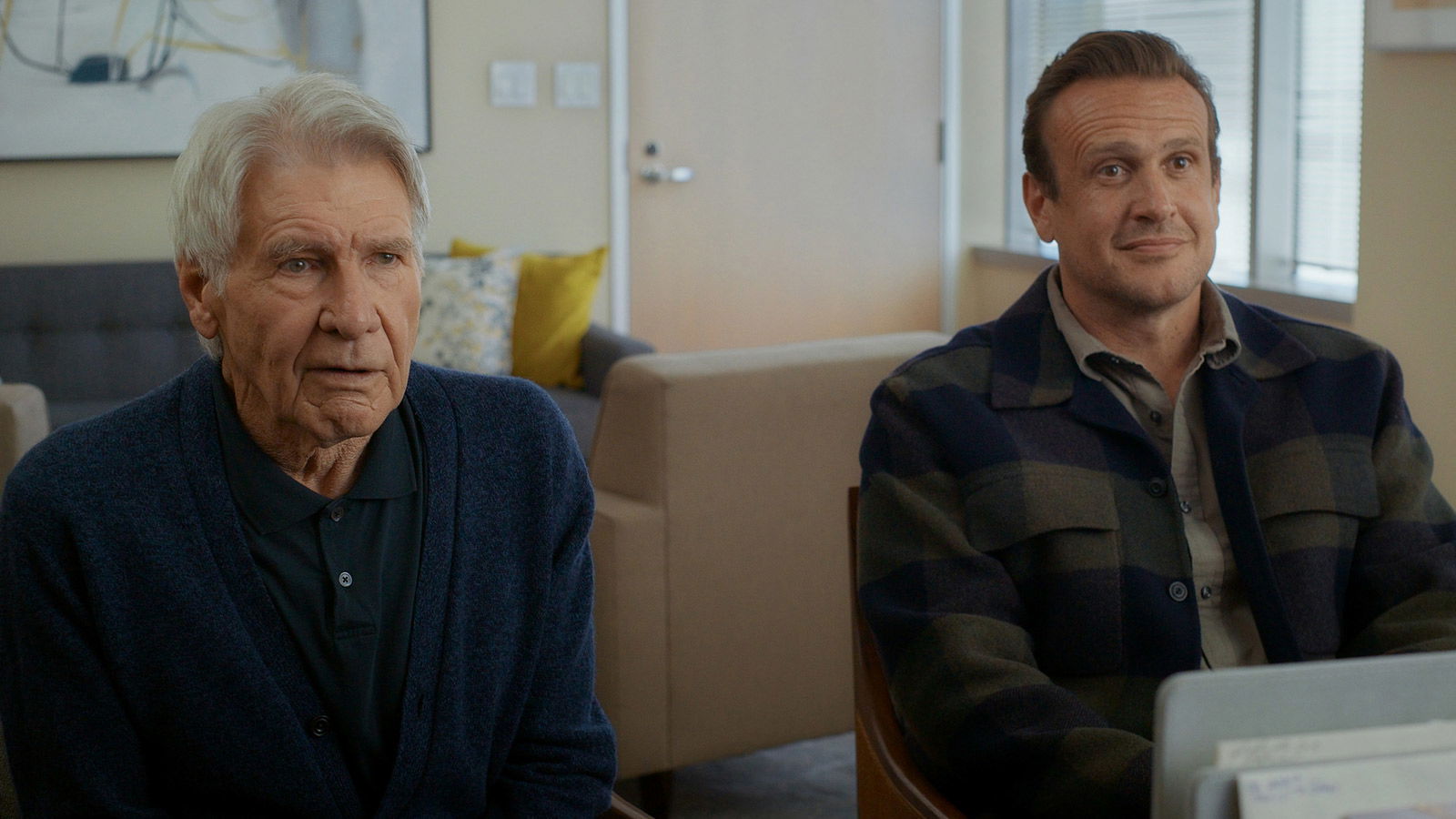
Shrinking Season 3 consists of 11 episodes, marking a slight increase in volume compared to the 10-episode runs of its predecessors. This expanded duration allows for a deeper exploration of the character arcs established by creators Bill Lawrence, Jason Segel, and Brett Goldstein. As the Apple TV+ series continues its narrative, the structural choice of 11 episodes serves to balance the show’s signature mix of grief, therapy, and comedic interplay while ensuring each subplot receives adequate time for resolution.
The Evolution of Narrative Structure in Shrinking
When Shrinking first premiered, the 10-episode format provided a tight, efficient framework for introducing the audience to Jimmy Laird (Jason Segel) and his unorthodox approach to psychotherapy following the death of his wife. The transition to 11 episodes for the third season represents a deliberate shift in how the writers handle the show's complex ensemble.
In television production, the decision to add or remove episodes from a season is rarely arbitrary. It is often the result of a creative consensus between the showrunners and the streaming platform. With 11 episodes, Shrinking gains approximately 30 to 45 minutes of total screen time compared to previous seasons. This additional runtime is crucial for a series that manages a large cast—including Harrison Ford’s Dr. Paul Rhoades and Jessica Williams’ Gaby—as it prevents the narrative from feeling rushed when multiple personal crises overlap.
Analyzing the Impact of Episode Length
The "episode length" of a series is not merely about the number of installments; it encompasses the actual running time of each episode. Historically, Shrinking episodes have adhered to a standard half-hour comedy structure, typically ranging from 28 to 34 minutes per episode. Maintaining this duration across 11 episodes ensures that the pacing remains consistent with the established tone of the show.
If the episodes were to grow significantly longer, the show might risk losing the punchy, rapid-fire dialogue that defines its comedic sequences. Conversely, if the episodes were shorter, the emotional weight of scenes involving therapy sessions or family reconciliation would likely suffer. By keeping the per-episode runtime consistent while increasing the total episode count, the production team has successfully increased the "volume" of storytelling without sacrificing the "texture" of individual episodes.
Comparison of Seasonal Structure
To understand the significance of the 11-episode order, it is helpful to look at how Shrinking has managed its seasonal progression since its 2023 debut.
| Season | Episode Count | Average Duration (Est.) | Primary Narrative Focus |
|---|---|---|---|
| Season 1 | 10 Episodes | 30-33 Minutes | Jimmy’s initial grief and ethics violations |
| Season 2 | 10 Episodes | 29-34 Minutes | Evolving patient relationships and personal growth |
| Season 3 | 11 Episodes | 30-35 Minutes | Long-term reconciliation and legacy |
This table highlights the stability of the production format. The shift to 11 episodes in the third year indicates confidence from Apple TV+ in the show’s continued audience engagement and critical reception.
Why 11 Episodes for Season 3?
There are several creative and logistical reasons why 11 episodes became the target for the third season. First, the expanding cast of supporting characters requires more breathing room. Characters like Sean (Luke Tennnison) and Liz (Christa Miller) have developed complex arcs that necessitate distinct subplots. In a shorter season, these characters might only serve as background support; in an 11-episode run, they can carry their own thematic weight.
Second, the structural requirements of a streaming series on Apple TV+ allow for flexible episode lengths. While the show targets the 30-minute mark, the final episodes of a season often require a longer runtime to tie up narrative loose ends effectively. By commissioning 11 episodes, the writers have an extra "chapter" to build toward a more climactic finale, allowing the emotional crescendo of the season to unfold over a longer duration rather than being packed into the final 30 minutes.
Managing Viewer Expectations and Pacing
For the audience, the 11-episode season provides a longer engagement period with the show, which is a major factor in subscription-based streaming models. When a season is released in a weekly format, an 11-episode run extends the duration of the "cultural conversation" surrounding the show by an extra week. This is an intentional strategy to keep subscribers active and talking about the show’s developments for a longer period.
Viewers should approach the third season with the understanding that the extra episode likely serves to flesh out the secondary arcs. It is common for mid-season "bottleneck" episodes to appear in longer runs, where the focus shifts entirely to a specific character dynamic. These episodes are often the most highly rated because they forgo the high-concept plot lines to focus on deep character studies—a staple of the writing style found in Shrinking.
Technical Production and Creative Constraints
Behind the scenes, filming 11 episodes instead of 10 represents a measurable increase in production hours. For a show that relies heavily on interior dialogue and static locations (like the therapy office), the cost per episode is manageable, but the scheduling of the ensemble cast remains a logistical challenge.
Jason Segel and Harrison Ford are both busy professionals; coordinating their schedules for an extra week of production is a significant undertaking. The fact that the production committed to 11 episodes is proof of the high priority given to the show within the studio’s internal roadmap. This commitment ensures that the quality control remains as high as it was in the first season, despite the increased workload.
Frequently Asked Questions
Does the 11-episode count indicate that the show is ending? No, the episode count is a creative decision for the third season and does not necessarily imply the end of the series. Often, networks or streaming services adjust episode orders based on the story requirements of the specific season or scheduling needs.
Are these 11 episodes released all at once or weekly? Shrinking follows the traditional Apple TV+ release model, which typically features a weekly drop after an initial multi-episode premiere. This 11-episode structure is designed to sustain a 10-to-12-week release window.
Will every episode be exactly the same length? While the show targets a consistent half-hour runtime, episodes in Shrinking frequently vary by a few minutes depending on the content. You should expect the final episode of the 11-episode run to be slightly longer than the mid-season entries as it wraps up the major storylines.
Is the tone of the show different in an 11-episode season? The tone remains consistent with the mix of comedy and drama established in earlier seasons. The extra episode allows for more character development, but the core identity of the show—the witty, often painful, and heartfelt exploration of therapy—remains unchanged.
How does this count compare to other shows on the platform? The 11-episode order is considered a "full" season in the current streaming era, where many comedies opt for 8 to 10 episodes. It is a sign of high confidence in the show's performance metrics and its ability to maintain viewer interest.
Final Recommendation for Viewers
If you are preparing to watch Shrinking Season 3, take note of the 11-episode structure as it impacts your viewing schedule. Given the extra episode, you may find that the pacing is slightly more deliberate than in the first two seasons. Plan to enjoy the series week-by-week to fully appreciate the character work being done, as the extended runtime is clearly intended to pay off the slow-burn relationships that define the series' legacy. If you have been accustomed to a 10-week binge or watch cycle, be prepared for one additional week of content that serves to deepen the narrative payoff.