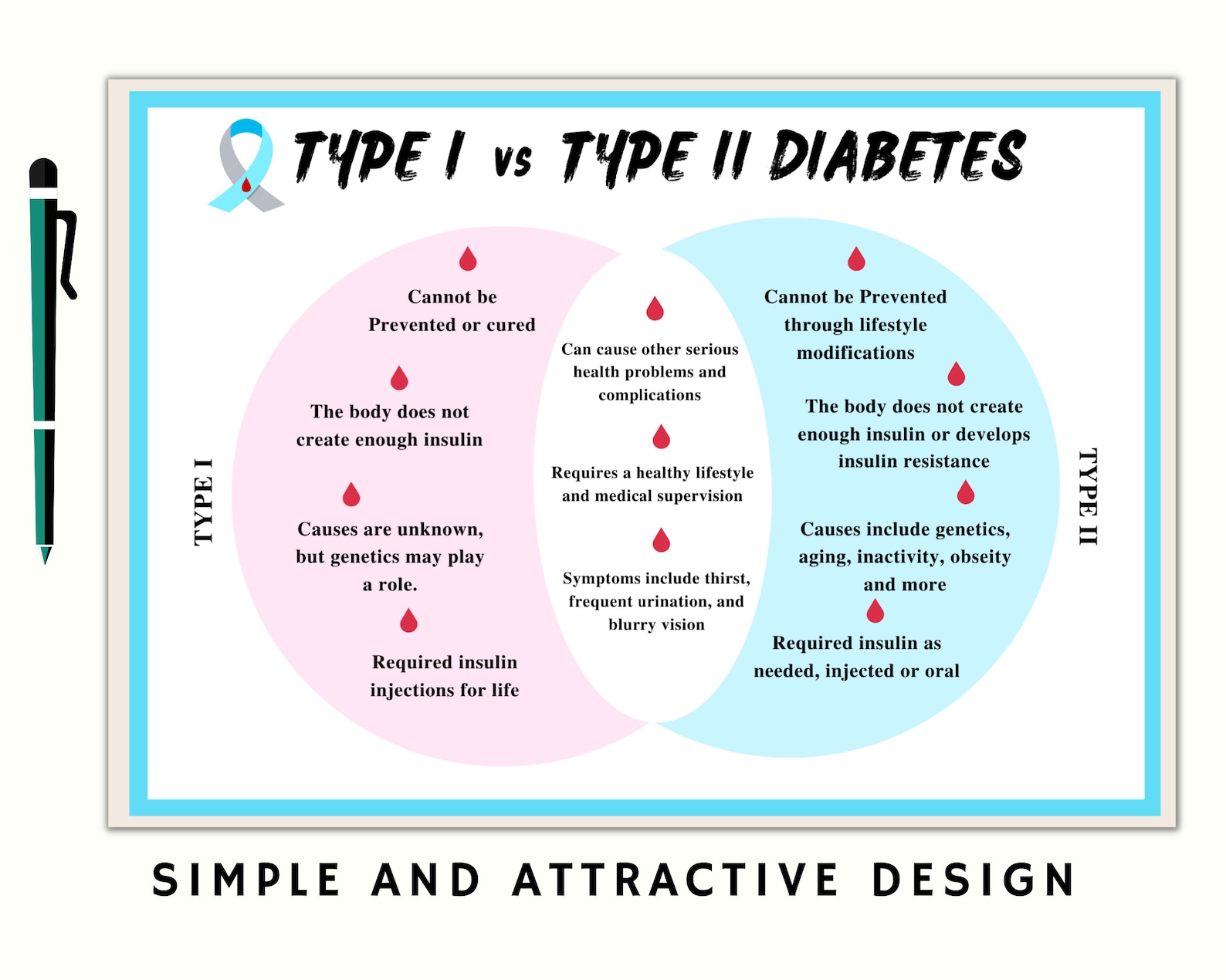
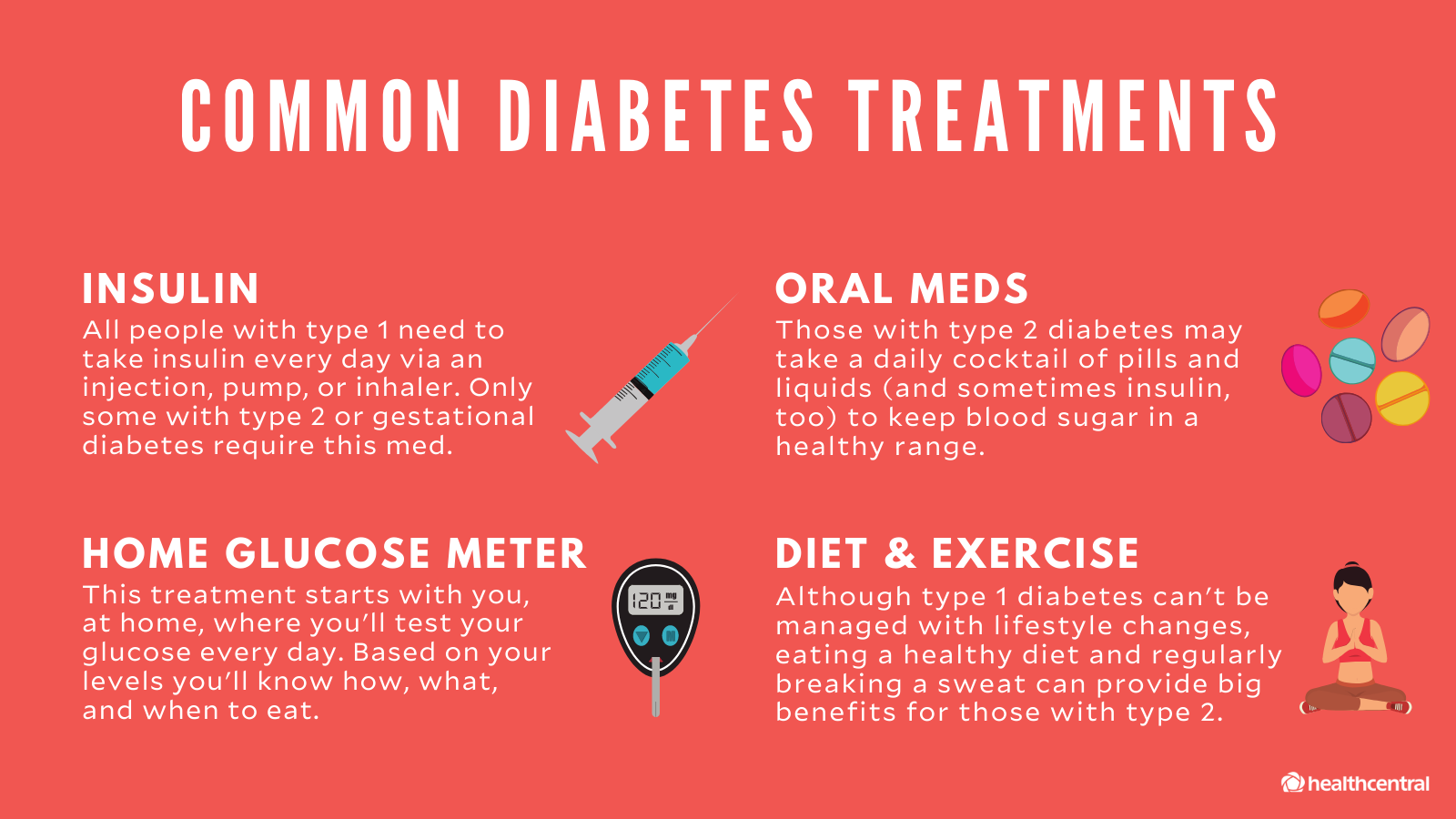
Basic treatments for type 1 and type 2 diabetes center on maintaining blood glucose levels within a target range to prevent long-term complications. Type 1 diabetes requires lifelong insulin therapy via injections or pumps. Type 2 diabetes is primarily managed through lifestyle modifications, oral medications like metformin, and increasingly, GLP-1 receptor agonists, with insulin reserved for advanced cases.
Understanding the Foundations of Diabetes Management
Diabetes mellitus is a chronic metabolic disorder characterized by hyperglycemia (high blood sugar) resulting from defects in insulin secretion, insulin action, or both. By 2026, the clinical approach to treating diabetes has shifted from a glucose-centric model to a more holistic, organ-protective strategy. While the underlying goal remains the stabilization of blood sugar, the methods used to achieve this vary significantly between Type 1 and Type 2 diabetes due to their distinct pathophysiologies.
In Type 1 diabetes, the body’s immune system attacks insulin-producing beta cells in the pancreas. This results in an absolute insulin deficiency. Without insulin, glucose cannot enter the cells to be used for energy, leading to life-threatening ketoacidosis if untreated. Therefore, the "basic" treatment is not merely a recommendation but a biological necessity: exogenous insulin.
In Type 2 diabetes, the body develops a resistance to the effects of insulin, often coupled with a progressive decline in the pancreas's ability to produce enough insulin to overcome that resistance. Management in 2026 focuses heavily on "incretin-based" therapies that assist the body in using its own insulin more effectively, alongside traditional lifestyle interventions.
Primary Treatments for Type 1 Diabetes
The management of Type 1 diabetes is intensive and requires constant vigilance. Because the pancreas produces little to no insulin, the treatment plan must replicate the natural rhythm of insulin secretion as closely as possible.
Insulin Therapy: The Essential Requirement
Insulin remains the only effective treatment for Type 1 diabetes. In 2026, the variety and delivery methods of insulin have reached unprecedented levels of precision. Patients typically use a combination of two types of insulin:
- Basal Insulin (Long-Acting): This provides a steady background level of insulin to keep blood sugar stable between meals and during sleep. Modern ultra-long-acting analogs can last up to 42 hours, providing a flatter, more predictable profile.
- Bolus Insulin (Rapid-Acting): This is taken before meals to account for the carbohydrates consumed. Innovations in "ultra-rapid" insulin allow patients to inject at the start of a meal or even slightly after, as the insulin enters the bloodstream within minutes.
Delivery Systems and Technology
The "basic" treatment now frequently includes sophisticated delivery technology. While manual injections using insulin pens remain common, Automated Insulin Delivery (AID) systems—often called "closed-loop" or "artificial pancreas" systems—have become the standard of care for many. These systems link a Continuous Glucose Monitor (CGM) to an insulin pump. An algorithm automatically adjusts insulin delivery based on real-time glucose readings, significantly reducing the risk of hypoglycemia (low blood sugar) and hyperglycemia.
Continuous Glucose Monitoring (CGM)
By 2026, CGMs have largely replaced traditional finger-stick testing for Type 1 patients. These small sensors, worn on the skin, provide glucose readings every few minutes. They offer "trend arrows" that tell the user not just what their sugar is, but where it is headed, allowing for proactive rather than reactive treatment.
Primary Treatments for Type 2 Diabetes
Treatment for Type 2 diabetes is highly individualized. The "basic" approach follows a tiered system, starting with lifestyle and first-line medications, then progressing to more potent injectable therapies if targets are not met.
Lifestyle Modification and Nutrition
Lifestyle remains the bedrock of Type 2 management. In 2026, the focus has moved away from "dieting" toward sustainable nutritional patterns.
- Medical Nutrition Therapy (MNT): Working with a registered dietitian to create a plan that emphasizes whole foods, fiber, and healthy fats while managing carbohydrate intake.
- Physical Activity: Exercise increases insulin sensitivity, meaning cells can better use any available insulin to take up glucose. A combination of aerobic exercise (walking, swimming) and resistance training (weightlifting) is recommended for optimal results.
First-Line Pharmacotherapy: Metformin
For decades, Metformin has been the first-line medication for Type 2 diabetes. It works primarily by reducing the amount of glucose produced by the liver and improving the body’s sensitivity to insulin. It is favored for its long safety record, low cost, and lack of weight-gain side effects.
The Rise of Incretin-Based Therapies (GLP-1 and GIP)
By 2026, GLP-1 receptor agonists (like semaglutide) and dual GIP/GLP-1 agonists (like tirzepatide) have become foundational treatments. These medications mimic hormones that the body naturally releases after eating. They stimulate insulin secretion only when blood sugar is high, slow gastric emptying (making you feel full longer), and signal the brain to reduce appetite.
These drugs are revolutionary because they not only lower HbA1c (a three-month average of blood sugar) but also promote significant weight loss and provide cardiovascular and renal (kidney) protection. For many patients, these are now introduced much earlier in the treatment cycle than they were a decade ago.
SGLT2 Inhibitors
Sodium-glucose cotransporter-2 (SGLT2) inhibitors are oral medications that encourage the kidneys to filter excess glucose out of the blood and into the urine. These are particularly vital for patients who also have heart failure or chronic kidney disease, as they have been proven to reduce the risk of hospitalization and disease progression in these populations.
Comparison of Basic Treatment Modalities
The following table summarizes the primary differences in how Type 1 and Type 2 diabetes are typically managed in a clinical setting in 2026.
| Treatment Component | Type 1 Diabetes | Type 2 Diabetes |
|---|---|---|
| Primary Medication | Insulin (Inhaled or Injected) | Metformin, GLP-1s, SGLT2s |
| Insulin Requirement | Absolute and lifelong | Optional, used if other meds fail |
| Dietary Focus | Carb counting for insulin dosing | Caloric balance and insulin sensitivity |
| Physical Activity | Requires careful glucose monitoring | Core component of sugar reduction |
| Monitoring Tech | CGM is almost always required | CGM used for intensive management |
| Goal of Treatment | Survival and glucose stability | Remission or glucose control |
Shared Treatment Goals and Preventive Care
Regardless of the type of diabetes, certain treatment elements are universal. These are designed to monitor the effectiveness of the primary treatments and catch potential complications early.
HbA1c Monitoring
The Hemoglobin A1c test remains a "basic" diagnostic and monitoring tool. It measures the percentage of blood sugar attached to hemoglobin. A target of below 7% is common, though this is often personalized based on age and underlying health conditions.
Complication Screenings
Diabetes affects the small and large blood vessels throughout the body. Standard treatment includes:
- Retinopathy Screening: Annual dilated eye exams to check for damage to the retina.
- Nephropathy Screening: Annual urine tests to check for albumin (protein), which indicates kidney stress.
- Neuropathy and Foot Care: Daily self-exams and annual professional exams to check for nerve damage and ensure proper circulation in the feet.
- Cardiovascular Management: Because diabetes increases the risk of heart disease, managing blood pressure and cholesterol (often with statins) is considered a "basic" part of the treatment package.
Diabetes Self-Management Education and Support (DSMES)
Education is a formal part of treatment. Patients must learn how to balance food, activity, and medication. DSMES programs are designed to empower patients to make informed decisions and solve problems related to their glucose levels in real-time.
Managing Hypoglycemia and Hyperglycemia
A critical part of "basic" treatment is knowing how to handle fluctuations in blood sugar.
Hypoglycemia (Low Blood Sugar): This is more common in Type 1 patients and Type 2 patients on insulin or sulfonylureas. The "15-15 Rule" is the standard treatment: consume 15 grams of fast-acting carbohydrates (like glucose tablets or juice), wait 15 minutes, and re-test. If the level is still low, repeat the process. In 2026, nasal glucagon is the standard emergency treatment for severe lows.
Hyperglycemia (High Blood Sugar): Treating high blood sugar involves adjusted medication doses, increased hydration, and, in some cases, light activity. However, if Type 1 patients see extremely high numbers (usually over 240 mg/dL), they must check for ketones to avoid Diabetic Ketoacidosis (DKA).
Frequently Asked Questions
Can Type 2 diabetes be reversed with basic treatment?
While "reversal" is a popular term, clinicians prefer the term remission. Many people with Type 2 diabetes can achieve non-diabetic blood sugar levels through significant weight loss and lifestyle changes, especially in the early stages of the disease. However, the underlying genetic predisposition remains, and regular monitoring is still required.
Is insulin always the last resort for Type 2 diabetes?
No. In 2026, insulin may be used temporarily for Type 2 patients during periods of high stress, illness, or surgery. It may also be used early in the diagnosis if glucose levels are extremely high (glucose toxicity) to "rest" the pancreas before transitioning to other medications.
What is the difference between an insulin pump and an AID system?
A standard insulin pump delivers a continuous "basal" rate set by the user. An Automated Insulin Delivery (AID) system is "smarter"—it uses data from a CGM to automatically increase, decrease, or pause insulin delivery every few minutes without user intervention, though the user still manually "boluses" for meals.
Do I have to count carbs if I have Type 2 diabetes?
While strict carbohydrate counting is more associated with Type 1 (to calculate insulin doses), Type 2 patients benefit from "carb awareness." Managing the quality and quantity of carbohydrates helps prevent the large glucose spikes that contribute to insulin resistance.
Why are GLP-1 drugs so important in 2026?
These medications (like Ozempic or Mounjaro equivalents) have changed the landscape because they address the root causes of Type 2 diabetes—specifically obesity and insulin signaling—rather than just treating the symptom (high blood sugar). Their ability to protect the heart and kidneys has made them a "basic" standard for high-risk patients.
How often should I see a doctor for diabetes treatment?
Most stable patients see their endocrinologist or primary care provider every three to six months. These visits are necessary to review CGM data, check HbA1c levels, and adjust medication dosages as the body's needs change over time.
Practical Recommendation for Patients
If you are newly diagnosed or looking to optimize your management in 2026, the most effective step is to establish a multidisciplinary care team. This should include an endocrinologist, a Certified Diabetes Care and Education Specialist (CDCES), and a primary care physician. For Type 1 patients, prioritizing the acquisition of a CGM is the single most impactful action for safety and long-term health. For Type 2 patients, discussing the newest incretin-based therapies with a doctor can provide a dual benefit of glucose control and weight management that was previously difficult to achieve with older medications.
Note: This information is for educational purposes and does not constitute medical advice. Always consult with a healthcare professional before starting or changing a diabetes treatment plan.