In the 2026 lending landscape, debit card payday loans are rarely "worth it" due to effective annual percentage rates (APRs) that frequently exceed 400% and the high risk of entering a predatory debt cycle. While they offer nearly instantaneous access to capital for those with poor credit or no traditional banking history, the long-term financial erosion caused by high fees and aggressive repayment schedules typically outweighs the temporary relief of a short-term cash influx.
Understanding the Mechanism of Online Debit Card Payday Loans
To evaluate whether these financial products are worth the cost, it is essential to understand exactly how they function in the current market. A debit card payday loan is a high-interest, short-term loan where the funds are disbursed directly to the borrower's bank-issued debit card rather than through a traditional ACH (Automated Clearing House) transfer or a paper check.
The primary technological driver behind these loans in 2026 is the utilization of "Push to Card" technology, powered by networks like Visa Direct or Mastercard Send. Unlike traditional bank transfers that can take 24 to 48 hours to clear, a push-to-card transaction occurs almost in real-time. This allows a borrower to apply for a loan online and receive the funds on their debit card within minutes of approval.
The "payday" aspect remains the same as traditional models: the loan is intended to be a bridge until the borrower’s next paycheck. On the due date, the lender typically uses the same debit card information to automatically withdraw the principal plus interest and fees. This seamless integration of disbursement and collection is what makes these loans highly attractive to lenders and convenient—yet dangerous—for borrowers.
The True Cost of Borrowing: 2026 Pricing Structures
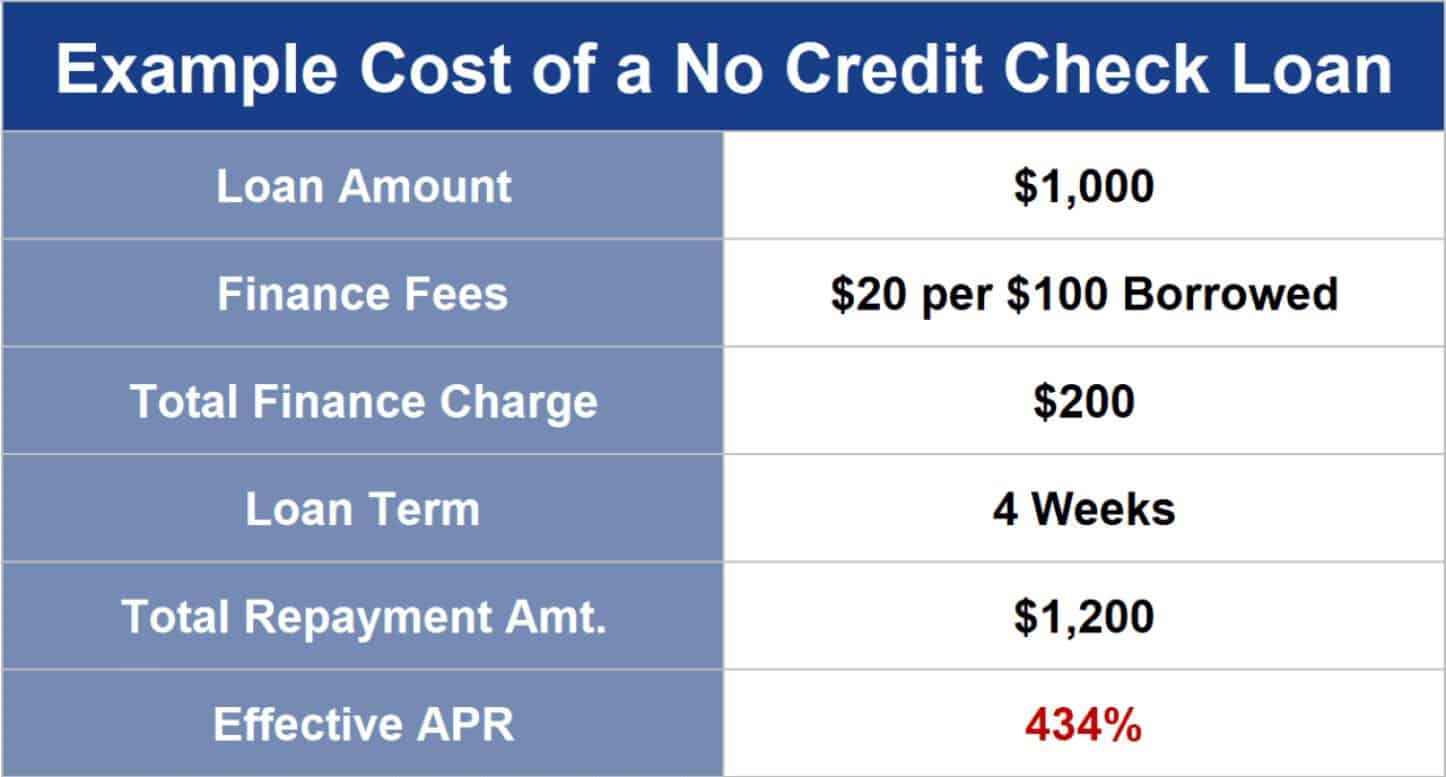
When assessing if these loans are worth it, one must look past the "per $100" fee structure and examine the APR. Most online payday lenders charge between $15 and $30 for every $100 borrowed. While $15 might seem manageable for a one-time emergency, the mathematical reality of a two-week loan term is stark.
For example, a $500 loan with a $75 fee (at $15 per $100) due in 14 days carries an APR of approximately 391%. In states without strict interest rate caps, these figures can climb even higher. Furthermore, the 2026 regulatory environment has seen an increase in "origination fees" and "technology fees" specifically for the instant debit card funding feature, adding an extra $5 to $20 to the total cost of the loan.
The Impact of Instant Access Fees
Lenders often market the "instant" nature of debit card funding as a premium service. In many cases, a borrower may be presented with two options:
- Standard ACH Transfer: 1–3 business days (usually no additional fee).
- Instant Debit Card Funding: 15–30 minutes (often involves a convenience fee).
For a borrower in a true emergency, the instant fee is often accepted without a second thought. However, adding a $10 convenience fee to a $200 loan that already has a $30 interest charge brings the total cost of borrowing to $40 for just two weeks. This significantly degrades the value proposition of the loan.
Comparing Online Debit Card Payday Loans to Alternatives
To determine if a financial product is "worth it," it must be measured against the available alternatives. In 2026, the fintech sector has expanded, providing several options that often carry lower risks than traditional payday lending.
| Feature | Debit Card Payday Loan | Cash Advance App (e.g., EarnIn) | Credit Union PALs | Credit Card Cash Advance |
|---|---|---|---|---|
| Typical APR | 300% – 600% | 0% (Tips/Subscription) | 28% (Capped) | 25% – 35% |
| Funding Speed | Near-Instant | 1–3 Days (Instant for fee) | 1–7 Days | Instant at ATM |
| Credit Check | Usually None | No Hard Pull | Minimal | Required for card |
| Loan Amount | $100 – $1,500 | $50 – $750 | $200 – $1,000 | Variable |
| Repayment Term | Next Payday | Next Payday | 1 – 6 Months | Revolving |
As the table illustrates, Payday Alternative Loans (PALs) offered by federal credit unions are almost always a superior financial choice, provided the borrower is a member. Even cash advance apps, which have faced increased scrutiny from the Consumer Financial Protection Bureau (CFPB), generally result in lower total costs than a standardized payday loan.
The Risks: Why They Are Often Not "Worth It"
The primary reason financial experts advise against these loans is the "debt trap" or "cycle of debt." Because the loan takes a significant portion of the borrower's next paycheck, the borrower often finds themselves short on funds for the following month's bills, leading them to take out another loan to cover the gap.
The Automatic Debit Danger
Using a debit card for repayment gives the lender direct access to the borrower's primary bank account. If the funds are not available on the due date, the lender’s attempt to withdraw the money can trigger multiple overdraft fees from the bank. In 2026, while many major banks have reduced or eliminated overdraft fees, many regional and "neobanks" still charge significant penalties. A single failed payday loan repayment can result in $100 or more in bank fees alone, completely independent of the lender's late fees.
Privacy and Data Security
Applying for payday loans online requires sharing sensitive data, including Social Security numbers, bank account details, and debit card numbers. The "payday loan" niche is unfortunately rife with "lead generators"—sites that do not actually lend money but sell your data to the highest bidder. This can lead to an influx of predatory marketing calls, spam, and a higher risk of identity theft.
When Might a Debit Card Payday Loan Be Considered?
Despite the high costs, there are very specific, narrow circumstances where a borrower might find such a loan "worth it" in a purely functional sense. This is typically limited to situations where the cost of not having the money is higher than the 400% APR of the loan.
- Avoiding Utility Disconnection: If a household faces a $150 reconnection fee plus the stress of living without power or water, a $50 fee on a payday loan may be the lesser of two evils.
- Preventing Eviction: Legal fees and the long-term impact of an eviction on a credit report are devastating. In this extreme scenario, a short-term high-cost loan might be a necessary emergency measure.
- Critical Vehicle Repair: For a worker who will lose their job if they cannot drive to work, the cost of the loan is effectively an investment in maintaining their primary income stream.
Even in these scenarios, the loan is only "worth it" if the borrower has a definitive, guaranteed plan to pay it back in full on the first due date without borrowing again.
Regulatory Safeguards and Borrower Rights in 2026
By 2026, several states have implemented a 36% APR cap on all small-dollar loans, effectively banning traditional payday lending within their borders. Borrowers should check the National Consumer Law Center (NCLC) for updated maps on state-specific interest rate caps.
Furthermore, the CFPB continues to enforce rules regarding "Unfair, Deceptive, or Abusive Acts or Practices" (UDAAP). Lenders are required to be transparent about their fees and are prohibited from making unauthorized withdrawals. If a borrower finds that a lender has withdrawn more than agreed upon or used aggressive harassment tactics, they have the right to file a formal complaint with the CFPB.
Identifying Reputable Online Lenders
If a borrower determines that they must proceed with an online payday loan, they must distinguish between direct lenders and lead generators. A direct lender handles the application, funding, and repayment. A lead generator simply harvests data.
Signs of a Legitimate Direct Lender:
- They are licensed to operate in your specific state.
- They provide a clear, written contract before asking for a signature.
- They display the APR prominently, as required by the Truth in Lending Act (TILA).
- They have a physical address and a verifiable customer service department.
- They do not require "upfront" insurance or "processing" fees paid via gift cards (a common sign of a scam).
Practical Steps Before Applying
Before committing to a debit card payday loan, potential borrowers should exhaust the following checklist:
- Negotiate with Creditors: Many utility companies and landlords in 2026 have hardship programs that allow for deferred payments or installments. This is almost always cheaper than a loan.
- Check Employer Benefits: Many modern payroll providers (like ADP or Gusto) offer "earned wage access" (EWA), allowing employees to withdraw money they have already earned before payday for a nominal fee or for free.
- Small-Dollar Credit Union Loans: Even if you aren't a member, many credit unions allow you to join and apply for a PAL immediately if you meet basic residency or employment requirements.
- Local Non-Profits and Charities: Organizations like St. Vincent de Paul or local community action agencies often have emergency funds for one-time crises like car repairs or utility bills.
FAQ
Can I get a payday loan if I only have a prepaid debit card?
Most reputable online payday lenders require a traditional bank-linked debit card associated with a checking account. While some specialized lenders accept prepaid cards (like Netspend or Bluebird), they often charge even higher fees because of the increased risk of non-payment. Furthermore, without a linked checking account, the lender cannot verify your income via bank statements, which is a standard requirement in 2026.
Does a debit card payday loan help build my credit score?
Usually, no. Most payday lenders do not report on-time payments to the three major credit bureaus (Equifax, Experian, and TransUnion). However, they will almost certainly sell your debt to a collection agency if you fail to pay, which will result in a significant drop in your credit score. If your goal is to build credit, a secured credit card or a credit-builder loan is a much more effective and affordable tool.
How fast is "instant" funding to a debit card?
In 2026, "instant" usually means the funds are available in your bank account within 15 to 30 minutes of the loan being finalized and signed. However, this depends on your bank’s participation in the Visa Direct or Mastercard Send networks. Some smaller credit unions may still take a few hours or until the next business day to process the incoming "push" transaction.
What happens if I can't pay back the loan on time?
If you cannot pay, the lender may offer a "rollover" or "extension." You will pay the interest and fees due, but the principal balance remains. This is how the debt trap begins. In many states, lenders are legally required to offer an Extended Payment Plan (EPP) at no extra cost if you notify them before the due date, but they rarely advertise this option.
Final Recommendation
Are debit card payday loans online worth it? The answer is almost always no. The convenience of instant funding is a high-cost luxury that masks a potentially devastating financial burden. For the vast majority of consumers, the APRs associated with these loans represent a transfer of wealth from those who can least afford it to high-interest lending institutions.
Unless you are facing an absolute catastrophe where the financial penalty of inaction is higher than a 400% APR—and you have a guaranteed way to repay the full amount within 14 days—you should seek alternatives. Exploring earned wage access through your employer or a Payday Alternative Loan (PAL) through a credit union provides the same liquidity with significantly lower risk to your long-term financial stability.