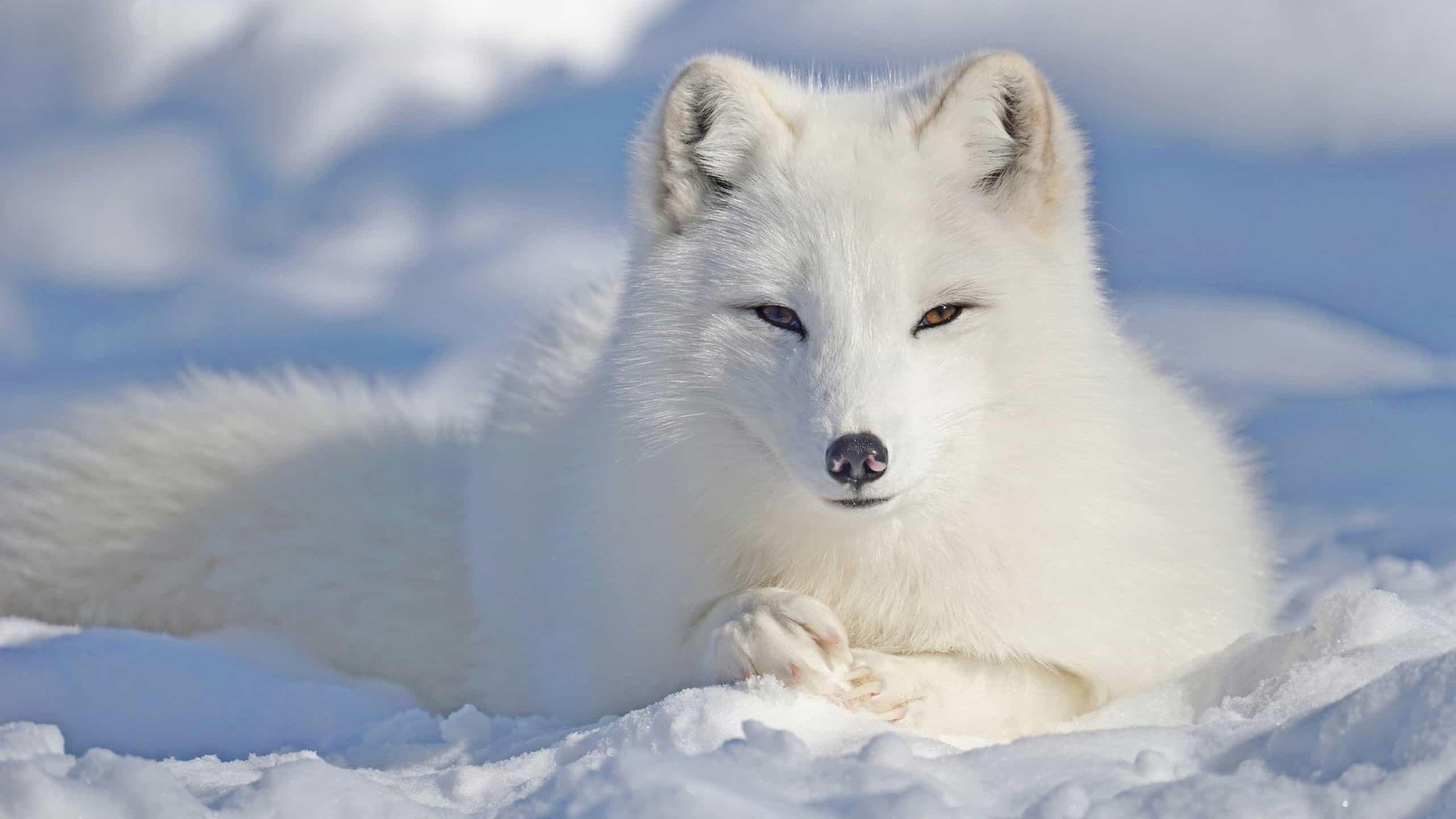
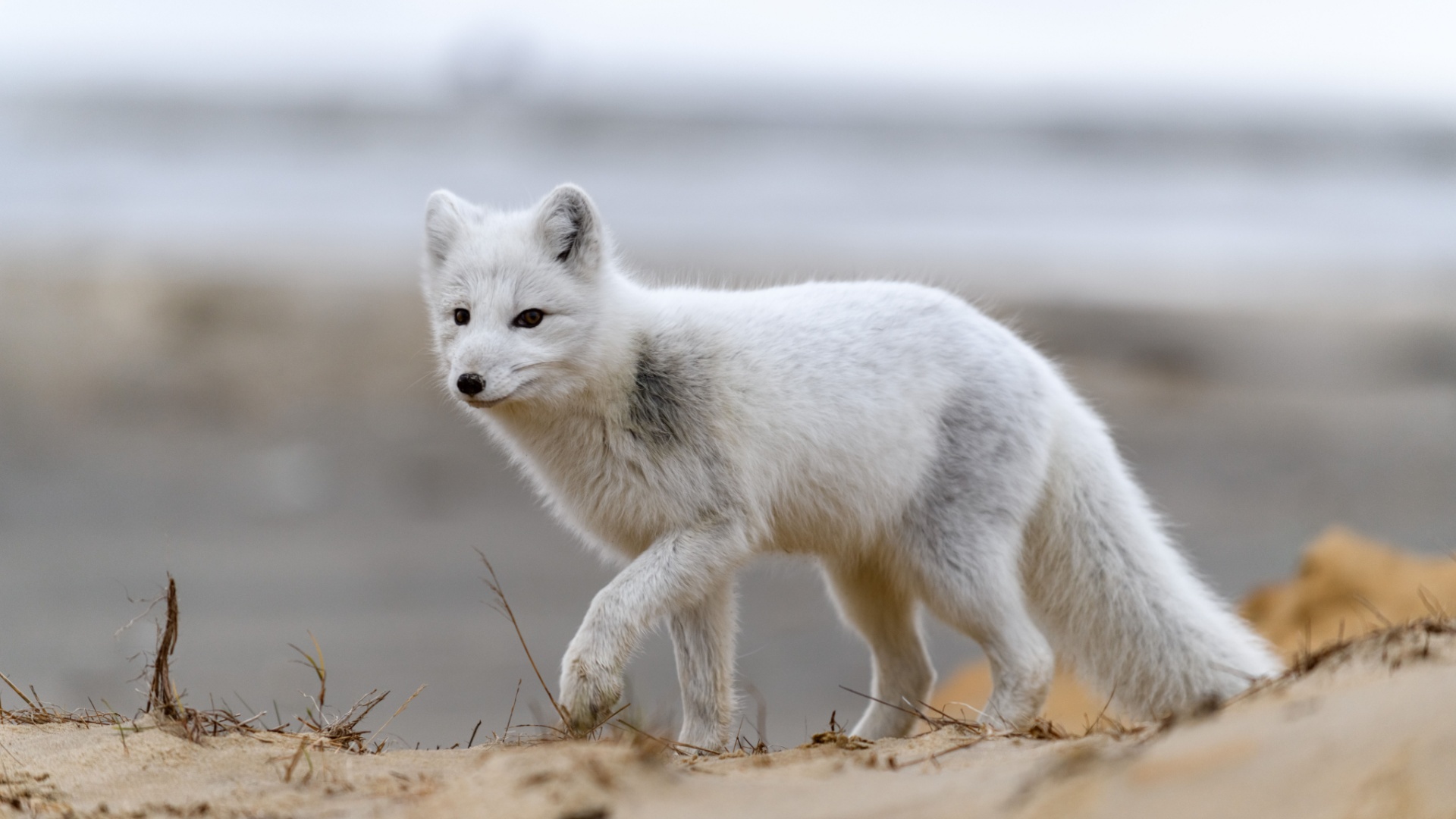
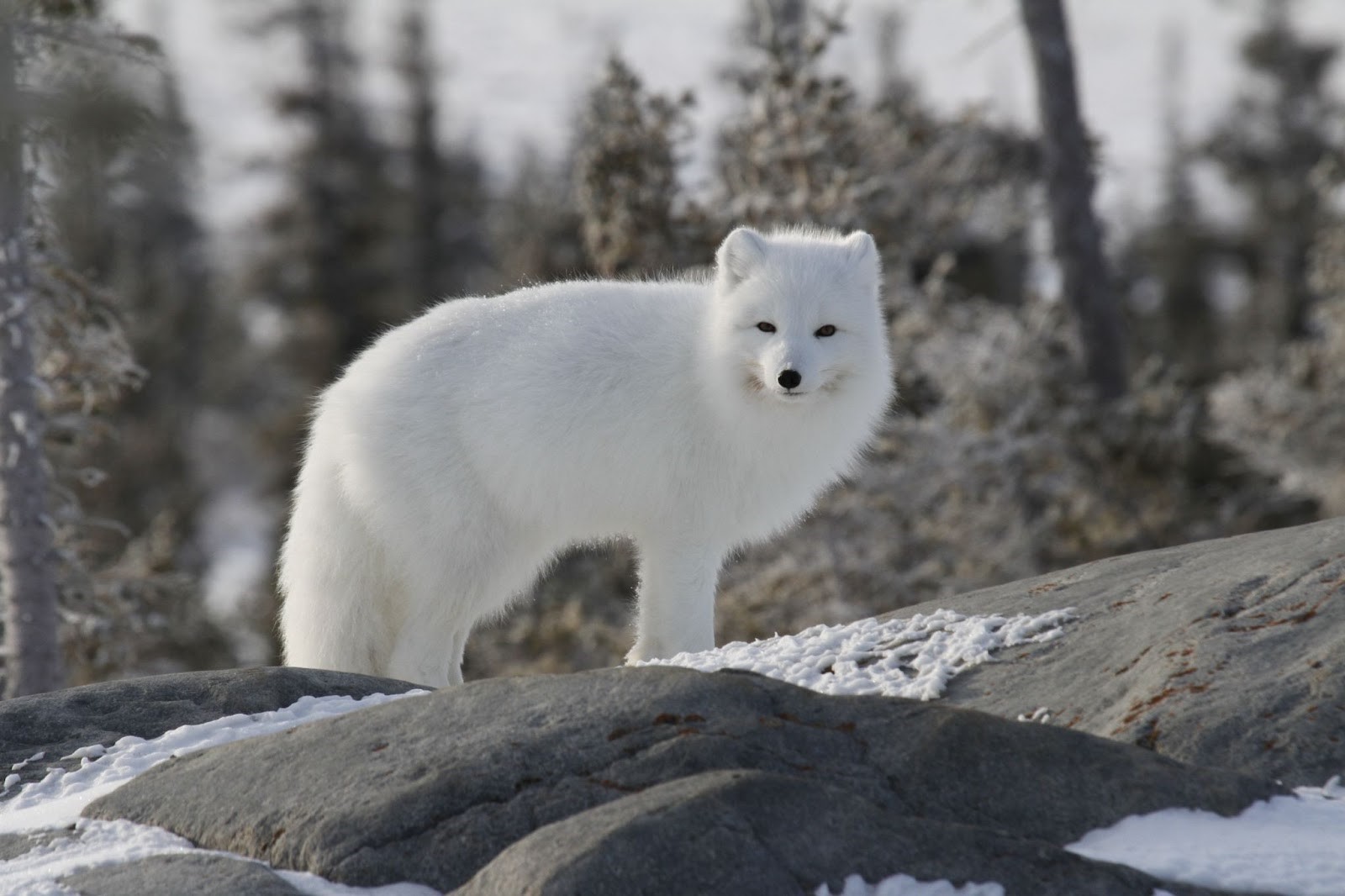
The Arctic fox (Vulpes lagopus) is a small, resilient canid specifically evolved to thrive in the Earth's most punishing environments. Found throughout the circumpolar North, these animals utilize extraordinary physiological adaptations, such as multi-layered insulating fur and specialized circulatory systems, to survive temperatures that drop below -50°C. Their life cycles are intricately tied to the fluctuating populations of tundra rodents and the shifting dynamics of the Arctic ice.
Evolutionary Adaptations and Physical Characteristics
The Arctic fox is a masterclass in biological engineering for cold-climate survival. Evolution has sculpted its body to minimize heat loss and maximize energy efficiency, adhering closely to biological principles known as Allen’s Rule and Bergmann’s Rule. Allen's Rule suggests that animals in colder climates evolve shorter limbs and appendages to reduce the surface area through which heat can escape. Consequently, the Arctic fox possesses shorter legs, a shorter muzzle, and small, rounded ears compared to its temperate cousin, the red fox.
The Pelage: Nature’s Best Insulation
The most striking feature of the Arctic fox is its incredibly dense fur. It has the warmest pelt of any mammal living in the Arctic, consisting of a thick, woolly undercoat and longer guard hairs that trap a layer of air against the skin. Research into canine physiology confirms that the Arctic fox does not even begin to shiver until temperatures reach a staggering -70°C (-94°F).
This fur is not merely for warmth; it is a dynamic tool for survival. Arctic foxes are the only canids to change the color of their coats seasonally. During the winter, the "white" morph possesses a pure white coat to blend with the snow. As the snow melts in late spring, the coat shed and is replaced by a two-tone brown and grey fur that provides camouflage against the rocks and tundra vegetation. A smaller percentage of the population, known as "blue" foxes, maintains a charcoal-grey or bluish-brown coat year-round, which is particularly effective in coastal areas where dark rocks and cliffs predominate.
Specialized Thermoregulation
Beyond the fur, the Arctic fox utilizes a sophisticated biological mechanism called counter-current heat exchange in its paws. The arteries carrying warm blood to the extremities are located in close proximity to the veins returning cold blood to the heart. This arrangement allows the outgoing blood to pre-warm the returning blood while cooling down slightly before it reaches the footpads. This prevents the paws from freezing while simultaneously ensuring that the animal's core body temperature remains stable, preventing the massive metabolic drain that would occur if the heart had to constantly reheat chilled blood.
Habitat and Global Distribution
As of 2026, the Arctic fox maintains a circumpolar distribution, meaning it is found across the entire northern hemisphere’s high latitudes. Its range includes the tundra regions of North America (Alaska and Canada), Northern Europe (Scandinavia, Iceland, and Svalbard), and Northern Asia (Russia).
Territorial Range and Movement
Arctic foxes are highly nomadic, often traveling vast distances in search of food. During the winter months, many individuals move onto the pack ice, following larger predators like polar bears to scavenge remains. GPS tracking studies have documented individuals traveling over 4,500 kilometers (approx. 2,800 miles) in a single season—one of the longest recorded movements for a land mammal relative to its size.
Despite this nomadism, they are also deeply connected to established denning sites. Because the Arctic permafrost makes digging incredibly difficult, foxes reuse dens for centuries. Some known denning complexes are estimated to be over 300 years old. These systems are massive, often featuring dozens of entrances and covering up to 1,000 square meters. Over generations, the nitrogen and phosphorus from fox waste and prey remains fertilize the surrounding soil, creating "tundra oases" of lush green vegetation that stand out against the sparse landscape.
Dietary Habits and Hunting Strategies
The Arctic fox is a generalist predator and a dedicated scavenger. Its survival depends on its ability to capitalize on whatever food source is available, no matter how small or unconventional.
The Lemming Cycle
In many inland regions, the primary food source is the lemming. The Arctic fox population is inextricably linked to the "boom and bust" cycles of these small rodents. Every three to four years, lemming populations explode, leading to a massive increase in fox pup survival rates. Conversely, when lemming populations crash, fox reproduction slows significantly.
To hunt lemmings buried deep beneath the snow, the Arctic fox uses its acute sense of hearing. It can detect the high-pitched rustling of a rodent moving under several feet of snow. Once the prey is located, the fox performs a "mousing" leap—springing high into the air and diving headfirst into the snow to pin the rodent with its forepaws.
Opportunistic Scavenging and Caching
When primary prey is scarce, the Arctic fox becomes a shadow of the polar bear. By following these massive predators onto the sea ice, foxes can feed on the remains of seal kills. This relationship is risky; if a polar bear is hungry enough, it may attempt to catch the fox, but the fox's agility usually allows it to stay just out of reach.
In times of plenty, the Arctic fox is one of the few animals that practices extensive food caching. They will kill dozens of lemmings or steal eggs from migratory bird colonies, burying them in the permafrost. The frozen ground acts as a natural refrigerator, preserving the food for the lean winter months when hunting becomes nearly impossible.
| Feature | Arctic Fox (Vulpes lagopus) | Red Fox (Vulpes vulpes) |
|---|---|---|
| Average Weight | 3.2 – 4.1 kg (7 – 9 lbs) | 4.5 – 6.8 kg (10 – 15 lbs) |
| Primary Color | White (Winter) / Brown (Summer) | Red/Orange with white chest |
| Ear Shape | Small and rounded | Large and pointed |
| Foot Insulation | Fur-covered pads | Bare or lightly furred pads |
| Habitat | Treeless tundra, pack ice | Forests, grasslands, urban areas |
| Metabolic Rate | Highly efficient in extreme cold | Standard canine metabolism |
Reproduction and Social Dynamics
Arctic foxes typically form monogamous pairs during the breeding season, which occurs between February and May. Both the male and female play active roles in raising the young, a necessity given the harsh environment and the high energy demands of a growing litter.
Record-Breaking Litters
The Arctic fox has one of the highest reproductive potentials of any carnivore. While an average litter size is between 5 and 8 pups, they are capable of producing up to 25 pups in a single litter when food (specifically lemmings) is exceptionally abundant. This "r-selection" reproductive strategy allows the population to recover quickly after the inevitable crashes in prey availability.
The pups are born in the safety of the underground dens in late May or June. They are born blind and helpless, requiring the mother to stay in the den for warmth while the father hunts and brings food back. By three or four weeks, the pups begin to emerge from the den, and by autumn, they are usually independent enough to begin their own nomadic journeys.
Social Structure
While often solitary during the winter nomadic phase, Arctic foxes can exhibit complex social structures. In some regions, a "helper" system has been observed where a non-breeding female from a previous year’s litter remains with the parents to help raise the new pups. This behavior is thought to increase the overall survival rate of the litter during years of moderate food scarcity.
Conservation Status and Environmental Challenges in 2026
As we observe the state of the Arctic in 2026, the status of Vulpes lagopus is a tale of two extremes. Globally, the species is listed as "Least Concern" by the IUCN, but specific sub-populations are on the brink of extinction.
The Threat of the Expanding Red Fox
One of the most significant threats to the Arctic fox is the northward expansion of the red fox. As the climate warms, the treeline moves further north, and the tundra habitat begins to shrink. The red fox is larger, more aggressive, and more dominant. It not only competes for the same food sources but is known to kill Arctic foxes and take over their hard-won denning sites. In Scandinavia, intensive management programs are currently in place to cull encroaching red foxes to protect the remaining native Arctic fox populations.
Climate Change and Sea Ice Loss
The loss of sea ice is another critical factor. Many Arctic foxes rely on the ice as a platform for winter hunting and traveling between islands. As the ice thins and melts earlier in the year, foxes can become stranded on land where food is scarce or be forced to cover much larger distances, leading to exhaustion and starvation.
Furthermore, the "browning" of the Arctic—where the snow melts earlier—creates a mismatch in camouflage. If a fox is still in its white winter coat but the snow has melted, it becomes an easy target for larger predators like golden eagles or wolves.
Summary of Key Facts
- Insulation: Their fur is the warmest of any Arctic mammal and they possess fur on the bottoms of their paws.
- Camouflage: They are the only canine to change coat color with the seasons.
- Stamina: They can travel thousands of miles on the pack ice in a single season.
- Dietary Flexibility: They will eat anything from lemmings and berries to seal remains and human scraps.
- Den Longevity: They use ancient denning complexes that can be hundreds of years old.
Frequently Asked Questions
Can an Arctic fox be kept as a pet?
While some people do keep "tame" Arctic foxes, they do not make traditional pets. They have a very high energy drive, a strong natural instinct to dig and cache food (which can destroy furniture), and their urine has an incredibly pungent musk that is difficult to remove from indoor environments. Furthermore, in many jurisdictions, a specialized permit for exotic wildlife is required.
What is the average lifespan of an Arctic fox in the wild?
In the wild, the average lifespan is surprisingly short, usually only 3 to 6 years. While they are physiologically hardy, the combination of extreme weather, food scarcity, and predation by wolves, polar bears, and eagles results in high mortality rates, especially among juveniles.
Do Arctic foxes hibernate?
No, Arctic foxes do not hibernate. Instead of sleeping through the winter, they rely on their thick fur and food caches to survive. They remain active year-round, often traveling onto the sea ice during the darkest and coldest months to find food.
How fast can an Arctic fox run?
The Arctic fox is quite agile and can reach speeds of up to 50 kilometers per hour (approximately 31 miles per hour). This speed is essential for both catching fast-moving prey like Arctic hares and escaping larger predators.
Why do some Arctic foxes have blue fur?
The "blue" morph is a genetic variation. It is most common in coastal populations where there is less snow cover and more dark rock. The blue-grey color provides better year-round camouflage in these specific environments than the pure white coat would.
Recommendations for Future Conservation
To ensure the continued survival of the Arctic fox, supporting organizations that focus on Arctic habitat preservation is essential. If you are interested in contributing to their protection, consider supporting the World Wildlife Fund (WWF) or the Arctic Fox Recovery Project in Scandinavia. These organizations work on the front lines of climate policy and direct species management, such as supplemental feeding programs during lemming crashes and the protection of ancient denning sites from industrial development.