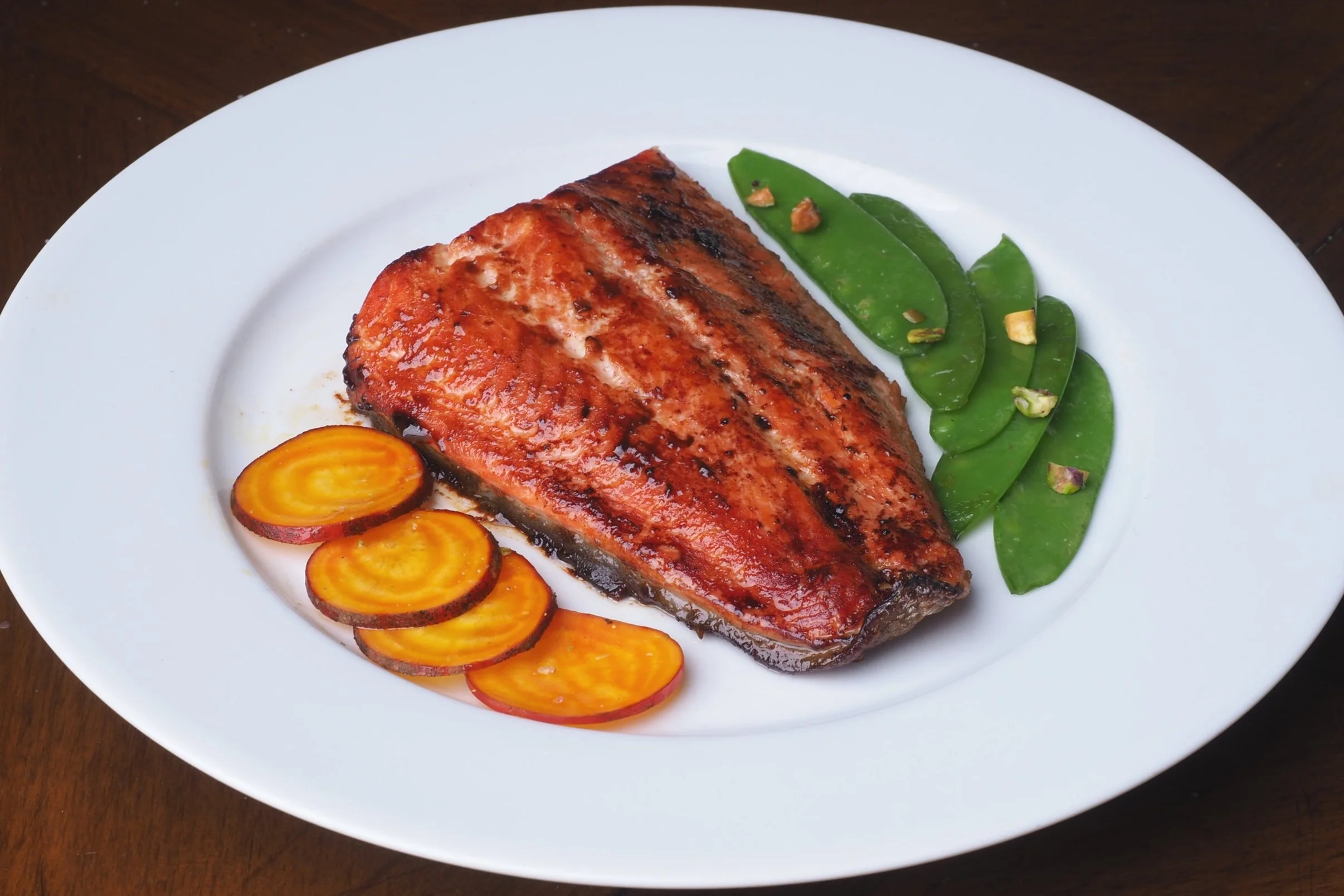
Arctic char is an exceptionally healthy choice because it offers a dense concentration of Omega-3 fatty acids, high-quality lean protein, and essential micronutrients like Vitamin D and B12. As a cleaner, more sustainable alternative to Atlantic salmon, it provides significant cardiovascular and cognitive benefits with a lower risk of environmental contaminants.
Understanding the Profile of Arctic Char
Arctic char (Salvelinus alpinus) belongs to the Salmonidae family, making it a close relative of both salmon and lake trout. In 2026, it has become a staple in health-conscious diets due to its unique position as a "bridge" fish—it possesses the rich, buttery texture of salmon but maintains a milder, more delicate flavor profile similar to trout.
This species is native to subarctic and arctic coastal waters and fresh lakes. Its biological adaptations to extreme cold are precisely what make it so beneficial for human consumption. To survive in near-freezing temperatures, Arctic char accumulate significant stores of healthy fats, particularly long-chain Omega-3 fatty acids, which remain fluid at low temperatures. When we consume these fats, they provide the building blocks for cellular health and systemic inflammation reduction.
The market for Arctic char has evolved significantly. While wild-caught char is available seasonally, the majority of the char found in modern grocery stores is raised in sophisticated land-based aquaculture systems. These systems are a primary reason why the fish is considered such a "clean" healthy choice; by controlling the environment, producers can virtually eliminate the presence of parasites and heavy metals that plague other predatory fish.
The Comprehensive Nutritional Breakdown
To understand why Arctic char is a healthy choice, one must look at the specific macro and micronutrient density. A standard 100-gram (3.5 oz) serving of cooked Arctic char provides a robust nutritional profile that fits perfectly within various dietary frameworks, from Keto and Paleo to Mediterranean and low-sodium diets.
Protein Density and Quality
Arctic char provides approximately 20 to 22 grams of high-quality protein per 100-gram serving. This protein is "complete," meaning it contains all nine essential amino acids that the human body cannot synthesize on its own. These amino acids are critical for muscle protein synthesis, tissue repair, and the production of enzymes and hormones. In 2026, as nutritional science focuses more on "protein leverage" and maintaining lean muscle mass during aging, Arctic char stands out as a highly bioavailable source that is easily digested compared to red meats.
The Lipid Profile: Beyond Just "Fat"
The total fat content of Arctic char typically ranges from 8 to 12 grams per serving, depending on whether the fish is wild or farmed. However, the quality of this fat is what defines its health status. Unlike the saturated fats found in land animals, the fats in Arctic char are predominantly monounsaturated and polyunsaturated.
Specifically, Arctic char is one of the best sources of Eicosapentaenoic acid (EPA) and Docosahexaenoic acid (DHA). These specific Omega-3s are vital for:
- Cardiovascular Health: They help lower triglycerides, reduce blood pressure, and decrease the risk of arterial plaque formation.
- Neuroprotection: DHA is a primary structural component of the human brain and retina. Regular intake is linked to improved memory, mood regulation, and a lower risk of neurodegenerative diseases.
- Anti-inflammatory Response: EPA acts as a precursor to signaling molecules called resolvins, which actively turn off the inflammatory response in the body.
Essential Vitamins and Minerals
Beyond fats and proteins, Arctic char is a potent source of several "shortfall" nutrients—vitamins that many populations are chronically deficient in.
- Vitamin D: Arctic char is one of the few natural food sources of Vitamin D. A single serving can provide a significant portion of the Daily Value (DV), which is essential for calcium absorption, bone health, and immune system modulation.
- Vitamin B12 (Cobalamin): Crucial for nerve function and the formation of red blood cells. Chronic fatigue and neurological "fog" are often addressed by increasing B12 intake through oily fish like char.
- Selenium: This trace mineral acts as a powerful antioxidant, protecting cells from oxidative stress and supporting thyroid function.
- Potassium: Essential for maintaining fluid balance and healthy blood pressure levels, Arctic char provides more potassium per gram than many other common fish species.
Sustainability and Purity: The 2026 Standard
When discussing why Arctic char is a healthy choice, we must look beyond the nutrition label to the environment in which the fish lives. The "health" of a food is inextricably linked to its purity and the health of the planet.
Land-Based Aquaculture (RAS)
The majority of Arctic char is raised in Recirculating Aquaculture Systems (RAS). These are land-based tanks that treat and recycle water. This method is widely considered the "Gold Standard" for sustainable seafood for several reasons:
- No Escapees: Unlike open-ocean net pens used for some salmon, land-based char cannot escape into the wild to disrupt local ecosystems.
- Disease Control: Because the environment is closed and monitored, there is no need for the prophylactic use of antibiotics or chemicals to fight sea lice.
- Low Contaminants: By controlling the water and the feed, producers ensure that the fish do not accumulate mercury, PCBs, or microplastics, which are increasing concerns in wild-caught ocean fish in 2026.
According to the Monterey Bay Aquarium Seafood Watch, Arctic char farmed in land-based systems is consistently rated as a "Best Choice." This makes it a "healthy choice" not just for your body, but for global food security.
Comparing Arctic Char to Salmon and Trout
Many consumers choose Arctic char as a substitute for salmon. Understanding the technical differences helps in making an informed dietary decision.
| Nutrient/Feature | Arctic Char (Farmed) | Atlantic Salmon (Farmed) | Rainbow Trout (Farmed) |
|---|---|---|---|
| Calories (per 100g) | ~180-200 | ~200-220 | ~140-160 |
| Protein | 20g | 20g | 19g |
| Total Fat | 12g | 13g | 6g |
| Omega-3 (EPA+DHA) | High (1.5g - 2.0g) | Very High (2.0g - 2.5g) | Moderate (0.5g - 1.0g) |
| Mercury Levels | Very Low | Low | Very Low |
| Flavor Profile | Mild, Sweet | Rich, Distinct | Earthy, Mild |
| Sustainability Rating | Excellent (Best Choice) | Variable (Good Alt to Avoid) | Excellent |
While salmon has slightly higher absolute Omega-3 levels, Arctic char is often preferred because it achieves a high Omega-3 count with significantly lower levels of environmental toxins and a more sustainable farming footprint. For those who find the "fishy" taste of salmon overpowering, Arctic char provides the health benefits of an oily fish without the strong odor or flavor.
Health Benefits: A Deep Dive into Systemic Wellness
The decision to include Arctic char in a weekly meal rotation can lead to measurable improvements in several key health markers.
Heart Health and Lipid Management
The American Heart Association has long recommended two servings of fatty fish per week. Arctic char fulfills this requirement effectively. The Omega-3s in char work by making the blood less "sticky," which prevents the formation of clots. Furthermore, they improve endothelial function—the ability of your blood vessels to relax and contract—which is a primary factor in preventing hypertension.
Metabolic Health and Weight Management
For those managing insulin resistance or Type 2 Diabetes, Arctic char is an ideal protein source. It has a glycemic index of zero, meaning it does not cause blood sugar spikes. The high protein content also increases satiety (the feeling of fullness), which helps in regulating caloric intake throughout the day. The healthy fats in char can also help improve insulin sensitivity by modulating the inflammation of adipose (fat) tissue.
Skin and Eye Health
The pink-to-red hue of Arctic char flesh comes from astaxanthin, a potent carotenoid and antioxidant that the fish consumes via its diet (usually through small crustaceans or specialized feed). Astaxanthin is unique because it can cross the blood-retinal barrier, providing direct antioxidant protection to the eyes against UV damage and age-related macular degeneration. For the skin, it helps maintain elasticity and moisture, earning it a reputation in 2026 as an "internal sunscreen" and anti-aging nutrient.
Culinary Preparation for Maximum Nutrient Retention
To ensure Arctic char remains a healthy choice, the method of preparation is critical. Overcooking or using unhealthy fats can negate the benefits of the fish's natural nutrient profile.
Recommended Cooking Methods
- Searing (Skin-on): The skin of the Arctic char contains a high concentration of Omega-3s. Searing the fish skin-side down in a small amount of avocado oil or ghee creates a crisp texture while preserving the delicate fats in the flesh.
- Poaching: Cooking the fish in a liquid (such as vegetable stock or diluted coconut milk) at low temperatures prevents the oxidation of sensitive Omega-3 fatty acids. This is the gentlest way to maintain the integrity of the vitamins.
- Baking/Roasting: A quick roast at 375°F (190°C) for 10-12 minutes is sufficient. Covering the fish with parchment paper (en papillote) helps steam the fish in its own juices, retaining all minerals.
What to Avoid
- Deep-Frying: High-heat frying in seed oils (like soybean or corn oil) introduces pro-inflammatory Omega-6 fats and can destroy the delicate EPA and DHA.
- Excessive Sodium: While char is naturally low in sodium, heavy use of soy sauce or store-bought rubs can quickly make it a high-sodium meal, which is counterproductive for heart health.
Potential Risks and Considerations
While Arctic char is a healthy choice for the vast majority of people, there are minor considerations for specific populations:
- Purines: Like all fish, Arctic char contains purines. Individuals with a history of severe gout should monitor their intake, as purines can break down into uric acid.
- Allergies: Those with a known finfish allergy must avoid Arctic char.
- Sourcing: Always verify the source. In 2026, look for certifications from the Aquaculture Stewardship Council (ASC) or the Marine Stewardship Council (MSC) to ensure you are getting the high-purity, sustainably raised product discussed here.
Frequently Asked Questions
Is Arctic char healthier than salmon?
In terms of absolute Omega-3 content, salmon is slightly higher. However, Arctic char is often considered "healthier" by those prioritizing sustainability and low contaminant levels. It provides a very similar nutritional profile with a lower environmental impact and a more consistent "Best Choice" rating from seafood watchdogs.
Can I eat Arctic char every day?
Because it is very low in mercury, Arctic char is safe to eat more frequently than larger predatory fish like tuna or swordfish. However, dietary variety is key to health. Eating it 2-3 times per week is aligned with most 2026 health guidelines for optimal fatty acid intake.
Does Arctic char have mercury?
Arctic char has some of the lowest mercury levels of any fatty fish. Because they are typically farmed in controlled, land-based environments or caught in pristine arctic waters, they do not accumulate the high levels of methylmercury found in long-lived ocean species.
Is farmed Arctic char safe?
Yes, farmed Arctic char is actually one of the safest seafood options available. Most char is raised in land-based Recirculating Aquaculture Systems (RAS), which prevent the use of antibiotics, pesticides, and exposure to ocean-borne pollutants.
How does Arctic char taste compared to other fish?
It has a flavor that sits between salmon and trout. It is less oily and "fishy" than Atlantic salmon but richer and more substantial than rainbow trout. Its skin is also thinner and more edible when crisped.
Final Recommendation
To maximize the health benefits of your diet in 2026, incorporate Arctic char into your weekly meal plan at least twice. Prioritize sourcing "Best Choice" rated char from land-based farms to ensure you are receiving a product free from antibiotics and heavy metals. Pair the fish with fibrous vegetables and complex carbohydrates to create a balanced, anti-inflammatory meal that supports long-term heart and brain health.