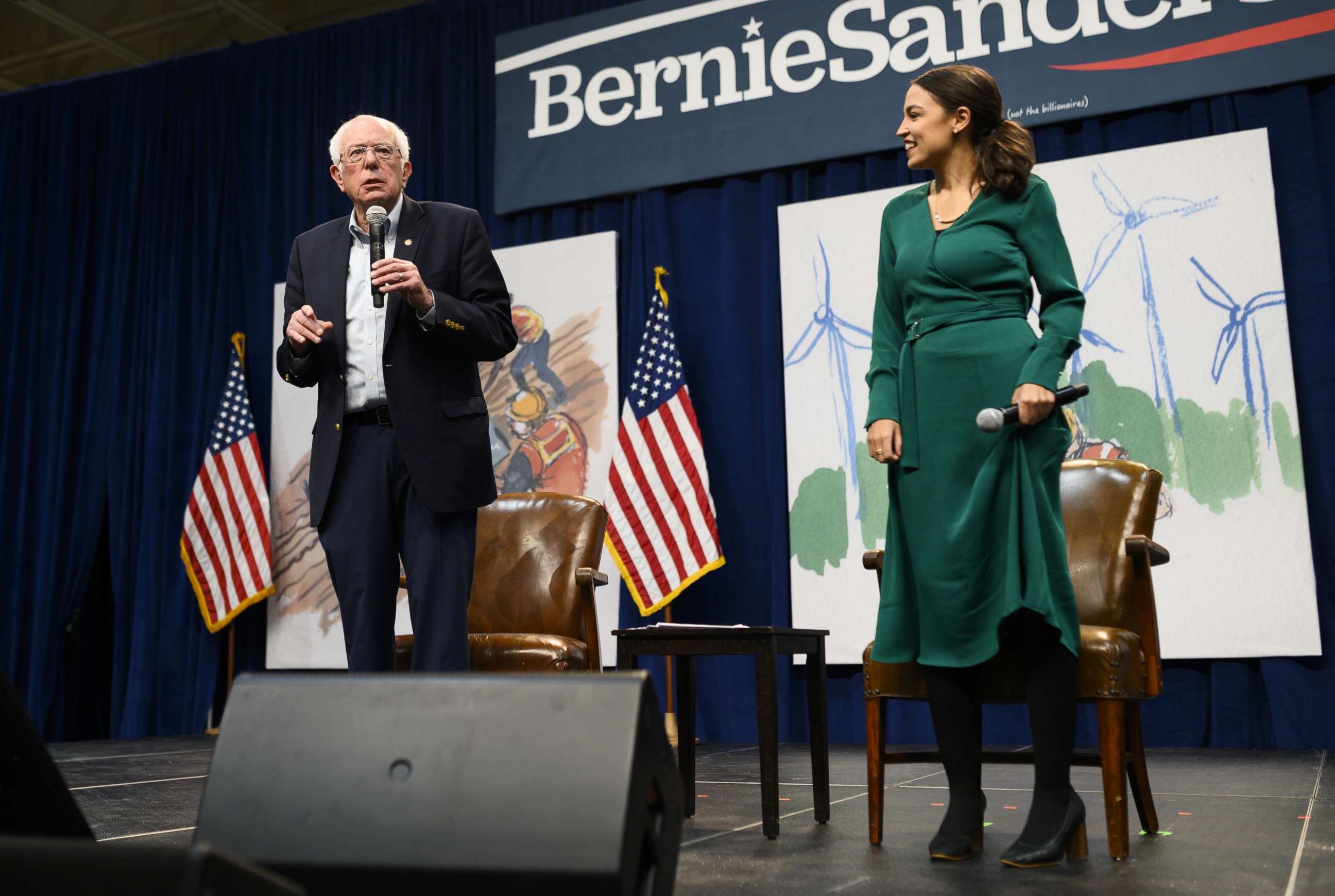
Alexandria Ocasio-Cortez, widely known by her initials AOC, represents the 14th Congressional District of New York and has remained a focal point of American political discourse since her election in 2018. While she has frequently deflected questions regarding a potential presidential run, the speculation persists among pundits and political analysts due to her high national profile, grassroots fundraising capabilities, and significant influence within the progressive wing of the Democratic Party. As of 2026, any serious consideration of such a campaign would be contingent upon shifting political alignments, constitutional age requirements, and the internal strategy of the progressive movement.
Constitutional Prerequisites and Age Eligibility
The most fundamental requirement for any individual contemplating a run for the office of President of the United States is stipulated in Article II, Section 1, Clause 5 of the U.S. Constitution. This clause mandates that a candidate must be a natural-born citizen, at least 35 years of age, and a resident of the United States for at least 14 years.
Alexandria Ocasio-Cortez was born on October 13, 1989. Following this constitutional timeline, she reached the age of 35 in October 2024. Consequently, as of 2026, she satisfies the age requirement for the presidency. This removes a previously cited barrier that had been the subject of speculation during her earlier terms in Congress. While age is no longer a disqualifying factor, the candidate must still navigate the complex landscape of federal campaign finance laws, state-by-state primary ballot access, and the institutional requirements of major political parties.
The Progressive Wing and Electoral Strategy
AOC’s political identity is inextricably linked to the progressive movement. A potential presidential bid would necessitate an evaluation of whether her platform—which focuses on climate policy, wealth redistribution, and universal healthcare—could successfully transition from a representational district-based model to a national coalition.
Historically, candidates emerging from progressive grassroots backgrounds face significant structural challenges in national elections. These include building a coalition that bridges the gap between urban progressive strongholds and moderate suburban voters, who often hold the balance of power in general elections. In 2026, political analysts frequently discuss the "AOC factor" as a measure of the Democratic Party's internal tension. Supporters argue that her ability to mobilize young, diverse, and disengaged voters is a prerequisite for victory, while critics point to the difficulty of maintaining a broad appeal in swing states where economic moderation is often prioritized.
Comparative Analysis: Congressional Experience vs. Executive Aspirations
Candidates for the presidency often have backgrounds in executive roles, such as governorships, or extensive experience in the U.S. Senate. AOC’s experience is rooted in the House of Representatives, which presents both advantages and disadvantages for a potential national campaign.
| Feature | Congressional Experience (AOC) | Typical Executive Path (Governor) |
|---|---|---|
| Policy Focus | Legislative advocacy and oversight | State-level implementation and budget |
| Media Profile | High national visibility | Regional recognition |
| Crisis Management | Committee-based inquiry | Direct oversight of state agencies |
| Campaign Base | Grassroots/Ideological | Institutional/Electoral |
The table above illustrates the divergence in experience. While executive roles provide tangible records of administrative success, congressional roles—especially those held by high-profile members like AOC—provide a powerful platform for setting the national agenda through rhetoric and legislative obstruction or advancement. For a candidate in the House, a presidential run requires demonstrating that their legislative philosophy can scale to the complexities of the federal executive branch.
Fundraising and Organizational Infrastructure
A successful presidential campaign requires a sophisticated apparatus for fundraising, data management, and ground operations. Throughout her tenure, AOC has demonstrated an exceptional ability to leverage small-dollar donations, bypassing traditional donor networks that often define establishment politics.
This funding model is significant because it grants a candidate a degree of independence from special interest groups. However, a presidential race is a multi-billion-dollar endeavor. Expanding from a digital-first fundraising model to a national machine capable of managing tens of thousands of staff, legal compliance teams, and advertising budgets in every state is a monumental hurdle. Any exploration of a run in the current political cycle would involve building or utilizing a Political Action Committee (PAC) or similar entity to test the waters and determine whether the existing donor base possesses the depth to sustain a multi-year campaign.
Key Considerations for a National Platform
If a candidacy were to materialize, the following areas would likely form the backbone of the campaign's policy development:
- Climate Change Policy: Continuing the emphasis on the Green New Deal framework.
- Economic Inequality: Advocating for progressive tax structures and labor rights protections.
- Foreign Policy: Shifting away from traditional interventionist stances in favor of multilateralism and human rights-centered diplomacy.
- Government Reform: Addressing campaign finance, voting rights, and the structure of the judiciary.
These pillars represent a distinct departure from traditional moderate Democratic platforms. The core question for any presidential run by AOC would be whether she seeks to capture the center of the party or force the party to pivot toward her existing ideological center of gravity.
Frequently Asked Questions
Is there an official announcement regarding an AOC presidential bid? As of 2026, there has been no official declaration or campaign registration filed by Alexandria Ocasio-Cortez for a presidential run. She has consistently stated her focus remains on her work within the House of Representatives.
Does she meet the constitutional requirements to be president? Yes. Having been born in 1989, she surpassed the constitutionally mandated age of 35 in 2024, thereby meeting the age eligibility requirement for the presidency.
What is the biggest challenge for a progressive candidate in a general election? The primary challenge is assembling a coalition that retains the support of the party's progressive base while appealing to independent and moderate voters who are often decisive in battleground states.
How does her House tenure impact a potential presidential run? Her tenure in the House provides her with high name recognition and a clear policy record. However, she lacks the executive experience that many voters and party leaders historically associate with presidential readiness.
How has the political environment changed by 2026? By 2026, the political landscape is shaped by the mid-decade legislative results and evolving economic conditions, which influence the viability of ideological candidates who previously struggled to find footing in moderate suburban areas.
Navigating the Future of Political Candidacy
For observers tracking the possibility of an AOC presidential run, the most reliable indicators will not be found in media speculation but in the tangible expansion of her political infrastructure. This includes the hiring of national-level consultants, the formation of exploratory committees, and increased travel to primary-state hubs such as Iowa, New Hampshire, or South Carolina.
Potential voters and political observers should prioritize evaluating candidates based on their published policy white papers and their ability to articulate a vision that addresses the specific legislative and economic concerns of the time. The transition from a House representative to a credible national candidate requires a shift from singular focus on policy rhetoric to the development of a comprehensive strategy for domestic and international governance. As the electoral calendar moves toward the next presidential cycle, verifying candidate intentions through official filings with the Federal Election Commission remains the most accurate way to monitor developments.