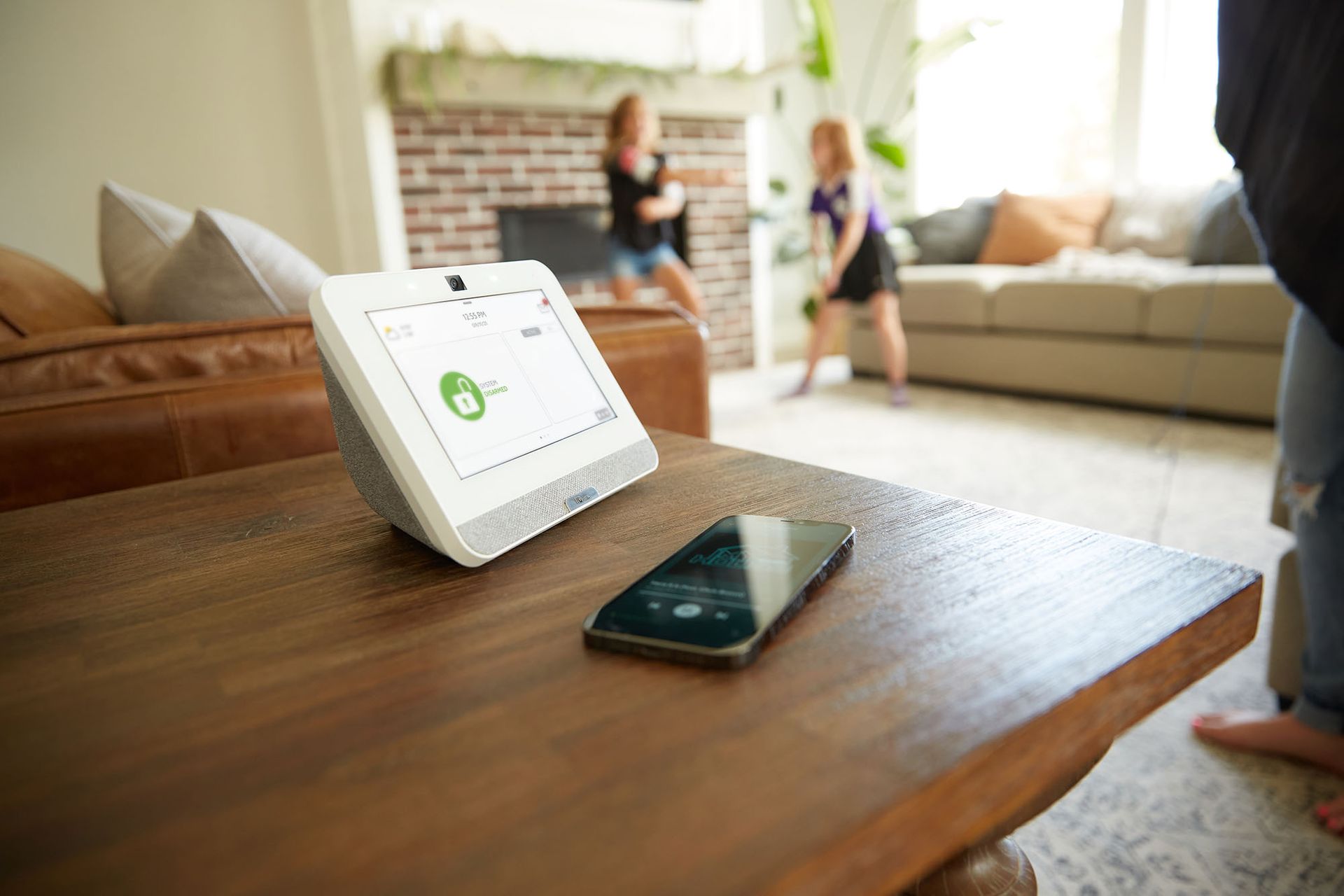
AP Home Security represents a specialized convergence of managed detection and response (MDR) and advanced physical asset protection. Designed for high-net-worth individuals and secure remote environments, it prioritizes proactive threat hunting over reactive alarms, integrating network-level cybersecurity with enterprise-grade physical surveillance to ensure holistic residential safety.
The Evolution of Residential Defense: Why AP Matters in 2026
As of 2026, the boundary between physical security and digital privacy has effectively vanished. Traditional home security systems—often characterized by simple door sensors and motion-activated cameras—no longer suffice for modern households where digital assets and physical safety are inextricably linked. The "AP" (ArmorPoint) approach to home security addresses this by applying industrial-strength security operations center (SOC) logic to the residential environment.
The necessity for this "Modern Protection" arises from the proliferation of IoT (Internet of Things) devices. By 2026, the average high-end home manages over 50 connected devices, ranging from smart appliances to sophisticated home office infrastructure. Each device serves as a potential entry point for digital intrusion. AP Home Security shifts the paradigm from "detecting an intruder" to "preventing an exploitation," utilizing a unified framework that monitors both the perimeter of the property and the integrity of the home network.
Furthermore, the rise of sophisticated social engineering and targeted physical theft has forced a move toward Asset Protection (AP) strategies. This involves not just sounding an alarm when a window breaks, but utilizing predictive analytics to identify suspicious patterns before a breach occurs. Whether it is a VIP residence or a highly secure remote work site, the AP methodology provides a layer of professional oversight previously reserved for corporate headquarters.
Core Components of the AP Security Ecosystem
To understand how AP Home Security functions, one must examine its three primary pillars: Hardware, Software (The "Brain"), and Human-Led Monitoring. Unlike DIY systems that rely solely on the homeowner’s smartphone for alerts, the AP ecosystem is a managed service.
Unified Threat Management (UTM) Gateways
At the heart of the digital defense is the UTM Gateway. In 2026, these devices have evolved beyond simple routers. They perform deep packet inspection (DPI) on all incoming and outgoing traffic. By identifying the unique "signatures" of malware or unauthorized access attempts, the UTM serves as a digital moat. AP systems specifically use these gateways to segment the home network, ensuring that a vulnerability in a smart lightbulb cannot be used to access a secure work laptop or a private NAS (Network Attached Storage) device.
Intelligent Physical Surveillance
Modern AP systems utilize high-definition cameras equipped with edge-processing AI. This technology distinguishes between routine environmental motion (such as a pet or swaying trees) and genuine threats (such as a person loitering or a vehicle circling the block). By 2026, these cameras integrate thermal imaging and low-light sensors as standard features, providing 24/7 visibility regardless of weather conditions. The data from these sensors is fed into a central hub that correlates physical movements with digital anomalies.
Managed Detection and Response (MDR)
The "Modern Protection" aspect of AP is most evident in its MDR capabilities. This involves a 24/7 Security Operations Center where trained analysts review high-priority alerts. If an intruder attempts to jam a wireless security signal—a common tactic for modern burglars—the SOC is alerted immediately. Similarly, if a domestic smart device begins communicating with a known malicious server in a foreign jurisdiction, the AP analysts can isolate that device remotely, preventing data exfiltration before the homeowner is even aware of the risk.
Technical Requirements and Infrastructure
Implementing an AP Home Security system requires more than just unboxing sensors. Because the system relies on high-bandwidth data processing and constant communication with a SOC, the underlying infrastructure must meet specific standards.
- Symmetrical Fiber Connectivity: For the 2026 service tier, a minimum of 500 Mbps symmetrical upload and download speeds is recommended. This ensures that 4K/8K video feeds can be analyzed in real-time without latency, and that off-site cloud backups are instantaneous.
- Power Redundancy (UPS): AP systems require a dedicated Uninterruptible Power Supply (UPS) for the central hub and UTM gateway. Modern installations often integrate with home battery systems (like Tesla Powerwall or similar) to ensure the security stack remains online during grid failures.
- Hardwired Backbones: While the system supports wireless sensors, the core cameras and access points are typically hardwired using Category 6A or Category 7 cabling. This eliminates the risk of RF interference or intentional signal jamming, which has become a significant vulnerability for lower-tier wireless systems.
- Zero-Trust Network Access (ZTNA): The AP software layer operates on a zero-trust model. This means every device on the network must be authenticated and its behavior verified. When a new device is brought into the home, it is placed in a "sandbox" until the AP system confirms its security posture.
Installation and Professional Integration
The "Modern Protection" overview of AP security emphasizes that this is not a "plug-and-play" solution. Professional installation is mandatory to ensure that there are no blind spots—both physical and digital.
The process typically begins with a Comprehensive Vulnerability Assessment. An AP certified technician evaluates the property's perimeter, entrance points, and the existing network landscape. This includes a "Wi-Fi Heatmap" to identify areas where signal degradation might occur and a "Cyber Audit" of existing smart devices.
Following the audit, the hardware is deployed with a focus on "Hardening." This involves changing all default credentials, updating firmware to the 2026 standard, and configuring the UTM gateway to block known malicious IP ranges. The final stage is the "Handover," where the homeowner is trained on the AP Dashboard. This interface provides a single pane of glass to view both camera feeds and network health, though the goal of the managed service is to minimize the need for the owner to intervene manually.
Cost Structures and Service Tiers
As of 2026, AP Home Security is generally offered as a "Security-as-a-Service" (SECaaS) model. This involves an upfront equipment cost and a monthly subscription fee for the managed monitoring and MDR services.
| Feature | Basic AP Tier | Elite AP Tier | Legacy Standard Systems |
|---|---|---|---|
| Monitoring | 24/7 Professional | 24/7 SOC + MDR | 24/7 Call Center |
| Network Security | Firewall + Antivirus | Full UTM + Deep Packet Inspection | None (Consumer Router Only) |
| Hardware | 1080p / 4K Mix | 4K / 8K + Thermal | 1080p Wireless |
| Response Time | < 2 Minutes | < 30 Seconds | 5 - 10 Minutes |
| Data Privacy | Encrypted Cloud | Local Sovereign + Cloud | Standard Cloud |
| Annual Audit | Remote Only | On-site + Digital Pen-Test | None |
Note: Pricing in 2026 typically starts at $150/month for basic tiers, reflecting the cost of human-led monitoring and advanced cybersecurity licensing.
Comparing AP to Traditional Residential Security
The primary differentiator for AP Home Security is contextual intelligence. Traditional systems are binary: a door is either open or closed. If it opens while the system is "Armed," an alarm sounds. However, this leads to a high rate of false alarms, which can result in fines from local law enforcement or, worse, complacency from the homeowner.
AP systems use contextual data to reduce noise. For example, if the garage door opens but the system recognizes the homeowner's vehicle via license plate recognition (LPR) and confirms their smartphone's presence via Bluetooth Low Energy (BLE) proximity, no alarm is triggered. Conversely, if a door opens and the UTM gateway simultaneously detects an unfamiliar MAC address attempting to connect to the Wi-Fi, the system elevates the threat level immediately.
Furthermore, traditional systems are often "dark" until a breach occurs. AP systems are "always on," searching for the "low and slow" signs of a digital intrusion or a physical scout. This proactive stance is the hallmark of modern protection in 2026.
Addressing Privacy and Data Sovereignty
One of the most significant concerns for homeowners in 2026 is where their data goes. With AP Home Security, privacy is handled through Data Sovereignty Protocols. Unlike mass-market cameras that may send unencrypted footage to third-party servers for analysis, AP systems prioritize local processing.
High-priority metadata is sent to the SOC for threat analysis, but the actual video streams are often stored on a local, encrypted server within the home. If the SOC needs to view a live feed during a confirmed incident, they are granted time-limited, audited access. This ensures that the homeowner’s private life remains private, while still benefiting from professional oversight. All communications between the home hub and the AP servers use Quantum-Resistant Encryption (QRE), a standard that has become essential by 2026 to protect against emerging decryption technologies.
Common Pitfalls and Troubleshooting
Despite its sophistication, the AP system is not immune to operational challenges. Understanding these common issues is vital for maintaining peak performance.
- Bandwidth Contention: Even with high-speed fiber, heavy use of 8K streaming or large cloud backups can sometimes throttle security uploads. AP systems use Quality of Service (QoS) rules to prioritize security traffic above all else, but users must be aware that adding excessive "bandwidth hogs" without notifying their AP provider can lead to latency.
- Sensor Calibration: AI-driven cameras require periodic recalibration. As landscaping grows or the exterior environment changes, the "masking" zones (areas where the camera ignores motion) may need adjustment to prevent false positives.
- Firmware Mismatches: When a homeowner adds a new "unmanaged" device to the network, it may lack the latest security patches. The AP system will often flag these as "High Risk," which can be frustrating for users who want immediate connectivity. The solution is always to route new devices through the AP "Onboarding" portal.
Frequently Asked Questions
Can AP Home Security integrate with my existing smart home devices?
Yes, but with caveats. AP systems are designed to be "vendor-agnostic," meaning they can communicate with Zigbee, Z-Wave, and Matter-enabled devices. However, to maintain the "Modern Protection" standard, the AP gateway will often wrap these devices in a virtual private network (VPN) or a dedicated VLAN to prevent them from becoming vulnerabilities.
What happens if my internet connection is cut?
AP Home Security systems utilize Triple Redundancy. If the primary fiber line is cut, the system immediately fails over to a 5G/6G cellular backup. If cellular is also unavailable, the system has a localized "Fail-Safe" mode where the on-site hub continues to record data and triggers local sirens/lights, while an "Offline Alert" is generated at the SOC based on the sudden loss of heartbeats from the home.
Is professional monitoring really necessary if I have the app?
In the landscape of 2026, yes. The complexity of modern threats—ranging from de-authentication attacks to AI-generated voice phishing—requires human expertise to differentiate between technical glitches and targeted attacks. Professional monitoring ensures that someone is watching when you are asleep, traveling, or otherwise unable to check your phone.
How does AP security impact home insurance premiums?
Most premium insurers now offer significant discounts (often 15-25%) for homes protected by a managed MDR and physical security suite. Because the AP system provides verifiable logs and a lower risk of total loss due to early detection, it is viewed as a "Risk Mitigation" asset by underwriters.
How long does the installation process typically take?
A standard residential installation usually spans two to four days. This includes the physical mounting of hardware, the pulling of high-speed cables, and the "Digital Hardening" phase where the network is configured and the SOC connection is verified.
Final Recommendation
For those seeking the highest level of residential safety in 2026, AP Home Security is the recommended path. It moves beyond the limitations of reactive hardware, offering a managed, intelligent, and proactive defense strategy. To begin, homeowners should schedule a professional site audit to determine their specific risk profile. In an era where physical and digital threats are synonymous, a unified protection overview is no longer a luxury—it is a necessity for maintaining a truly secure home.