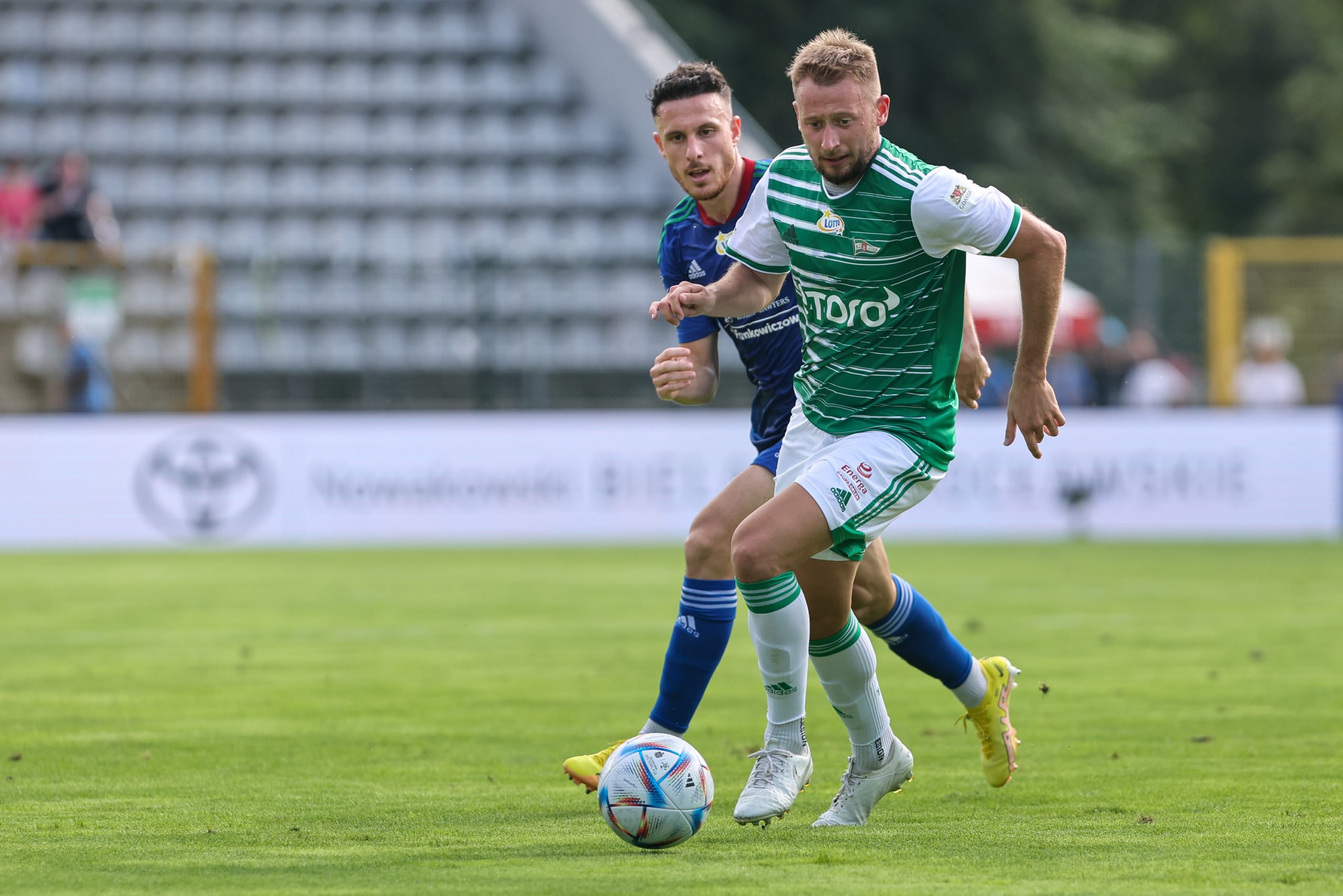
Angelo Henríquez is a Chilean professional footballer who rose to international prominence as a teenage striker for Universidad de Chile before signing with Manchester United in 2012. Known for his clinical movement and early maturity, his career has spanned over a dozen clubs across Europe and South America, including successful stints in Croatia and recent veteran roles in Greece and Russia.
The Early Breakthrough at Universidad de Chile (2011–2012)
The story of Angelo Henríquez begins at the prestigious academy of Universidad de Chile, one of the country’s most successful sporting institutions. Entering the first team during a golden era under the management of Jorge Sampaoli, Henríquez was thrust into a high-intensity, attacking system that perfectly suited his instinctive movement inside the penalty area.
By early 2012, Henríquez had established himself as the premier "wonderkid" of Chilean football. At just 18 years old, he displayed a remarkable ability to find space between veteran defenders, leading the line in both domestic competition and the Copa Libertadores. His performance in the 2012 Apertura was particularly notable; he scored 10 goals in 17 appearances, demonstrating a conversion rate that drew immediate comparisons to legendary Chilean strikers like Marcelo Salas.
The scouts from Europe, specifically from Manchester United, had been tracking him since he was 15, having secured a first-option agreement during his youth development. His rapid ascent in 2012 forced the English giants to accelerate their plans, triggering a transfer fee of approximately £4 million to bring him to Old Trafford before other European powerhouses could intervene.
The Manchester United Era and the Loan Cycle
Joining Manchester United in August 2012 was both a career-defining moment and a significant challenge for Henríquez. Arriving at a time when Sir Alex Ferguson was still at the helm, Henríquez was viewed as a long-term successor to the club’s established forwards. However, the depth of the squad—which included Robin van Persie, Wayne Rooney, Javier "Chicharito" Hernández, and Danny Welbeck—meant that immediate first-team minutes were nearly impossible to secure.
The Wigan Athletic Loan (2013)
In January 2013, Henríquez was loaned to Wigan Athletic to gain Premier League experience. While he was part of the squad that famously won the 2013 FA Cup, his personal playing time remained limited. He managed to score his first Premier League goal against Sunderland, but he struggled to displace more experienced strikers in Roberto Martínez’s relegation-battling side.
Real Zaragoza and the Adaptation to Europe (2013–2014)
Following the retirement of Sir Alex Ferguson and the arrival of David Moyes, Henríquez was loaned to Real Zaragoza in the Spanish Segunda División. This period was crucial for his physical development. While he scored six goals during the campaign, the move highlighted the difficulty of transitioning from the relatively open spaces of South American football to the tactically rigid defenses of the European second tiers.
Rebirth at Dinamo Zagreb: The Peak Years
The most successful and statistically impressive chapter of Angelo Henríquez’s career occurred in Croatia with GNK Dinamo Zagreb. Initially joining on loan in 2014 before the move was made permanent in 2015, Henríquez finally found a system that prioritized his role as a primary finisher.
In the 2014–2015 season, Henríquez was nothing short of a sensation in the Croatian First Football League (Prva HNL). He scored 20 league goals and 29 goals across all competitions, including a memorable hat-trick against rivals Hajduk Split. For the first time since leaving Chile, he was playing with the confidence and regularity that his early career had promised.
During his three-year tenure in Zagreb, Henríquez achieved several milestones:
- Domestic Dominance: He won two league titles and two Croatian Cups.
- Champions League Exposure: He gained vital experience playing against elite opposition in Europe's premier competition.
- Statistical Peak: His goal-to-game ratio during the 2014–15 season remains one of the best for a foreign striker in Croatian history.
Despite the initial success, his form began to fluctuate toward the end of his stay in Croatia. As managerial changes occurred and tactical shifts favored more physical, hold-up strikers, Henríquez’s opportunities diminished, eventually leading to his departure in early 2018.
The Return to the Americas: Mexico, Chile, and Brazil
Searching for a revitalized starting role, Henríquez moved to Liga MX side Atlas in 2018. The Mexican league is known for its high technical standards and demanding environment for strikers. Unfortunately, the move did not yield the goal-scoring return expected, as he struggled to adapt to the altitude and the defensive intensity of the league.
The Emotional Return to "La U"
In late 2018, Henríquez returned to his home club, Universidad de Chile. This move was celebrated by fans who remembered his teenage exploits. However, the club was going through a period of institutional instability and poor results. Henríquez assumed a veteran leadership role despite being in his mid-20s, but the team's lack of creative service often left him isolated. He remained at the club until 2021, helping them navigate difficult seasons before seeking a new challenge abroad.
Fortaleza and the Brazilian Experience
In July 2021, Henríquez signed with Fortaleza in the Brazilian Série A. Playing under coach Juan Pablo Vojvoda, he was part of a historic campaign that saw Fortaleza qualify for the Copa Libertadores. While he was more of a rotational player than a guaranteed starter, his presence added tactical flexibility to the squad. His time in Brazil was relatively brief, as the competitive nature of the Série A roster meant he was soon looking toward Europe once again.
Recent Career: Poland, Russia, and Greece (2022–2026)
By 2022, Henríquez had transitioned into the "journeyman" phase of his career, utilizing his experience across different footballing cultures to find roles in emerging or mid-tier European leagues.
- Miedź Legnica (Poland): In 2022, he signed for the Polish side Miedź Legnica. He showed flashes of his old self, scoring several key goals, though the club struggled in the Ekstraklasa.
- Baltika Kaliningrad (Russia): In 2023, he made a move to the Russian Premier League with Baltika Kaliningrad. This move was viewed as a strategic attempt to play in a physically demanding league that rewards intelligent positioning.
- PAS Lamia (Greece): Following his stint in Russia, Henríquez moved to the Greek Super League with PAS Lamia in 2024. In the 2025 and 2026 seasons, he has established himself as a reliable veteran presence, often utilized for his ability to mentor younger attackers while providing clinical finishing in tight matches.
Career Statistics and Comparison
The following table summarizes Henríquez's career progression and impact across his various clubs as of 2026.
| Period | Club | League | Appearances (Approx.) | Goals (Approx.) | Key Achievement |
|---|---|---|---|---|---|
| 2011–2012 | Universidad de Chile | Chile Primera | 28 | 15 | 2012 Apertura Title |
| 2012–2015 | Manchester United | Premier League | 0 | 0 | FA Cup (on loan at Wigan) |
| 2013–2014 | Real Zaragoza (Loan) | Spain Segunda | 25 | 6 | Tactical adaptation |
| 2014–2017 | Dinamo Zagreb | Prva HNL | 129 | 51 | 2x League Winner |
| 2018 | Atlas | Liga MX | 21 | 2 | Cup experience |
| 2018–2021 | Universidad de Chile | Chile Primera | 75 | 15 | Veteran leadership |
| 2021–2022 | Fortaleza | Brazil Série A | 18 | 1 | Libertadores Qualification |
| 2022–2023 | Miedź Legnica | Ekstraklasa | 29 | 7 | Leading scorer (Club) |
| 2023–2024 | Baltika Kaliningrad | Russian PL | 26 | 6 | Physical development |
| 2024–2026 | PAS Lamia | Greek Super League | 40+ | 12+ | Mid-table stability |
International Career: Chile’s Golden Generation
Henríquez’s international career is inextricably linked to Chile’s "Golden Generation" (La Generación Dorada). While he was often in the shadow of Alexis Sánchez and Eduardo Vargas, his contributions were vital during key periods of transition.
His crowning achievement came in 2015, when Chile hosted and won the Copa América. Henríquez was a member of the squad and famously came on as a substitute in the final against Argentina. His energy and pressing in the final stages of the match helped Chile maintain their intensity through extra time, eventually leading to their first-ever major trophy via a penalty shootout.
Over the years, he earned over 25 caps for the national team. While his international scoring record did not match his early club exploits, his willingness to play various roles—whether as a central striker, a second forward, or a wide attacker—made him a favorite of coaches like Jorge Sampaoli and Juan Antonio Pizzi.
Technical Analysis: Playing Style and Evolution
In 2026, looking back at the career of Angelo Henríquez, we can identify a distinct tactical evolution. He was never the tallest or most physically imposing striker, but he possessed a set of technical attributes that allowed him to survive in diverse environments.
The Poacher’s Instinct
Early in his career, Henríquez was a pure "poacher." His primary strength was his anticipation. He had a "sixth sense" for where a rebound would fall or where a cross would land. This instinct allowed him to score a high volume of goals from close range, often with a single touch.
Tactical Intelligence and Pressing
As he moved to Europe, especially under the influence of modern tactical systems in Croatia and later Russia, he developed a much better understanding of defensive responsibilities. He became an effective "first line of defense," using his stamina to press center-backs and trigger team-wide turnovers.
Limitations and Adaptation
The primary criticism of Henríquez throughout his career was a perceived lack of consistency when playing in teams that did not dominate possession. In Croatia, where Dinamo Zagreb was the superior side, he flourished. In the Premier League or Liga MX, where he had fewer touches per game, he struggled to impose himself. His later career success in Poland and Greece suggests he has learned to become more efficient with limited opportunities, transitioning from a volume shooter to a precision finisher.
Frequently Asked Questions (FAQ)
Why didn't Angelo Henríquez play for Manchester United's first team?
The primary reason was the timing of his arrival and the immense competition at the club. When Henríquez joined in 2012, Manchester United had one of the strongest attacking lineups in the world. Additionally, the managerial instability following Sir Alex Ferguson's retirement led to a shift in philosophy, where subsequent managers preferred established world-class talent over developing prospects. Work permit regulations also played a role in his early loans, which disrupted his integration into the Manchester United squad.
What is Angelo Henríquez's greatest achievement?
While his 2014-15 season with Dinamo Zagreb was his statistical peak, his greatest achievement is widely considered the 2015 Copa América title with the Chilean national team. Being part of the squad that broke Chile's century-long trophy drought and playing minutes in the final against Lionel Messi’s Argentina is the pinnacle of his professional career.
How many goals did Angelo Henríquez score for Universidad de Chile?
Across his two separate spells at the club (2011–2012 and 2018–2021), Henríquez scored approximately 30 goals in official competitions. His first spell remains his most impactful in terms of goal-to-game ratio, while his second spell was characterized by his commitment to the club during a difficult era of rebuilding.
What is his current status in 2026?
As of 2026, Angelo Henríquez is a veteran striker playing in the Greek Super League. He has moved away from the high-pressure environments of top-five European leagues and has found a niche as a reliable goal-scorer and leader in mid-tier European football. He is currently focused on helping his club compete for European qualification spots while mentoring the next generation of South American exports.
Conclusion and Recommendations
Angelo Henríquez’s career serves as a fascinating case study in the trajectory of a "wonderkid." While he did not become the global superstar many predicted when he signed for Manchester United, he has carved out a respectable and diverse professional life across three continents.
For fans and analysts tracking his progress in 2026, the key takeaway is his resilience. Many young players who fail to meet the lofty expectations of a club like Manchester United fade away from professional football. Henríquez, by contrast, has consistently found new ways to contribute, whether by dominating the Croatian league or becoming a dependable veteran in Greece. For young Chilean strikers looking to move abroad, Henríquez remains a vital example of the professionalism and adaptability required to maintain a decade-long career in the demanding landscape of global football.