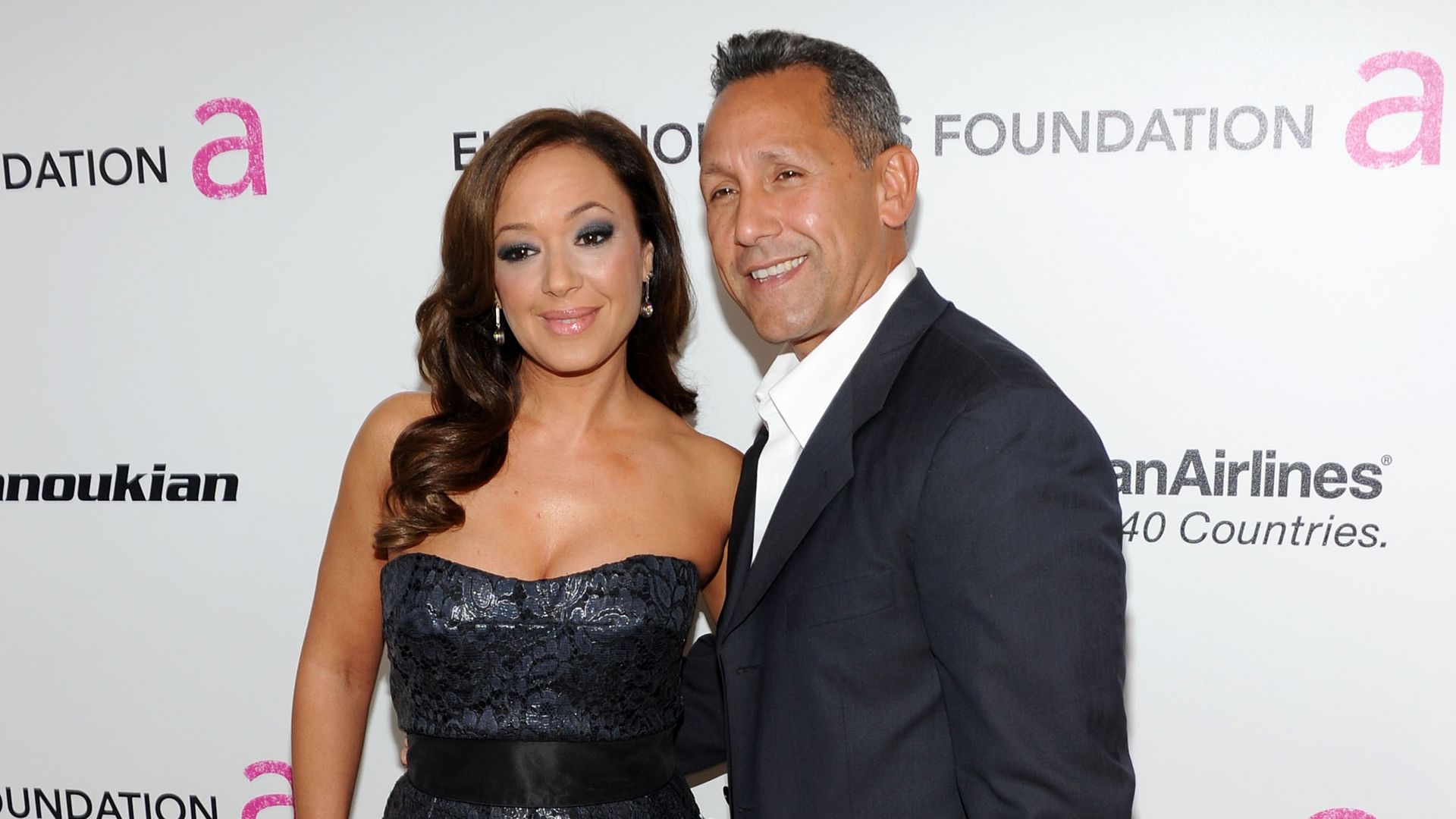
Angelo Pagan is of Puerto Rican ethnicity. Born in San Juan, Puerto Rico, on May 16, 1968, he moved to New York City as a child, where he was raised in the Bronx. This upbringing solidified his identity as a Nuyorican—a term describing the unique cultural blend of Puerto Rican heritage and New York City residency.
The question of Angelo Pagan’s ethnicity often arises due to his long-standing presence in American media, particularly through his marriage to actress Leah Remini and his recurring roles in popular sitcoms. While he is a United States citizen by birth (as are all people born in Puerto Rico), his ethnic roots are deeply embedded in the Caribbean island’s Spanish, African, and indigenous Taíno history. To understand Pagan’s identity, one must look beyond a simple label and explore the cultural milestones that defined his life and career.
The Foundations of Angelo Pagan’s Puerto Rican Heritage
Angelo Pagan was born in San Juan, the capital of Puerto Rico. His early years on the island provided a foundational connection to the Spanish language and local customs that he would carry with him for the rest of his life. Puerto Rican ethnicity is complex, often characterized by a "triple heritage" resulting from the historical blending of European (primarily Spanish), West African, and indigenous Taíno peoples.
When Pagan moved to the Bronx, New York, he entered a vibrant community of the Puerto Rican diaspora. In the mid-20th century, New York City became the primary hub for Puerto Ricans moving to the mainland United States. This migration created a distinct subculture known as "Nuyorican." Growing up in this environment meant that Pagan was immersed in a world where salsa music, traditional foods like arroz con gandules, and a bilingual lifestyle were the norms. For Pagan, being Puerto Rican is not just about a place of birth; it is a lived experience that bridges the gap between the island's traditions and the urban landscape of the United States.
Cultural Identity and the "Nuyorican" Experience
The term "Nuyorican" is essential to explaining Angelo Pagan’s ethnicity and public persona. It represents more than a geographic move; it is a sociopolitical and cultural identity. For individuals like Pagan, growing up in the Bronx during the 1970s and 1980s meant navigating a dual identity. He was "too American" for some on the island and "too Puerto Rican" for some in the mainland U.S.
This duality often informs the work of artists and actors of Puerto Rican descent. Pagan’s ability to move between these worlds allowed him to bring an authentic energy to his roles. His ethnicity is reflected in his rhythmic speech patterns, his culinary interests, and his deep ties to the Latino community in both New York and Los Angeles. In many ways, Pagan serves as a representative of the successful transition many Puerto Rican families made during the Great Migration era, maintaining their cultural integrity while achieving the American dream.
Angelo Pagan’s Career and Ethnic Representation
Throughout his career as an actor and musician, Angelo Pagan has frequently occupied roles that highlight his Hispanic heritage. While Hollywood has historically struggled with stereotypical casting, Pagan’s career spans a period of evolving representation for Latino actors.
Television and Film Roles
Pagan is perhaps best known to the general public for his recurring appearances on The King of Queens, the long-running sitcom starring Kevin James and Leah Remini. In the show, he played multiple characters, often bringing a charismatic, street-smart New York energy that felt natural to his Bronx roots. His ethnicity allowed him to play roles that felt grounded and relatable to a diverse audience.
Beyond sitcoms, Pagan appeared in high-profile films such as Swordfish (2001) and Almost a Woman (2002). The latter, in particular, is significant as it tells the story of a young girl moving from Puerto Rico to New York—a narrative that closely mirrors Pagan’s own life story. By participating in projects that center on the Puerto Rican experience, Pagan has contributed to the broader visibility of his community in mainstream entertainment.
Musical Influence
In addition to acting, Pagan is an accomplished musician and singer. His musical style often incorporates Latin rhythms, reflecting the influence of salsa and bolero music that is synonymous with Puerto Rican culture. Music serves as a primary vehicle for ethnic expression in the Caribbean, and Pagan’s involvement in the industry further cements his connection to his roots.
Family Life and the Intersection of Cultures
Angelo Pagan’s ethnicity became a focal point for many fans during his marriage to Leah Remini. The couple, who married in 2003 and remained a high-profile pair until their separation and subsequent divorce filing in late 2024, often showcased their blended family dynamics on their reality show, Leah Remini: It's All Relative.
Remini, who is of Italian and Jewish descent, and Pagan, who is Puerto Rican, represented a quintessentially American "melting pot" family. The show highlighted how Pagan’s Puerto Rican heritage influenced their household, from the food they ate to the way they celebrated holidays. As of 2026, their daughter, Sofia Bella Pagan, stands as a testament to this cultural blend, carrying forward a legacy that includes the vibrant traditions of both her parents.
Pagan also has three sons from previous relationships: Nicholas, Alex, and Angelo Jr. In the context of his ethnicity, Pagan has often spoken about the importance of family and "familismo"—a core Latino value that emphasizes strong family loyalty, reciprocity, and solidarity.
| Feature | Details |
|---|---|
| Birthplace | San Juan, Puerto Rico |
| Primary Residence | Los Angeles, California (formerly New York City) |
| Ethnicity | Puerto Rican (Latino/Hispanic) |
| Cultural Identity | Nuyorican |
| Languages | English, Spanish |
| Notable Work | The King of Queens, Swordfish, Leah Remini: It's All Relative |
| Entrepreneurship | Vivian's Millennium Cafe (Owner/Operator) |
The Role of Entrepreneurship: Vivian’s Millennium Cafe
To fully explain Angelo Pagan’s identity, one must mention his role as a business owner. For years, he has owned and operated Vivian’s Millennium Cafe in Studio City, California. This establishment is more than just a business; it is an extension of his hospitality and cultural background.
In Puerto Rican culture, the concept of a "fonda" or a local neighborhood eatery is a staple of social life. While Vivian’s serves a variety of American comfort foods, the warmth and community-focused atmosphere reflect Pagan’s cultural upbringing. Running a successful small business is a significant part of the Puerto Rican migrant narrative in the U.S., and Pagan’s success in this arena highlights his multi-faceted nature as an actor, musician, and entrepreneur.
The Significance of Puerto Rican Identity in 2026
As of 2026, the conversation surrounding ethnicity in the United States has moved toward a more nuanced understanding of heritage. Angelo Pagan remains a prominent example of how Puerto Rican identity is not a monolith. His life story encompasses the migration from the island, the struggle and success in the urban mainland, and the eventual achievement of professional success in the competitive world of Hollywood.
His ethnicity is not merely a box checked on a census form; it is the lens through which he views the world. From the way he mentors younger Latino actors to his involvement in charitable causes that benefit the Puerto Rican community, Pagan continues to honor his San Juan origins.
Navigating Public Perception and Stereotypes
Like many actors of color, Angelo Pagan has had to navigate the complexities of Hollywood’s perception of his ethnicity. In the early stages of his career, Latino actors were often confined to specific archetypes—the "tough guy," the "lover," or the "comic relief." Pagan managed to transcend many of these limitations by bringing a genuine, multi-dimensional quality to his performances.
His ethnicity provided him with a unique "cool factor" that was highly sought after in 1990s and early 2000s television. However, he also worked to ensure that his characters had depth. By being open about his heritage and his Bronx upbringing, he helped humanize the Puerto Rican experience for audiences who might only have known the culture through caricatures.
Frequently Asked Questions
Is Angelo Pagan fully Puerto Rican?
Yes, Angelo Pagan is of 100% Puerto Rican descent. Both of his parents are from the island, and he was born in San Juan. While he has lived most of his life in the continental United States, his ethnic and cultural roots are entirely Puerto Rican.
Does Angelo Pagan speak Spanish?
Angelo Pagan is bilingual. Having been born in Puerto Rico and raised in a Nuyorican household in the Bronx, he grew up speaking both Spanish and English. He has often used his bilingual skills in his acting roles and his musical career.
What is the difference between Angelo Pagan's nationality and ethnicity?
His nationality is American, as Puerto Rico is a territory of the United States and all Puerto Ricans are U.S. citizens by birth. His ethnicity is Puerto Rican, which falls under the broader Hispanic or Latino category. This distinction is important for understanding his identity as a member of the Puerto Rican diaspora.
How did his ethnicity affect his marriage to Leah Remini?
Pagan’s ethnicity was a significant part of the couple's public identity. Their relationship was often celebrated for its cross-cultural nature. On their reality show, they frequently joked about the differences between his Puerto Rican upbringing and Remini’s Italian-Jewish New York background, though they shared common ground in their East Coast roots.
What is Angelo Pagan's current status in 2026?
As of 2026, Angelo Pagan continues to work in the entertainment industry and manage his business ventures. While he and Leah Remini moved forward with their divorce following their 2024 announcement, he remains a dedicated father and a respected figure in the Latino entertainment community.
Practical Recommendation for Further Learning
If you are interested in exploring more about the culture that shaped Angelo Pagan, a study of the Nuyorican Movement is highly recommended. Understanding the history of the Bronx in the 1970s, the rise of salsa music (Fania Records), and the literature of authors like Piri Thomas or Esmeralda Santiago provides deep context for the world Angelo Pagan inhabits. This cultural backdrop is essential for anyone seeking to understand the specific "flavor" of Puerto Rican ethnicity that Pagan represents—a blend of island soul and New York grit.