Wesco Insurance Company, an underwriting subsidiary of AmTrust Financial Services, Inc., is a primary provider of workers' compensation insurance for small to mid-sized businesses across the United States. Policyholders receive statutory medical and disability coverage for employee job-related injuries, backed by AmTrust's centralized policy management portal, pay-as-you-go payroll billing options, and specialized claims handling procedures.
What Is Wesco Insurance Company's Role Within AmTrust Financial?
Wesco Insurance Company operates as a licensed stock property and casualty insurer domiciled in Delaware (NAIC #25011). While the policy document or certificate of insurance displays Wesco Insurance Company as the issuing carrier, all underwriting, administrative, premium audit, and claims management operations are executed through its parent entity, AmTrust Financial Services, Inc.
Founded in 1998, AmTrust Financial has grown into one of the largest underwriters of small business workers' compensation insurance in North America. AmTrust uses several underwriting subsidiaries to write policies tailored to regional regulations, industry classifications, and risk profiles. Wesco Insurance Company is one of AmTrust’s primary active paper issuers, particularly for commercial lines, package policies, and monoline workers' compensation programs.
Target Industries and Class Codes
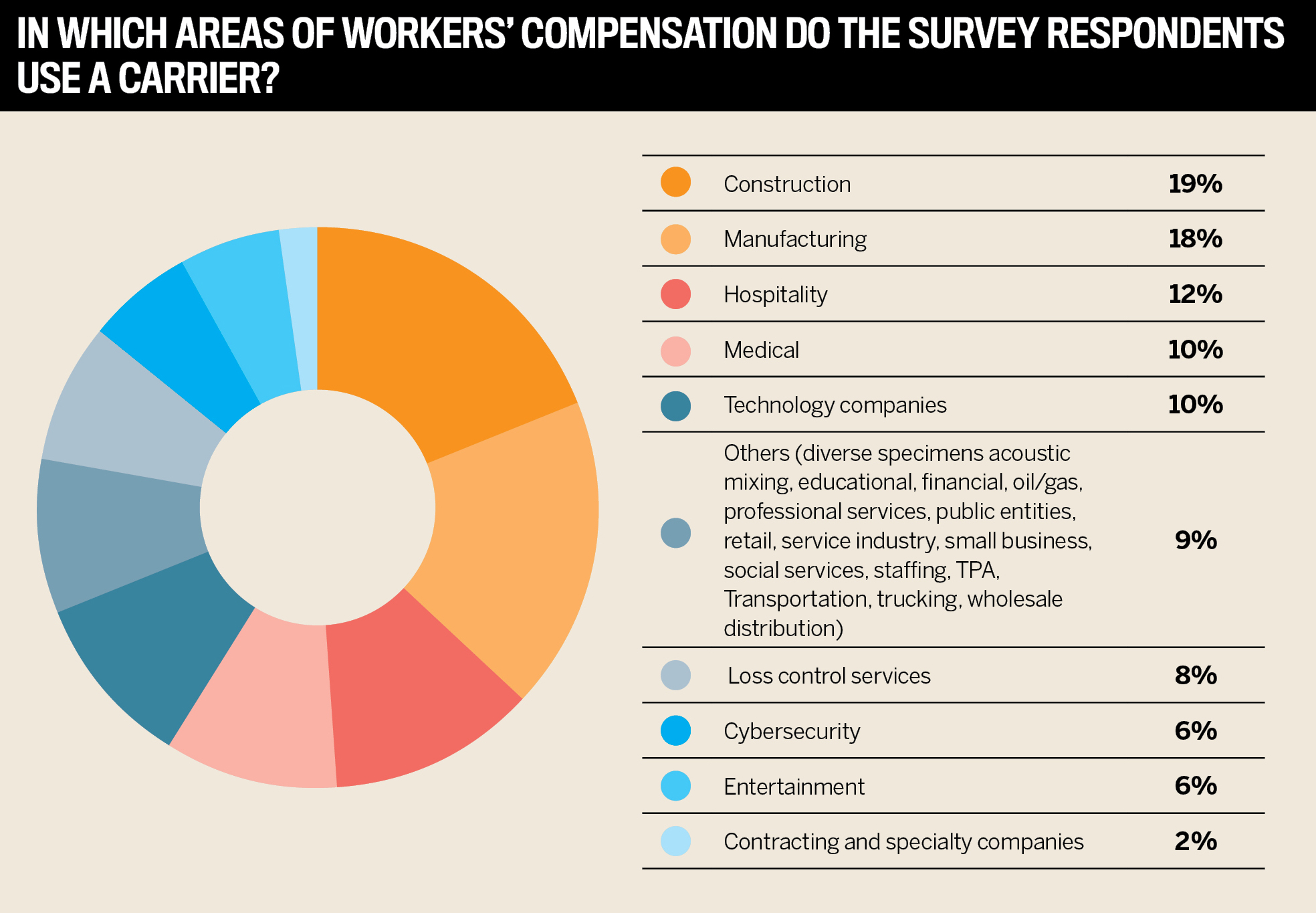
Wesco writes workers' compensation policies across a broad spectrum of low-to-medium hazard industry classifications, including:
- Retail and Wholesale: Hardware stores, clothing boutiques, grocery stores, and distributor warehouses.
- Restaurants and Hospitality: Fast-casual dining, fine dining establishments, bakeries, and catering services.
- Professional and Medical Offices: Law firms, accounting agencies, medical practices, and dental clinics.
- Light Manufacturing and Assembly: Precision machining, electronic assembly, and custom cabinet making.
- Service Industries: Automotive repair shops, janitorial services, landscaping, and personal care services.
Understanding that Wesco is an AmTrust company clarifies where policyholders should direct administrative tasks. All online account management, premium payments, payroll reporting, and claims submissions occur through the central AmTrust Financial online infrastructure rather than a standalone Wesco portal.
Key Features of Wesco Workers' Compensation Policies
Workers' compensation policies underwritten by Wesco Insurance Company follow the standard National Council on Compensation Insurance (NCCI) format, adapted for state-specific statutory requirements. The policy is structured into three primary coverage sections, alongside flexible payment and risk management programs.
| Coverage Section | Policy Details & Limits |
|---|---|
| Part One: Workers' Comp Coverage- Medical Expenses- Wage Loss / Disability- Rehabilitation & Death Benefits | Statutory Limits- Pays 100% of Necessary Care- TTD, TPD, PPD, PTD Benefits- Dependent Survivor Benefits |
| Part Two: Employers' Liability- Bodily Injury by Accident- Bodily Injury by Disease- Common Law Lawsuits & Defense | Expressed Policy Limits- E.g., $100k / $500k / $100k- Upgrades to $1M Available- Outside Statutory Benefits |
| Part Three: Other States Insurance- Automatic Coverage for Expansion | Multi-State Coverage Extensions- Extends to Listed States |
Coverage Structure Breakdown
Part One: Workers' Compensation (Statutory Coverage)Part One pays for statutory benefits mandated by state workers' compensation laws without monetary limits on policy payout. It covers:
- Medical Expenses: 100% of reasonable and medically necessary treatment, emergency care, surgery, hospitalization, prescription medications, and physical therapy.
- Disability/Indemnity Benefits: Partial wage replacement for injured workers during temporary total disability (TTD), temporary partial disability (TPD), permanent partial disability (PPD), or permanent total disability (PTD).
- Vocational Rehabilitation: Retraining or skill assistance for injured workers who cannot return to their prior job roles.
- Death and Funeral Benefits: Financial support paid to statutory dependents of an employee who suffers a fatal work-related injury or illness.
Part Two: Employers' Liability CoveragePart Two protects the employer against civil lawsuits arising from employee work-related injuries that fall outside the exclusive remedy scope of statutory workers' compensation. Standard limits are typically set at $100,000 per accident for bodily injury, $500,000 policy limit for bodily injury by disease, and $100,000 per employee for bodily injury by disease. Higher limits (such as $1,000,000/$1,000,000/$1,000,000) are commonly required by general contractors or commercial leases and can be endorsed onto the policy.
Part Three: Other States InsurancePart Three extends protection to operations in states outside the policyholder's primary state of operation. Employers expanding operations or deploying employees across state lines must ensure these additional states are explicitly listed under Item 3.C of the policy information page.
Payment Programs: Pay-As-You-Go vs. Standard Billing
AmTrust and Wesco offer EZ Pay, a pay-as-you-go billing program integrated with major payroll processing software.
- Traditional Estimated Billing: Requires a non-refundable deposit upfront (often 15% to 25% of annual estimated premium), with remaining payments divided into monthly or quarterly installments based on initial projected payroll. Premium adjustments occur after year-end audit.
- Pay-As-You-Go (EZ Pay): Premium payments are calculated and debited automatically each pay period based on actual gross payroll data submitted directly through payroll software. This eliminates upfront down payments, improves business cash flow, and significantly minimizes year-end audit adjustments.
Policyholder Registration and Account Management
Policyholders managing a Wesco workers' compensation policy access administrative features through the main AmTrust online portal.
Policyholder Portal Workflow
- Account Registration
- Log In to AmTrust Online
- Certificates
- Generate COI Instant PDF
- Send to Holders / Contractors
- Payroll & Payments
- View Invoices
- Manage Pay-As-You-Go
- Claims & Audits
- Submit Claims (FROI)
- Complete Online Audit
- Certificates
Portal Setup and Access
- Visit the official AmTrust Financial website and navigate to the Policyholder Online Portal.
- Click Register Account and enter the required credentials:
- 10-digit Wesco Policy Number (found on the Policy Information Page).
- Tax Identification Number (FEIN) or Social Security Number matching the policy record.
- Business Zip Code.
- Establish a secure login password and set up multi-factor authentication.
Core Online Tasks
- Generating Certificates of Insurance (COI): Business owners can issue self-service Certificates of Liability Insurance listing third-party certificate holders for compliance validation before starting job site work.
- Paying Premiums: Schedule one-time ACH payments, set up recurring credit/debit card billing, or review past billing statements.
- Managing Payroll Data: Businesses not using automated payroll integrations can upload periodic payroll reports to maintain compliance under variable-payroll billing schedules.
Filing and Managing a Wesco Workers' Comp Claim
Prompt claim reporting is critical under state law and is essential for controlling claim costs, ensuring proper treatment, and mitigating fraud.
Step 1: Immediate First Aid and Emergency Care
When an employee suffers an injury, the employer must ensure immediate medical care. For life-threatening emergencies, call 911 or direct the worker to the nearest emergency department. For non-emergent injuries, direct the worker to an approved medical provider if operating in a state with employer-directed care rules or an established Medical Provider Network (MPN).
Step 2: Completing the Employer's First Report of Injury (FROI)
Employers must report all work-related injuries within state-mandated timeframes—often within 24 to 72 hours of the incident. AmTrust provides three primary filing methods:
- Online Portal: Log in to the AmTrust Policyholder Portal and select Report a Claim.
- Toll-Free Phone: Call AmTrust's Dedicated Claims Reporting Line at (866) 272-9267.
- Email / Fax: Fill out the state-specific FROI form and submit it to
AmTrustClaims@amtrustgroup.comor via the designated claims fax line.
Step 3: Claim Investigation and Adjuster Assignment
Once received, AmTrust assigns a specialized claims adjuster and creates a unique claim identification number. The adjuster:
- Contacts the injured worker to gather details regarding the incident and medical status.
- Contacts the employer to confirm employment, job duties, average weekly wage (AWW), and injury circumstances.
- Obtains initial medical records from treating physicians to determine compensability under statutory rules.
Step 4: Ongoing Medical and Disability Benefit Management
If the claim is accepted:
- Medical Bills: Healthcare providers submit medical bills directly to AmTrust/Wesco for processing in accordance with state medical fee schedules.
- Indemnity Payments: If the employee misses work beyond the state’s statutory waiting period (typically 3 to 7 days), the adjuster calculates and issues temporary disability payments based on state formulas (usually 66 2/3% of the employee’s average weekly wage, up to state maximum caps).
- Return-to-Work (RTW) Programs: AmTrust emphasizes early return-to-work initiatives. Employers should collaborate with the adjuster to offer transitional, modified, or light-duty work when cleared by treating physicians.
Understanding AmTrust / Wesco Premium Audits
Workers' compensation policies are written based on estimated payroll for the upcoming 12-month policy term. Because actual payroll fluctuate over time, state laws require insurance carriers to perform an Annual Premium Audit after policy expiration to adjust final premiums.
Types of Audits
- Online / Self-Audit: For lower-premium policies, AmTrust emails or mails a self-audit request. Employers fill out an online form detailing final payroll, job duties, and subcontractor usage.
- Mail / Voluntary Audit: Similar to self-audits, where documentation is returned by physical mail.
- Physical / Field Audit: Recommended or required for higher-premium accounts or high-risk classification codes. An AmTrust field auditor visits the business location or meets virtually to review accounting records directly.
Required Audit Documentation
Employers undergoing a Wesco premium audit must provide clear financial records covering the exact policy term dates:
| Document Category | Required Specific Records |
|---|---|
| Federal & State Payroll Tax Forms | • IRS Form 941 (Quarterly Federal Tax Return)• State Quarterly Unemployment Reports (e.g., DE-9, NYS-45)• IRS Form W-2 / W-3 Summaries |
| Accounting & Payroll Reports | • Payroll Summary Reports by Employee & Class Code• Detailed General Ledger & Cash Disbursements Journal• Check Register |
| Subcontractor Documentation | • IRS Form 1099-MISC / 1099-NEC Reports• Valid Certificates of Insurance (COIs) showing Workers' Comp coverage for ALL hired independent contractors |
Critical Audit Rules for Subcontractors
A common source of unexpected audit premium increases occurs when businesses hire uninsured subcontractors. If a business owner pays an independent contractor or 1099 worker who cannot produce a valid Workers' Compensation Certificate of Insurance matching the operational timeframe, state insurance rules require Wesco to classify those payments as internal employee payroll. The policyholder is then billed additional workers' compensation premium for those contract workers.
Financial Strength, Ratings, and Regulatory Standing
When purchasing commercial insurance, evaluating the insurer's financial stability ensures they can pay long-term disability claims that may span decades.
- A.M. Best Financial Rating: AmTrust Financial Services, Inc. and its operating subsidiaries—including Wesco Insurance Company—are rated "A-" (Excellent) with a Stable Outlook by A.M. Best (assessed across recent rating cycles). An A- rating indicates an excellent ability to meet ongoing insurance obligations.
- Financial Size Category (FSC): AmTrust holds a Financial Size Category of Class XV ($2 Billion or greater in capital, surplus, and conditional reserves), reflecting substantial financial scale.
- National Association of Insurance Commissioners (NAIC): Wesco operates under NAIC Group 0796. The company maintains licensed authority in all 50 U.S. states and the District of Columbia, allowing business policyholders to expand nationwide under consistent coverage frameworks.
Comparison: Wesco / AmTrust vs. Standard SMB Market Options
Comparing Wesco’s policy framework against typical small-business workers' compensation options demonstrates how underwriting structures affect daily administration.
| Feature / Metric | Wesco Insurance Co. (AmTrust) | Traditional State Funds | Direct-to-Consumer Digital Carriers |
|---|---|---|---|
| Primary Market Focus | Small to Mid-Sized Businesses (SMB) | High-risk / Assigned Risk pool | Very Small / Micro Businesses |
| Underwriting Flexibility | Broad class codes, packaged lines | Mandatory acceptance (varies) | Highly restricted class code appetites |
| Payment Options | Standard installment or EZ Pay (Pay-As-You-Go) | Annual, quarterly, or monthly | Monthly Pay-As-You-Go default |
| A.M. Best Rating | A- (Excellent) | Unrated or Varies by State | Varies (A- to A+) |
| Multi-State Coverage | Full 50-state endorsement capacity | State-specific boundaries | Varies by regional licenses |
| Audit Process | Online self-audit or field audits | Annual strict audit requirement | Fully digital automated reconciliation |
Frequently Asked Questions (FAQs)
What should I do if Wesco Insurance Company denies a workers' comp claim?
Review the written Notice of Denial provided by the AmTrust claims adjuster, which outlines the specific statutory basis for the denial (such as late reporting, pre-existing non-occupational conditions, or lack of medical evidence). If you or the employee believe the denial was made in error, collect additional supporting medical records, detailed witness statements, or job descriptions, and request a claim review. Disputes unresolved at the carrier level can be formally appealed through the state’s Workers' Compensation Appeals Board or Industrial Accident Commission.
Why does my bill show "AmTrust" if my policy says "Wesco Insurance Company"?
Wesco Insurance Company is an underwriting subsidiary owned entirely by AmTrust Financial Services, Inc. Wesco holds the legal insurance license to write the risk in your state, while AmTrust provides the centralized operational infrastructure, including billing, claims, premium audits, and customer support.
How does Wesco calculate my workers' compensation premium?
Premiums are calculated using the basic formula:
$$\text{Premium} = \left( \frac{\text{Gross Annual Payroll}}{100} \right) \times \text{Classification Code Rate} \times \text{Experience Modification Rate (EMR)} + \text{Fees/Assessments}$$
The Classification Code Rate is determined by job risk, while the EMR reflects your business's past claims history relative to industry averages.
What happens if I fail to complete the annual Wesco premium audit?
Failing to complete a required annual premium audit results in an Audit Non-Compliance Charge (ANCC) or an estimated audit bill. States permit carriers to assess penalty surcharges—often multiplying the estimated baseline premium by 1.5 to 3.0 times—and can lead to policy cancellation, non-renewal, or submission of unpaid balances to collections agencies.
Can business owners exclude themselves from a Wesco workers' comp policy?
Yes, in most states, corporate officers, sole proprietors, partners, and LLC members can legally elect to exclude themselves from workers' compensation coverage by filing an official state exclusion form (such as a Sole Proprietor Waiver or Officer Exclusion Statement) with Wesco. Exempting owners removes their payroll from premium calculations, lowering total policy costs, though it forfeits their access to policy benefits if injured on the job.
How do I get a Certificate of Insurance (COI) for my contractors?
Policyholders can generate a digital Certificate of Insurance instantly by logging into the AmTrust Online Policyholder Portal. Select Certificates, enter the certificate holder's name and mailing address, specify optional requirements (such as Waiver of Subrogation if endorsed), and download or email the generated PDF document.
Recommendations for Business Owners & Policyholders
To ensure administrative compliance, minimize premium costs, and maintain safety standards under a Wesco workers' compensation policy, policyholders should implement the following best practices:
- Adopt Pay-As-You-Go (EZ Pay): If your business experiences variable payroll or seasonal staffing, enroll in AmTrust’s EZ Pay program. Aligning premium payments directly with actual payroll prevents cash flow distortion and reduces unexpected audit balances.
- Collect Certificates of Insurance (COIs) upfront: Establish a strict vendor management policy. Never allow an independent contractor, subcontractor, or gig worker onto a job site without collecting a valid Workers' Comp COI showing active coverage for their work period. Keep these documents organized in a central folder for your annual audit.
- Report Claims Immediately: Implement a clear workplace injury reporting procedure. Filing claims within 24 hours of an incident lowers overall claim costs, prevents litigation, and ensures injured employees receive proper medical treatment quickly.
- Implement Formal Return-to-Work Programs: Develop light-duty job descriptions before injuries occur. Providing suitable modified duties enables injured employees to return to work faster, reducing lost-wage indemnity payouts that increase your business’s Experience Modification Rate (EMR).
- Conduct Quarterly Internal Payroll Reviews: Periodically reconcile your projected payroll by NCCI classification code against actual payroll running through your accounting software to catch misclassified employee roles before the formal end-of-year audit.
Disclaimer: Workers' compensation regulations, coverage mandates, and dispute procedures vary significantly by state jurisdiction. Business owners should consult a licensed commercial insurance agent, legal counsel, or their state department of insurance for guidance tailored to their specific state requirements.