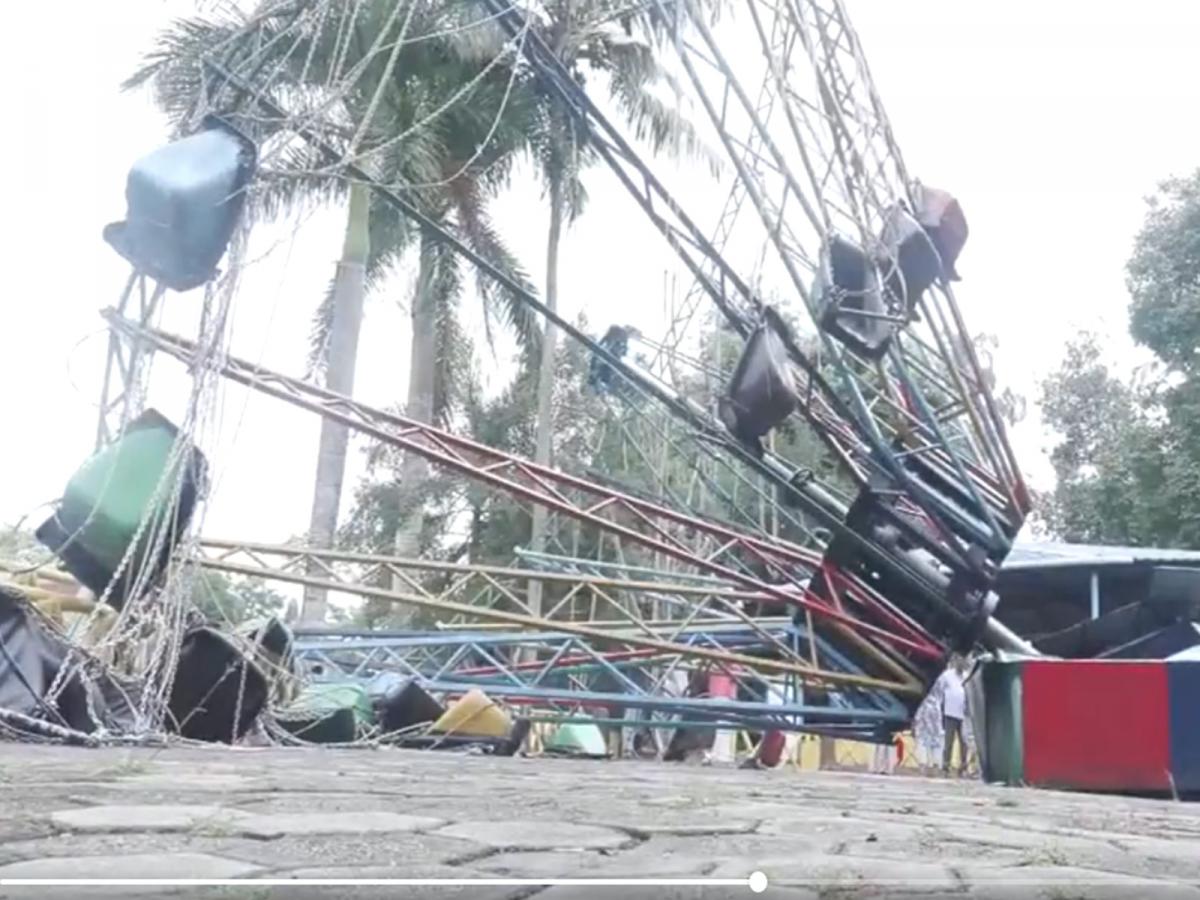
The year 2025 served as a critical focal point for amusement park safety analysts, industry regulators, and engineering firms. While millions of visitors safely experience thrilling attractions annually, sporadic structural failures, mechanical malfunctions, and operational mishaps underscore the vital importance of rigorous maintenance protocols, independent safety inspections, and transparent regulatory frameworks governing modern amusement parks.
The Evolution of Amusement Park Safety and Regulatory Frameworks
Amusement park safety is not a static concept; it evolves continuously in response to engineering innovations, metallurgical discoveries, and post-incident forensic findings. When evaluating the safety landscape of modern attractions, understanding how regulatory frameworks function across different jurisdictions provides essential context. Unlike commercial aviation, which often operates under unified federal oversight globally, amusement park safety regulations are typically decentralized, managed at the state, provincial, or municipal level depending on the country.
In many jurisdictions, state departments of labor or specialized engineering boards oversee ride safety. These bodies mandate annual or semi-annual inspections conducted by certified professional engineers or third-party inspection agencies accredited by organizations like ASTM International (specifically Committee F24 on Amusement Rides and Devices). ASTM standards dictate everything from the minimum load-bearing thresholds of steel supports to the maximum allowable deceleration forces exerted on the human body during an emergency brake application.
However, regulatory discrepancies remain a significant challenge for the global industry. While major theme park destinations in North America, Europe, and Japan adhere to stringent compliance standards, other regions may experience gaps in legislative enforcement, aging infrastructure, or a lack of mandatory independent oversight. This variance highlights why safety analysis must look beyond national borders to understand how systemic maintenance oversights or material fatigue can trigger catastrophic failures across different structural designs.
Categorizing Amusement Park Incidents: Mechanical vs. Operational Failures
To properly analyze any historical cluster of amusement park incidents—including those recorded throughout 2025—safety experts generally divide occurrences into distinct categories based on root causes. Understanding these distinctions helps clarify whether an event stemmed from design flaws, material degradation, human error, or rider non-compliance.
| Incident Category | Primary Root Cause | Typical Prevention Mechanism |
|---|---|---|
| Structural Fatigue | Micro-fractures in steel, stress corrosion, or cyclic loading wear. | Nondestructive testing (NDT), ultrasonic testing, and magnetic particle inspection. |
| Mechanical Malfunction | Hydraulic line ruptures, gearbox seizures, or brake system failures. | Redundant safety braking systems, routine fluid analysis, and scheduled component replacements. |
| Control System Errors | PLC (Programmable Logic Controller) software glitches or sensor misalignments. | Fail-safe electrical loops, manual override drills, and rigorous software verification. |
| Operational Error | Dispatching rides with improperly secured restraints or operator distraction. | Dual-person verification checklists, automated restraint-sensing systems, and comprehensive staff training. |
| Rider Non-Compliance | Intentional bypassing of safety restraints, loose articles, or ignoring health warnings. | Physical restraint barriers, strict height/health restriction signage, and attentive ride operator monitoring. |
Distinguishing between these categories allows investigators to determine liability and implement targeted engineering solutions. For instance, an incident driven by structural fatigue demands a global re-inspection of identical ride models worldwide, whereas an operational error typically points toward site-specific retraining or procedural adjustments.
The Role of Non-Destructive Testing (NDT) in Preventing Structural Collapses
Structural collapses of amusement park rides are exceedingly rare, but when they occur, they frequently trace back to undetected anomalies within the ride's load-bearing skeleton. Modern engineering relies heavily on Non-Destructive Testing (NDT) to inspect critical welds, joints, and high-stress tubular steel structures without damaging the material itself.
Advanced Inspection Techniques
- Ultrasonic Testing (UT): Utilizes high-frequency sound waves to detect internal flaws, voids, or hidden micro-cracks within thick steel columns and axle pins that visual inspections cannot uncover.
- Magnetic Particle Testing (MPT): Applied to ferromagnetic materials, MPT reveals surface and near-surface discontinuities by magnetizing the component and applying iron particles, which cluster around disruptions in the magnetic field.
- Eddy Current Testing: Employs electromagnetic induction to detect surface and sub-surface flaws in conductive materials, particularly useful for inspecting aluminum components and hollow tubing.
Maintenance schedules dictate that high-stress attractions—such as steel roller coasters, drop towers, and large swinging pendulum rides—undergo comprehensive NDT assessments at prescribed operating hour intervals. When parks fail to adhere to these strict maintenance timelines, corrosion and metal fatigue can progress unchecked, drastically increasing the risk of structural compromise.
Human Factors, Restraint Systems, and Passenger Safety
While heavy structural steel receives immense attention, the vast majority of amusement park safety interventions focus on passenger containment systems. The mechanics of modern restraints—ranging from lap bars and over-the-shoulder harnesses to sophisticated hydraulic locking pins—are engineered to withstand extreme positive and negative G-forces while remaining easy to evacuate in an emergency.
Modern restraint systems utilize dual-locking mechanisms. Even if a primary hydraulic cylinder experiences a pressure drop, a secondary mechanical ratchet or electronic solenoid prevents the bar from opening during transit. However, incidents occasionally arise when electronic safety loops fail to register that a restraint is fully locked, or when ride operators override error codes to maintain park throughput.
Industry best practices dictate a strict "zero override" policy for restraint verification. Modern control systems are increasingly designed to lock out a ride automatically if any seat sensor registers an improper lock, removing human discretion from the equation and prioritizing absolute safety over ride capacity.
Frequently Asked Questions About Amusement Park Ride Safety
How often are amusement parks legally required to inspect their rides?
Inspection frequencies vary by jurisdiction and ride classification, but most regulated parks require daily pre-opening walk-throughs and functional tests by internal mechanics, monthly documented safety checks, and annual comprehensive inspections by certified third-party professional engineers.
What is the most common cause of injuries on amusement park rides?
Statistical data compiled by industry safety groups and consumer safety commissions indicate that the vast majority of reported injuries are minor soft-tissue strains, motion sickness, or minor lacerations often caused by sudden movements or guest non-compliance with ride rules, rather than structural collapses or major mechanical failures.
Are older roller coasters more dangerous than newly manufactured ones?
Not inherently. With proper maintenance, component overhauls, and structural retrofitting, older wooden and steel coasters can operate safely for decades. However, older rides require more frequent, intensive non-destructive testing to monitor aging materials and environmental corrosion.
What should a visitor do if they observe unsafe operation or maintenance at a park?
Visitors who witness broken safety equipment, visibly distressed ride operators ignoring protocols, or unsecured riders should immediately report the observations to park guest services, park security, or local municipal code enforcement and safety regulators.
Next Actions and Industry Accountability
Ensuring the long-term safety of amusement park attractions requires ongoing collaboration between independent regulatory bodies, park operators, and mechanical engineering researchers. For industry stakeholders, maintaining absolute compliance with ASTM F24 standards, investing in continuous workforce training, and embracing advanced diagnostic technologies remain non-negotiable prerequisites. For parkgoers, understanding ride restrictions, heeding posted health warnings, and patronizing facilities that transparently display inspection certifications continue to be the most effective ways to ensure a safe, secure entertainment experience.