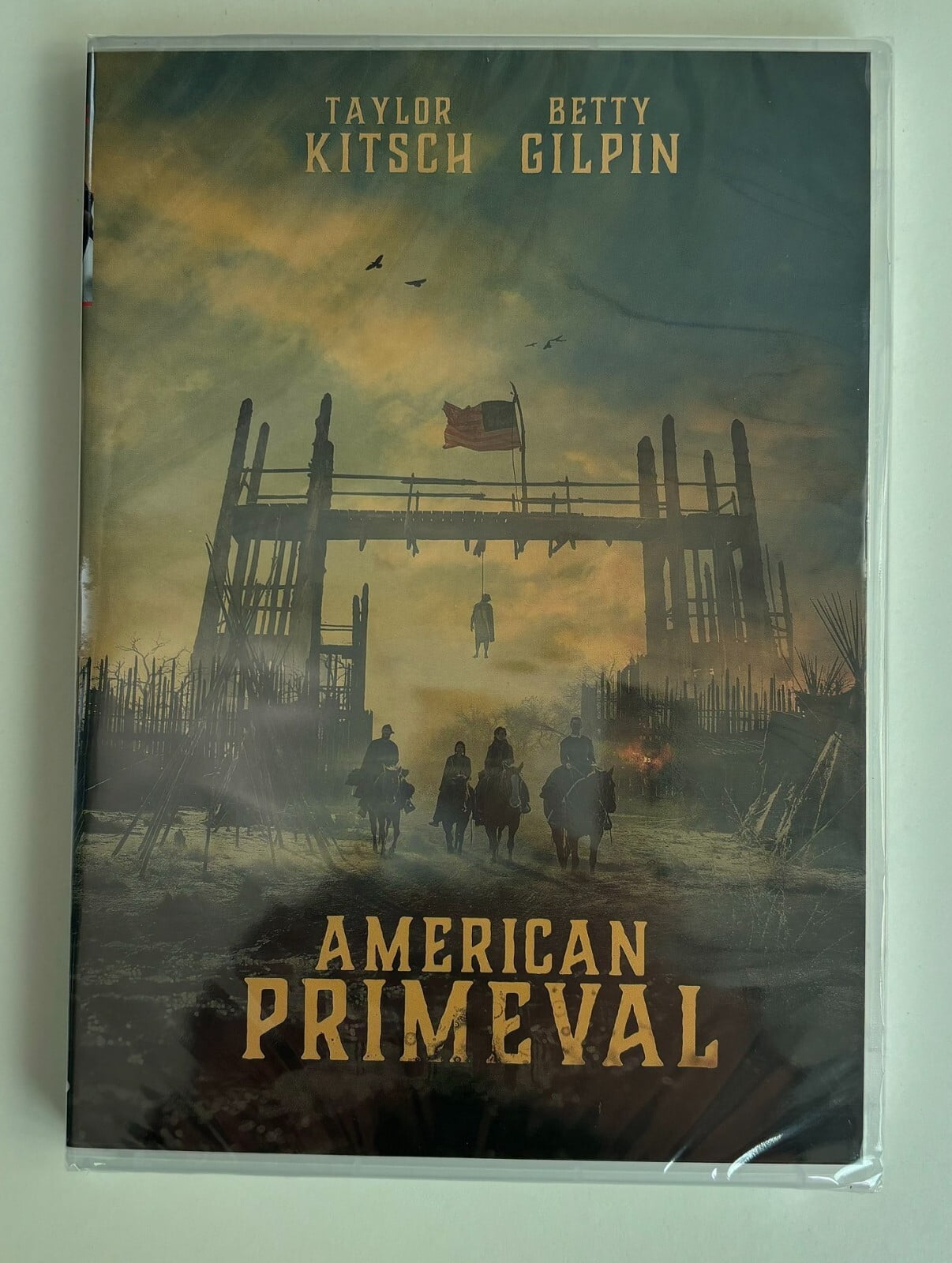
The Netflix series American Primeval captures the brutal essence of the 1850s American West, prioritizing atmosphere and visceral survival over strict chronological precision. While it accurately portrays the volatile tensions between settlers, indigenous nations, and religious migrants, it employs significant dramatic license in its character arcs and stylized violence to serve its gritty, "primeval" narrative.
The Historical Landscape of the 1850s American West
To understand the historical accuracy of American Primeval, one must first understand the era it attempts to depict. The 1850s represented a period of immense transition in North America. The California Gold Rush of 1849 had just transformed the West from a distant frontier into a destination for thousands of desperate, hopeful, and often dangerous individuals. This was not the settled "Wild West" of 1880s cinema; it was a contested, poorly mapped, and frequently lawless expanse.
The series accurately reflects the "collision of cultures" that defined this decade. During this time, the United States government was aggressively pursuing the doctrine of Manifest Destiny, which asserted that white settlement across the continent was both inevitable and divinely ordained. This ideological push created a pressure cooker environment where the interests of the U.S. government, various indigenous nations, and religious outcasts like the Mormons frequently turned violent.
In reality, the 1850s were characterized by the passage of the Kansas-Nebraska Act and the Fugitive Slave Act, events that signaled the approaching Civil War. While American Primeval focuses more on the physical survival of its characters in the wilderness, the underlying sociopolitical instability of the United States at the time provides a factual backdrop for the desperation seen on screen.
Depiction of Native American Tribes and Sovereignty
One of the most critical aspects of American Primeval is its portrayal of indigenous nations, specifically the Crow, the Blackfeet, and the Pawnee. Historically, the 1850s were a time of shifting alliances and increasing encroachment on tribal lands. The Fort Laramie Treaty of 1851 is a vital historical touchstone for this era, as it attempted to establish peace between the U.S. and various tribes by defining territories and providing safe passage for settlers.
Cultural Representation and Language
The series makes a concerted effort toward aesthetic accuracy regarding tribal dress, weaponry, and social structures. Historically, the Crow (Apsáalooke) were known for their sophisticated equestrian skills and their complex relationship with both the U.S. military and neighboring tribes. The show captures the sense of a culture under siege, not just from settlers but from the shifting geopolitical landscape of the plains.
However, historical accuracy in media often struggles with the "monolithic" portrayal of indigenous people. While the series avoids some of the more egregious "noble savage" tropes of mid-20th-century Westerns, it occasionally prioritizes the "primeval" or mystical elements of native culture to fit the show's dark tone. In reality, indigenous leaders of the 1850s were often highly pragmatic diplomats and shrewd negotiators, a facet that is sometimes overshadowed by the show's focus on physical conflict.
Inter-Tribal Conflict
The show depicts significant friction between different indigenous nations. Historically, this is accurate. The Great Plains were not a peaceful vacuum before Europeans arrived; they were a site of long-standing territorial disputes, raiding cultures, and shifting power dynamics. The introduction of the horse and firearms by Europeans in previous centuries had already fundamentally altered how these tribes interacted and fought long before the events of the series.
The Mormon Migration and Religious Persecution
A central thread in American Primeval involves a group of Mormons (members of The Church of Jesus Christ of Latter-day Saints) navigating the perils of the trail. This is grounded in the historical reality of the Mormon Exodus, which began in earnest in 1846 and continued through the 1850s.
The Trek to Utah
By the mid-1850s, the Mormon Trail was a well-traveled but still perilous route. The series accurately portrays the sense of isolation and religious fervor that drove these pioneers. Following the assassination of Joseph Smith in Illinois and their expulsion from Missouri, the Mormons sought a "Zion" in the Salt Lake Valley, then part of Mexico (and later the Utah Territory).
Accuracy of the "Mormon War" Context
The series touches on the suspicion and hostility that other settlers and the U.S. government felt toward the Mormons. This culminated in the "Utah War" (1857–1858), where President James Buchanan sent federal troops to suppress a perceived Mormon rebellion. The show’s depiction of the Mormons as a group that was both victimized and, at times, fiercely protective of their own sovereignty aligns with the historical tension of the period. However, the series sometimes dramatizes the internal cult-like dynamics for narrative tension, which can simplify the complex social and theological structures of the actual 19th-century Mormon communities.
Material Culture: Weapons, Clothing, and Tools
For fans of historical detail, the material culture in American Primeval is a primary point of interest. The 1850s was a "transitional" era for technology, especially in firearms.
- Firearms: The show correctly features caplock revolvers (like the Colt 1851 Navy) and muzzle-loading rifles. This was the era before the widespread use of metallic cartridges and repeating rifles (like the Winchester), which would define the later "Cowboy" era of the 1870s. The reliance on single-shot weapons or revolvers that were slow to reload adds to the show's high-stakes tension.
- Clothing: The costume design avoids the pristine, dry-cleaned look of older Westerns. Historically, clothing in the 1850s was made of durable natural fibers like wool, linen, and buckskin. The heavy layering seen in the series is accurate for the unpredictable weather of the high plains and mountains, where temperature swings could be fatal.
- Logistics: The show accurately depicts the reliance on oxen and mules rather than just horses for heavy hauling. Historical wagon trains moved at a grueling pace of 15 to 20 miles per day, a reality that the show translates through the weary, weathered appearance of its cast.
Comparing Historical Facts vs. Series Depiction
The following table highlights the differences between the documented history of the 1850s frontier and the creative choices made in the series.
| Feature | Historical Reality (c. 1850–1859) | American Primeval Depiction |
|---|---|---|
| Violence Levels | High tensions, but lethal violence was statistically less frequent than depicted in fiction. | Constant, stylized, and visceral "survival of the fittest" atmosphere. |
| Travel Safety | Most deaths on the trail were caused by disease (cholera) and accidents, not combat. | Combat and murder are the primary drivers of mortality and plot. |
| Mormon Migrants | Large, highly organized groups with strict communal leadership. | Often depicted as smaller, more fractured, or ideologically extreme units. |
| Indigenous Relations | Deeply complex; involved trade, kidnapping, ransom, and formal treaties. | Primarily focused on the violent clash and existential threat of encroachment. |
| The "Wild" Factor | Much of the West was governed by "claim clubs" and informal mining law. | Depicted as a near-total vacuum of law where might makes right. |
| Medical Care | Use of mercury-based medicines, bloodletting, and basic herbalism. | Gritty, "field-surgery" style medical interventions with limited resources. |
The "Primeval" Tone vs. Historical Mundanity
The word "primeval" in the title suggests an ancient, raw, and perhaps mythic version of the American West. From a historical standpoint, this is where the show takes its greatest liberties. The actual 1850s were, in many ways, quite bureaucratic. Settlers were obsessed with legal claims, keeping diaries, and maintaining the social structures they had left behind in the East.
The series strips away this veneer of Victorian civilization to present a world that feels more like a post-apocalyptic landscape than a historical one. While this makes for compelling television, it ignores the fact that many pioneers spent their days doing incredibly boring things: fixing broken wagon wheels, gathering buffalo chips for fuel, and dealing with the mundane realities of dysentery. By focusing on the "primeval" struggle, the series creates a hyper-real version of history that emphasizes the psychological toll of the frontier over the day-to-day logistics.
Accuracy of Character Archetypes
While the main characters—played by Taylor Kitsch, Betty Gilpin, and Dane DeHaan—are fictional, they are composites of historical archetypes found in mid-19th-century accounts.
- The Trapper/Guide: Kitsch’s character represents the "mountain man" in decline. By the 1850s, the fur trade had largely collapsed due to changes in fashion (the move from beaver hats to silk hats). Many former trappers became scouts for the Army or guides for wagon trains, mirroring the transition his character must navigate.
- The Resilient Mother: Betty Gilpin’s character subverts the "Sunbonnet Myth"—the idea that frontier women were merely passive followers of their husbands. Historical records, such as the diaries of women on the Oregon Trail, show that women often took on traditionally masculine roles out of necessity, showcasing a level of grit that the show accurately highlights.
- The Antagonist/Outlaw: Outlaws in the 1850s were often products of the chaotic political landscape (such as the "Border Ruffians" in Kansas). The show’s villains represent the nihilism that can arise in a land without established judicial systems.
Common Historical Misconceptions Addressed in the Series
One area where American Primeval succeeds is in debunking the "Hollywood" version of the West. It avoids the trope of the quick-draw duel in the middle of a dusty street. Instead, it portrays violence as sudden, messy, and often one-sided. It also highlights the extreme environmental hazards—cold, starvation, and infection—which were the true "villains" of the American westward expansion.
However, the show does lean into the "dark" aesthetic that has become popular in modern Westerns (similar to 1883 or The Revenant). This "mud and blood" realism is its own kind of stylization. Historically, pioneers often tried their best to maintain appearances, wearing their best clothes for Sunday service in the middle of the desert and attempting to recreate the domestic comforts of the East under impossible conditions.
Frequently Asked Questions
Is American Primeval based on a true story?
No, American Primeval is a work of fiction. While it uses historical events (like the Mormon migration and the settlement of the 1850s) and real indigenous nations as its backdrop, the specific characters and their plotlines are created for the series. It is better categorized as historical fiction or a survivalist drama.
Were the 1850s really as violent as the show depicts?
While the 1850s were certainly dangerous, the "everyday" violence shown in the series is heightened for dramatic effect. Most settlers on the Oregon Trail feared disease and weather far more than human attackers. However, for those in contested territories or involved in resource disputes, life could indeed be as brutal as the series portrays.
How accurate are the costumes and weapons?
The costumes and weapons are generally accurate for the mid-19th century. The series avoids "anachronistic" firearms, sticking to the cap-and-ball technology of the era. The clothing reflects the functional, rugged nature of frontier life, though it often appears more distressed and "dirty" than historical photographs (daguerreotypes) of the time might suggest.
Does the show accurately represent the Crow and Blackfeet tribes?
The show makes an effort to distinguish between different indigenous nations, which is historically accurate. It highlights the unique cultural identities of the Crow and Blackfeet. While it uses some "mystical" tropes common in Western media, it generally avoids the generic "Indian" stereotypes of older cinema by focusing on specific tribal histories and conflicts.
Why is the series set in the 1850s instead of the 1880s?
The 1850s were chosen because it was a "primeval" era before the Transcontinental Railroad and the widespread telegraph. This time period allows for a story where characters are truly isolated and where the "West" was still an unknown and terrifying quantity to many who entered it.
Practical Recommendation for Viewers
If you are watching American Primeval for historical education, it is best viewed as a "mood piece" that captures the psychological and environmental pressures of the frontier. While the broad strokes of the Mormon migration and indigenous displacement are grounded in fact, the specific narrative is a dramatization. To complement the series, readers might explore primary sources like The Oregon Trail by Francis Parkman or the diaries of pioneers collected by various state historical societies, which provide the "mundane" reality that balances the show's intense violence.
For those interested in the authentic history of the indigenous nations depicted, consulting the official tribal websites of the Apsáalooke (Crow) Nation and the Blackfeet Nation offers a vital perspective on their actual history during the 19th century, which is often far more complex and resilient than what can be captured in a fictional television series.