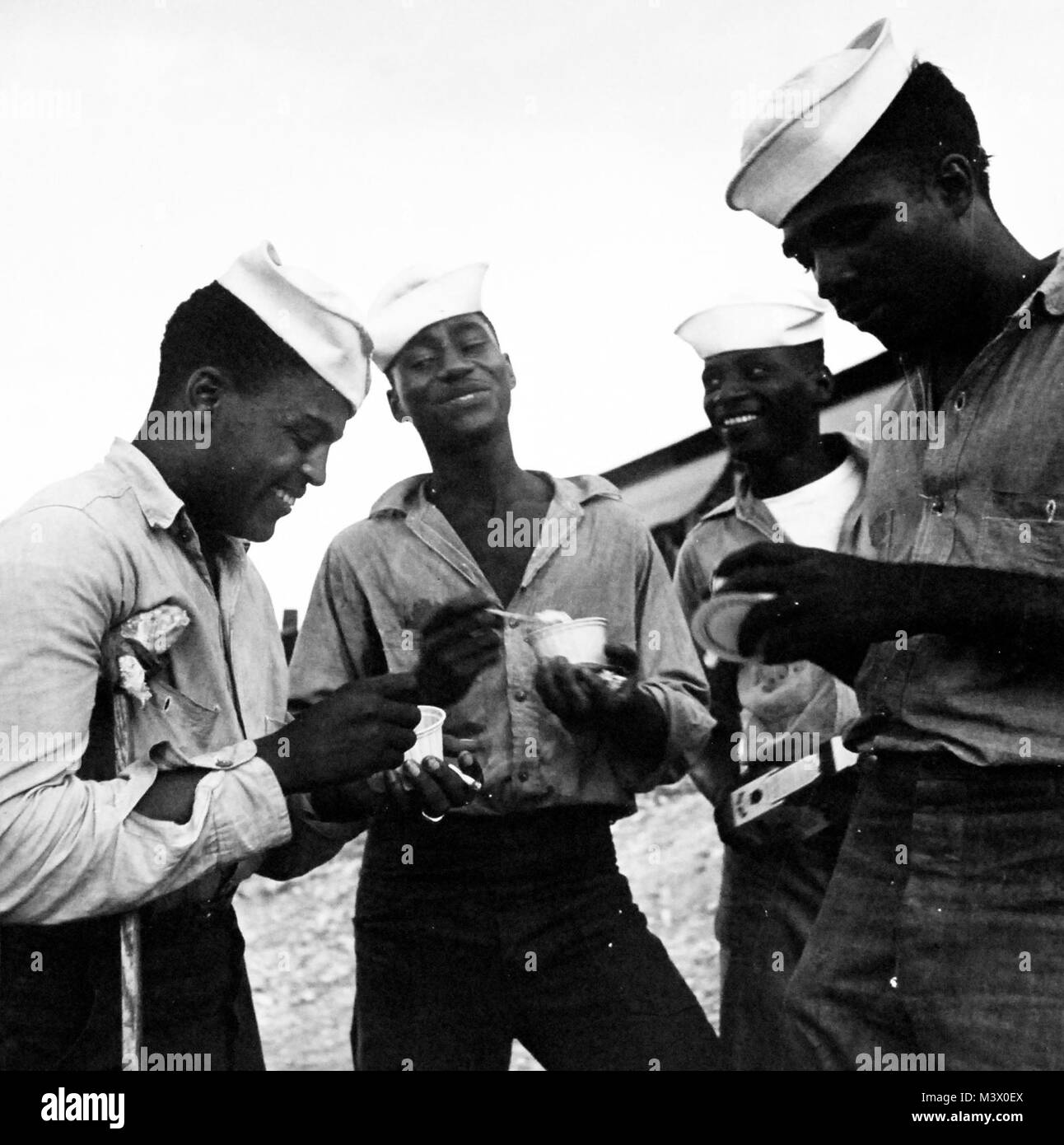
An American sailor is a professional member of the United States Navy, specialized in maritime warfare, engineering, or support operations. In 2026, these individuals serve as the primary deterrent in global maritime corridors, operating advanced platforms ranging from nuclear-powered aircraft carriers to unmanned underwater vehicles through rigorous technical training and a disciplined naval culture.
Being an American sailor in 2026 involves more than just seafaring; it is a commitment to a highly technical, multi-domain environment. Whether serving on a littoral combat ship, a submarine, or in a shore-based cyber unit, the modern sailor is an essential component of national security. This guide explores the requirements, career paths, and daily realities of those who wear the cloth of the U.S. Navy today.
Defining the American Sailor in 2026
The term "American sailor" primarily refers to the men and women of the United States Navy (USN), though it can broadly encompass members of the U.S. Merchant Marine or the U.S. Coast Guard. However, within the context of professional military service, the USN sailor represents the largest contingent of maritime force. As of 2026, the Navy continues to emphasize the "Sailor 2025" initiatives, which have matured into a streamlined, person-centric approach to career management, focusing on flexibility, advanced schooling, and modernized promotion systems.
The identity of the sailor is rooted in the Navy’s core values: Honor, Courage, and Commitment. These aren't just slogans; they form the ethical framework for every decision made on the deckplates. In an era defined by rapid technological shifts and geopolitical competition in the Indo-Pacific and Arctic regions, the American sailor is expected to be both a technical expert and a resilient warrior.
Eligibility and Entry Requirements
Entering the Navy in 2026 requires meeting specific physical, mental, and legal standards. The recruitment process is designed to ensure that candidates can handle the rigors of sea duty and the complexity of modern naval systems.
Basic Qualifications
To enlist as a sailor, an individual must be a U.S. citizen or a legal permanent resident (Green Card holder). Age requirements typically range from 17 to 41 years old, though waivers are occasionally available for specific high-demand technical roles. A high school diploma is the standard educational requirement, though those with GEDs may be eligible depending on current recruitment quotas and higher ASVAB scores.
The ASVAB and Technical Placement
The Armed Services Vocational Aptitude Battery (ASVAB) remains the gatekeeper for naval careers. This series of tests determines not only if a candidate is fit for service but also which "Rating" (job specialty) they qualify for. In 2026, there is a heavy emphasis on STEM-related scores, as the Navy’s reliance on artificial intelligence, nuclear propulsion, and electronic warfare has increased the demand for sailors with high mathematical and mechanical comprehension.
Physical Readiness Standards
The Navy Physical Readiness Test (PRT) is the benchmark for fitness. It consists of:
- Push-ups: Measuring upper body endurance.
- Plank: Measuring core stability (which replaced curl-ups in recent years).
- 1.5-mile run: Or alternative cardio options like the stationary bike or rowing machine for those eligible.
- Body Composition Assessment (BCA): Ensuring sailors maintain a healthy weight and body fat percentage relative to their height.
The Transformation: Boot Camp and Initial Training
Every enlisted American sailor begins their journey at Recruit Training Command (RTC) in Great Lakes, Illinois. This is the Navy's only boot camp, a high-intensity 10-week program designed to transition civilians into sailors.
Phase 1: Breaking the Civilian Mold
The first few weeks focus on military discipline, customs, and courtesies. Recruits learn how to march, wear the uniform correctly, and memorize the "General Orders of a Sentry." Physical training is daily and grueling, designed to build the stamina required for 12-hour watches at sea.
Phase 2: Technical and Safety Mastery
Mid-way through training, the focus shifts to hands-on skills. This includes:
- Firefighting and Damage Control: Every sailor, regardless of their job, is a firefighter. They must learn to combat shipboard fires and plug hull breaches.
- Watchstanding: Learning the procedures for guarding the ship and monitoring systems.
- Weapons Qualifications: Mastery of the M9 or M18 pistol and the M4 rifle.
Phase 3: Battle Stations 21
The capstone event of boot camp is Battle Stations 21, a 12-hour overnight simulation aboard the USS Trayer, a massive mock-up of a destroyer. Recruits face simulated missile attacks, floods, and mass casualty events. Successfully completing this exercise earns them the right to replace their "Recruit" ball cap with one that simply says "NAVY," marking their official transition to becoming a sailor.
Understanding Ratings: The Professional Specialty
In the Navy, your job is your "Rating." This defines your professional identity and determines where you will serve. Ratings are divided into several communities, each with its own culture and technical requirements.
| Community | Common Ratings | Primary Mission |
|---|---|---|
| Surface Warfare | Boatswain's Mate (BM), Gunner's Mate (GM) | Operating and defending surface ships like destroyers and cruisers. |
| Aviation | Aviation Machinist’s Mate (AD), Aircrewman (AW) | Maintaining and flying aircraft from carriers or land bases. |
| Submarine | Missile Technician (MT), Sonar Technician (STS) | Stealth operations, nuclear deterrence, and undersea surveillance. |
| Information Warfare | Cryptologic Technician (CT), Cyber Warfare Technician (CWT) | Signals intelligence, cyber defense, and electronic warfare. |
| Expeditionary | Seabees (BU/CE), Special Warfare Combatant-Craft Crewmen (SB) | Construction, coastal defense, and support for Special Operations. |
| Nuclear | Machinist's Mate Nuclear (MMN), Electrician's Mate Nuclear (EMN) | Operating nuclear reactors on carriers and submarines. |
Following boot camp, sailors attend "A-School," where they receive specialized training for their rating. Some A-schools last only a few weeks, while others, like the Nuclear Power School, can last over a year.
Rank and Advancement Structure
The American sailor operates within a hierarchical structure that rewards performance, time in service, and technical expertise. Enlisted ranks range from E-1 (Seaman Recruit) to E-9 (Master Chief Petty Officer).
The Petty Officer Path
Once a sailor reaches the rank of E-4, they become a Non-Commissioned Officer (NCO), known in the Navy as a Petty Officer Third Class. At this level, the sailor is no longer just a technician; they are a leader responsible for junior personnel.
Advancement in 2026 is governed by the Billet Based Advancement (BBA) system and the traditional Navy Wide Advancement Exam (NWAE). The Navy has moved toward a model where sailors are promoted when they agree to take on more challenging assignments or "billets" that match their new rank. This ensures that the most capable leaders are placed where they are needed most.
The Chief Petty Officer (CPO)
The transition from E-6 (First Class Petty Officer) to E-7 (Chief Petty Officer) is the most significant milestone in a sailor's career. The "Chief" is the bridge between the enlisted workforce and the officer corps. They are the technical experts and the keepers of naval tradition. In 2026, the "CPO Season"—a period of intense leadership training for new selectees—remains a foundational element of naval culture.
Life Aboard Ship: The Reality of Deployment
The core of the sailor’s experience is the deployment. In 2026, a standard deployment typically lasts between six and nine months. During this time, the ship or submarine becomes a self-contained city.
The Watch Cycle
Sailors do not work a standard 9-to-5. They operate on a watch rotation, often "five-and-dimes" or "three-section" watches. This means a sailor might be on duty for five hours, off for ten, or on for eight and off for sixteen. During their "off" time, they must still complete maintenance, attend training, and perform collateral duties.
Living Conditions
Space is at a premium on naval vessels. Sailors live in "berthing" areas, which house dozens or even hundreds of people in tiered bunks called "racks." Each rack usually has a small locker for personal belongings. While modern ships like the Gerald R. Ford-class carriers offer slightly improved amenities, life at sea remains a test of patience and communal living.
Connectivity and Quality of Life
By 2026, the Navy has significantly improved shipboard internet connectivity via low-earth orbit satellite constellations. While "blackouts" occur for operational security (OPSEC), sailors generally have better access to email and messaging apps than previous generations, helping to mitigate the strain of being away from family.
Compensation, Benefits, and Long-term Value
Serving as an American sailor offers a comprehensive benefits package that is highly competitive with the private sector, especially when accounting for the total cost of living.
- Base Pay: Scaled by rank and years of service. In 2026, an E-4 with four years of service earns a competitive base salary, which is supplemented by other allowances.
- Basic Allowance for Housing (BAH): A tax-free stipend for sailors living off-base to cover rent and utilities, adjusted for the local cost of living.
- Basic Allowance for Subsistence (BAS): A tax-free allowance for food.
- Special Pays: Sailors in high-demand or dangerous roles (divers, nuclear technicians, flight crews) receive additional monthly "pro-pay" or "hazard pay."
- Education: The Post-9/11 GI Bill remains a cornerstone benefit, paying for 100% of tuition at public universities plus a housing stipend for sailors who serve at least 36 months of active duty.
- Healthcare: Through TRICARE, sailors and their dependents receive comprehensive medical and dental care with little to no out-of-pocket costs.
The Future of the Force: Technology and Innovation in 2026
The American sailor of 2026 is increasingly a "digital mariner." The Navy's "Project Overmatch" has integrated seamless data sharing across the fleet, meaning a sailor on a destroyer can see and interact with data from a drone hundreds of miles away.
Human-Machine Teaming
Sailors are now regularly operating alongside autonomous systems. This requires a shift in training; ratings that were once purely mechanical now require a foundational understanding of software troubleshooting and data analysis.
Environmental Stewardship
In 2026, the Navy is also a leader in maritime environmental technology. Sailors are trained in advanced waste management and the operation of energy-efficient propulsion systems, reflecting the Department of Defense's commitment to climate resilience and operational efficiency.
FAQ
What is the difference between a sailor and a merchant mariner? An American sailor in the Navy is a military member focused on national defense and combat operations. A merchant mariner is a civilian professional who operates commercial vessels for trade, transport, and logistics, though they may support military efforts through the Military Sealift Command (MSC).
How long is a standard Navy enlistment? Most initial enlistment contracts are for four or five years of active duty, followed by a period in the Individual Ready Reserve (IRR). Highly technical ratings, such as those in the Nuclear Field, often require a six-year initial commitment due to the length of the training pipeline.
Can sailors choose where they are stationed? While the Navy tries to accommodate "homeport preferences," assignments are ultimately based on the "Needs of the Navy." Sailors use the MyNavy Assignment (MNA) portal to view and apply for open positions (billets) that match their rating and rank.
Are women allowed to serve in all roles in the Navy? Yes. As of 2026, all ratings and communities, including Navy SEALs and Submarine Warfare, are open to women. The Navy has been fully integrated across all combat roles for several years, focusing on individual merit and physical standards.
What happens if a sailor gets sick while at sea? Every ship has a medical department. Smaller ships may only have Hospital Corpsmen (independent duty), while larger vessels like aircraft carriers function as floating hospitals with surgeons, dentists, and intensive care units.
Final Recommendation for Aspiring Sailors
For those considering the path of the American sailor in 2026, the most critical step is preparation and research. Do not simply choose a rating based on a recruitment poster; use resources like the official Navy.mil and MyNavyHR portals to understand the day-to-day requirements of specific jobs. Focus on scoring high on the ASVAB to maximize your career choices, and begin a physical conditioning program months before visiting a recruiter. The Navy offers a unique blend of technical mastery and global adventure, but it demands a level of discipline and resilience that only the most committed are prepared to provide.