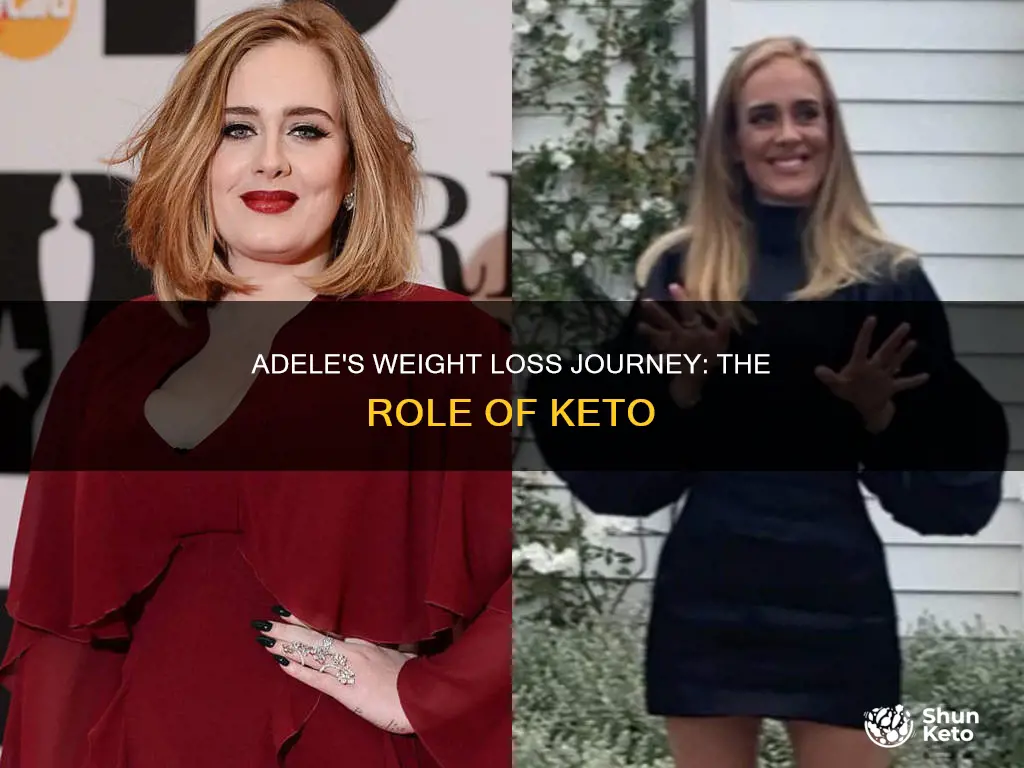
Adele’s weight loss journey involved losing approximately 100 pounds over a two-year period, achieved primarily through rigorous strength training and circuit exercises. Motivated by a desire to manage anxiety rather than a specific aesthetic goal, she has consistently debunked rumors regarding restrictive dieting or surgery, emphasizing a high-intensity, sustainable fitness regimen instead.
For years, the public narrative surrounding Adele focused almost exclusively on her powerhouse vocals and her status as a global icon of body positivity. However, between 2019 and 2021, a visual transformation occurred that sparked intense global speculation. As of 2026, looking back at this journey reveals more than just a change in physical appearance; it highlights a significant shift in how high-profile figures manage mental health through physical discipline. This overview examines the specific methods, motivations, and cultural impacts of Adele’s health journey.
The Motivation: A Holistic Approach to Mental Health
Contrary to many celebrity weight loss narratives that prioritize a "red carpet ready" aesthetic, Adele’s transformation was deeply rooted in her mental well-being. Following her divorce from Simon Konecki in 2019, the singer experienced what she described as paralyzing anxiety. During various interviews, including a landmark 2021 profile with Vogue, she explained that the gym became her "sanctuary."
The physical activity provided a structured focus that helped regulate her nervous system. By committing to a rigorous exercise schedule, Adele found that the "dread" she felt during her personal transition became manageable. This is a critical distinction in her journey: the weight loss was a byproduct of a mental health intervention rather than the primary objective. Understanding this helps contextualize why she was able to maintain such a high level of discipline over a sustained period; the rewards were internal and immediate, rather than solely external and delayed.
The Training Regimen: Strength over Restriction
When the first photos of a "thinner Adele" surfaced, the internet was flooded with theories about "miracle" diets. However, Adele later clarified that her routine was intensely physical. During her most active period of transformation, which coincided with the COVID-19 lockdowns, she was working out three times a day.
The Three-Phase Daily Routine
While she has acknowledged that such a schedule is not feasible for most people—noting she was essentially "unemployed" at the time—her routine consisted of the following:
- Morning Weightlifting: Focus on compound movements to build muscle mass and increase basal metabolic rate. Adele worked with trainers to master form, ensuring that she was building functional strength.
- Afternoon Hiking or Boxing: These activities served as high-intensity cardiovascular sessions. Boxing, in particular, was cited as a way to release physical tension and improve agility.
- Evening Cardio: Often consisting of traditional gym equipment or more relaxed movements to burn calories and improve heart health without overtaxing the central nervous system before sleep.
Adele has frequently credited her trainers, including Pete Geracimo and later Gregg Miele, for helping her navigate this progression. The focus remained on becoming "physically strong" so that she could eventually feel "emotionally strong."
Debunking the Sirtfood Diet and Other Myths
One of the most persistent rumors associated with Adele’s weight loss is the "Sirtfood Diet." This diet focuses on foods high in "sirtuin activators," such as kale, red wine, and dark chocolate, claiming to activate a "skinny gene." Despite hundreds of articles linking her to this plan, Adele explicitly told British Vogue that she never followed it.
In fact, Adele stated that she did not subscribe to any specific diet, including intermittent fasting. Because she was training so intensely, she reported eating more than she did previously to fuel her body. This revelation challenged the conventional wisdom of "eat less, move more," suggesting instead that for her body, "move more, eat enough" was the sustainable path.
The absence of a "magic pill" or a specific branded diet plan often disappointed those looking for a quick fix. However, her transparency provided a more realistic, albeit more difficult, roadmap: years of consistent, high-effort physical labor.
Comparison of Methods: Rumors vs. Reality
To better understand the specifics of Adele's transformation, it is helpful to compare what was widely reported in the media against what the artist herself confirmed.
| Aspect | Media Rumor/Speculation | Verified Fact (Adele's Statements) |
|---|---|---|
| Primary Diet | Sirtfood Diet (restrictive calories) | No specific diet; no intermittent fasting. |
| Exercise Frequency | Moderate gym sessions | Three times daily during peak intensity. |
| Surgical Intervention | Weight loss surgery or gastric bypass | Explicitly denied; attributed to 2+ years of training. |
| Core Motivation | Rebranding for a new album | Anxiety management and mental health stability. |
| Weight Loss Total | Various estimates | Approximately 100 pounds (45 kilograms). |
The Role of Reformer Pilates
Beyond the heavy lifting and cardio, Adele incorporated Reformer Pilates into her routine. Popularized by celebrities and athletes alike, Reformer Pilates uses a specialized machine with springs and pulleys to provide resistance. This was instrumental in her journey for several reasons:
- Core Stability: Developing a strong core was essential for her posture, especially as a performer who spends long hours on stage.
- Flexibility: Weightlifting can often lead to muscle tightness; Pilates provided the necessary counter-balance to maintain a full range of motion.
- Mind-Body Connection: The focus on breathing and precise movement in Pilates aligned with her goal of using exercise as a meditative practice to combat anxiety.
Cultural Impact and the "Body Positivity" Debate
Adele’s transformation was not without controversy. Having been a "poster child" for body positivity for over a decade, some fans felt "betrayed" by her weight loss. This reaction highlighted a complex tension in modern culture: the idea that a person’s value is tied to their size, whether that size is large or small.
Adele addressed this head-on, stating that she was not responsible for how other people felt about their bodies. She pointed out that she has been body-positive at every size. Her stance in 2026 remains a testament to the idea that personal health is an individual journey, and a change in physical form does not equate to a change in personal values or artistic integrity.
The media’s obsession with her "skinny" frame also drew criticism from Adele herself, who noted that her body had been "objectified" throughout her entire career—first for being "too big" and then for being "too thin."
Sustainability and Long-Term Maintenance in 2026
As of 2026, Adele has successfully maintained her health and fitness levels for several years. This longevity suggests that her methods, while intense initially, were built on a foundation of genuine lifestyle change rather than a temporary "crash" phase.
The key to her maintenance appears to be the transition from the "three-a-day" workout schedule of the lockdown era to a more balanced, professional athlete-style maintenance program. By making movement a non-negotiable part of her daily life—much like brushing her teeth—she has avoided the common "yo-yo" effect seen in many celebrity transformations. Furthermore, her continued focus on lifting weights has likely helped preserve muscle mass, which is crucial for metabolic health as one ages.
Practical Considerations for Interested Individuals
While Adele’s specific path (training three times a day with professional coaches) is a luxury afforded to the ultra-wealthy, there are several takeaways that apply to the general public:
- Focus on the "Why": Moving for mental health is often more sustainable than moving for a number on a scale.
- Prioritize Strength: Building muscle through resistance training is a powerful tool for long-term weight management and metabolic health.
- Consistency Over Perfection: Adele’s journey took over two years before the public even noticed. True transformation is a slow process.
- Ignore the "Quick Fix": If a diet or supplement claims to be the secret behind a celebrity’s transformation, it is almost certainly marketing.
Frequently Asked Questions
Did Adele use Ozempic or other weight loss medications?
No, Adele has never confirmed the use of Ozempic or similar GLP-1 agonists. Her transformation occurred and was largely completed between 2019 and 2021, prior to the widespread "Ozempic boom" in Hollywood. She has consistently attributed her weight loss to a rigorous, multi-year exercise program consisting of weights and cardio.
How long did it take Adele to lose the weight?
The weight loss was a gradual process that occurred over approximately two years. While the public "discovered" her new look in 2020 through a viral birthday photo, she had been working consistently since 2019. This timeline is consistent with sustainable, non-surgical weight loss of approximately 1 pound per week.
What does Adele eat in a typical day?
Adele has not released a specific meal plan, but she has stated that she does not follow a restrictive diet. She mentioned in interviews that she eats "quite a lot" because her workouts are so demanding. She has expressed a fondness for traditional British foods and has not cut out specific food groups like carbohydrates or fats.
Why did Adele decide to lose weight?
Her primary motivation was not weight loss, but the management of severe anxiety following her divorce. She found that the discipline of the gym and the physical exhaustion from working out helped her feel better mentally. The weight loss was a secondary effect of this new lifestyle.
Who was Adele’s trainer during her transformation?
Adele worked with several fitness professionals, most notably Pete Geracimo during the early stages and Gregg Miele during her time in Los Angeles. These trainers focused on functional strength, circuit training, and cardiovascular health.
Next Steps for Readers: If you are inspired by Adele’s journey, the most effective next action is to focus on a sustainable strength-training program. Rather than seeking a specific "Adele Diet," consult with a certified fitness professional to develop a routine that prioritizes functional movement and mental well-being. Always consult with a healthcare provider before beginning a high-intensity exercise regimen, especially if you have underlying health conditions.