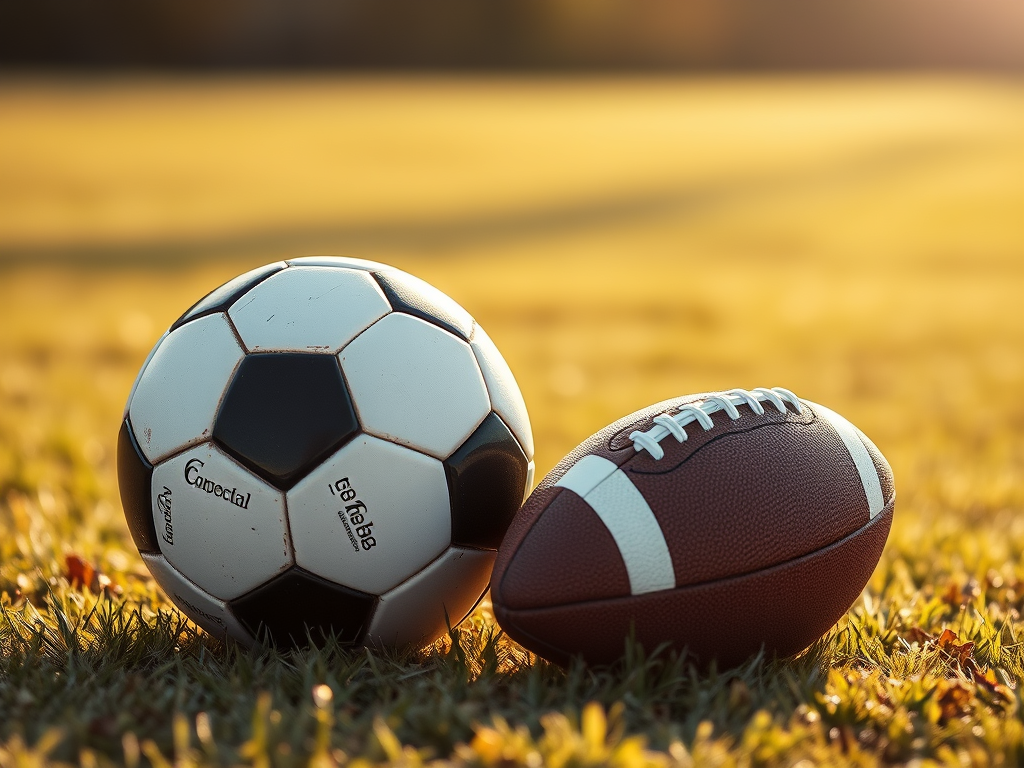
American football stands as the definitive national sport of the United States, deeply ingrained in the country’s cultural, social, and economic fabric. Unlike sports shared globally, its unique rules, "gridiron" structure, and seasonal rhythms create a collective American experience that transcends regional and demographic divides, making it the most popular spectator sport in the nation.
For over a century, the game has evolved from a rugged collegiate pastime into a multi-billion-dollar industry. In 2026, its dominance remains unchallenged, even as the global sporting landscape becomes more interconnected. To understand why American football is the sport most Americans call their own, one must look beyond the physical contact and into the history, strategy, and community rituals that define the game.
The Historical Evolution of a Unique Identity
American football did not appear overnight; it was meticulously carved out of English rugby and association football (soccer) during the late 19th century. The primary architect of this transformation was Walter Camp, often referred to as the "Father of American Football." Camp, a Yale athlete and coach, introduced the line of scrimmage, the concept of downs, and the snap from center. These innovations were not merely rule changes; they were the birth of a new philosophy of sport.
By the early 20th century, the game had become a staple of elite American universities. It was viewed as a "character-building" endeavor that prepared young men for the rigors of leadership and industry. This period established the "gridiron" as a testing ground for American virtues: perseverance, tactical discipline, and collective effort. While baseball was long considered the "national pastime" due to its summer ubiquity, football’s intensity and weekend-centric schedule allowed it to capture the American imagination in a more concentrated, ritualistic way.
The NFL: A Cultural and Economic Powerhouse
By 2026, the National Football League (NFL) has solidified its position as the most successful professional sports league in the world by revenue. The league’s success is built on a model of "parity," ensured by a rigid salary cap and a draft system that allows the weakest teams from the previous season the first choice of new talent. This system ensures that almost every fan base begins the season with a legitimate hope of reaching the Super Bowl.
The Super Bowl itself has transitioned from a mere championship game into a de facto national holiday. It is the single most-watched television event in the United States every year, drawing audiences that exceed 100 million viewers. The event serves as a cultural touchstone where sports, music, and advertising intersect, creating a shared experience that is rare in a fragmented media landscape.
Revenue and Media Dominance
The financial health of the sport is a testament to its popularity. Multi-year broadcast deals with major networks and streaming platforms ensure that American football is accessible in every household. In 2026, these partnerships have expanded to include immersive augmented reality (AR) broadcasts, allowing fans to see real-time player data and "next-gen" stats overlaid on the field of play. This technological integration keeps the sport modern and engaging for younger demographics who demand interactive content.
The Role of College Football and Regional Identity
While the NFL represents the professional peak, many argue that the soul of the sport resides in College Football. In many parts of the United States, particularly the South and the Midwest, college football is more than a sport—it is a way of life. Large universities often have stadiums that seat over 100,000 spectators, often out-sizing NFL venues.
College football provides a deep regional connection that professional teams sometimes lack. Traditions such as "tailgating"—the act of hosting social gatherings in stadium parking lots before the game—create a sense of community and belonging. The expansion of the College Football Playoff (CFP) to a 12-team format (and later discussions for 14) has only increased the stakes and the viewership for these games, ensuring that every Saturday in the autumn is a national event.
The NIL Era and Player Empowerment
As of 2026, the Name, Image, and Likeness (NIL) landscape has fully matured. College athletes are now able to capitalize on their personal brands, aligning the college game more closely with the professional level. This shift has changed the recruitment process and how fans interact with players, but it has not diminished the loyalty fans feel toward their alma maters or regional teams.
Strategic Depth: The "Game of Inches"
One reason American football is the sport most Americans call their own is its incredible strategic complexity. Fans do not just watch for the physical hits; they watch for the tactical "chess match" between coaching staffs.
Every play is a choreographed sequence involving 22 players, each with a specific assignment. The game is divided into three distinct phases:
- Offense: Tasked with advancing the ball through passing or running to score touchdowns or field goals.
- Defense: Tasked with stopping the opposing offense through tackles, interceptions, and sacks.
- Special Teams: Specialized units for kicking, punting, and returning, which often decide the outcome of close games.
This depth allows for a high level of technical analysis. From "RPO" (Run-Pass Option) schemes to "Nickel" and "Dime" defensive packages, the terminology of football has become part of the American lexicon. This complexity rewards dedicated fans and provides endless material for sports media and fantasy football enthusiasts.
Comparison of Major American Sports
To understand why football leads, it is helpful to compare it to other major sports popular within the U.S.
| Feature | American Football (NFL) | Baseball (MLB) | Basketball (NBA) |
|---|---|---|---|
| Primary Season | September - February | April - October | October - June |
| Games per Season | 17 (Regular Season) | 162 | 82 |
| Pace of Play | High-intensity, strategic pauses | Slower, rhythmic | Fast-paced, continuous |
| Cultural Status | "National Obsession" | "National Pastime" (Historical) | Global Cultural Influence |
| Viewership Peak | Super Bowl (100M+) | World Series (10-15M) | NBA Finals (10-15M) |
| Tactical Focus | Play-by-play strategy | Statistical probability | Individual athleticism/Flow |
As the table illustrates, the NFL's "scarcity" model—having only 17 regular-season games—makes every single game a high-stakes event. This differs significantly from baseball or basketball, where a single loss has a much smaller impact on the season's outcome.
The Social Fabric: Friday Night Lights
The impact of American football begins long before the professional or collegiate level. High school football is the foundation of the sport's cultural grip. In small towns across the country, "Friday Night Lights" represent the primary social gathering for the community.
For many young athletes, playing for the local high school team is a rite of passage. It teaches discipline, teamwork, and physical fitness. For the towns, it provides a sense of shared identity and pride. This grassroots involvement ensures that every generation is introduced to the game early, fostering a lifelong connection that is passed down from parents to children.
Addressing Safety and Modern Challenges
In 2026, the sport continues to grapple with the long-term health effects of high-impact contact, specifically Chronic Traumatic Encephalopathy (CTE). However, the sport has shown a remarkable ability to adapt. Significant investments in helmet technology, changes to kickoff rules to reduce high-speed collisions, and strict concussion protocols have been implemented to make the game safer.
Furthermore, the rise of Flag Football has provided a non-contact alternative that is growing rapidly at the youth and international levels. Flag football's inclusion in global multi-sport events has helped introduce the basic mechanics of American football to a wider audience without the inherent risks of the tackle game.
The Global Expansion: "American" but International
While it remains the sport most Americans call their own, the NFL has made aggressive strides to expand internationally. Regular-season games are now held annually in London, Munich, Mexico City, and Sao Paulo. In 2026, the league has explored the possibility of a permanent international division.
Despite this global outreach, the sport remains quintessentially American in its presentation. The pageantry, the marching bands, the flyovers, and the emphasis on tactical "territory" reflect American cultural values and historical motifs. Even as the world begins to play, the U.S. remains the epicenter of the sport's soul.
Frequently Asked Questions
Why is it called "football" if players mostly use their hands?
The name is a historical carryover from the game's origins in England, where "football" referred to various games played "on foot" rather than on horseback. American football evolved from rugby football, and while kicking is a smaller part of the modern game, the name remained as the sport developed its own unique identity in the United States.
How has technology changed the game in 2026?
By 2026, technology has improved player safety through "smart" helmets that monitor impact forces in real-time. On the fan side, 5G-enabled stadiums and AR apps allow spectators to access instant replays and player statistics from their seats, while officials use optical tracking systems to determine precise ball placement, reducing human error in "down and distance" measurements.
Is American football still the most popular sport in the U.S. in 2026?
Yes. According to viewership data and consumer spending, American football remains the most popular sport in the United States. While basketball has a significant global presence and soccer is growing in domestic popularity, the NFL and college football consistently draw the highest television ratings and generate the most revenue.
What is the significance of the "Tailgate"?
Tailgating is a social ritual where fans gather in the parking lots of stadiums hours before kickoff. It involves grilling food, playing games, and socializing. It is a critical component of the football experience, emphasizing the "community" aspect of the sport and making the game an all-day event rather than just a three-hour broadcast.
How do I start following American football if I am new to it?
The best way to start is by choosing a local team or a team with family ties. Watching games on Sundays during the NFL season or Saturdays for college football will help you learn the rules. Engaging with "Fantasy Football" is also a popular way to learn player names and the statistical importance of different positions.
Practical Recommendations for Fans
For those looking to engage more deeply with the sport most Americans call their own, consider the following actions:
- Attend a Local High School or College Game: To understand the cultural roots of the sport, nothing beats the atmosphere of a live amateur game.
- Use Official Resources for Rules: Visit the official NFL or NCAA websites to understand the complexities of "pass interference," "holding," and the "neutral zone."
- Explore the Hall of Fame: If you are in the Midwest, a visit to the Pro Football Hall of Fame in Canton, Ohio, provides an exhaustive look at the history and legends of the game.
- Join a Fantasy League: This is one of the most effective ways to understand the nuances of the game and stay engaged with multiple teams across the league.
American football's place at the top of the American sporting hierarchy is not accidental. It is the result of a century of evolution, a unique blend of strategic depth and physical intensity, and a deep-seated connection to community and national identity.