Navigating the ecosystem of 3D print supplies requires balancing material compatibility, hardware specifications, and environmental storage conditions to achieve reliable extrusion and high-fidelity final parts. Whether you operate a hobbyist desktop Fused Deposition Modeling (FDM) machine or an advanced Stereolithography (SLA) resin apparatus, selecting the correct consumables dictates print success, mechanical strength, and dimensional accuracy.
Understanding 3D Print Technologies and Material Requirements
Before purchasing any 3D print supplies, you must categorize your hardware into its underlying manufacturing technology. FDM printing melts thermoplastic filaments through a heated nozzle, whereas resin printing uses ultraviolet (UV) light to selectively photopolymerize liquid resin layer by layer. Each technology relies on entirely different chemical families, handling precautions, and post-processing tools.
FDM machines require continuous spools of solid plastic wire, while resin printers demand light-sensitive liquid polymers packaged in opaque bottles. Mixing up these supply lines is physically impossible, but even within a single category, material science dictates strict operating parameters. For instance, high-temperature engineering filaments cannot be printed reliably on open-frame budget printers lacking heated enclosures, just as standard resins require specific nanometer-wavelength light sources to cure properly.
FDM Printing Supplies: Filaments, Adhesives, and Hardware Consumables
Fused Deposition Modeling relies heavily on the physical properties of thermoplastic polymers. Choosing the right filament involves analyzing melting points, glass transition temperatures, shrinkage rates, and end-use mechanical demands.
Thermoplastic Filament Classifications
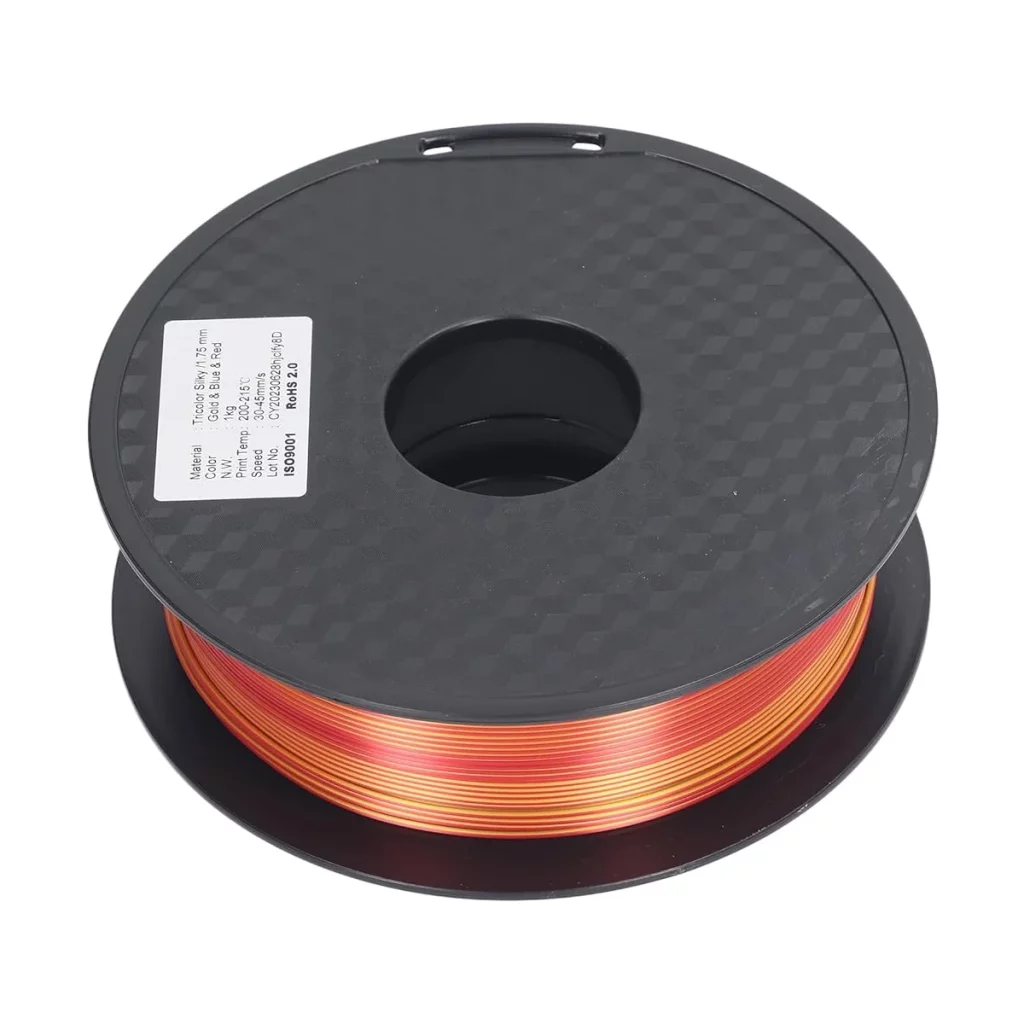
- PLA (Polylactic Acid): Derived from renewable resources like corn starch or sugarcane, PLA is the most popular beginner filament. It prints at relatively low temperatures (190°C–220°C), exhibits minimal warping, and does not strictly require a heated bed, though a bed temperature of 50°C–60°C improves adhesion.
- PETG (Polyethylene Terephthalate Glycol): Combining the ease of PLA with greater mechanical strength and chemical resistance, PETG melts around 230°C–250°C. It absorbs less moisture than nylon but stringing can occur if retraction settings are not properly tuned.
- ABS and ASA (Acrylonitrile Butadiene Styrene and Acrylonitrile Styrene Acrylate): These engineering thermoplastics require enclosed build volumes and heated beds (90°C–110°C) to prevent severe warping and layer separation. ASA offers superior UV resistance, making it ideal for outdoor applications.
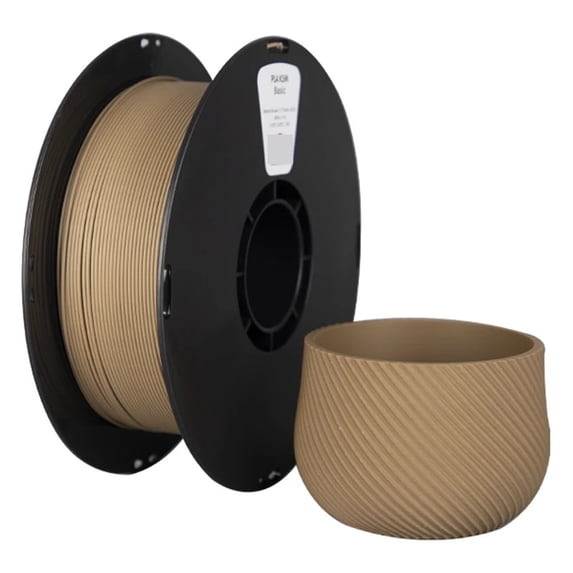
- Advanced Composites: Filled filaments containing carbon fiber, glass fiber, wood dust, or metal powder impart unique aesthetics or stiffness. However, these materials are abrasive and require hardened steel or ruby nozzles to prevent rapid brass nozzle wear.
Bed Adhesion and Surface Prep Supplies
Keeping the first layer securely attached to the build plate is vital for preventing print failures. Depending on your build plate surface—be it glass, PEI (Polyetherimide) sheets, or painter's tape—you may need supplementary adhesion supplies.
- Isopropyl Alcohol (IPA): A 90% or higher concentration of IPA is essential for wiping down build surfaces to remove skin oils, dust, and residual manufacturing lubricants before every print.
- Glue Sticks and Special Washes: Water-soluble glue sticks or specialized liquid adhesives (such as Magigoo or 3D Gloop) create a thermal bond that holds parts down during printing and releases them automatically once the plate cools.
- PEI Sheets: Textured or smooth magnetic PEI spring steel sheets have become the industry standard for removable, flexible build surfaces that require minimal chemical intervention.
SLA and Resin Printing Supplies: Polymers, Solvents, and Safety Gear
SLA and MSLA (Masked Stereolithography) printers offer incredible detail resolution, but their supplies require rigorous safety protocols due to the toxicity and skin-irritating nature of liquid photopolymers.
Resin Types and Applications
- Standard Resins: Optimized for general-purpose figurines, miniatures, and aesthetic models. They offer crisp details but can be brittle upon impact.
- Water-Washable Resins: These polymers eliminate the need for isopropyl alcohol during the primary cleaning phase, allowing users to rinse uncured resin off parts using tap water. Wastewater must still be disposed of responsibly by evaporating the resin residue in sunlight.
- Engineering and Tough Resins: Formulated to mimic ABS or polycarbonate, these resins feature higher tensile strength, impact resistance, and elongation break points suited for functional mechanical prototypes.
Post-Processing and Safety Equipment
Resin printing does not end when the build plate rises. A complete resin supply station must include specific post-processing tools:
- Nitrile Gloves and Respirators: Uncured liquid resin is a potent skin sensitizer. Nitrile gloves must be worn whenever handling wet prints or cleaning vats. When sanding cured resin or working in poorly ventilated spaces, an organic vapor respirator protects the lungs.
- UV Curing Stations and Wash Tanks: Freshly printed resin objects are coated in unpolymerized monomer liquid. Dedicated ultrasonic wash tanks or automated agitators filled with high-purity IPA clean the surfaces, followed by exposure to 405nm UV light in a curing chamber to achieve full material hardness.
| Supply Category | Primary Use Case | Key Safety/Handling Requirement | Common Storage Need |
|---|---|---|---|
| PLA Filament | General prototyping, decorative models | Low toxicity; adequate ventilation recommended | Dry box with desiccant (< 15% humidity) |
| ABS Filament | Functional mechanical parts, enclosures | High VOC emissions; requires active carbon filtration | Cool, dark, moisture-controlled container |
| Standard Resin | Miniatures, high-detail display models | Toxic skin sensitizer; nitrile gloves and eye protection mandatory | Opaque bottles away from direct UV sunlight |
| Isopropyl Alcohol (99%) | Cleaning print beds and resin prints | Highly flammable; keep away from ignition sources | Flame-rated chemical storage cabinet |
Maintenance, Calibration, and Storage Supplies
Long-term printing reliability depends heavily on preventive maintenance supplies. Neglecting mechanical upkeep leads to under-extrusion, layer shifts, and failed prints.
Filament Storage and Moisture Control
Most 3D printing filaments are hygroscopic, meaning they absorb moisture from ambient air. Wet filament causes steam bubbles to form inside the hot nozzle, resulting in popping sounds, stringing, surface blemishes, and severely degraded tensile strength.
- Desiccant Packs: Silica gel packets placed inside storage bins absorb residual atmospheric moisture.
- Dry Boxes and Filament Dehydrators: Active heated drying boxes bake filaments at controlled temperatures (e.g., 45°C for PLA, 50°C–55°C for nylon) to restore printability to water-logged spools.
Hardware Maintenance Tools
- PTFE Tubing and Cutter: High-grade Capricorn PTFE tubing ensures smooth filament paths in Bowden-style extruders. A clean, square cut using a dedicated tube cutter prevents gaps between the tube and the nozzle.
- Nozzle Cleaning Needles: Acupuncture-style thin stainless steel wires clear clogs from the internal melt zone of hotends.
- Machine Lubricants: Synthetic greases (like lithium grease) for lead screws and light machine oils for smooth guide rails minimize friction and prevent premature mechanical wear.
Frequently Asked Questions
How should I store my 3D printing filament to prevent moisture absorption?
Store filaments in airtight plastic containers or vacuum-sealed bags with rechargeable silica gel desiccant packs. If you live in a humid climate, consider using a dry box that feeds filament directly into the printer while keeping the bulk of the spool isolated from room air.
Can I use rubbing alcohol with a lower concentration, like 70%, to clean my print bed?
While 70% isopropyl alcohol will clean surface dirt, the remaining 30% water and additives can leave a surfactant film behind that reduces bed adhesion. Always aim for 90% or higher purity IPA for optimal surface preparation.
Why are my resin prints cracking after a few days?
Resin prints often crack due to improper post-curing or leaving trapped liquid resin inside hollow models. Ensure you thoroughly wash both the exterior and interior cavities of hollow prints, allow them to dry completely, and follow the resin manufacturer's recommended UV exposure times. Over-curing can make photopolymers excessively brittle.
Do abrasive filaments like carbon fiber ruin standard brass printer nozzles?
Yes. Carbon and glass fibers are extremely hard and act like sandpaper as they pass through a standard brass nozzle bore at high speeds, quickly enlarging the exit orifice and ruining print tolerances. You must upgrade to hardened steel, tool steel, or ruby-tipped nozzles when printing composite materials.
What is the safest way to dispose of waste resin and cleaning alcohol?
Liquid resin and alcohol contaminated with resin must never be poured down household drains, as photopolymers are harmful to aquatic life. Instead, cure waste resin completely by placing it in direct sunlight or a UV box until it turns into solid, inert plastic, after which it can be discarded with regular household trash. Saturated wash alcohol should be left in a clear container under sunlight to cure dissolved resin, filtered, and reused or disposed of according to local hazardous waste guidelines.
Practical Next Steps for Stocking Your Workshop
Begin by auditing your current printing goals and hardware capabilities. If you print primarily structural brackets and mechanical enclosures, prioritize high-temperature filaments, hardened nozzles, and robust dry-storage solutions. If you focus on tabletop miniatures, invest in a dedicated washing and curing station, high-purity cleaning solvents, and appropriate personal protective equipment. Establishing an organized supply inventory prevents mid-print failures and ensures consistent, repeatable results across all your fabrication projects.