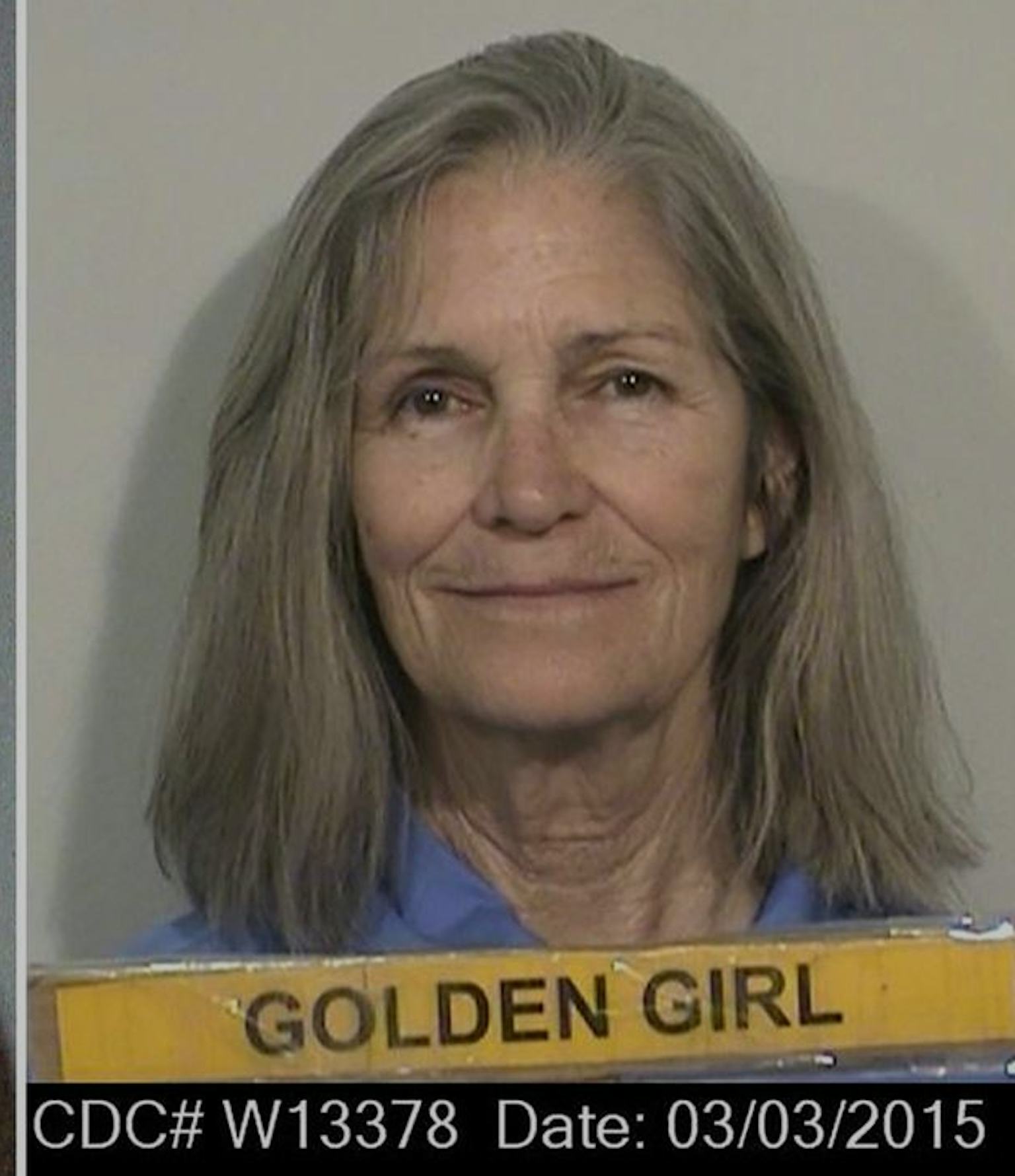
In July 2023, Leslie Van Houten was released from a California prison after serving 53 years for her participation in the 1969 Manson Family murders. Her parole followed a significant legal battle between the California executive branch and the appellate courts, sparking a nationwide debate regarding the purpose of incarceration, the validity of rehabilitation, and the rights of victims' families.
The Historical Context of the 1969 LaBianca Murders
To understand the intensity of the public debate surrounding the 2023 parole of Leslie Van Houten, one must first look at the crimes that led to her life sentence. In August 1969, Van Houten, then 19 years old, was a member of the "Manson Family," a cult led by Charles Manson. While she was not present at the infamous Sharon Tate murders on August 9, she participated in the killings of Leno and Rosemary LaBianca the following night.
Van Houten’s involvement was particularly brutal; she was convicted of holding down Rosemary LaBianca while others stabbed her and then stabbing the victim herself approximately 14 to 16 times after she was likely already dead. Originally sentenced to death in 1971, her sentence was commuted to life in prison with the possibility of parole after the California Supreme Court briefly abolished the death penalty in 1972.
For decades, Van Houten was viewed as the "most redeemable" of the Manson followers due to her age at the time of the crimes and her exemplary behavior within the prison system. However, the sheer notoriety of the Manson Family ensured that any discussion of her release would be met with significant emotional and political resistance.
The Legal Path to the 2023 Parole Release
The release of Leslie Van Houten in 2023 was not a sudden decision but the culmination of a multi-year legal tug-of-war. Under California law, the Board of Parole Hearings (BPH) determines whether an inmate is suitable for parole based on several factors, including the inmate's history, the nature of the crime, and—most importantly—their "current dangerousness."
Repeated Parole Recommendations and Executive Vetoes
Starting in 2016, the BPH recommended Van Houten for parole five times. In each instance, the sitting Governor of California exercised their authority to reverse the board’s decision. Governor Jerry Brown blocked her release twice, and Governor Gavin Newsom blocked it three times. The governors argued that despite her decades of rehabilitation and psychological progress, Van Houten still lacked a full understanding of how she had been manipulated by Charles Manson and remained a potential threat to public safety.
The 2023 Appellate Court Intervention
The turning point occurred in May 2023 when a California appellate court ruled 2-1 that Governor Newsom’s 2022 rejection of Van Houten’s parole was "not supported by some evidence" of current dangerousness. The court emphasized that Van Houten had undergone decades of therapy, earned multiple degrees, and served as a mentor to other inmates.
Legal experts point out that the "some evidence" standard in California is a relatively low bar for a governor to meet, yet the court found that Newsom’s concerns about Van Houten’s past susceptibility to cult influence did not translate to her current psychological state in her 70s. Following the court’s ruling, Governor Newsom announced in July 2023 that he would not appeal the decision to the state Supreme Court, acknowledging that it was unlikely to be overturned. On July 11, 2023, Van Houten was released to a transitional housing facility.
Core Arguments in the Public Debate
The 2023 Leslie Van Houten parole ignited a complex public debate that continues to influence discussions on criminal justice reform and victims' rights in 2026. The discourse generally divides into two primary schools of thought: the rehabilitation-focused approach and the retributive-justice approach.
The Argument for Rehabilitation and Due Process
Supporters of Van Houten’s release, including many legal scholars and prison reform advocates, argue that the parole system must be based on objective criteria rather than public sentiment or political optics.
- The Goal of Life with Parole: Advocates argue that "life with the possibility of parole" is a hollow promise if an inmate who meets all rehabilitation criteria is never released.
- Age and Recidivism: Statistical data consistently shows that elderly inmates, especially those who have served over 50 years with a clean disciplinary record, have the lowest recidivism rates of any demographic.
- Legal Precedent: Many argued that the Governor’s repeated vetoes were an overreach of executive power that undermined the expertise of the BPH professionals who had interviewed Van Houten extensively.
The Argument for Retribution and Victim Rights
Conversely, the families of the victims and many members of the public argued that some crimes are so heinous that the perpetrators should never be released, regardless of their behavior in prison.
- The Gravity of the Crime: Cory LaBianca, Leno LaBianca’s daughter, remained a vocal opponent of the parole, stating that the release of a Manson Family killer was a betrayal of the victims.
- The Manson Legacy: There is a unique cultural stigma attached to the Manson murders. Opponents argued that the ritualistic and terroristic nature of the crimes set them apart from standard homicides, necessitating a permanent life sentence to satisfy the requirements of justice.
- Political Accountability: Many citizens felt that the Governor has a duty to reflect the moral conscience of the community, which largely favored keeping Van Houten behind bars.
Comparative Overview: Parole Factors and Outcomes
The following table summarizes the key factors evaluated during the 2023 legal proceedings that ultimately led to Van Houten's release.
| Evaluative Factor | Board of Parole Hearings (BPH) View | Governor Newsom’s Stance (2022-2023) | Appellate Court Ruling (May 2023) |
|---|---|---|---|
| Current Dangerousness | Low; supported by multiple psychological evaluations. | High; cited potential for future manipulation. | No "some evidence" found to support dangerousness. |
| Rehabilitation Record | Exceptional; 50+ years of clean conduct and education. | Acknowledged but deemed insufficient to outweigh the crime. | Found that record directly contradicted the Governor's veto. |
| Insight into Crimes | Sufficient; showed remorse and understanding of cult dynamics. | Insufficient; claimed she still minimized her role. | Found she had provided "extensive" insight over decades. |
| Impact on Public Safety | Minimal; age and health factors significantly reduce risk. | Significant; the nature of the crime suggests inherent risk. | Found the Governor relied too heavily on the "unchanging" crime. |
Legal Standards for Parole in California
The 2023 Leslie Van Houten parole serves as a landmark case for how California Penal Code sections regarding parole suitability are applied. Specifically, the "Marsy’s Law" and subsequent reforms have shaped the way parole hearings are conducted.
Suitability vs. Eligibility
It is a common misconception that being "eligible" for parole means an inmate will be released. Eligibility simply means the inmate has served the minimum required time. Suitability is a discretionary decision made by the BPH. In Van Houten’s case, she was eligible for decades, but it took five decades to be found suitable.
The Role of the Executive Veto
California is one of the few states where the Governor has the power to unilaterally reverse a parole board's decision for murder convictions. The Van Houten case highlighted the tension within this system. While the Governor acts as a check on the board, the 2023 appellate ruling clarified that this check is not absolute and must be grounded in contemporary evidence rather than a re-litigation of the original crime.
Societal and Legal Implications in 2026
As we look back from 2026, the 2023 parole of Leslie Van Houten has had several lasting impacts on the California legal landscape.
- Parole Board Autonomy: The case strengthened the weight of BPH recommendations. While governors still exercise veto power, they are now more cautious about the "some evidence" standard, knowing that the courts are willing to overturn vetoes that appear purely political or focused solely on the gravity of the original crime.
- Elderly Parole Legislation: The debate surrounding Van Houten fueled discussions about "Elderly Parole" laws. As the prison population ages, the cost of incarcerating 70- and 80-year-olds has become a fiscal and ethical concern, leading to more streamlined reviews for long-term inmates who pose no physical threat.
- Transitional Success: Since her release, Van Houten has reportedly lived a quiet life in transitional housing and later in private residence, complying with all parole conditions. Her successful reintegration—so far—has been used by reform advocates as evidence that the parole system’s predictive models for recidivism are accurate.
Frequently Asked Questions
Why was Leslie Van Houten paroled in 2023 if the Governor opposed it?
While Governor Gavin Newsom blocked her parole multiple times, the California Second District Court of Appeal overturned his most recent veto in May 2023. The court ruled that there was no evidence to support the Governor’s claim that Van Houten was still a danger to society. The Governor chose not to appeal this specific ruling to the State Supreme Court, leading to her release.
What were the specific crimes Leslie Van Houten was convicted of?
Van Houten was convicted of the first-degree murders of Leno and Rosemary LaBianca in August 1969. She was also convicted of conspiracy to commit murder. She was not involved in the Sharon Tate murders which occurred the previous night.
How long did Leslie Van Houten serve in prison?
She served 53 years in total. She was originally arrested in late 1969 and remained incarcerated until her release on July 11, 2023.
What are the conditions of her parole?
Like most paroled individuals convicted of murder, Van Houten is subject to strict supervision. This includes regular check-ins with a parole officer, travel restrictions, and a requirement to remain law-abiding. In California, parole for such cases typically lasts for several years and can sometimes result in "parole for life" supervision depending on the specific sentencing structure at the time of the crime.
How did the victims' families respond to the 2023 release?
The response was overwhelmingly negative. Cory LaBianca and other relatives of the victims expressed deep disappointment and fear that the release of a Manson follower set a dangerous precedent and failed to provide justice for the lives lost.
Practical Recommendations for Following Parole Law Developments
For those interested in the ongoing legal shifts regarding parole and executive power in California, the following steps are recommended:
- Monitor BPH Monthly Reports: The California Department of Corrections and Rehabilitation (CDCR) publishes monthly records of parole suitability hearings. This is the best way to see how the "current dangerousness" standard is being applied to other high-profile or long-term inmates.
- Track Appellate Court Decisions: Cases involving executive vetoes of parole are often litigated in the California Courts of Appeal. Following these rulings provides insight into how the judiciary is balancing the Governor’s power with the rights of inmates.
- Review Legislative Changes: In 2026, keep an eye on any proposed amendments to the California Penal Code that might seek to limit or expand the Governor’s veto power, as the Van Houten case remains a primary talking point for both sides of that legislative issue.