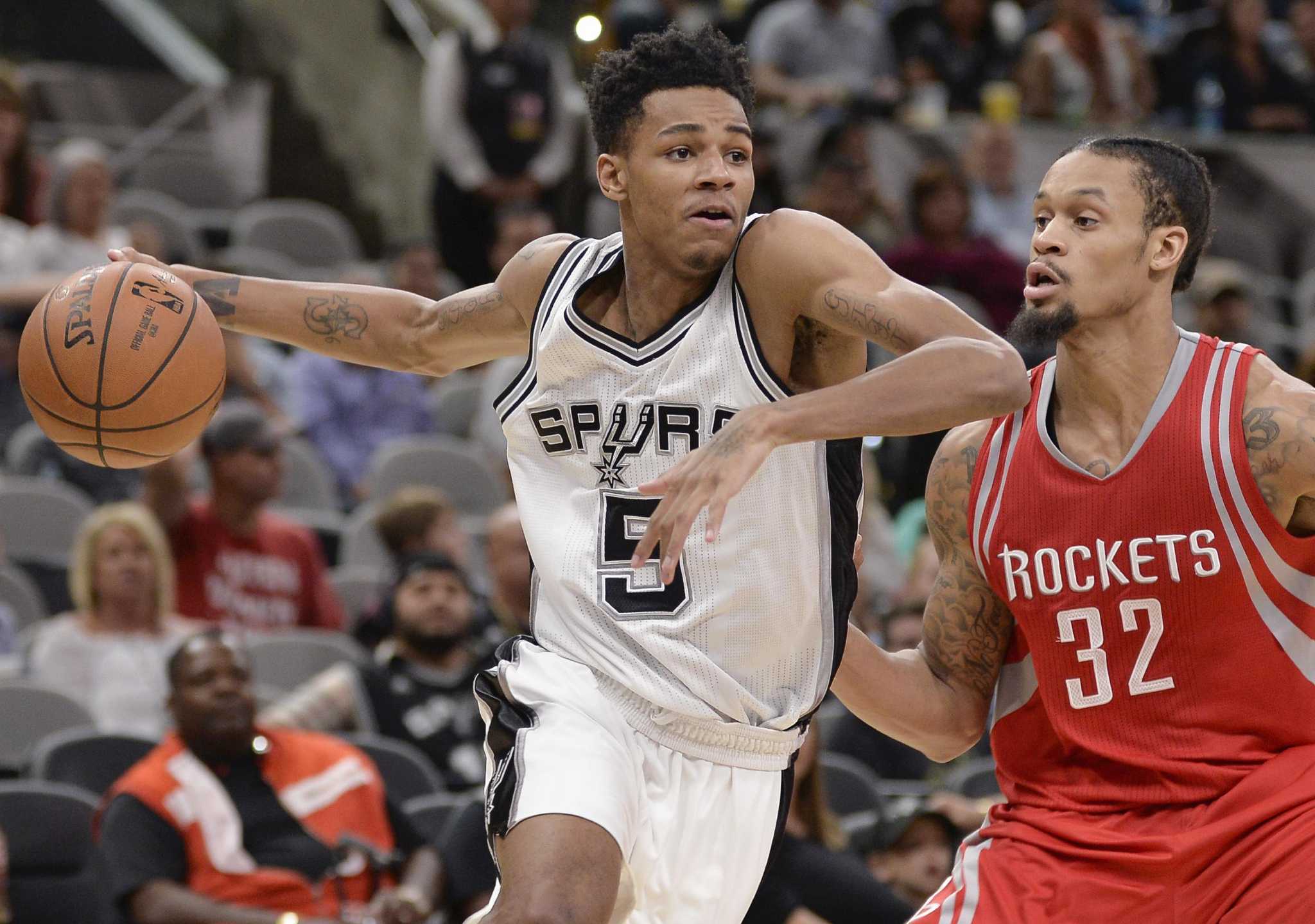
The 2017 San Antonio Spurs season record concluded with a stellar 61–21 regular-season standing, securing the second seed in the fiercely competitive Western Conference under legendary head coach Gregg Popovich. This performance extended the franchise's historic streak of 50-win seasons, highlighted an elite defense anchored by Kawhi Leonard, and culminated in a deep run to the Western Conference Finals despite significant late-season injuries.
The Foundation of Excellence: Regular Season Overview
The 2016–17 NBA regular season, which primarily spanned late 2016 through April 2017, represented a seamless transition into a new era for the San Antonio Spurs. Following the retirement of franchise cornerstone Tim Duncan in the summer of 2016, questions surrounded how the organization would maintain its culture and defensive identity. Under the steady guidance of Gregg Popovich, the team quickly answered those doubts, finishing the 82-game schedule with a 61–21 record.
This remarkable performance placed the Spurs just behind the record-setting Golden State Warriors in the Western Conference standings. Playing at the AT&T Center and on the road, San Antonio demonstrated remarkable consistency, avoiding major losing streaks and sustaining a home-court advantage that ranked among the best in the National Basketball Association. The team's success was rooted in a balanced offensive system that emphasized ball movement, efficient shooting, and a relentless commitment to defensive execution.
Home Versus Away Performance Breakdown
A critical driver of the 2017 Spurs season record was their dominance on their home floor combined with an elite road record. Consistency away from home has long been a hallmark of elite Popovich-coached teams, and the 2016–17 roster was no exception.
| Venue | Wins | Losses | Winning Percentage |
|---|---|---|---|
| Home (AT&T Center) | 31 | 10 | .756 |
| Away (Road) | 30 | 11 | .732 |
| Total Regular Season | 61 | 21 | .744 |
As detailed in the table above, the Spurs achieved nearly identical levels of success on the road as they did at home. Winning 30 games away from San Antonio required disciplined execution, mental toughness, and the ability to quiet hostile opposing crowds. This road prowess proved essential in securing the second seed and earning home-court advantage through the first two rounds of the postseason.
Roster Construction and Key Contributors
The structural integrity of the 2017 Spurs relied on a carefully curated blend of prime-era superstars, seasoned veterans, and developing rotation pieces. The roster construction reflected the front office's philosophy of finding value through international scouting, late draft picks, and strategic free-agent acquisitions.
Kawhi Leonard and the MVP-Caliber Campaign
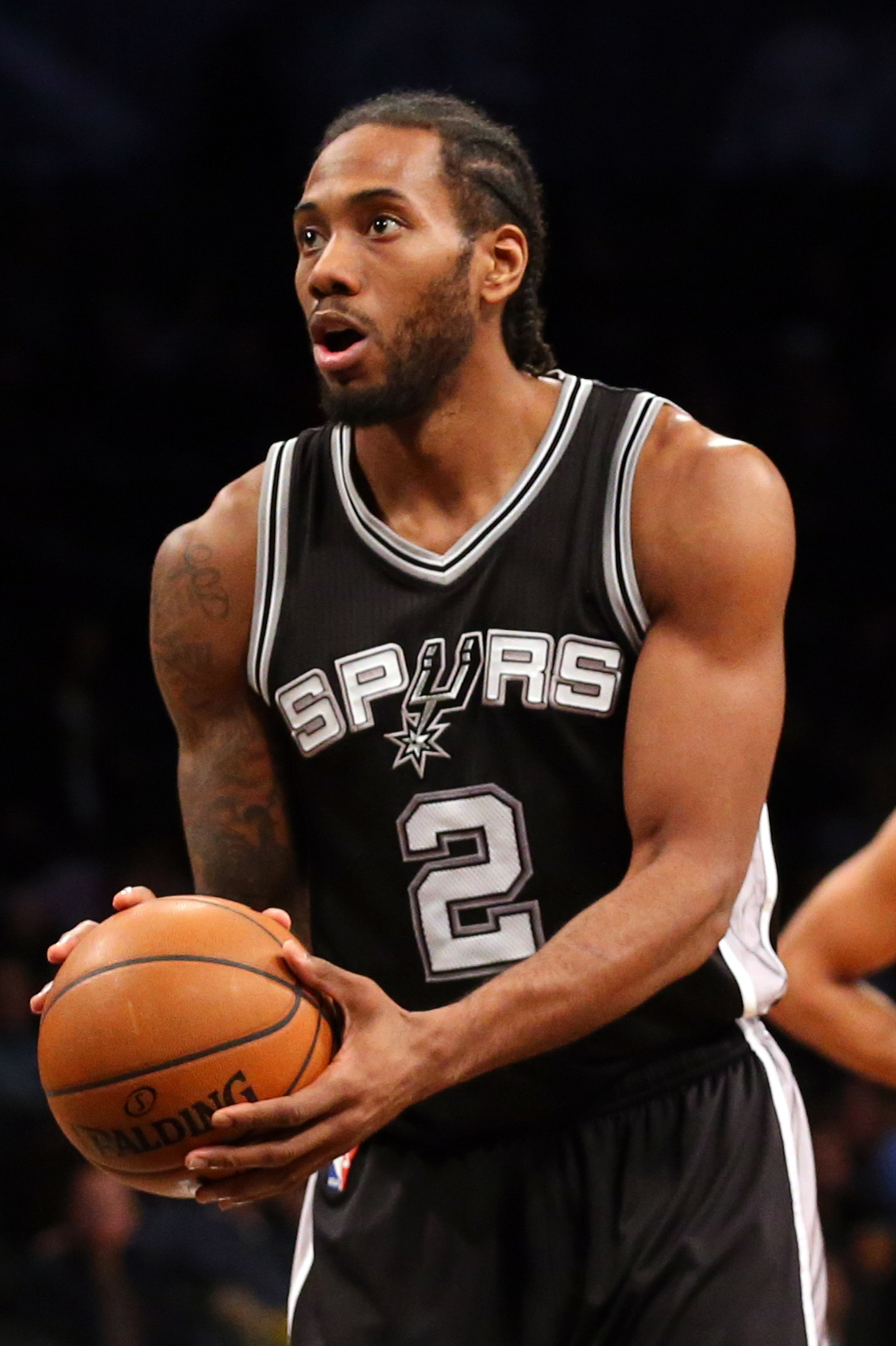
At the center of the 2017 Spurs season record was Kawhi Leonard, who delivered the finest individual campaign of his career up to that point. Leonard averaged a career-high 25.5 points per game while maintaining his status as the premier perimeter defender in basketball. His offensive burden increased significantly following Tim Duncan's departure, and Leonard responded by executing clutch plays in late-game scenarios on a nightly basis.
Leonard's contributions earned him a selection to the All-NBA First Team and a runner-up finish in the regular-season Most Valuable Player voting. His ability to shut down opposing perimeter threats while carrying the scoring load allowed the Spurs to weather tight contests and secure close victories throughout the winter and spring.
Veteran Leadership and Supporting Cast
While Leonard provided the superstar focal point, the supporting cast ensured stability across the 82-game grind:
- LaMarcus Aldridge: Serving as the team's primary interior scorer and secondary option, Aldridge averaged 17.3 points and 7.3 rebounds per game, anchoring the frontcourt alongside veteran center Pau Gasol.
- Pau Gasol: Playing his first season in San Antonio, Gasol brought high basketball IQ, interior passing, and floor-spacing shooting, averaging 12.4 points and 7.8 rebounds.
- Tony Parker and Manu Ginóbili: The remaining members of the historic Big Three provided vital veteran poise. Parker managed the point guard duties with steady efficiency, while Ginóbili provided invaluable energy, playmaking, and scoring off the bench in his twilight seasons.
- Patty Mills and Danny Green: Mills injected instant offense and perimeter shooting as the primary backup point guard, while Green patrolled the wings as an elite, All-Defense caliber stopper.
Advanced Metrics and Statistical Identity
Beyond the basic 61–21 record, the analytical profile of the 2017 San Antonio Spurs illustrates why the team dominated the regular season. The Spurs finished the year with a net rating that underscored their two-way proficiency, ranking near the top of the league in both offensive and defensive efficiency.
Defensive Dominance
The defensive end of the floor remained the anchor of San Antonio's identity. With Kawhi Leonard and Danny Green on the perimeter, LaMarcus Aldridge protecting the paint, and conservative, disciplined team schemes designed by assistant coach Ettore Messina and Popovich, the Spurs finished with one of the lowest defensive ratings in the NBA. They forced opponents into difficult mid-range jumpers, limited transition opportunities, and contested shots at the rim with high efficiency.
Offensive Efficiency
Offensively, the Spurs played at a deliberate, methodical pace, prioritizing ball movement and shot selection over sheer volume of possessions. They ranked near the top of the league in field goal percentage, three-point percentage, and free-throw accuracy. By limiting turnovers and extracting maximum value from every offensive possession, San Antonio offset a lack of elite vertical athleticism with supreme execution and spacing.
The 2017 Postseason Run and Western Conference Playoffs
The culmination of the 2017 Spurs season record led directly into a challenging postseason journey. Entering the playoffs as the second seed, San Antonio navigated a demanding path through the Western Conference bracket.
First Round: Memphis Grizzlies
In the opening round, the Spurs faced their familiar physical rivals, the Memphis Grizzlies. The series tested San Antonio's mental and physical resilience through hard-fought, defensive battles. Ultimately, the Spurs utilized their depth and Kawhi Leonard's scoring brilliance to eliminate the Grizzlies in six games, securing a 4–2 series victory.
Conference Semifinals: Houston Rockets
The second round featured an intrastate matchup against the high-powered Houston Rockets, led by James Harden and an offense centered around historical three-point volume. The series was defined by tactical chess matches between Gregg Popovich and Mike D'Antoni.
After splitting the opening games, the Spurs adjusted defensively, utilizing strategic switches and capitalizing on interior mismatches. San Antonio won a grueling six-game series, highlighted by an iconic overtime victory in Game 5 in San Antonio—achieved notably despite Kawhi Leonard missing the end of the game due to an ankle injury.
Western Conference Finals: Golden State Warriors
Advancing to the Western Conference Finals, the Spurs collided with the record-setting Golden State Warriors. The pivotal turning point of the series occurred in Game 1 at Oracle Arena. San Antonio controlled the contest for the majority of the first three quarters, building a comfortable double-digit lead.
However, the momentum shifted decisively when Kawhi Leonard suffered a severe ankle injury following a controversial contest on a jump shot. Without their best player, the Spurs could not hold off Golden State's explosive offense. The Warriors went on to sweep the series 4–0, though the initial foundation established by the 2017 regular-season record proved that San Antonio remained part of the league's elite tier.
Strategic Lessons and Legacy of the 2017 Campaign
Reflecting on the 2017 San Antonio Spurs season record reveals several enduring lessons regarding franchise sustainability, tactical execution, and organizational culture.
Maintaining Culture Through Transition
The primary narrative entering the 2017 season was how the franchise would survive without Tim Duncan. By emphasizing collective responsibility, defensive fundamentals, and unselfish ball movement, the Spurs proved that a strong organizational culture transcends individual superstar departures. This season served as a masterclass in modern NBA roster management and coaching adaptability.
Injury Vulnerability and Roster Depth
The Western Conference Finals exit exposed the fine margins of error in elite professional basketball. Even with a stellar 61-win regular season and exceptional depth, losing a top-tier MVP candidate fundamentally alters a team's championship ceiling. This reality prompted subsequent front-office strategies aimed at adding secondary playmakers to support Leonard in future campaigns.
Frequently Asked Questions
What was the final regular-season record for the San Antonio Spurs in 2017?
The San Antonio Spurs finished the 2016–17 NBA regular season with a record of 61 wins and 21 losses. This record secured them the second seed in the Western Conference playoff race.
How far did the Spurs advance in the 2017 NBA Playoffs?
The Spurs advanced to the Western Conference Finals in 2017. They defeated the Memphis Grizzlies in six games in the first round and the Houston Rockets in six games in the second round before falling to the eventual champion Golden State Warriors in four games.
Who was the leading scorer for the San Antonio Spurs during the 2017 season?
Kawhi Leonard led the San Antonio Spurs in scoring during the 2017 season, averaging a career-high 25.5 points per game while also earning All-NBA First Team and NBA All-Defensive First Team honors.
How did the Spurs perform at home versus on the road in 2017?
The Spurs displayed remarkable consistency regardless of venue, posting a 31–10 record at the AT&T Center and a stellar 30–11 record on the road during the 82-game regular season.
Who was the head coach of the San Antonio Spurs in 2017?
Gregg Popovich served as the head coach of the San Antonio Spurs in 2017, continuing his historic tenure leading the franchise that began during the 1996–97 season.
Conclusion and Historical Significance
The 2017 San Antonio Spurs season record stands as a testament to sustained excellence, tactical discipline, and elite two-way basketball. Winning 61 games in the wake of a franchise legend's retirement demonstrated the unmatched stability of the organization. While the campaign ended short of an NBA Finals appearance due to untimely injuries in the postseason, the 2016–17 team remains celebrated as one of the finest iterations of modern Spurs basketball.