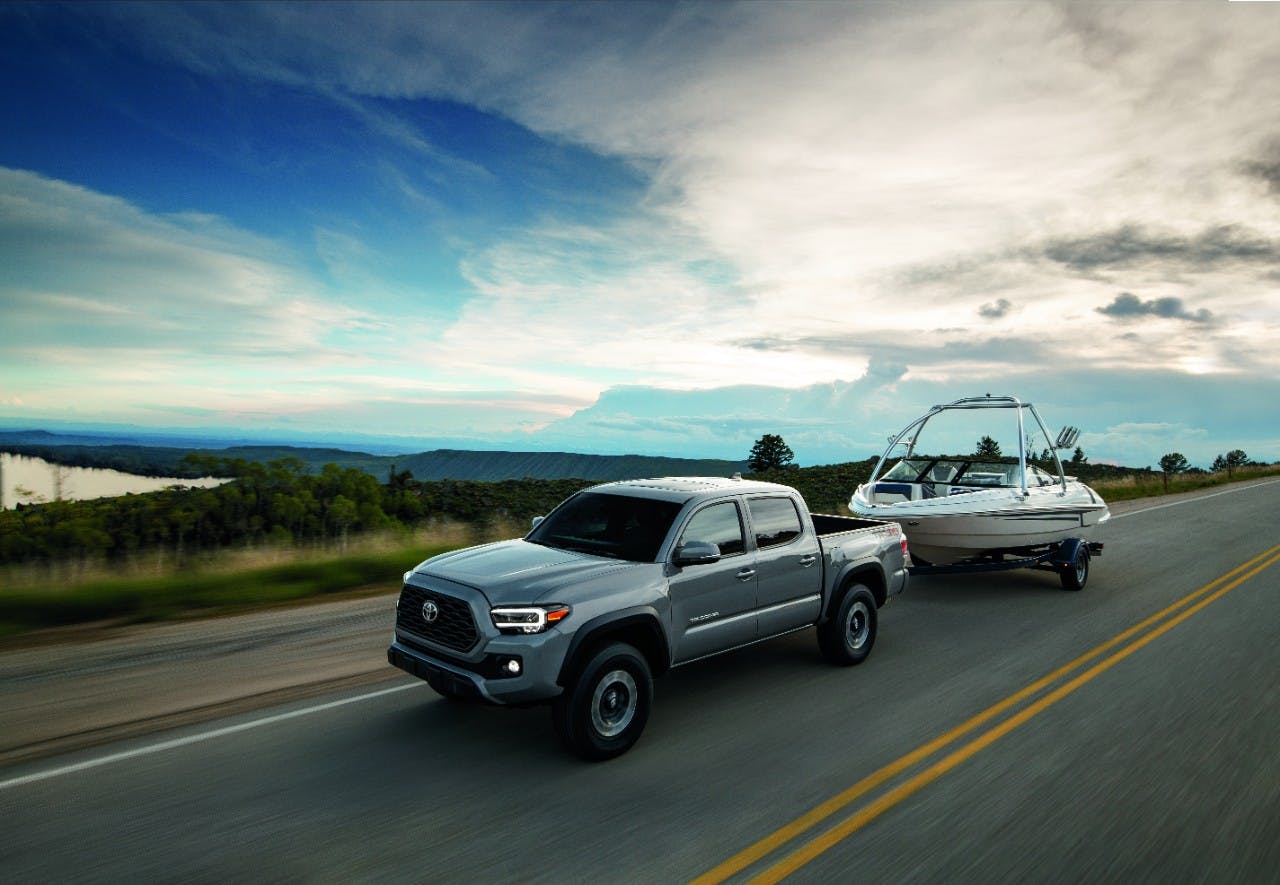
The 2014 Toyota Sienna has a maximum towing capacity of 3,500 pounds when properly equipped with the optional towing package. This capability is standard across all trim levels—from the base L and LE to the upscale SE, Limited, and XLE models—provided they feature the factory-installed or properly integrated tow prep package and the correct hitch receiver.
Understanding the towing capacity of a minivan involves more than just reciting a single maximum figure. For owners of the 2014 Toyota Sienna, evaluating towing limits requires a deep dive into payload distributions, gross combined weight ratings (GCWR), tongue weight, and the mechanical differences that separate a vehicle capable of light utility towing from one that risks transmission wear or handling instability. This comprehensive guide breaks down every variable you need to know to tow safely and effectively with a 2014 Toyota Sienna.
Core Specifications of the 2014 Toyota Sienna
The 2014 model year represents the middle of the third generation of the Toyota Sienna. Under the hood, every 2014 Sienna features a powerful 3.5-liter 2WD/AWD V6 engine (2GR-FE) coupled with a 6-speed automatic transmission. This powertrain produces 266 horsepower and 245 lb-ft of torque.
Despite offering an All-Wheel Drive (AWD) option—a unique feature in the minivan segment at the time—the maximum towing capacity remains capped at 3,500 pounds for both front-wheel-drive (FWD) and all-wheel-drive configurations. Adding AWD increases the vehicle’s curb weight, which subsequently reduces the available payload capacity inside the cabin, but it does not grant a higher towing ceiling.
Understanding the 3,500-Pound Limit
A 3,500-pound limit places the Sienna firmly in the light-duty towing category. This makes the minivan well-suited for several recreational and utility tasks:
- Small pop-up camping trailers and teardrop campers
- Single-axle utility trailers carrying lawn equipment, motorcycles, or furniture
- Small watercraft, such as a single jet ski or a light aluminum fishing boat on a trailer
- Cargo-carrying enclosed trailers of modest dimensions
However, this limit means the Sienna is fundamentally unsuited for large travel trailers, multi-car haulers, full-sized boats, or heavy construction equipment. Exceeding the 3,500-pound threshold risks stressing the unibody frame, overheating the transmission, and compromising braking performance.
The Crucial Role of the Tow Prep Package
A common point of confusion for 2014 Toyota Sienna owners is whether their vehicle came factory-equipped to pull a trailer. Simply bolting a hitch receiver to the rear bumper does not automatically grant a 3,500-pound towing capacity if the vehicle lacks the necessary thermal management upgrades.
The factory Tow Prep Package for the 2014 Toyota Sienna includes vital hardware upgrades designed to handle the thermal and mechanical strain of towing:
- Engine Oil Cooler: Helps manage higher engine temperatures under load by cooling the oil before it circulates through critical components.
- Heavy-Duty Radiator: Enhances overall cooling capacity to prevent engine overheating when climbing grades or driving in high ambient temperatures.
- Upgraded Cooling Fan: Moves a higher volume of air across the radiator and condenser cores.
- Pre-wired Harness: Simplifies the electrical connection for trailer lights and brakes.
Vehicles built without the factory Tow Prep Package are typically restricted to a much lower towing capacity—often 2,000 pounds or not recommended for towing at all, depending on regional market specifications and dealer configurations. Owners should check their specific door jamb sticker, owner's manual, and build sheet via the Toyota Owner's portal using their VIN to verify factory specifications.
Weight Ratings: GVWR, GAWR, and GCWR
To understand how much you can actually pull with a 2014 Toyota Sienna, you must look beyond the maximum trailer weight and understand the interconnected weight ratings established by Toyota and federal safety standards.
| Weight Term | Definition & Sienna Application |
|---|---|
| Gross Vehicle Weight Rating (GVWR) | Maximum allowable total weight of the Sienna itself, including passengers, cargo, and tongue weight. |
| Gross Axle Weight Rating (GAWR - Front/Rear) | Maximum weight that can safely be supported by a single axle. |
| Gross Combined Weight Rating (GCWR) | Maximum allowable combined weight of the vehicle and the loaded trailer together. |
| Tongue Weight | The downward vertical force exerted on the hitch ball by the trailer coupler (typically 10-15% of trailer weight). |
The Payload Trade-Off
The most common mistake drivers make is assuming they can load the minivan to maximum passenger and cargo capacity and tow a 3,500-pound trailer simultaneously. This is rarely true.
The weight of passengers, luggage, aftermarket accessories, and the trailer's tongue weight all count against the vehicle's GVWR and payload capacity. For example, if a 2014 Sienna has a total payload capacity of 1,350 pounds, loading 800 pounds of passengers and cargo leaves only 550 pounds available for trailer tongue weight. If your trailer has a tongue weight of 350 pounds (10% of a 3,500-pound trailer), you are within limits. However, if you load the trailer heavily or load the cabin with heavy gear, you risk exceeding the GVWR long before you hit the 3,500-pound trailer limit.
Equipment and Safety Requirements for Towing
Towing safely with a 2014 Toyota Sienna requires proper hardware selection, correct weight distribution, and adherence to safe driving practices.
Hitch Receivers and Classes
To tow up to 3,500 pounds, you need a Class II or Class III hitch receiver with a 2-inch receiver opening. While Class I hits are rated for 2,000 pounds, they are insufficient for the Sienna's maximum rated capacity. Ensure the hitch is securely bolted directly to the vehicle's frame mounting points as specified by the manufacturer.
Tongue Weight Management
Proper tongue weight is essential for trailer stability. If the tongue weight is too light, the trailer can sway dangerously at highway speeds (fishtailing). If it is too heavy, it unloads the front steering tires of the Sienna, reducing steering traction and braking effectiveness. Aim for a tongue weight that is 10% to 15% of the total loaded trailer weight (i.e., 300 to 350 pounds for a maxed-out 3,500-pound trailer).
Braking Systems
In most jurisdictions, trailers with a gross weight exceeding 1,500 to 3,000 pounds require independent trailer brakes. Because the 2014 Toyota Sienna relies on its factory disc brakes, adding a trailer brake controller is highly recommended—and often legally mandatory—when pulling a heavy utility or camping trailer equipped with electric brakes. Ensure the installation includes a 7-way blade connector rather than a basic 4-way flat plug to support brake power transmission and auxiliary 12V charging.
Best Practices and Operational Limitations
Operating a loaded minivan requires adjusted driving habits to account for increased stopping distances, wider turning radiuses, and reduced acceleration performance.
- Use Sport Mode / Gear Selection: While the Sienna features an automatic transmission, drivers should avoid using top gear (Overdrive) on steep inclines or winding roads to prevent excessive gear hunting, which generates high transmission fluid temperatures.
- Monitor Fluid Temperatures: Regularly check transmission fluid health, especially if towing frequently in hot weather or mountainous terrain. Installing an aftermarket auxiliary transmission fluid cooler can provide additional insurance against overheating.
- Check Tire Pressures: Ensure both the Sienna's tires and the trailer tires are inflated to the maximum recommended cold PSI listed on their respective placards. Under-inflated tires build excessive heat at highway speeds.
- Allow Extra Stopping Distance: Doubling your vehicle's weight with a trailer significantly increases braking distances. Maintain at least double the following distance you would normally keep.
Frequently Asked Questions
Can a 2014 Toyota Sienna tow a travel trailer?
Yes, but with strict limitations. It can pull small pop-up campers, teardrop trailers, or lightweight fiberglass travel trailers (such as Scamp or Casita models) that weigh under 3,500 pounds fully loaded. Full-sized travel trailers exceed both the weight and aerodynamic limits of the Sienna.
Do all 2014 Toyota Siennas come with a tow package?
No. The tow prep package was an optional feature. Many Siennas left the factory without the upgraded radiator and engine oil cooler. You must verify your specific vehicle's build sheet or inspect the engine bay for factory cooling upgrades before towing heavy loads.
Can I add a tow package to a Sienna that didn't come with one?
You can install an aftermarket hitch receiver and wiring harness easily, but retrofitting the factory engine oil cooler and heavy-duty radiator is complex and costly. Without those cooling upgrades, towing heavy loads up to the 3,500-pound maximum increases the risk of engine and transmission overheating.
Does the AWD model tow more than the FWD model?
No. Despite the mechanical differences and added traction of the All-Wheel Drive system, the maximum towing capacity for both FWD and AWD variants of the 2014 Toyota Sienna remains capped at 3,500 pounds.
What happens if I exceed the towing capacity?
Exceeding the 3,500-pound limit puts undue stress on the transmission, brakes, suspension components, and unibody frame. It can lead to premature component failure, loss of vehicle control in emergency maneuvers, and potential denial of insurance coverage or warranty claims in the event of an accident.
Conclusion and Next Actions
The 2014 Toyota Sienna is a versatile family hauler capable of handling light-duty towing tasks up to 3,500 pounds when properly configured with the factory tow prep package and correct hitch equipment. Before hitching up a trailer, verify your vehicle's specific equipment package, calculate your total passenger and cargo weight to stay within GVWR limits, and inspect all safety chains, lighting connections, and tire pressures. For those planning frequent towing, consulting a certified mechanic or Toyota service center to inspect your cooling system and transmission health is a smart preliminary step.