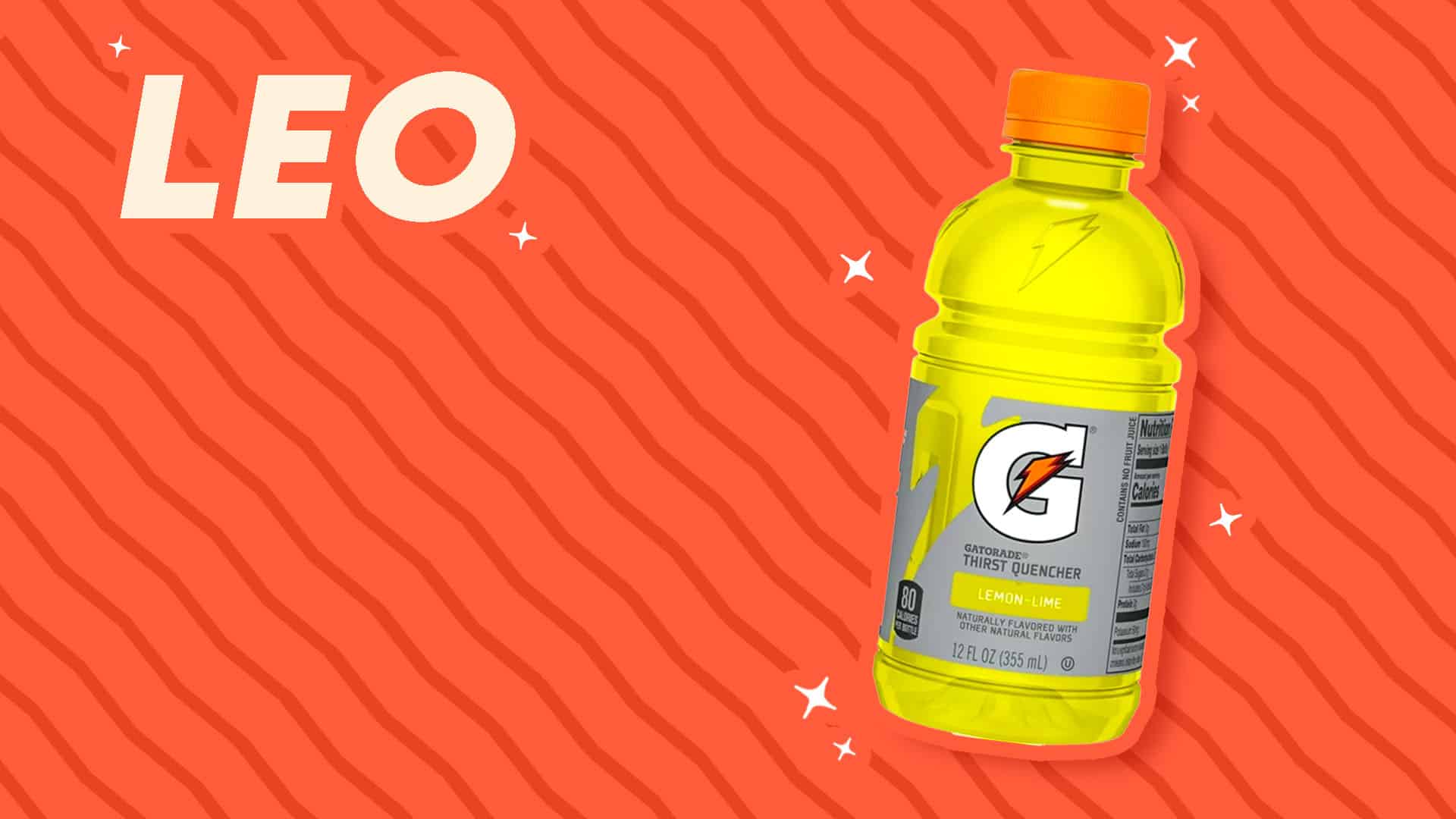
For individuals living with diabetes, Gatorade Zero is the best option because it provides essential electrolytes—sodium and potassium—without the added sugars that cause rapid blood glucose spikes. Unlike the original formula, Gatorade Zero uses non-nutritive sweeteners, making it a safe choice for maintaining hydration during exercise or illness without complicating insulin management.
Managing blood glucose levels requires constant vigilance regarding carbohydrate intake, particularly from liquid sources which the body absorbs rapidly. For a person with diabetes, the choice of a sports drink is not merely a matter of flavor preference but a clinical decision that affects metabolic stability. As of 2026, the beverage market has expanded significantly to include various functional waters and electrolyte solutions, yet Gatorade remains a staple due to its accessibility and standardized electrolyte ratios.
To determine which Gatorade product aligns with your health goals, it is essential to analyze the nutritional composition of the various lines—from the classic Thirst Quencher to the more recent G Fit and Lyte versions.
The Evolution of Gatorade and Diabetic Compatibility
Originally developed in 1965 to help athletes replace fluids, carbohydrates, and electrolytes lost through sweat, the "classic" Gatorade was built on a foundation of simple sugars (sucrose and dextrose). While this is ideal for a high-intensity athlete burning hundreds of calories an hour, it can be dangerous for someone with diabetes whose body cannot efficiently process that glucose load.
In recent years, the brand has diversified. The shift toward health-conscious and ketogenic-friendly options has inadvertently benefited the diabetic community. By removing the glucose component while retaining the electrolyte salts, Gatorade created products that assist with hydration without the "glycemic tax."
For a diabetic, hydration is double-edged. Dehydration can lead to a higher concentration of glucose in the bloodstream, effectively raising blood sugar levels. Conversely, the "wrong" hydration (sugary drinks) raises blood sugar directly. Therefore, the "best" Gatorade is one that resolves dehydration without introducing exogenous glucose.
Why Gatorade Zero is the Primary Choice
Gatorade Zero was formulated specifically to compete in the sugar-free market. It contains 0 grams of sugar and 0 to 1 gram of total carbohydrates per serving, depending on the specific flavor and bottle size.
Electrolyte Balance Without the Spike
The primary purpose of any sports drink is to provide electrolytes. In Gatorade Zero, the sodium and potassium levels remain consistent with the original formula. This is crucial for diabetics because high blood sugar levels can lead to increased urination (polyuria), which often flushes essential salts out of the system. Replacing these salts is vital for nerve function and muscle contraction.
The Role of Artificial Sweeteners
Gatorade Zero is sweetened with sucralose and acesulfame potassium (Ace-K). According to the American Diabetes Association (ADA), these non-nutritive sweeteners do not typically raise blood sugar levels because the body does not recognize them as carbohydrates. While some ongoing research explores the long-term impact of artificial sweeteners on gut microbiome and insulin sensitivity, as of 2026, they remain the clinical gold standard for sugar-replacement in diabetic diets.
Exploring Gatorade Fit: The Natural Alternative
For those who prefer to avoid artificial sweeteners like sucralose, Gatorade Fit (often marketed as G Fit) has emerged as a secondary favorite.
Nutritional Highlights of Gatorade Fit:
- No Added Sugar: It contains no added cane sugar or high-fructose corn syrup.
- Electrolyte Source: The electrolytes are sourced from watermelon juice and sea salt rather than lab-synthesized chemicals.
- Vitamins: It is enhanced with Vitamins A, C, B3, B5, and B6.
- Sweetened with Stevia: G Fit typically uses stevia leaf extract, a plant-based sweetener that has a negligible effect on blood glucose.
For a diabetic, G Fit is often considered the "cleaner" option. However, it is important to check the label, as some versions may contain trace amounts of natural sugars from the fruit juice concentrates (usually around 1g of sugar and 2g of total carbs). For most Type 1 and Type 2 diabetics, this amount is statistically insignificant but should be accounted for in a strict carbohydrate-counting regimen.
The Risks of G2 and Gatorade Lyte
It is a common mistake to assume that "Low Sugar" means "Safe for Diabetics." Products like G2 and Gatorade Lyte fall into a middle ground that can be deceptive.
The Problem with G2
G2 was the predecessor to Gatorade Zero. It contains about half the sugar of the original formula. In a standard 12-ounce serving, G2 contains approximately 7 grams of sugar. While this is significantly less than the 21 grams found in the original, 7 grams of liquid sugar can still cause a measurable rise in blood glucose, especially if consumed quickly without accompanying fiber or protein. Most endocrinologists suggest that diabetics avoid G2 in favor of the Zero version to eliminate unnecessary variables in their blood sugar management.
Gatorade Lyte: Rapid Rehydration Concerns
Gatorade Lyte is designed for "rapid rehydration," similar to medical-grade oral rehydration salts (ORS). It contains more sodium and potassium than standard Gatorade but also includes a specific amount of glucose. This glucose is intended to facilitate the "sodium-glucose cotransport" mechanism in the small intestine, which pulls water into the bloodstream faster.
For a non-diabetic, this is efficient. For a diabetic, the 12 grams of sugar in a bottle of Gatorade Lyte may be counterproductive unless they are recovering from a severe bout of dehydration due to illness (like a stomach virus) where some carbohydrate intake is clinically necessary to prevent ketosis.
Nutritional Comparison of Gatorade Varieties (Per 12 fl oz)
| Gatorade Variety | Calories | Total Carbohydrates | Sugars | Sodium | Potassium |
|---|---|---|---|---|---|
| Gatorade Zero | 0-5 | 0-1g | 0g | 160mg | 45mg |
| Gatorade Fit | 10-15 | 2g | 1g | 160mg | 45mg |
| G2 (Low Sugar) | 30 | 8g | 7g | 160mg | 45mg |
| Gatorade Lyte | 40-50 | 12g | 12g | 490mg | 350mg |
| Original (Thirst Quencher) | 80 | 21g | 21g | 160mg | 45mg |
Note: Nutritional values are estimates based on standard 2026 product formulations and may vary slightly by flavor.
When "Regular" Gatorade is Necessary: Treating Hypoglycemia
While Gatorade Zero is the best for daily hydration, the Original Gatorade (Thirst Quencher) is the best choice for treating hypoglycemia (low blood sugar).
When a diabetic’s blood sugar drops below 70 mg/dL, they need fast-acting glucose. The National Institute of Diabetes and Digestive and Kidney Diseases (NIDDK) recommends the "15-15 Rule": eat or drink 15 grams of carbohydrates and check blood sugar after 15 minutes.
A small 8-ounce serving of regular Gatorade provides approximately 14-15 grams of sugar. Because it is a liquid, the body absorbs it faster than solid food like a granola bar. In this specific emergency context, the high sugar content of regular Gatorade becomes a life-saving tool rather than a health risk.
Understanding the Impact on Insulin and Blood Sugar
A frequent question among the diabetic community is whether the artificial sweeteners in Gatorade Zero cause a "Cephalic Phase Insulin Response." This theory suggests that the mere taste of something sweet—even if it has no calories—triggers the pancreas to release insulin.
For Type 2 diabetics (who produce insulin but are resistant to it) or Type 1 diabetics (who produce none), the clinical impact of this response is generally considered negligible. Studies cited by the National Institutes of Health (NIH) indicate that sucralose and stevia do not typically result in significant insulin spikes in humans. However, every body is different. Some individuals may experience "phantom" spikes or increased cravings for sweets after consuming artificially sweetened beverages.
Hydration and Diabetic Ketoacidosis (DKA)
Hydration is a primary defense against Diabetic Ketoacidosis (DKA). When blood sugar is high, the body tries to flush out excess glucose and ketones through urine. This leads to massive fluid loss. Gatorade Zero is an excellent tool during "Sick Days" to maintain electrolyte balance without adding to the glucose burden that contributed to the high sugar levels in the first place.
Best Practices for Consumption
To integrate Gatorade into a diabetic lifestyle safely, consider the following expert-vetted strategies:
- Check the Label Every Time: Manufacturers often update formulations. Ensure the bottle says "Zero" or "Sugar-Free" and check the carbohydrate count.
- Monitor Your Response: If you are trying a new Gatorade product (like Gatorade Fit), check your blood glucose levels two hours after consumption to ensure the sweeteners used do not cause an unexpected rise.
- Prioritize Water: Gatorade should supplement, not replace, water. The sodium in sports drinks can actually increase thirst if consumed in excess without enough plain water.
- Use During Exercise: If you are a diabetic athlete, Gatorade Zero is ideal for workouts lasting less than an hour. For intense, long-duration cardio, you may actually need a small amount of G2 or regular Gatorade to prevent exercise-induced hypoglycemia, but this must be balanced with your insulin pump or injection settings.
Alternatives to Gatorade
If you find that Gatorade Zero does not suit your palate or causes digestive upset (as some people are sensitive to sucralose), there are other diabetic-friendly hydration options available in 2026:
- Powerade Zero: Similar to Gatorade Zero, often uses different flavor profiles and Vitamin B enhancements.
- Nuun Tablets: These dissolve in water and offer a precise electrolyte profile with very low (usually 1g) sugar content.
- Ultima Replenisher: A powder-based electrolyte mix that is entirely sugar-free and uses organic stevia leaf.
- Homemade Solutions: Water mixed with a pinch of sea salt and a squeeze of fresh lemon provides basic electrolytes without any additives.
Frequently Asked Questions
Does Gatorade Zero raise insulin levels?
Most clinical evidence suggests that the sweeteners in Gatorade Zero (sucralose and Ace-K) do not trigger a significant insulin response. However, metabolic responses can be individual. For the vast majority of diabetics, it is a safe, non-insulinogenic beverage.
Can a Type 1 diabetic drink Gatorade Lyte?
A Type 1 diabetic should only drink Gatorade Lyte if they are accounting for the 12 grams of sugar with a corresponding insulin bolus, or if they are using it to treat a mild blood sugar drop. It is not recommended as a standard hydration drink because it will raise blood glucose.
Is Gatorade Zero better than water for diabetics?
Not necessarily. Water is always the best foundation for hydration. Gatorade Zero is superior to water only when electrolytes need replacing—such as after heavy sweating, during a fever, or when experiencing high blood sugar-induced polyuria.
Does Gatorade Fit contain real sugar?
Gatorade Fit does not contain "added" sugar, but it does contain a small amount of natural sugar from fruit juice concentrates (usually around 1 gram per bottle). This is generally considered safe for diabetics but should be noted by those on extremely low-carb diets.
Can Gatorade Zero cause kidney stones in diabetics?
There is no direct evidence that Gatorade Zero causes kidney stones. However, diabetics are already at a higher risk for kidney issues. The sodium content in Gatorade should be monitored if you have been diagnosed with diabetic nephropathy or high blood pressure.
Final Recommendation
For the average diabetic looking for a safe way to stay hydrated and replace electrolytes, Gatorade Zero remains the most reliable and accessible choice. It eliminates the guesswork of carbohydrate counting while providing the necessary salts for metabolic function. If you prefer a more natural ingredient list and do not mind a single gram of sugar, Gatorade Fit is an excellent alternative. Always keep a bottle of Original Gatorade on hand, however, as a quick-response treatment for sudden hypoglycemia. As always, consult with your healthcare provider or a registered dietitian to tailor these suggestions to your specific glycemic needs and activity levels.