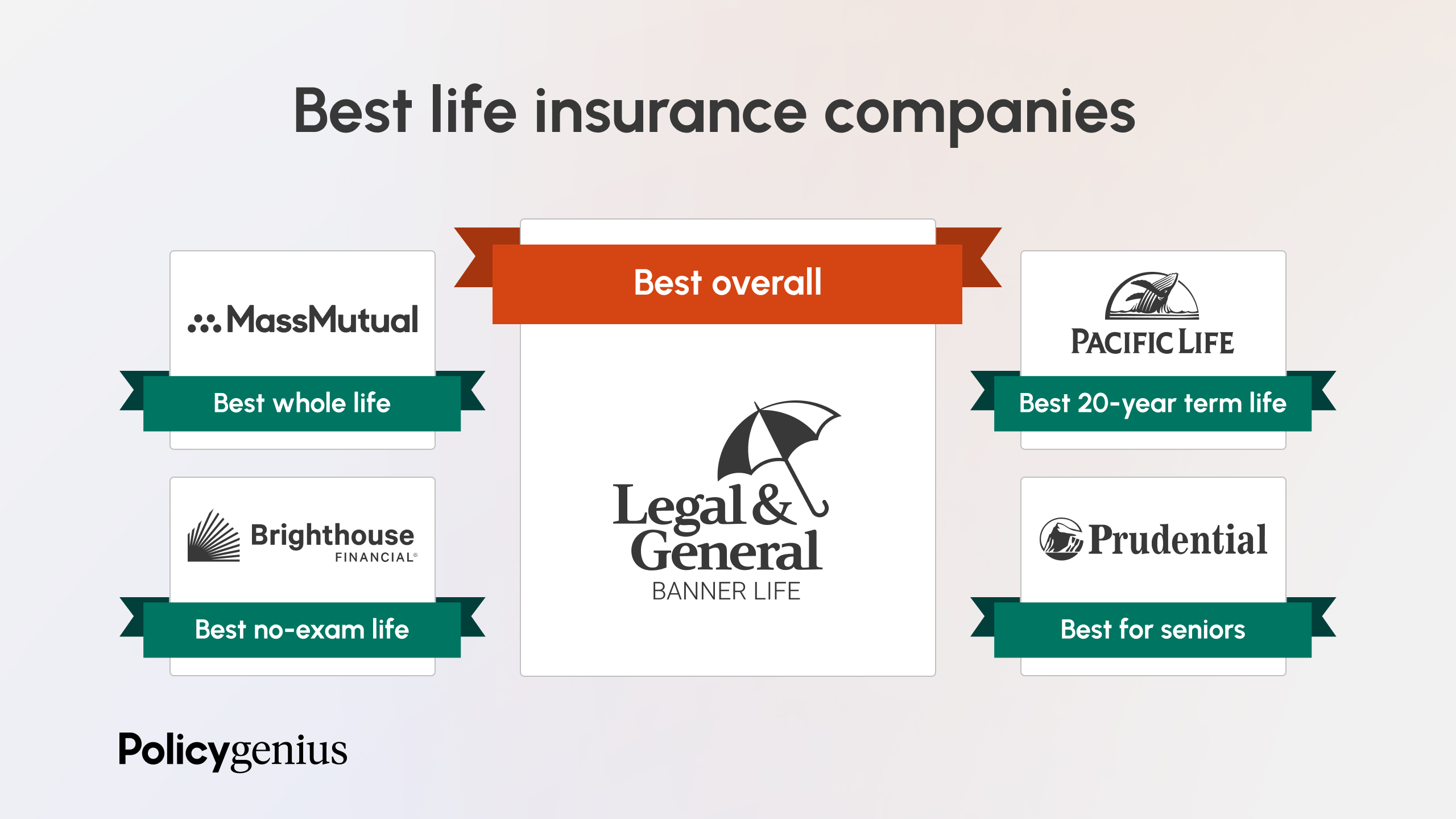
Navigating the market to identify the best life insurance providers ranked requires a comprehensive evaluation of financial strength, policy options, customer satisfaction, and underwriting flexibility. Leading carriers stand out by offering robust term and permanent coverage products, streamlined application processes without mandatory medical exams for qualified applicants, and competitive pricing structures tailored to individual risk profiles.
Selecting a life insurance policy is one of the most critical financial decisions an individual can make. It protects loved ones from financial hardship, covers outstanding debts, replaces lost income, and can even build cash value to support future goals. However, the insurance landscape is populated by dozens of competing companies, each boasting unique advantages, specialized riders, and distinct qualification criteria.
Understanding how top-tier life insurance providers are evaluated allows consumers to look past marketing claims and focus on objective metrics. This guide analyzes the industry's leading carriers, explores the criteria used to rank them, and provides a framework for choosing the right policy based on personal financial needs.
Criteria Used to Rank Life Insurance Providers
Evaluating life insurance companies requires a multi-dimensional approach that looks beyond monthly premiums. While cost is undeniably important, a cheap policy from an unstable or unresponsive company offers little peace of mind. Industry experts, consumer advocacy groups, and financial rating agencies use specific core pillars to assess carrier performance.
Financial Strength Ratings
A life insurance policy is a long-term contract—often spanning decades. Therefore, the issuing company’s financial stability is paramount. Independent rating agencies such as A.M. Best, Standard & Poor's (S&P), Moody's, and Fitch evaluate insurers' financial health, balance sheets, and ability to pay out future claims.
- A.M. Best Ratings: Generally ranging from A++ (Superior) down to D, these ratings indicate an insurer’s financial strength and creditworthiness. Sticking with carriers rated A or higher ensures a high degree of confidence that claims will be honored even during economic downturns.
- Reserves and Assets: Strong companies maintain substantial capital reserves to weather catastrophic market events or unexpected spikes in mortality rates.
Customer Satisfaction and Complaint Indexes
The true test of an insurance provider occurs when beneficiaries file a claim or when policyholders need service. The National Association of Insurance Commissioners (NAIC) tracks consumer complaints against insurance companies, publishing a complaint index.
- NAIC Complaint Index: A score of 1.0 represents the industry baseline. Companies with a score below 1.0 receive fewer complaints than expected for their size, signaling superior customer service. Scores significantly above 1.0 indicate potential service friction.
- J.D. Power Studies: Annual life insurance study rankings measure overall customer satisfaction, communication, interaction, and billing processing, offering qualitative insights into the day-to-day policyholder experience.
Underwriting Speed and Flexibility
Traditional life insurance underwriting can take anywhere from four to eight weeks, requiring a paramedical exam, blood draws, and extensive medical record reviews. Modern providers leverage data analytics and predictive modeling to offer accelerated underwriting.
- Accelerated Underwriting: Many top-ranked carriers can approve healthy applicants for term life insurance within days or hours without requiring a physical exam, provided their electronic health records and database checks confirm eligibility.
- Niche Underwriting: Some companies are uniquely lenient or accommodating toward specific health conditions (such as controlled type 2 diabetes, high blood pressure, or a history of anxiety), while others cater specifically to tobacco users or older adults.
Overview of the Best Life Insurance Providers Ranked
While rankings can shift slightly depending on specific consumer priorities, several major insurers consistently occupy the top tiers of industry evaluations due to their comprehensive offerings, financial stability, and customer-centric policies.
| Insurance Provider | Best Suited For | Notable Product Offerings | Underwriting Style |
|---|---|---|---|
| Northwestern Mutual | Whole life and cash value growth | Whole Life, Term, Universal Life | Traditional / Thorough |
| New York Life | Financial strength and dividend payouts | Whole Life, Custom Term, Universal Life | Traditional / Comprehensive |
| MassMutual | High dividend yields and policy customization | Term, Whole Life, Universal Life | Traditional with accelerated options |
| State Farm | Combining auto, home, and life policies | Term, Whole Life, Universal Life | Traditional and simplified |
| Banner Life (Legal & General) | Affordable term life insurance rates | Term, Universal Life | Accelerated and traditional exam |
| Pacific Life | Indexed universal life and cash value accumulation | Term, IUL, Variable Universal Life | Flexible underwriting |
Northwestern Mutual: Excellence in Permanent Coverage
Northwestern Mutual frequently claims top spots in industry rankings due to its exceptional financial strength and consistent track record of paying dividends to eligible whole life policyholders.
The company specializes in permanent life insurance solutions designed for long-term wealth accumulation and estate planning. While its term life products are competitive, its whole life insurance policies stand out for their robust cash-value growth components and flexibility in premium payment schedules. Northwestern Mutual relies heavily on its dedicated financial representative network, making it an ideal choice for consumers seeking holistic financial planning alongside insurance coverage.
New York Life: Unmatched Financial Stability
As a mutual company owned by its policyholders rather than outside shareholders, New York Life prioritizes long-term financial security. It holds the highest possible financial strength ratings from major independent rating agencies.
New York Life offers a diverse portfolio of term, whole, universal, and variable universal life insurance. Their whole life products are particularly well-regarded for conservative, steady growth and consistent dividend distributions. The application process is thorough, reflecting the company's commitment to rigorous risk management and financial solvency.
MassMutual: Dividend Performance and Customization
MassMutual is another mutual insurer with a stellar reputation for financial performance and customer retention. The company has a long history of paying annual dividends to eligible participating policyholders, which can be used to decrease premiums, purchase paid-up additions, or accumulate interest.
MassMutual provides highly customizable policies featuring a wide array of riders, such as waiver of premium, accelerated death benefits, and guaranteed insurability options. Their term products are also highly competitive, often featuring conversion options that allow policyholders to transition to permanent coverage without undergoing a new medical exam.
State Farm: Best for Policy Bundling
For consumers looking to simplify their financial lives by keeping all of their insurance policies under one roof, State Farm is an industry leader. Known widely for auto and homeowners insurance, State Farm also offers reliable and straightforward life insurance products.
State Farm excels in providing accessible customer service through a vast network of local, captive agents. Their term life products are competitively priced, and their Select Life savings plan offers a blend of permanent coverage with fixed premiums. It is an ideal choice for families looking for multi-policy discounts and personalized local support.
Banner Life (Legal & General America): Best for Term Affordability
Banner Life, a subsidiary of Legal & General America, is widely recognized for offering some of the most competitive term life insurance rates in the industry. For healthy individuals seeking high coverage amounts (such as $1,000,000 or more) at the lowest possible monthly cost, Banner is frequently a top contender.
The company offers term periods ranging from 10 to 40 years, catering to young families, professionals, and older adults alike. Banner Life also provides efficient accelerated underwriting programs that allow many qualified applicants to secure coverage quickly without a medical exam.
Pacific Life: Best for Indexed Universal Life (IUL)
Consumers interested in cash-value strategies that tie growth to stock market performance without direct market downside risk often turn to Pacific Life. The company is a recognized leader in indexed universal life (IUL) and variable universal life (VUL) insurance products.
Pacific Life offers a broad selection of investment sub-accounts and index crediting strategies, making it a favorite among high-net-worth individuals and estate planners. Their underwriting process is flexible, though policies with complex cash-value structures typically require careful consultation with a licensed financial advisor.
Types of Life Insurance Policies Available
Before selecting a provider, consumers must determine which type of life insurance policy aligns with their financial goals, timeline, and budget.
Term Life Insurance
Term life insurance provides coverage for a specific period—typically 10, 20, or 30 years. It is the most straightforward and affordable type of life insurance, designed primarily to replace lost income during peak earning and family-rearing years.
- How It Works: The policyholder pays a fixed monthly or annual premium. If the insured passes away during the specified term, the death benefit is paid tax-free to the beneficiaries. If the term expires and the policy is not renewed or converted, the coverage ends without any payout.
- Ideal Audience: Young parents, homeowners with large mortgages, and working professionals who need high coverage amounts at affordable rates.
Whole Life Insurance
Whole life insurance is a form of permanent life insurance that remains in effect for the entire life of the insured, provided premiums are paid. It features a guaranteed death benefit and a cash value component that grows at a fixed, guaranteed rate.
- How It Works: A portion of each premium payment goes toward the cost of insurance, while the remainder enters a tax-deferred cash value account. Policyholders can borrow against this cash value or surrender the policy for its cash surrender value. Many whole life policies also pay annual dividends.
- Ideal Audience: Individuals seeking lifelong protection, forced savings, estate planning tools, and stable cash accumulation.
Universal Life Insurance
Universal life insurance is another permanent policy option, but it offers greater flexibility than whole life. Policyholders can often adjust their premium payments and death benefits within certain limits, depending on their changing financial circumstances.
- Indexed Universal Life (IUL): Links cash value growth to the performance of a major stock market index (like the S&P 500) with a guaranteed floor to protect against market losses.
- Variable Universal Life (VUL): Allows policyholders to invest their cash value directly into sub-accounts similar to mutual funds, offering higher growth potential alongside higher market risk.
Factors That Influence Life Insurance Rates and Approval
Insurance companies evaluate several variables to determine an applicant's risk profile, which directly impacts the premium rates offered. Understanding these factors helps applicants prepare for the underwriting process.
Age and Gender
Age is the single most significant factor in life insurance pricing. The younger and healthier an applicant is when they purchase a policy, the lower their locking-in rate will be. Additionally, women statistically have a longer life expectancy than men, resulting in lower average term life insurance rates for females at identical health classifications.
Medical History and Health Classifications
Underwriters review medical records, prescription history, and current health status. Conditions such as heart disease, cancer, diabetes, or high body mass index (BMI) can increase rates or lead to table ratings (sub-standard risk categories). Conversely, clean medical histories qualify applicants for "Preferred Plus" or "Preferred" health tiers, unlocking the lowest available rates.
Lifestyle and Occupation
High-risk hobbies (such as skydiving, scuba diving, rock climbing, or private aviation) and dangerous occupations (such as commercial fishing, logging, or structural ironworking) can result in higher premiums or specific policy exclusions. Tobacco use—including cigarettes, cigars, pipes, and e-cigarettes—typically doubles or triples life insurance rates compared to non-smoker pricing.
Common Mistakes When Choosing a Life Insurance Provider
Navigating the insurance market can be complex, and certain missteps can lead to inadequate coverage, higher costs, or policy cancellation.
- Underestimating Coverage Needs: Relying solely on a generic rule of thumb (like "10 times salary") without factoring in specific debts, future college tuition, or partner income replacement can leave a family underinsured.
- Focusing Exclusively on Price: Choosing the cheapest monthly premium from an obscure carrier with poor financial ratings or a history of denying claims can jeopardize the financial security of beneficiaries.
- Delaying Application: Waiting until health declines or birthdays cross premium-bracket thresholds significantly increases long-term costs. Life insurance should be purchased as early as financial responsibilities demand.
- Failing to Disclose Medical History: Omitting pre-existing conditions or tobacco use on an application can lead to policy rescission or a denial of death benefits during the contestability period.
Expert Recommendations for Finding the Right Policy
To secure the best possible policy, consumers should follow a structured, methodical approach:
- Calculate Financial Needs: Assess total outstanding debt, mortgage balances, annual income replacement needs, and future education expenses to determine the required death benefit amount.
- Determine the Right Duration: Choose term life if coverage is needed for a specific timeframe (e.g., until children are financially independent), or permanent life if lifelong protection and cash accumulation are required.
- Shop Multiple Carriers: Compare quotes from at least three different top-ranked providers. Independent insurance brokers can pull quotes across multiple competing companies simultaneously.
- Verify Financial Stability: Cross-reference chosen carriers with A.M. Best and the NAIC complaint index to ensure long-term reliability and exceptional customer service.
- Review Policy Riders: Consider adding accelerated death benefit riders (which allow access to funds in the event of a terminal illness) or waiver of premium riders for added security.
Disclaimer: Life insurance underwriting decisions are made exclusively by insurance carriers based on individual applicant data. Financial and insurance products involve contractual terms, fees, and conditions that should be thoroughly reviewed prior to purchase. Consulting with a licensed independent insurance agent or financial planner is recommended before making purchasing decisions.