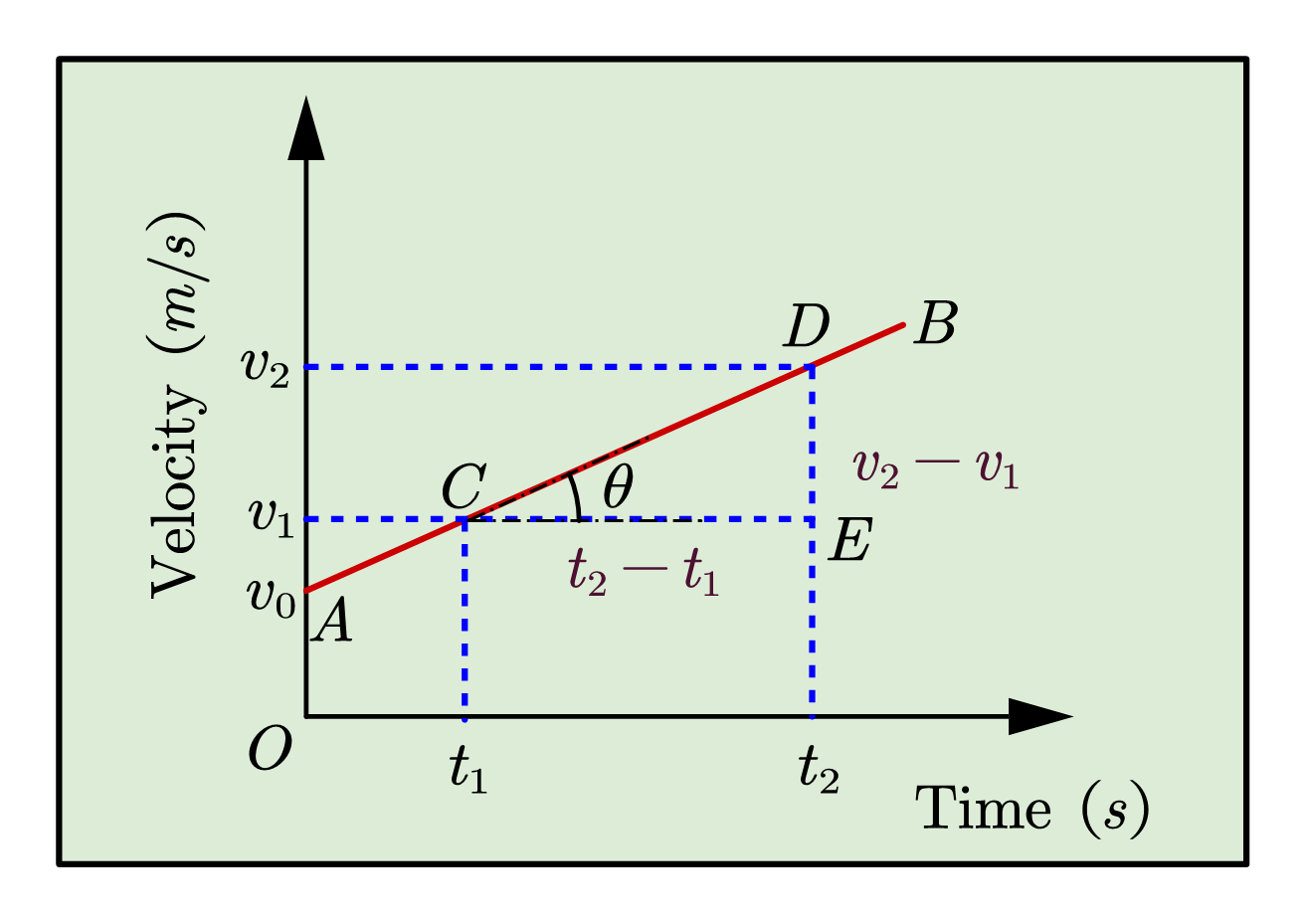
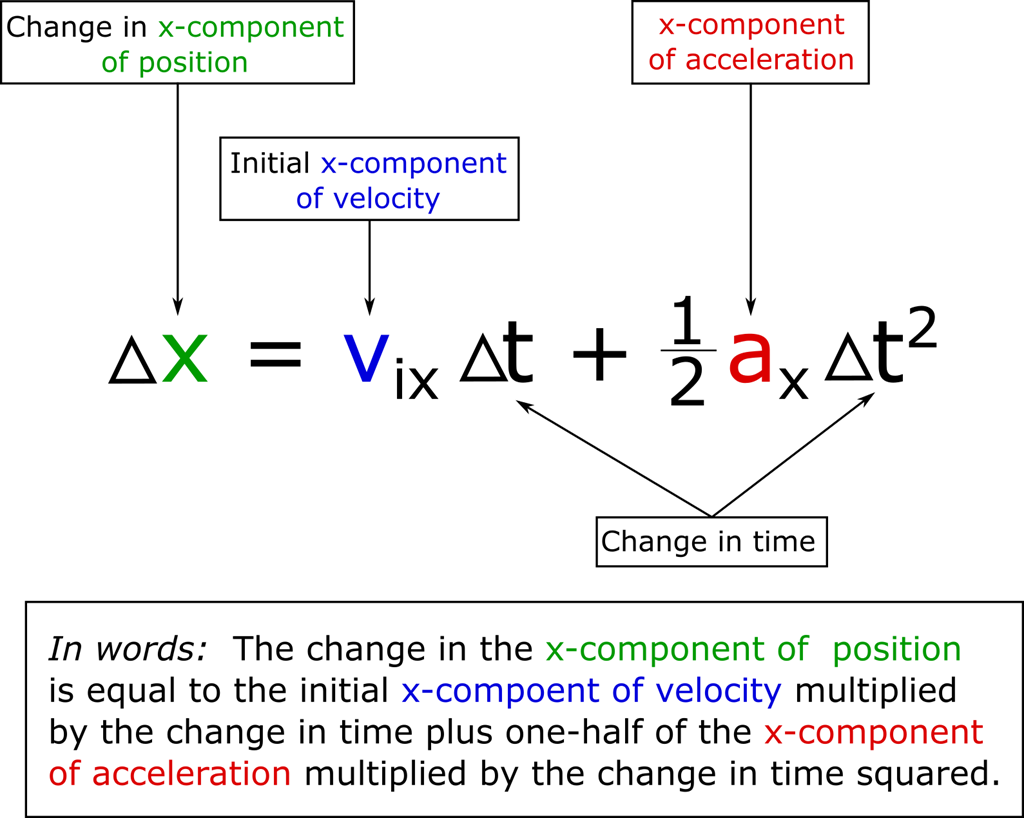
A 1.5-second acceleration typically refers to a vehicle or object moving from a standing start to 60 miles per hour (0–60 mph) or 100 km/h in exactly 1.5 seconds. This performance tier represents the absolute bleeding edge of automotive engineering, primarily reserved for professional dragsters, specialized electric prototypes, and top-tier electric vehicles (EVs) utilizing advanced traction control, extreme power-to-weight ratios, and high-friction surfaces.
The Physics of Extreme Acceleration
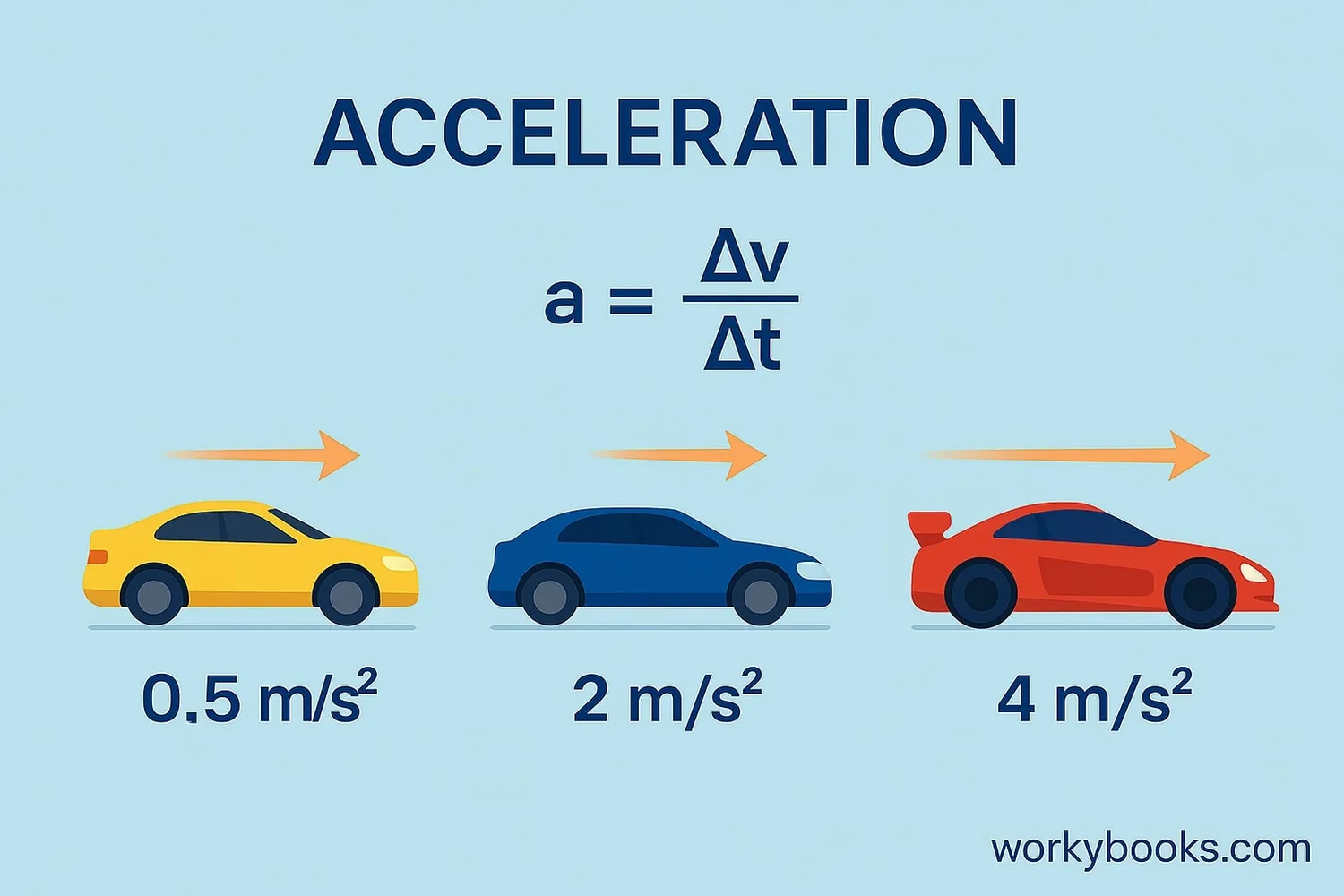
To understand what a 1.5-second acceleration entails, one must examine the fundamental relationship between force, mass, and time. Accelerating to 60 mph (26.82 meters per second) in 1.5 seconds requires a constant acceleration of approximately 17.88 meters per second squared (m/s²). This equates to roughly 1.82g, meaning the driver experiences a force nearly twice their body weight pressing them into the seat.
In classical mechanics, the force ($F$) required is calculated as $F = ma$. For a standard road car weighing 2,000 kilograms, this demands a constant force of 35,760 Newtons at the wheels. However, this calculation assumes constant acceleration. In practice, aerodynamic drag and rolling resistance increase as speed rises, necessitating significantly higher power output at the top end of the acceleration curve to maintain that 1.5-second pace.
Requirements for 1.5-Second Performance
Achieving this level of acceleration is not merely a matter of horsepower. It requires a synergy of four specific technological pillars:
1. Traction and Tire Technology
The primary constraint in rapid acceleration is the coefficient of friction between the tires and the track. Even with infinite horsepower, a vehicle cannot accelerate faster than its tires can grip the surface. Standard street tires cannot handle the torque required for a 1.5-second sprint; professional drag racing slicks, which are heated and adhesive, are mandatory. Without a track-prepped surface (VHT or “glue”), the tires would simply spin in place, resulting in “wheel hop” or a total loss of forward momentum.
2. Powertrain Delivery
Internal combustion engines (ICE) struggle with 1.5-second acceleration due to the time required to build boost in turbochargers and the necessity of managing gear ratios. EVs are better suited for this, as they provide instantaneous torque at 0 RPM. An electric motor does not need to “rev up” to reach peak power, allowing for a more linear and aggressive power delivery curve.
3. Power-to-Weight Ratio
Mass is the enemy of acceleration. In the quest for a 1.5-second 0–60 time, engineers prioritize weight reduction through carbon fiber chassis construction, minimalist interiors, and high-density battery architectures. Every kilogram saved directly correlates to a reduction in the force required to reach the target speed.
4. Launch Control Systems
Human reaction time and throttle modulation are insufficient for this level of performance. Modern vehicles capable of this speed utilize complex launch control algorithms. These systems manage the torque output to each wheel thousands of times per second, detecting microscopic slips before they result in a loss of traction.
Comparison of Acceleration Benchmarks
The following table contextualizes 1.5-second acceleration against other performance tiers.
| Acceleration Category | 0–60 mph Time | Common Application | Primary Constraint |
|---|---|---|---|
| Hypercar Standard | 2.0–2.5 Seconds | High-end production EVs | Tire compound limits |
| Performance Sport | 3.0–4.0 Seconds | Luxury sports cars | Aerodynamic drag |
| 1.5-Second Threshold | 1.5 Seconds | Pro dragsters / Prototypes | Friction/G-Force limits |
| Standard Commuter | 7.0–9.0 Seconds | Economy sedans | Engine efficiency |
Practical Challenges and Safety Considerations
For the average consumer or automotive enthusiast, a 1.5-second acceleration is physically jarring and potentially dangerous. At 1.82g, the human neck and chest are subjected to significant stress. Professional drivers utilize multi-point racing harnesses and HANS (Head and Neck Support) devices to prevent injury. Furthermore, the deceleration forces required to come to a stop from such speeds are equally extreme, necessitating carbon-ceramic braking systems that are often ineffective until they reach specific operating temperatures.
Furthermore, most public road surfaces are not engineered for this level of stress. Launching a vehicle at these forces on an uneven or dusty asphalt road can cause immediate mechanical failure of the drivetrain components, specifically the half-shafts, differentials, and transmission mounting points.
The Role of Electric Vehicles (EVs)
As of 2026, the industry has seen a convergence of high-capacity battery cells and silicon carbide power electronics, which enable the rapid discharge rates necessary for such bursts of speed. Unlike traditional engines that rely on complex reciprocating masses, EV motors provide seamless torque. The limiting factor for EVs reaching the 1.5-second milestone is the thermal management of the battery pack. Discharging the massive current required to hit 60 mph in 1.5 seconds creates intense heat; therefore, the cooling system must be able to dissipate thousands of watts of thermal energy almost instantly.
Common Myths and Misconceptions
There is a frequent misconception that simply increasing horsepower will eventually allow any car to achieve a 1.5-second 0–60 time. This is false due to the “traction limit.” If a car has 2,000 horsepower but the tires only provide enough grip for 0.5g of acceleration, the extra power will only result in tire smoke. The 1.5-second barrier is a test of physics and traction science rather than a simple “more power” upgrade.
Additionally, many assume that “1.5 seconds” is a standard benchmark for all high-performance cars. In reality, this is an outlier metric. Most major manufacturers prioritize 0–60 times in the 2.0 to 2.5-second range for their top-tier models, as these are repeatable and sustainable, whereas a 1.5-second launch often requires a perfectly prepared track surface, a specific battery state-of-charge, and ideal ambient temperatures.
Troubleshooting and Verification
If you are attempting to measure acceleration, you must use high-frequency GPS telemetry or light-beam traps. Standard “phone app” trackers are often inaccurate due to low refresh rates (usually 1Hz). To verify a 1.5-second run:
- Instrumentation: Use a VBOX or professional-grade 100Hz GPS logger.
- Surface: Perform the test on a prepped drag strip, not public roads.
- Environment: Ensure ambient temperatures are within the optimal window for battery and tire performance (typically 65–80°F).
- Data Analysis: Verify the “rollout.” In drag racing, the clock often starts after the vehicle has rolled forward a few inches. A “true” 1.5-second acceleration from a dead stop (0-inch rollout) is significantly more difficult than a 1.5-second run with a 1-foot rollout.
Frequently Asked Questions
Why is the 1.5-second acceleration mark rarely achieved on public roads? The 1.5-second mark requires a surface with high adhesive properties, such as a treated drag strip. Standard road asphalt has unpredictable grip levels, debris, and structural limitations that make high-torque launches hazardous to both the driver and the vehicle.
Does a 1.5-second 0–60 time damage a vehicle? Yes, repeated launches at this intensity place extreme stress on the transmission, driveshafts, and suspension bushings. Most manufacturers include “launch counters” in the vehicle software; excessive use can even void powertrain warranties.
Is it possible to achieve 1.5 seconds with an internal combustion engine? It is theoretically possible with custom-built Top Fuel dragsters, but these vehicles are not street-legal and require extensive maintenance after every single run, including engine teardowns.
How does battery temperature affect 1.5-second performance? Lithium-ion batteries have an optimal operating window. If the battery is too cold, the internal resistance is too high; if it is too hot, the Battery Management System (BMS) will throttle power to prevent cell degradation. Achieving a 1.5-second time requires precise pre-conditioning of the battery pack.
What is the role of “rollout” in these measurements? Rollout is the distance a vehicle moves before the timing lights actually start. A 1.5-second time with a 1-foot rollout is physically easier to achieve than a 1.5-second time from a true standing start. Always specify the measurement criteria when comparing performance data.
Recommendation for Further Action
For those interested in exploring high-performance driving, the most effective next step is to participate in an accredited performance driving school or a local drag racing event that offers “test and tune” sessions. Engaging with professional instructors will help you understand the dynamics of vehicle control and the safety protocols required for high-speed maneuvers. Always consult your vehicle manufacturer’s owner manual regarding the proper use of launch control and the implications for your vehicle's warranty and maintenance schedule.