Antagonist drugs are pharmacological agents that bind to specific cell receptors but do not activate them, effectively blocking or dampening the biological response usually triggered by agonists. By preventing endogenous substances or exogenous drugs from binding to these receptors, antagonists play a critical role in treating conditions ranging from cardiovascular disease and hypertension to opioid overdose and psychiatric disorders.
The Pharmacological Basis of Receptor Antagonism
To understand how antagonist drugs function, one must first grasp the concept of the receptor-ligand interaction. In human physiology, cells possess receptors on their surfaces or within their cytoplasm designed to receive chemical signals—such as neurotransmitters, hormones, or cytokines. An agonist is a substance that binds to these receptors and induces a biological response, essentially "turning on" the receptor.
An antagonist, by contrast, acts as a molecular "blocker." When an antagonist binds to a receptor, it occupies the site without triggering the downstream cellular process. Because the receptor is physically blocked, the endogenous agonist—the molecule naturally produced by the body—cannot attach to the receptor, thereby inhibiting its intended effect.
Pharmacologists categorize antagonists primarily by their binding characteristics:
- Competitive Antagonists: These molecules compete directly with agonists for the same binding site on the receptor. If the concentration of the agonist is increased significantly, it may overcome the effect of the antagonist.
- Non-competitive (Allosteric) Antagonists: These bind to a different site on the receptor (the allosteric site), causing a conformational change that prevents the agonist from binding or activating the receptor, regardless of how much agonist is present.
- Irreversible Antagonists: These form strong, covalent bonds with the receptor, permanently disabling it until the cell synthesizes new receptors.
Clinical Categories and Examples of Antagonist Drugs
Antagonist drugs are classified based on the specific receptor systems they target. Their clinical utility is vast, often serving as the standard of care for chronic disease management and acute emergency interventions.
1. Beta-Adrenergic Antagonists (Beta-Blockers)
Beta-blockers are a staple in cardiology. They target beta-adrenergic receptors, which are normally activated by adrenaline and noradrenaline. By blocking these receptors, they reduce heart rate, lower blood pressure, and decrease the force of cardiac contraction.
- Common Examples: Metoprolol, Atenolol, and Propranolol.
- Therapeutic Use: Hypertension, stable angina pectoris, and post-myocardial infarction recovery.
2. Opioid Antagonists
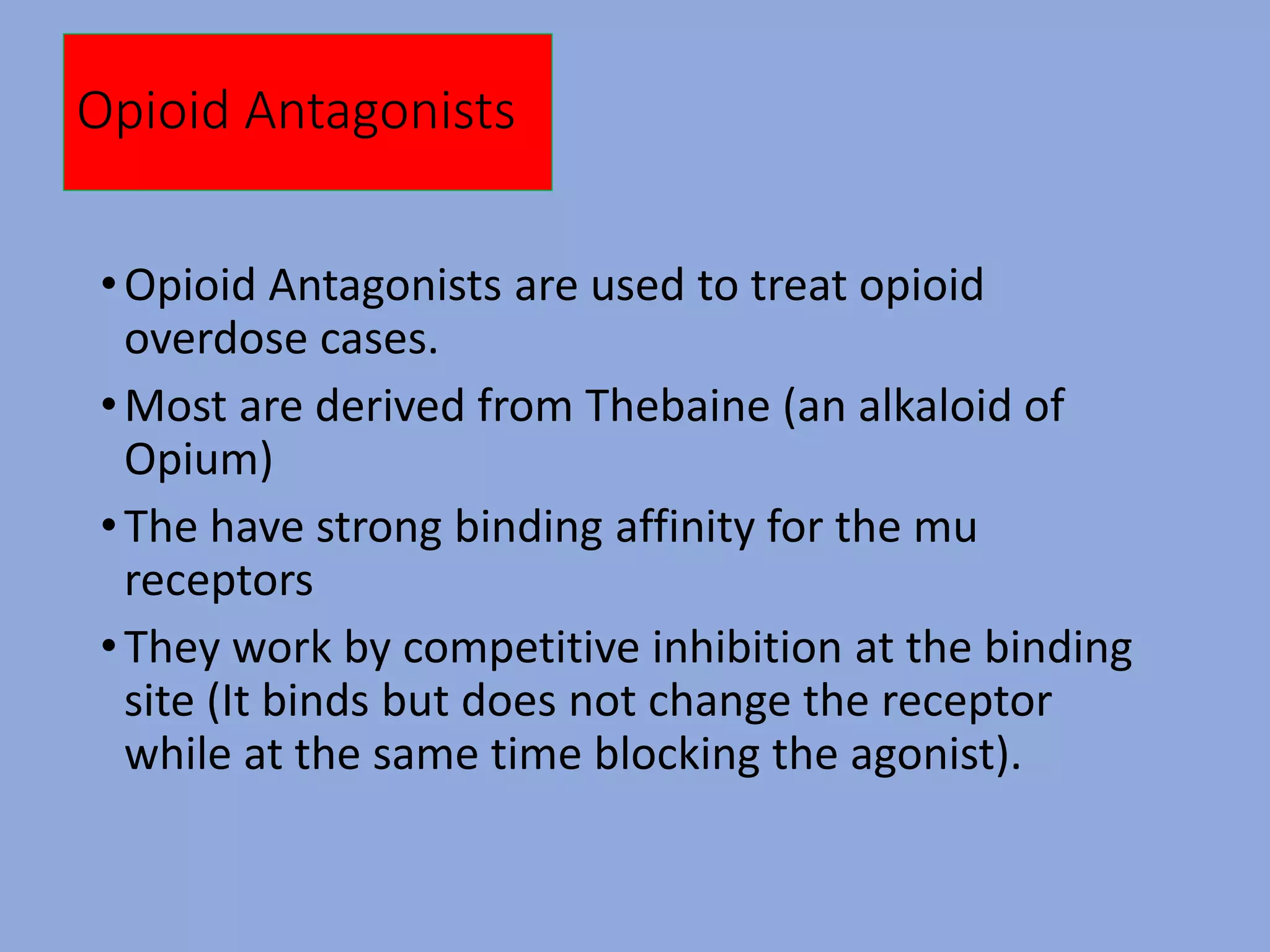
These agents are life-saving medications used to reverse the effects of opioid overdose. They bind to mu-opioid receptors with higher affinity than opioid agonists (such as heroin, fentanyl, or morphine), effectively displacing the drug from the receptor and reversing respiratory depression.
- Common Example: Naloxone.
- Therapeutic Use: Emergency treatment of known or suspected opioid-induced respiratory depression.
3. Angiotensin II Receptor Blockers (ARBs)
ARBs are used to manage hypertension and protect kidney function in diabetic patients. They block the binding of Angiotensin II to its receptor, preventing the potent vasoconstriction that typically raises blood pressure.
- Common Examples: Losartan, Valsartan, and Irbesartan.
- Therapeutic Use: Hypertension, chronic heart failure, and chronic kidney disease.
4. Histamine Receptor Antagonists
Commonly known as antihistamines, these drugs block histamine receptors. Because histamine is a primary mediator of allergic responses, blocking these receptors prevents symptoms like itching, sneezing, and swelling.
- Common Examples: Diphenhydramine (H1-receptor antagonist) and Famotidine (H2-receptor antagonist, used to reduce stomach acid).
- Therapeutic Use: Allergic rhinitis, hives, and gastroesophageal reflux disease (GERD).
Comparison Table: Common Antagonist Drug Classes
| Drug Class | Target Receptor | Primary Therapeutic Effect | Typical Application |
|---|---|---|---|
| Beta-Blockers | Beta-Adrenergic | Reduced heart rate/BP | Hypertension, Arrhythmia |
| Opioid Antagonists | Mu-Opioid | Reverses respiratory depression | Overdose emergencies |
| ARBs | Angiotensin II | Vasodilation | Hypertension, Heart Failure |
| H1-Antihistamines | Histamine H1 | Reduced allergic reaction | Allergies, Insomnia |
| H2-Antagonists | Histamine H2 | Reduced gastric acid | Peptic ulcers, GERD |
Therapeutic Considerations and Safety
While antagonist drugs are highly effective, they require clinical oversight due to the risk of side effects and drug interactions. Because they manipulate fundamental physiological pathways, inhibiting a receptor system can lead to systemic changes that may not be desired in every patient.
Prerequisites for Use
Before initiating treatment with an antagonist, clinicians typically assess:
- Baseline physiological markers: For example, heart rate and blood pressure must be monitored before and during beta-blocker therapy.
- Concurrent medications: Many antagonists interact with other drugs that utilize the same metabolic pathways (often the Cytochrome P450 liver enzyme system).
- Underlying comorbidities: For example, beta-blockers must be used with extreme caution in patients with asthma or severe COPD, as they can cause bronchoconstriction.
Potential Limitations
- Tolerance and Sensitivity: In some cases, prolonged use of an antagonist can lead to "upregulation," where the body produces more receptors to compensate for the blocked ones. If the drug is stopped abruptly, this can lead to "rebound" effects—for instance, sudden hypertension following the rapid withdrawal of certain antihypertensives.
- Therapeutic Index: Some antagonists, particularly those used in emergency settings, have a narrow therapeutic window. Dosage calculation must be precise to avoid rendering the drug ineffective (under-dosing) or causing paradoxical effects (over-dosing).
Frequently Asked Questions
Are antagonist drugs the same as inverse agonists? No. An antagonist simply occupies the receptor and prevents activation by an agonist, maintaining the receptor in its baseline state. An inverse agonist, however, binds to the receptor and induces a biological response opposite to that of an agonist, effectively decreasing the basal activity of the receptor below its natural level.
What happens if a patient takes an antagonist drug for too long? Long-term use can lead to receptor upregulation. Because the body perceives a lack of signaling, it creates more receptors. If the drug is discontinued suddenly, the surge in receptors can make the system hyper-sensitive to endogenous signals, necessitating a gradual "tapering" process supervised by a healthcare professional.
Can antagonists be used to treat psychological conditions? Yes. Certain antipsychotic medications function as dopamine receptor antagonists. By blocking excessive dopamine activity in specific pathways of the brain, these drugs can help stabilize mood and reduce psychotic symptoms in conditions such as schizophrenia.
Why does Naloxone require medical training to administer? While naloxone is increasingly available to the public via nasal spray, proper administration requires identifying the signs of opioid overdose. Furthermore, it is a short-acting drug; the underlying opioid may still be in the patient's system once the naloxone wears off, necessitating professional medical follow-up to prevent a relapse of respiratory failure.
Are there natural antagonists in the human body? Yes, the human body uses endogenous antagonists as a regulatory mechanism. For example, various peptides and proteins act to modulate receptor activity and ensure that physiological responses—such as hormone release or inflammatory responses—are kept within a narrow, homeostatic range.
Next Steps and Professional Guidance
If you are currently prescribed an antagonist medication, it is essential to follow the dosage schedule provided by your physician. Do not stop or alter your dosage without medical consultation, as the physical dependency or rebound effects mentioned previously can pose significant health risks.
If you suspect an individual is experiencing an adverse reaction to a medication or is in the midst of an emergency, such as an opioid overdose or a severe allergic reaction, contact emergency services immediately. For general medication management, maintain an updated list of your current drugs, including over-the-counter supplements, to help your pharmacist and doctor identify potential receptor-site conflicts.