BioWare’s Anthem is widely regarded as a significant failure in digital gaming due to a disorganized seven-year development cycle, technical limitations of the Frostbite engine, and a fundamental lack of compelling endgame content. Despite its impressive flight mechanics, the game failed to sustain its player base, leading to the 2021 cancellation of its "Anthem NEXT" overhaul and the eventual cessation of all active development.
The Rise and Fall of Anthem: A Historical Context
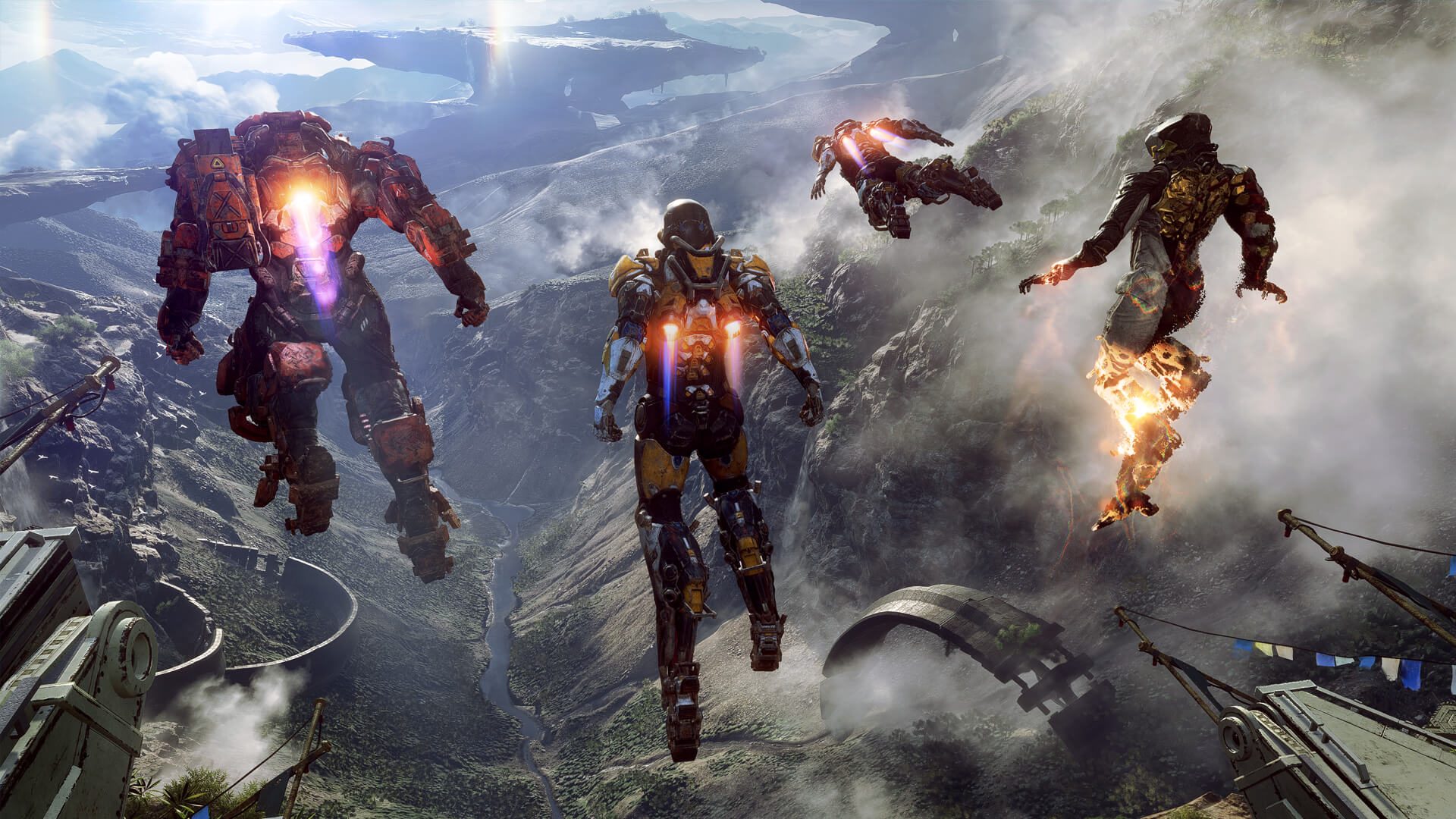
When Anthem was first revealed at E3 2017, it was positioned as the "Destiny killer"—a high-fidelity, open-world looter shooter that combined the narrative pedigree of BioWare with the technical muscle of Electronic Arts (EA). The trailer showcased lush jungles, towering "Javelins" (exosuits), and seamless transitions between flight and combat. The hype was immense, fueled by BioWare’s reputation for masterclass storytelling in franchises like Mass Effect and Dragon Age.
However, when the game finally launched in February 2019, the reality was starkly different. Players encountered a hollow experience plagued by technical bugs, repetitive missions, and a loot system that felt unrewarding. While the core mechanic of flying through the world was universally praised, it could not support the weight of a game designed to be played for hundreds of hours. By the time 2021 arrived, EA officially announced that the planned "Anthem NEXT" (or Anthem 2.0) reboot was cancelled, effectively leaving the game in a "maintenance mode" state where it remains as of 2026.
The Myth of "BioWare Magic" and Development Hell
The primary reason Anthem is labeled a flop stems from its chaotic development history. Reports following the launch revealed that the game spent nearly seven years in various stages of pre-production. For much of that time, the team lacked a clear vision of what the game actually was. Was it a survival game? A narrative RPG? A tactical shooter?
This lack of direction was exacerbated by a cultural reliance on what internal staff called "BioWare Magic." This was the belief that no matter how troubled a project’s development was, everything would magically click into place in the final months of production. While this had worked for Dragon Age: Origins and the Mass Effect trilogy, the sheer scale of a live-service multiplayer game proved too complex for such a haphazard approach.
By the time the E3 2017 demo was shown, much of what was depicted was "faked" or aspirational rather than functional code. This created a massive disconnect between marketing promises and the final product, leading to a loss of consumer trust that the studio has spent years trying to rebuild.
Technical Hurdles: The Frostbite Engine Curse
A recurring theme in the failure of Anthem was the mandatory use of EA’s proprietary Frostbite engine. Originally designed by DICE for the Battlefield series, Frostbite was optimized for first-person shooters, large-scale destruction, and high-fidelity environments. It was not, however, built to handle the complex inventory systems, third-person camera angles, or sprawling RPG mechanics required for a BioWare title.
Documentation and Tooling Issues
BioWare developers struggled with the engine because it lacked comprehensive documentation for the features they needed. Tasks that should have been simple, such as creating a quest-giver NPC or managing a player’s loot stash, required engineers to build tools from scratch. This diverted resources away from content creation and polish.
Loading Times and Performance
At launch, Anthem was notorious for its excessive loading screens. Players would encounter a loading bar just to enter their inventory, another to start a mission, and often another if they fell too far behind their teammates during gameplay. In an era where "seamless" worlds were becoming the standard, Anthem felt technologically regressive, further cementing its status as a "digital gaming flop."
Design Flaws: A Masterclass in Mismanaged Live Services
The "looter shooter" genre relies on a delicate balance: the gameplay must be fun, but the rewards (loot) must be frequent and meaningful enough to keep players coming back. Anthem failed on both counts within its endgame structure.
The Identity Crisis
Anthem suffered from an identity crisis. BioWare fans wanted a deep, choice-driven narrative, while looter-shooter fans wanted a tight, rewarding grind. By trying to satisfy both, Anthem satisfied neither. The story felt disconnected from the multiplayer missions, and the world of Tarsis—the game's central hub—felt static and lonely compared to the vibrant hubs found in competitors like Destiny 2.
Loot and Progression Failures
The loot system was arguably the game's greatest mechanical failure. In the weeks following launch, players discovered that basic "Level 1" weapons were often more effective than "Masterwork" or "Legendary" gear due to broken scaling mathematics. Furthermore, the "inscriptions" (random stat bonuses) on high-level gear were often useless, such as a physical damage bonus on a lightning-based weapon. Without a satisfying reason to "grind," the player base evaporated within months.
Comparing Anthem to Industry Peers
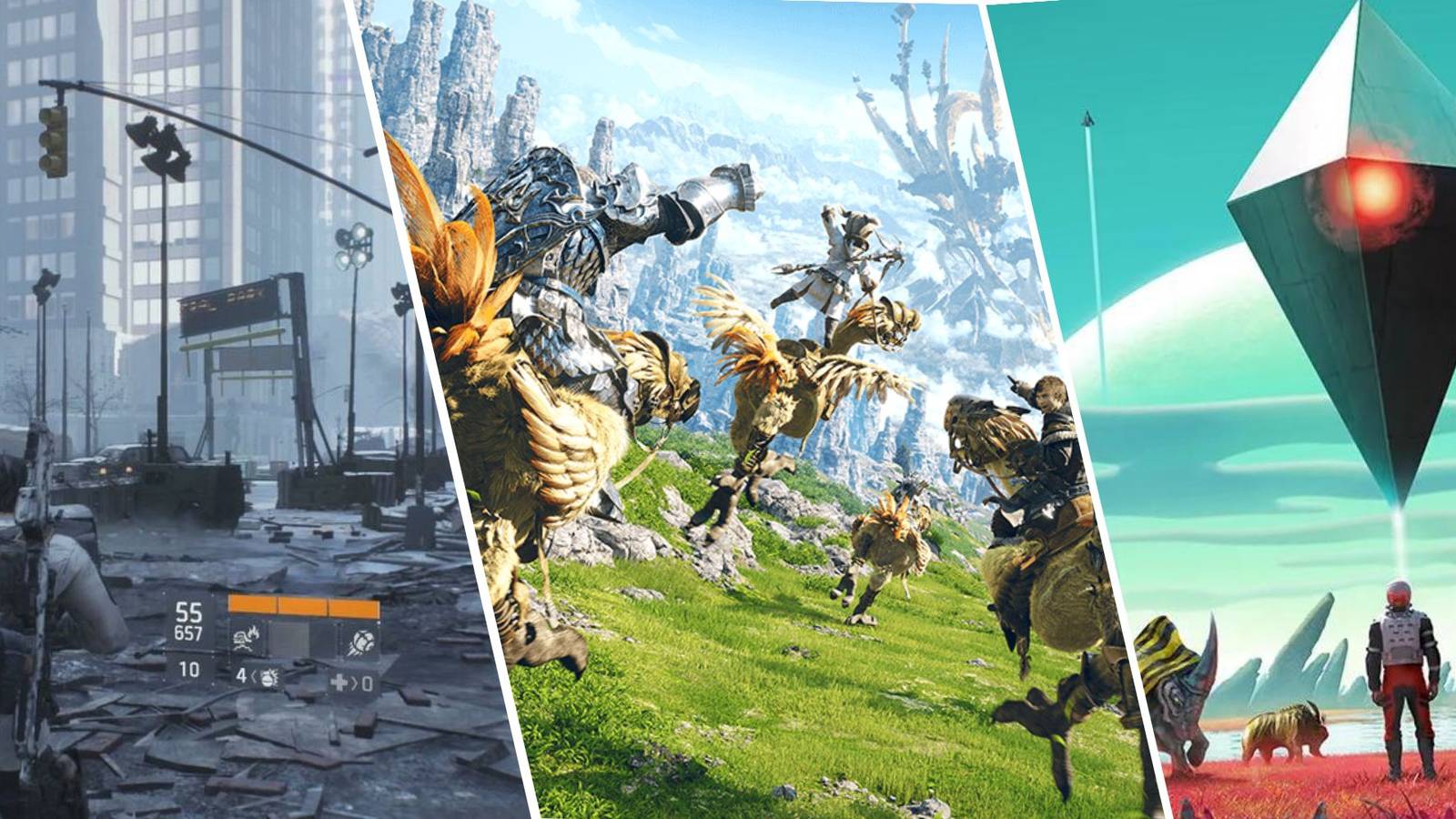
To understand why Anthem is specifically categorized as a flop, it is helpful to compare it to other titles in the live-service space. While games like No Man’s Sky or Final Fantasy XIV had disastrous launches, they were saved by years of dedicated updates. Anthem is unique because its attempt at redemption was publicly abandoned.
| Feature | Anthem | Destiny 2 | Warframe | The Division 2 |
|---|---|---|---|---|
| Launch Status | Poor (Technical bugs) | Good (Polish) | Poor (Beta) | Good (Stability) |
| Endgame Depth | Minimal | High | Extremely High | Moderate to High |
| Developer Pivot | Abandoned in 2021 | Constant Evolution | Constant Evolution | Sustained Support |
| Primary Mechanic | Flight/Exosuits | Gunplay/Space Magic | Parkour/Space Ninjas | Tactical Cover |
| Current State (2026) | Maintenance Mode | Active Content | Active Content | Active Content |
The Cancellation of Anthem NEXT
In 2020, BioWare Austin took over the development of what was internally known as "Anthem 2.0." The goal was to redesign the skill trees, loot systems, and the world map to create a sustainable loop. For over a year, the team shared concept art and blog posts, giving the remaining community hope that the game could see a "No Man’s Sky" style redemption.
In February 2021, EA leadership officially cancelled the project. The decision was driven by the reality that the overhaul would require a massive increase in staff—resources that EA preferred to allocate to the next Dragon Age and Mass Effect titles. This cancellation was the final nail in the coffin, transforming Anthem from a "troubled launch" into a permanent "digital flop."
Legacy and Lessons: How Anthem Reshaped BioWare’s Future
The failure of Anthem had profound impacts on the gaming industry and BioWare’s internal strategy. It served as a cautionary tale against "forced" live-service elements in games where they don't fit.
- Shift Back to Single Player: Following Anthem's failure and the success of Star Wars Jedi: Fallen Order, EA reportedly shifted its strategy, allowing BioWare to focus on purely single-player experiences for the new Dragon Age.
- Transparency in Development: The industry saw a shift toward more transparent "early access" or "open beta" periods to gauge player feedback before a full commercial release.
- Engine Autonomy: Studios began pushing back against mandatory engine usage, leading to more flexibility in choosing the right tools for the specific genre being developed.
In 2026, Anthem serves as a digital monument to the dangers of "crunch" culture, lack of clear creative leadership, and the assumption that a famous studio name is enough to guarantee success in the competitive live-service market.
Frequently Asked Questions
Can you still play Anthem in 2026?
Yes, as of 2026, the Anthem servers remain online in a "maintenance mode" state. You can play through the main campaign and engage in the limited endgame activities that were present at the time of the 2021 update cessation. However, there are no new seasonal events, and the player population is extremely low, making matchmaking for four-player activities difficult.
Was Anthem ever made free-to-play?
No, EA never officially transitioned Anthem to a free-to-play model. Instead, it is frequently available at a deep discount—often under $5—and is included in the EA Play and Xbox Game Pass subscription services. The decision to keep it as a paid (or subscription-based) product likely relates to the cost of maintaining the servers without a robust microtransaction revenue stream.
Why was Anthem NEXT cancelled?
The cancellation of Anthem NEXT was a strategic business decision by Electronic Arts. Following a review of the progress made by the small team at BioWare Austin, EA determined that the amount of work required to make the game competitive with titles like Destiny 2 was too great. The company chose to move those developers to higher-priority projects, specifically the Dragon Age and Mass Effect franchises, which have more reliable market appeal for BioWare's core audience.
Does Anthem have a single-player mode?
Anthem can be played solo for most of the story campaign, but the game is "always online." You cannot play it without an internet connection, and certain mission structures are designed with four players in mind. While the game scales difficulty to some extent, the lack of AI teammates makes the solo experience feel significantly different and more challenging than the intended cooperative play.
What happened to the developers of Anthem?
The leadership team behind Anthem saw significant turnover following the game's launch. Many veteran BioWare staff left the company, while others were redistributed to various EA studios. BioWare as a whole has since restructured its development pipeline to avoid the "BioWare Magic" pitfalls, emphasizing clearer pre-production phases and more consistent project leadership for its subsequent titles.
Final Recommendation for Players
If you are interested in Anthem for its flight mechanics and high-end graphics, it is worth a "tourist" visit via a subscription service like EA Play. The first ten hours of the game provide a unique sense of verticality and power that few other games have matched. However, do not go into the experience expecting a long-term hobby or a deep RPG narrative. View it as a historical curiosity—a glimpse into one of the most expensive and high-profile failures in the history of the digital gaming industry.