An Antarctic rescue mission is a highly complex, multi-agency logistical operation initiated only when life-critical emergencies exceed the self-sufficiency of a research station or expedition party. These missions require international cooperation, extreme weather management, and specialized aviation or maritime assets to extract personnel from one of the most isolated and hostile environments on Earth.
The Scope of Antarctic Search and Rescue (SAR)
The concept of a "rescue mission" in Antarctica is rarely a singular event; it is an integrated response framework coordinated under the Antarctic Treaty System. Unlike domestic rescue operations where local emergency services are minutes away, an Antarctic rescue must account for thousands of miles of distance, temperatures that can drop below -80°C, and the total lack of infrastructure across vast ice sheets.
When a crisis occurs—whether it be a severe injury, a medical emergency, or a compromised research vessel—the responsibility falls upon the National Antarctic Program (NAP) operating in that sector. Under the Agreement on Cooperation in Antarctic Search and Rescue (2009), nations are obligated to provide assistance to anyone in distress, regardless of their nationality. This international cooperation is the bedrock of survival in the region.
Prerequisites for Activation
Before a rescue mission is launched, several critical hurdles must be cleared. The decision to initiate a mission is not taken lightly, as it puts both the casualties and the rescuers at significant risk.
- Verification of Medical or Safety Need: Station medical officers must transmit detailed health data to mainland specialists. If the condition cannot be stabilized or managed with onboard equipment (such as telemedicine support), a medical evacuation (medevac) is requested.
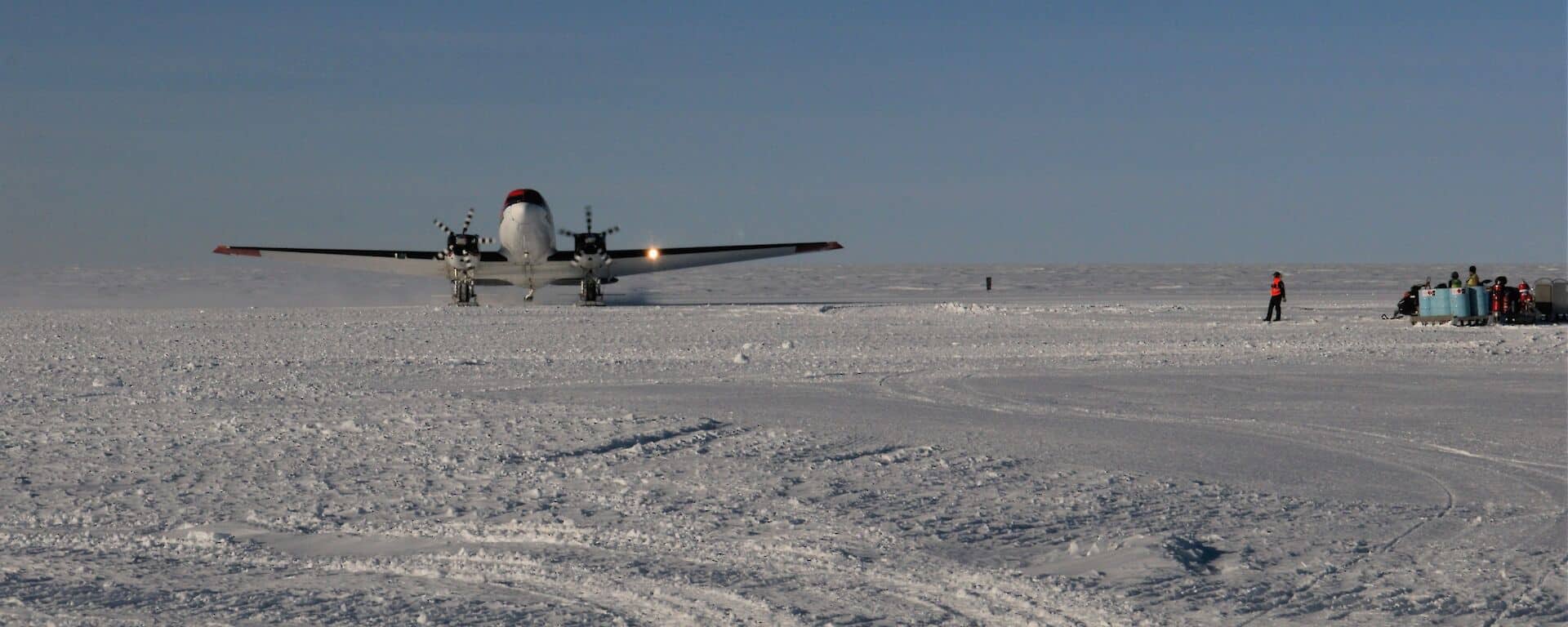
- Resource Assessment: The nearest available assets—often aircraft like the Basler BT-67, LC-130 Hercules, or specialized ice-strengthened vessels—must be surveyed for availability, fuel range, and maintenance status.
- Weather Window Analysis: Antarctic operations are dictated by the "weather window." Meteorologists analyze satellite imagery and ground-level weather stations to identify a safe flight path. High winds, "whiteout" conditions, or drifting snow can ground an operation for days or even weeks.
- Logistics and Permitting: Because Antarctica is governed by the Antarctic Treaty, any movement of assets must comply with environmental protocols, particularly regarding fuel spill prevention and waste management.
Technical Challenges of Antarctic Operations
The environment itself is the primary antagonist in any rescue mission. Engineers and mission commanders must navigate extreme technical constraints that do not exist elsewhere.
Aviation Constraints
Aviation is the most common method for rapid extraction. However, the lack of traditional runways means pilots often land on unprepared snow or blue-ice runways. Aircraft are frequently fitted with skis, but the friction coefficient of snow changes with temperature, affecting takeoff distance and load capacity. Fueling is another massive constraint; aircraft must carry enough fuel for the round trip, as fuel caches are sparse and often buried under meters of ice.
Maritime Considerations
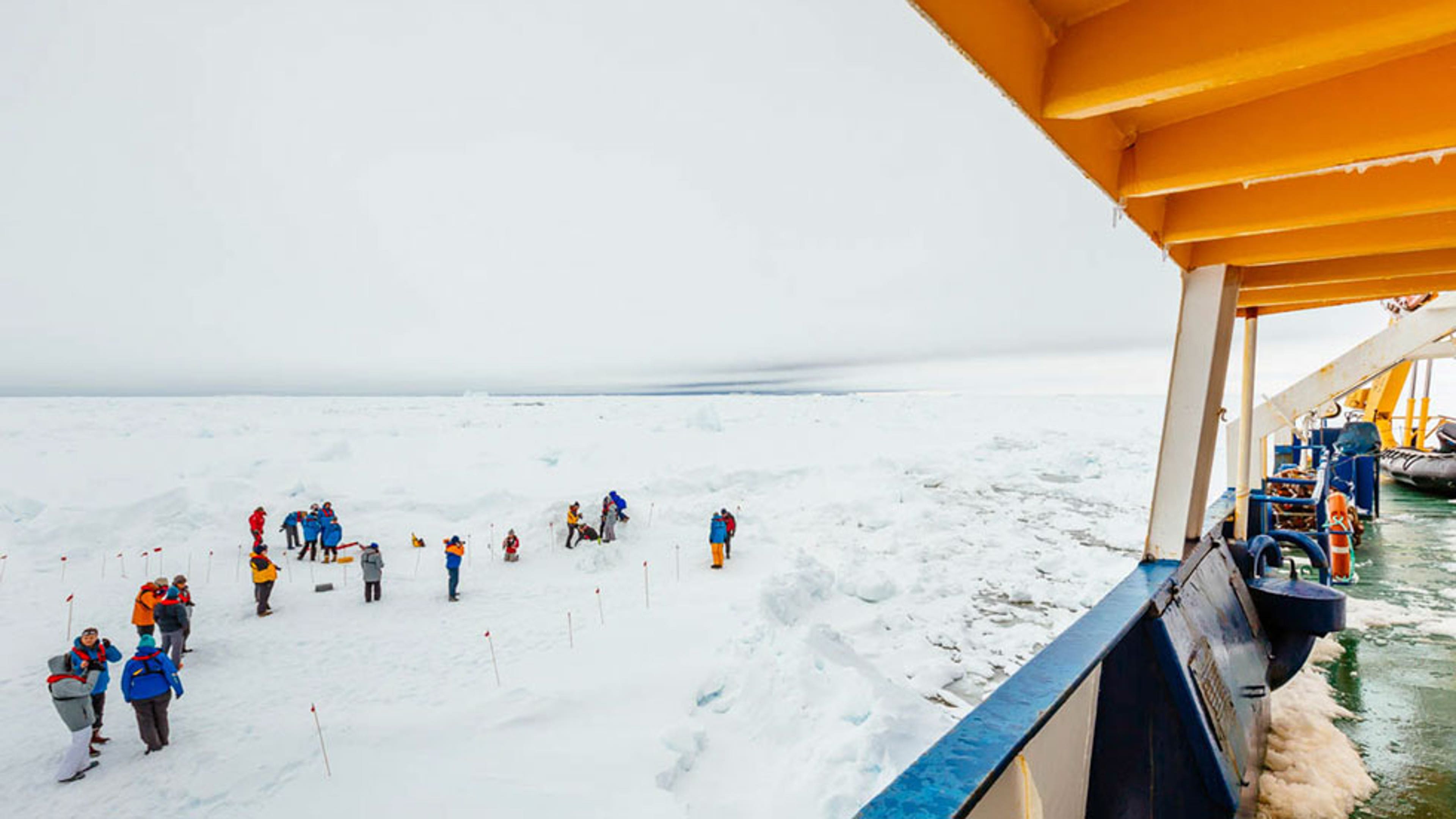
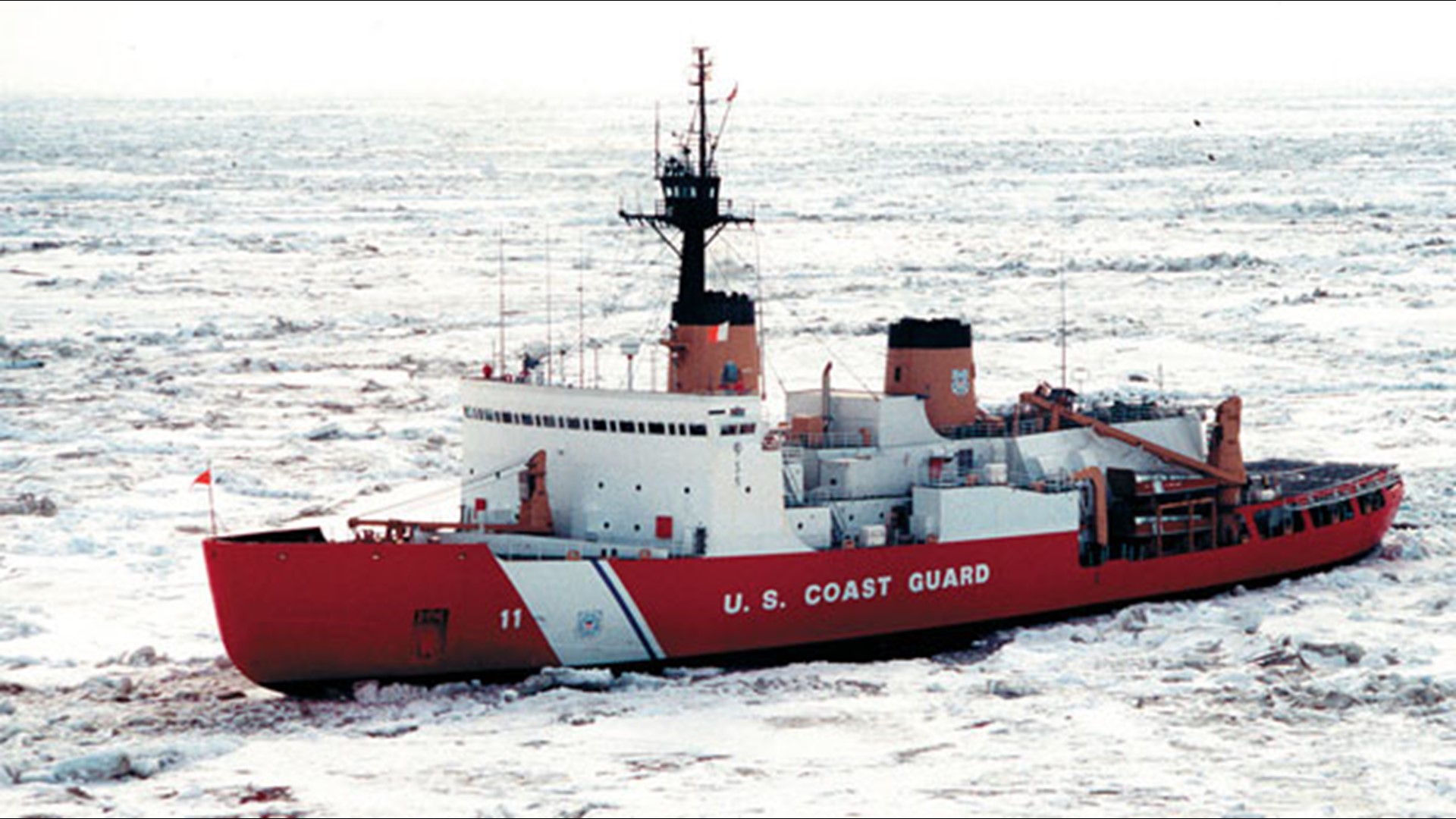
If an ice-strengthened vessel is required, the mission becomes a slow, deliberate process. Ships must navigate through "pack ice" or icebergs that can crush hulls or trap vessels. A rescue mission involving a ship often requires a support helicopter onboard to bridge the final gap between the ship’s reach and the patient's location.
Comparative Operational Profiles
Not all missions are identical. The following table illustrates the typical response mechanisms based on the nature of the emergency and the distance from support hubs.
| Asset Type | Primary Use | Operational Range | Limitations |
|---|---|---|---|
| Ski-Equipped Aircraft | Rapid medical extraction | 500–1,500 miles | Requires landing field, weather sensitive |
| Heavy-Lift Helicopters | Localized inland transit | 100–300 miles | Extremely limited fuel range, high wind risk |
| Ice-Strengthened Vessel | Large-scale evacuations | Unlimited (maritime) | Very slow, ice-dependent, high cost |
| Satellite/Telemedicine | Initial stabilization | Global (remote) | Limited by bandwidth and equipment |
Strategic Planning and Execution
When an Antarctic rescue mission is greenlit, the execution phase follows a rigid protocol to maximize the probability of success while minimizing further casualties.
Phase 1: Stabilization and Communication While the mission is being organized, the local station team maintains the patient's status. Satellite communication (often via Iridium or Starlink constellations) allows mainland doctors to provide real-time guidance. Constant status updates are relayed to the Operations Center to refine the extraction strategy.
Phase 2: Deployment The rescue team—usually a flight crew, a medical team, and a specialized survival expert—is deployed. They must arrive at the staging point with extra supplies, including specialized cold-weather medical gear, emergency rations, and redundant communication devices.
Phase 3: Extraction Upon arrival at the incident site, the "hot-loading" process begins. Engines are kept running to prevent them from freezing in the extreme cold. The transfer of the patient must be handled with extreme care to prevent cold-shock or further trauma, and the aircraft departs as soon as the patient is secured.
Phase 4: Debriefing and Environmental Remediation Post-mission, all activities are documented for the Scientific Committee on Antarctic Research (SCAR) and the relevant national authorities. Any waste generated during the rescue, including medical waste or damaged equipment, must be cataloged and removed from the continent according to the Madrid Protocol.
Managing Risks and Uncertainties
The most common mistake in Antarctic rescue planning is the underestimation of "the long delay." Even with modern planning, rescue crews are frequently trapped by sudden storms. Therefore, every mission is equipped with "survival caches" sufficient for the crew to live on the ice for an extended period if the weather turns.
Readers should note that there is no "guarantee" of rescue. Individual expeditions, particularly private ventures, are often required to carry comprehensive insurance that includes SAR services and medical evacuation coverage, as the cost of a single mission can reach millions of dollars.
Frequently Asked Questions
1. Who pays for an Antarctic rescue mission? The costs are typically covered by the sponsoring National Antarctic Program or the private expedition's insurance carrier. There is no centralized "Antarctic Rescue Service," so the burden of cost resides with the entity responsible for the expedition or station.
2. How long does a rescue mission usually take? There is no "usual" timeframe. If weather conditions are favorable, an extraction can happen within 24 to 48 hours. If a storm system persists, it is not uncommon for a rescue to be delayed for over a week.
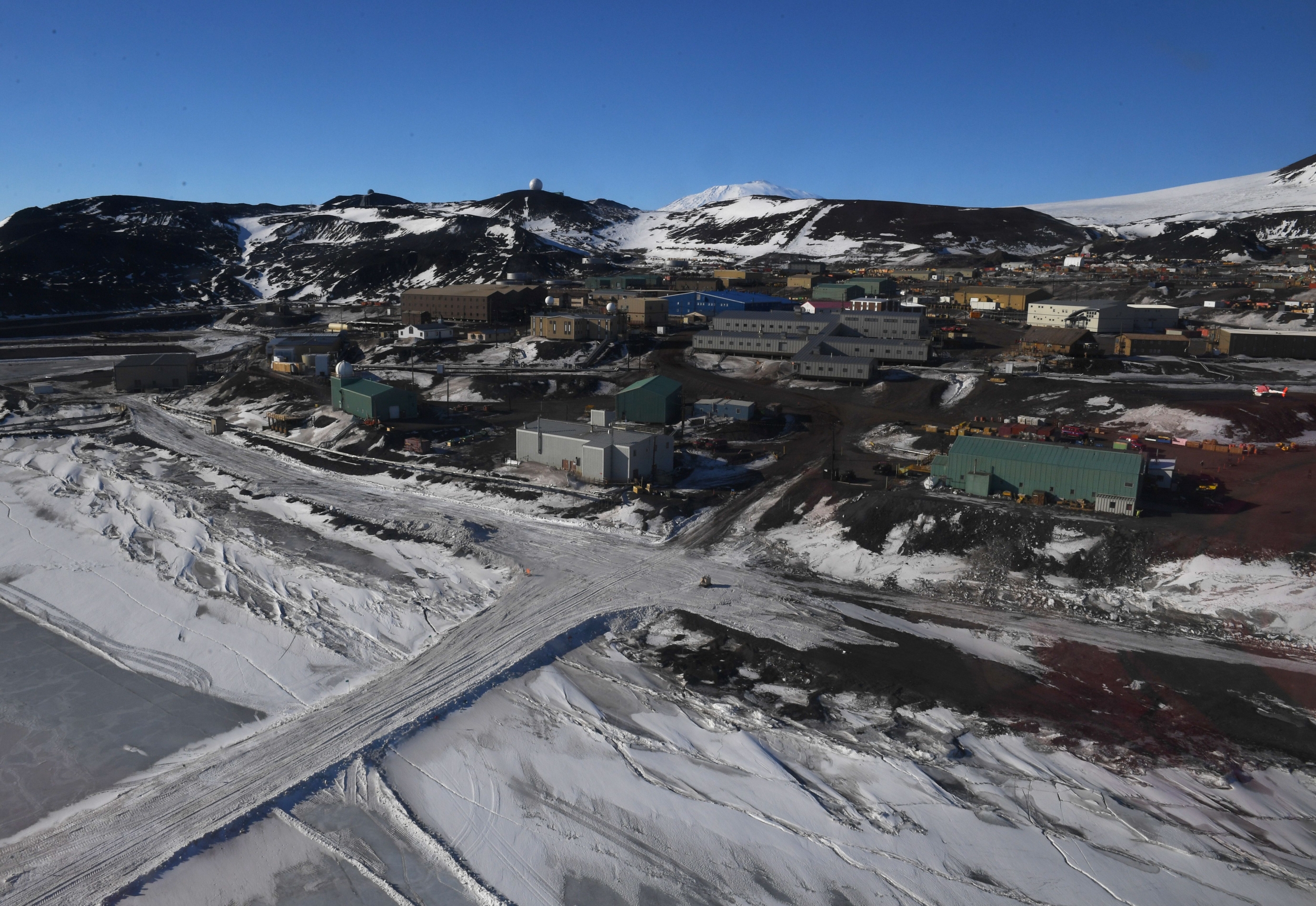
3. Are there medical facilities in Antarctica? Most permanent research stations have a clinic staffed by at least one doctor and a nurse. These clinics are equipped for minor surgeries and stabilization but lack the facilities of a full-scale hospital. They serve as the first point of care before a medevac.
4. What is the biggest danger during a rescue? The biggest danger is the weather. "Whiteout" conditions can disorient pilots and ground crews, while wind chill can lead to frostbite in minutes, even for experienced personnel in high-end gear.
5. Can tourists be rescued in Antarctica? Yes, but they are subject to the same logistical constraints as scientists. Most tour operators work within the International Association of Antarctica Tour Operators (IAATO) framework, which mandates strict safety and evacuation plans for every voyage.
Conclusion and Next Steps
If you are planning an expedition or working as part of an Antarctic project, your primary responsibility is preparedness. Ensure your medical evacuation insurance is active and that your organization has a defined SAR protocol integrated with regional partners. Review the latest safety guidelines provided by your National Antarctic Program to ensure your communication equipment and survival protocols are aligned with current requirements. In Antarctica, the difference between a successful rescue and a catastrophe is defined by the quality of your planning before you ever leave the safety of your home base.