A good credit card for bad credit is one that reports your payment history to all three major credit bureaus—Equifax, Experian, and TransUnion—while maintaining a low fee structure. In 2026, the best options are typically secured cards that offer a path to "graduate" to an unsecured account or fintech-driven "credit builder" cards that do not require a traditional credit check.
Navigating the financial landscape with a subprime credit score (typically defined as a FICO score below 580) requires a shift in perspective. Instead of looking for high-limit rewards cards, your primary objective is to find a tool that demonstrates your reliability to lenders. Because the Federal Reserve's interest rate cycles have stabilized by 2026, the cost of subprime borrowing remains significant, making it more important than ever to choose a card that facilitates score improvement without predatory fees.
Understanding the Two Main Categories: Secured vs. Unsecured
When your credit history is marred by late payments, collections, or bankruptcy, lenders view you as a high-risk borrower. To mitigate this risk, they offer two primary types of cards.
Secured Credit Cards
Secured cards are the gold standard for rebuilding credit. They require a refundable security deposit, which usually acts as your credit limit. For example, if you deposit $200, you receive a $200 limit. This deposit protects the lender if you fail to pay.
- The Advantage: These cards are much easier to get approved for and often have lower interest rates and fees than unsecured "subprime" cards.
- The Graduation Path: Many leading issuers now automatically review secured accounts after six to twelve months of on-time payments to see if the card can be converted to an unsecured version, returning the deposit to the cardholder.
Unsecured Credit Cards for Bad Credit
These cards do not require a deposit but often come with high annual fees, monthly maintenance fees, and sky-high APRs. While they provide immediate access to credit without an upfront cash outlay, they can become an expensive trap if not managed carefully. In the 2026 market, many "fee-harvesting" cards have been under increased scrutiny by the Consumer Financial Protection Bureau (CFPB), yet they still exist. Always read the fine print to ensure the "startup fees" don't eat up half of your initial credit limit.
Top-Rated Credit Cards for Bad Credit in 2026
The following cards have remained industry leaders due to their transparency, reporting practices, and consumer-friendly features.
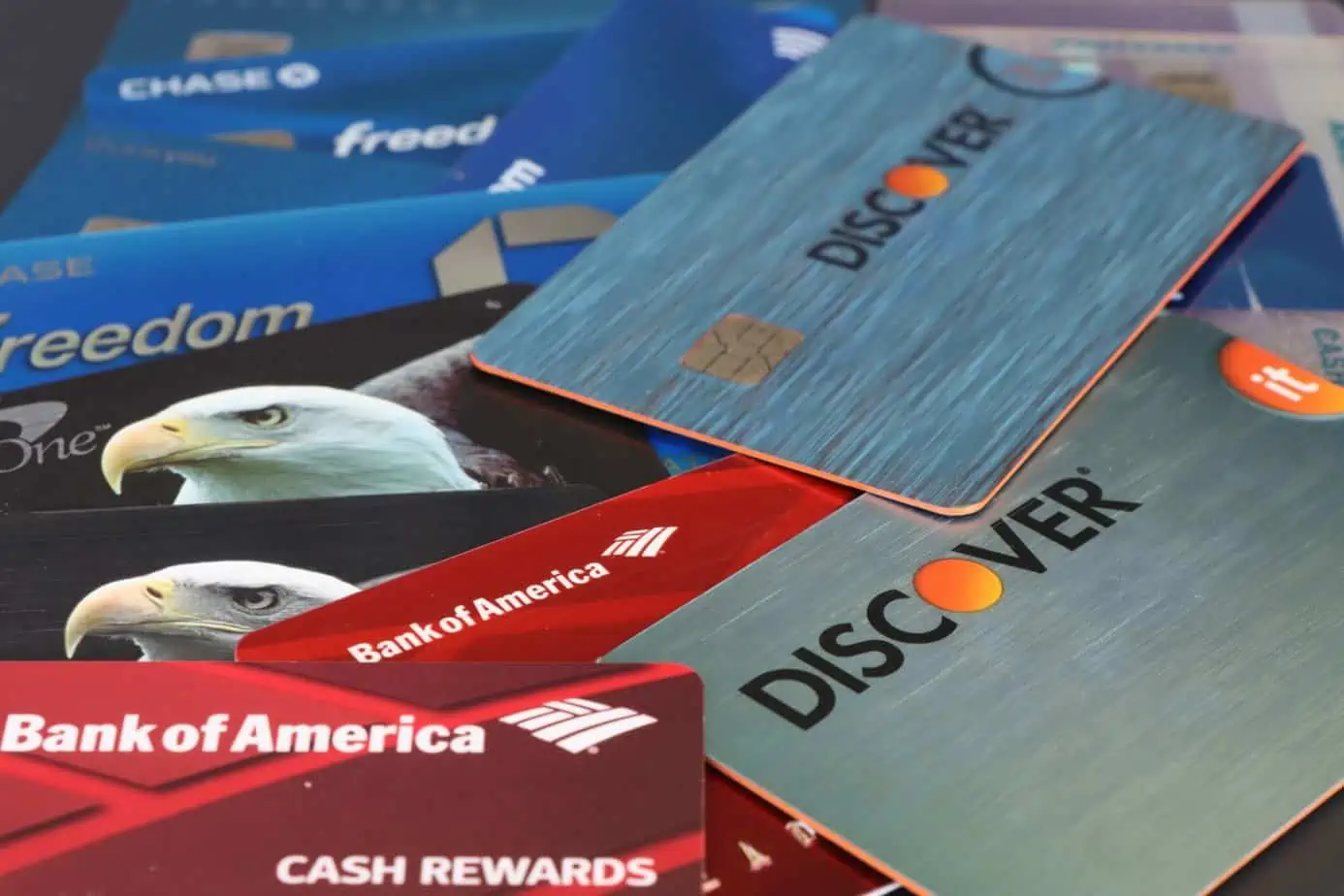
1. Discover it® Secured Credit Card
This remains a top choice because it is one of the few secured cards that offers rewards. Users earn 2% cash back at gas stations and restaurants (on up to $1,000 in combined purchases each quarter) and 1% on everything else. More importantly, Discover begins automatic monthly account reviews starting at seven months to transition you to an unsecured line of credit.
2. Capital One Platinum Secured Credit Card
Capital One offers a unique "staged" deposit system. Depending on your creditworthiness, you might be able to secure a $200 initial credit line with a deposit of only $49 or $99. This makes it more accessible for those who cannot afford to tie up $200 or $500 in a deposit immediately. It has no annual fee and provides a clear path to a higher credit limit after the first six months of on-time payments.
3. Chime Credit Builder Visa® Credit Card
Representing the "fintech" wave that has matured by 2026, Chime’s Credit Builder card does not require a credit check or a fixed security deposit. Instead, you move money from your Chime Checking Account into the Credit Builder secured account, and that amount becomes your spending limit. It is particularly effective because it does not charge interest or annual fees, and it helps build credit by reporting "paid in full" status to the bureaus each month.
4. OpenSky® Secured Visa® Credit Card
For individuals with a recent bankruptcy or those who have been repeatedly denied other cards, OpenSky is a viable fallback. They do not perform a credit check at all. Your approval is based on your ability to provide the security deposit and meet basic income requirements. While it does have a modest annual fee, it is an essential tool for those who are "locked out" of the traditional banking system.
Comparison of Top Credit-Building Cards
| Card Name | Minimum Deposit | Annual Fee | Credit Check Required? | Path to Unsecured? |
|---|---|---|---|---|
| Discover it® Secured | $200 | $0 | Yes | Yes (after 7 months) |
| Capital One Platinum Secured | $49, $99, or $200 | $0 | Yes | Yes (regular reviews) |
| Chime Credit Builder | User-defined | $0 | No | N/A (Fintech model) |
| OpenSky® Secured Visa® | $200 | $35 | No | No |
| Petal® 1 "Rise" Visa® | $0 (Unsecured) | $0 - $59 | Yes (Cash-flow based) | Yes |
Critical Features to Evaluate Before Applying
When choosing a card, do not be swayed by marketing. Focus on these three technical pillars:
Bureau Reporting
A credit card is useless for rebuilding credit if the issuer does not report to Equifax, Experian, and TransUnion. Some "prepaid" cards look like credit cards but do not report to bureaus. Always verify that the card is a revolving credit line that reports monthly.
Fee Structure
By 2026, the "all-in" cost of a card should be transparent. Avoid cards that charge:
- Application Fees: Fees just for the privilege of applying.
- Monthly Maintenance Fees: These can add up to $100+ per year on top of an annual fee.
- Credit Limit Increase Fees: Charging you a fee to allow you to spend more of your own money is a major red flag.
Cash-Flow Underwriting
If you have a low FICO score but a steady income and a healthy bank balance, look for cards that use "cash-flow underwriting." Companies like Petal or Tomo evaluate your banking history—your income vs. your expenses—rather than just your credit score. This is a powerful way for "credit invisible" people to get an unsecured card in 2026.
How to Use Your Card to Maximize Score Growth
Getting the card is only half the battle. To move from "bad" to "fair" or "good" credit, you must understand the mechanics of the credit scoring models.
- Keep Utilization Below 10%: Your "Credit Utilization Ratio" is the second most important factor in your FICO score (30%). If your limit is $200, never carry a balance higher than $20. Even if you pay it off every month, a high balance reported to the bureaus can temporarily lower your score.
- The "Small Charge" Strategy: Use the card for one small, recurring subscription—like a $15 streaming service—and set up Autopay for the full amount. This ensures you have "activity" on the account (which is better than a $0 balance) and that you are never late.
- Avoid Multiple Applications: Every time you apply for a credit card, a "hard inquiry" is placed on your report, which can drop your score by a few points. In 2026, most reputable issuers offer a "pre-approval" or "pre-qualification" tool that uses a soft pull to tell you if you're likely to be approved without hurting your score. Use these tools exclusively.
Common Pitfalls and Predatory Practices
The subprime market is rife with lenders who profit from your mistakes. In 2026, be wary of "credit protection" insurance or "identity theft" add-ons that issuers may try to bundle with your card. These services are often overpriced and provide little value.
Additionally, avoid cards that do not have a mobile app or a modern web interface. Managing bad credit requires hyper-vigilance. You need real-time alerts for transactions and payment reminders. If a bank makes it difficult for you to see your balance or make a payment, they are essentially waiting for you to fail so they can charge a late fee.
Frequently Asked Questions
Can I get a credit card with a 500 credit score?
Yes. At a 500 FICO score, your best options are secured credit cards like the OpenSky® Secured Visa® or the Chime Credit Builder. These cards prioritize your deposit or banking history over your credit score. Traditional unsecured cards will likely be unavailable or extremely expensive at this score level.
How long does it take to see a score increase?
Typically, you will see a movement in your credit score within 30 to 60 days of your first reported payment. Significant jumps usually occur after six months of consistent on-time payments and low utilization, as this demonstrates a pattern of responsible behavior.
Do I need a bank account to get a card for bad credit?
Most secured cards require a bank account to transfer the security deposit. However, some cards, such as the OpenSky® Secured Visa®, allow you to fund the deposit via money order or Western Union, making them accessible to the "unbanked" population.
Is it better to have one card or two when rebuilding?
Starting with one card is usually safer to avoid overextension. However, having two cards can eventually help your score by increasing your total available credit and providing more "positive payment" data points each month. Wait at least six months between applications.
What happens to my deposit when I close a secured card?
If you close the account in good standing with a $0 balance, the issuer is legally required to return your deposit, usually within one to two billing cycles. However, it is almost always better to "graduate" the card to an unsecured version rather than closing it, as closing an account can shorten your "average age of credit," which may negatively impact your score.
Final Recommendation for 2026
If you have at least $200 available for a deposit, the Discover it® Secured is the best overall choice due to its rewards and clear graduation path. If you cannot afford a deposit or have been rejected by major banks, the Chime Credit Builder offers the most consumer-friendly, fee-free alternative. Remember, the card is not a source of extra income; it is a clinical tool used to repair your financial reputation. Use it sparingly, pay it in full, and your score will inevitably rise.