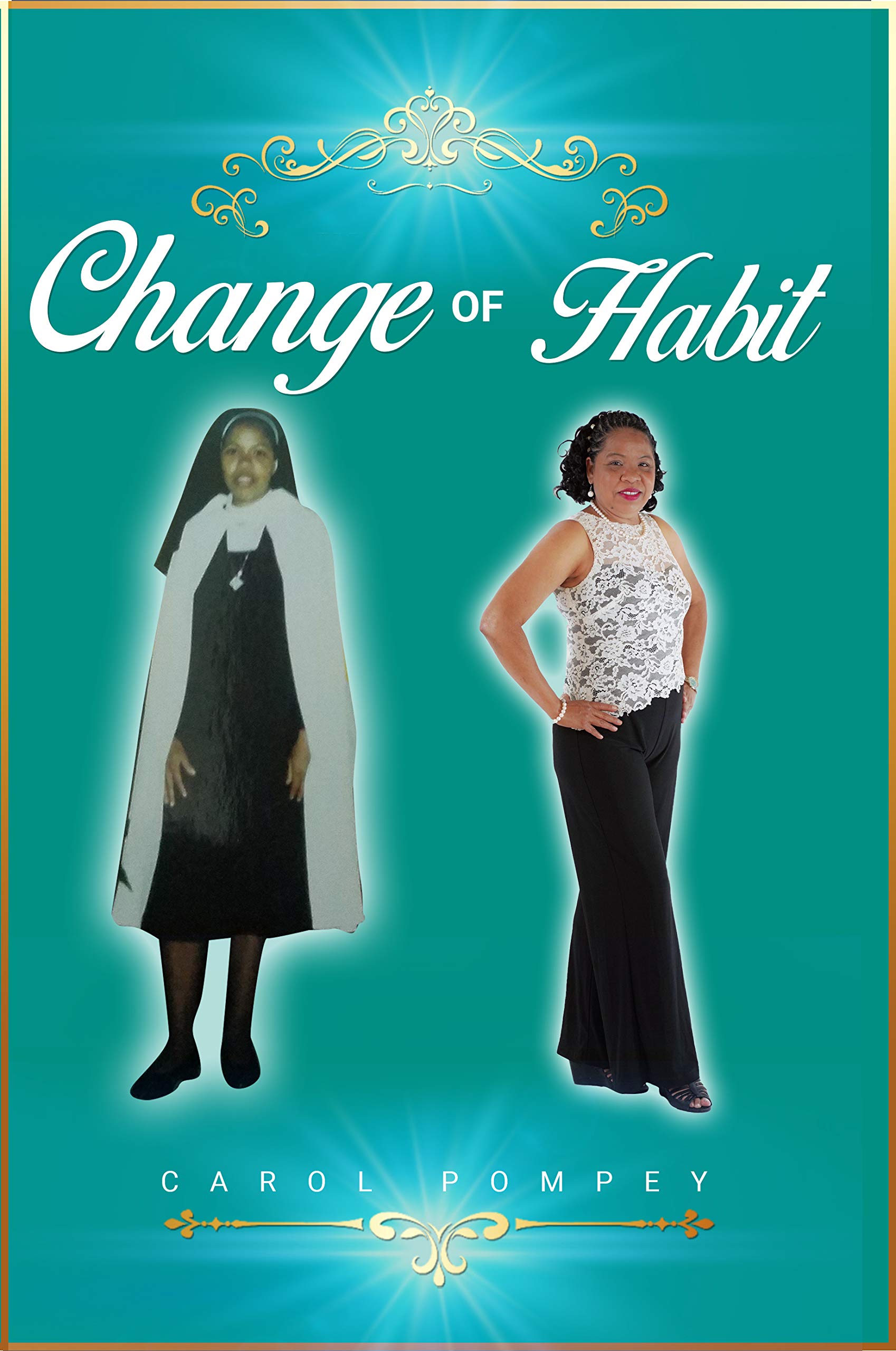
A Change of Habit is the acclaimed memoir and spiritual guide by Sister Monica Clare, an Episcopal nun who transitioned from a high-stress career in Hollywood advertising to monastic life. Published in late 2024, the book details her journey toward finding peace and offers practical monastic wisdom for navigating modern chaos and anxiety.
In a world increasingly defined by digital noise and professional burnout, the story of Sister Monica Clare—born Monica Clare Wessel—serves as a bridge between the secular and the sacred. As we move through 2026, her insights continue to resonate with a global audience seeking "monastic hacks" for mental clarity and spiritual grounding. By examining her transformation from a Los Angeles photographer and advertising executive to a member of the Community of St. John Baptist, readers can find a blueprint for intentional living, regardless of their own religious affiliations.
The Journey of Monica Clare Wessel: Before the Habit
To understand the impact of the book A Change of Habit, one must first understand the life that preceded it. Before she was Sister Monica Clare, she was a professional living in the heart of the entertainment industry. Her career in Los Angeles was characterized by the very things many modern workers struggle with: relentless deadlines, the pressure of self-promotion, and the constant hum of a city that never truly rests.
Working as a photographer and an advertising executive, Monica Clare was successful by traditional standards. However, this success came at a significant cost to her internal peace. Her narrative describes a life of "performative living," where the external image was prioritized over internal well-being. This section of her memoir resonates deeply with the "burnout culture" of the 2020s, providing a relatable entry point for readers who feel trapped in the corporate grind.
The transition was not an overnight epiphany but a slow "nudge" toward something deeper. In her writing, she describes the feeling of being "full but not fed." The decision to leave a lucrative career and move across the country to a convent in Mendham, New Jersey, was met with skepticism by some and awe by others. It represents a radical rejection of consumerist values in favor of a life dedicated to service, silence, and community.
The Core Philosophy of A Change of Habit
The book is more than a simple biography; it is structured as a guide for the "modern seeker." Sister Monica Clare distills the ancient traditions of monasticism into actionable steps that can be applied in a secular context. As of 2026, these teachings have become a staple in the "slow living" and "mindfulness" movements.
Finding Quiet in a Noisy World
One of the primary themes is the cultivation of internal silence. Sister Monica Clare argues that silence is not merely the absence of noise, but a proactive state of listening. In the convent, silence is built into the schedule—from the "Great Silence" observed from night prayer until morning, to the quiet work of the day. She teaches readers how to carve out "monastic moments" in their own schedules, such as a commute without a podcast or a morning coffee without a smartphone.
The Power of Routine and Ritual
Monastic life is governed by the "Rule of Life," a set of guidelines that dictate the rhythm of the day. A Change of Habit explains how structure, rather than being restrictive, is actually liberating. By automating certain decisions through routine—what time to wake up, when to pray, when to eat—the mind is freed from "decision fatigue" to focus on higher pursuits.
Relinquishing the Ego
In Hollywood, Monica Clare’s identity was tied to her portfolio and her professional reputation. In the convent, she became a postulant, then a novice, and finally a professed sister, wearing a uniform (the habit) that intentionally minimizes individual vanity. The book explores the psychological relief that comes from stepping away from the "cult of the self" and finding identity in something larger than one's own accomplishments.
The Community of St. John Baptist
Central to the narrative is the Community of St. John Baptist (CSJB), an Episcopal religious order for women founded in England in 1852 and established in New York in 1874. Currently based in Mendham, New Jersey, the community provides the backdrop for Sister Monica Clare’s transformation.
It is important to note the distinction that Sister Monica Clare is an Episcopal nun, not a Roman Catholic one. This often surprises readers, as many are unaware that the Episcopal Church (part of the Anglican Communion) maintains monastic orders. The CSJB is known for its hospitality, retreat work, and social justice initiatives. Understanding the history of this community helps clarify the "work" that Sister Monica Clare does daily, which includes managing the community's digital presence and tending to the needs of those who visit the convent for spiritual direction.
Digital Ministry and the "TikTok Nun"
While the book A Change of Habit focuses heavily on her internal journey, Sister Monica Clare’s external influence is largely driven by her presence on social media. Often referred to as "The TikTok Nun," she has utilized platforms like TikTok and Instagram to demystify religious life.
Her digital ministry is a masterclass in modern evangelism. She does not use her platform to "preach" in a traditional, dogmatic sense. Instead, she answers questions about the logistics of convent life—what she eats, how she sleeps, and how she handles conflict with other sisters. This transparency has made her a trusted figure for Gen Z and Millennials who are often wary of organized religion but hungry for spiritual authenticity.
In 2026, her digital presence continues to grow, proving that ancient wisdom has a place in the high-speed world of social algorithms. Her book acts as the "deep dive" for those who have followed her 60-second videos, providing the context and theological grounding for her viral advice.
Comparing Two Worlds: Hollywood vs. The Convent
To help readers visualize the magnitude of her change, the following table compares the two distinct environments Sister Monica Clare has inhabited.
| Feature | Hollywood Advertising/Photography | Monastic Life (CSJB) |
|---|---|---|
| Primary Goal | Selling a product or image | Seeking God and serving others |
| Daily Rhythm | Irregular, driven by deadlines | Fixed "Daily Office" (prayer schedule) |
| Identity | Individualistic, brand-focused | Communal, identity in Christ |
| Communication | Constant, digital-first | Intentional, periods of total silence |
| Conflict Resolution | Professional competition | Reconciliation and communal grace |
| Possessions | Personal ownership, status symbols | Vow of poverty, shared resources |
Practical Applications for Secular Readers
You do not have to join a convent to benefit from the lessons in A Change of Habit. The book outlines several "Monastic Principles for Modern Life" that Sister Monica Clare encourages everyone to adopt:
- The 15-Minute Sanctuary: Start your day with 15 minutes of absolute quiet. No devices, no news, no chores. Just sitting in the presence of the morning.
- The Rule of Stability: Stability is a monastic vow to stay in one place and work through difficulties rather than running away. In a secular sense, this means committing to your community, your family, or your current path even when it feels mundane or difficult.
- Humble Work: Every task, from answering emails to scrubbing a floor, can be a form of prayer if done with attention and care. Sister Monica Clare emphasizes that "menial" tasks are often the most spiritually transformative.
- Digital Sabbath: Setting strict boundaries with technology is a modern necessity. The book suggests specific times to "clock out" from the digital world to reconnect with the physical environment.
Troubleshooting Common Misconceptions
When people first hear of Sister Monica Clare or read her memoir, several common misconceptions often arise.
Misconception 1: Life in a convent is a "retreat" from reality. Sister Monica Clare is quick to point out that monastic life is not an escape. It is an "immersion." When you live in a small community with the same people every day, you cannot hide from your own flaws or the flaws of others. It requires more emotional labor and interpersonal skill than most corporate jobs.
Misconception 2: You must be extremely religious to enjoy the book. While the book is written from a Christian perspective, the "habitual changes" it suggests are rooted in psychology and human wellness. Many of her readers are atheists or agnostics who find value in the discipline and mindfulness techniques she describes.
Misconception 3: Episcopal nuns are different from "real" nuns. This is a matter of denominational nomenclature. While Roman Catholic nuns are the most well-known, the Episcopal Church (and other Anglican branches) has a long and storied history of religious orders that follow similar vows of poverty, chastity, and obedience.
Frequently Asked Questions
What motivated Sister Monica Clare to write "A Change of Habit"?
She wrote the book to provide a roadmap for those feeling overwhelmed by the modern world. Having lived both "fast" and "slow" lives, she felt uniquely positioned to show that peace is possible without necessarily moving to a convent. She wanted to demystify the nun’s life and show its practical relevance to contemporary struggles like anxiety and burnout.
Is the book a traditional autobiography?
It is a "hybrid" memoir. While it follows the chronological path of her life—from her childhood and career in LA to her profession as a nun—it is interspersed with practical exercises, reflections, and "how-to" sections. Each chapter typically begins with a story and ends with a spiritual or practical takeaway for the reader.
Where is Sister Monica Clare based now?
As of 2026, Sister Monica Clare remains a professed member of the Community of St. John Baptist in Mendham, New Jersey. She continues to fulfill her duties within the community while also engaging in her digital ministry and speaking engagements related to her book.
Can I visit the community mentioned in the book?
Yes, the Community of St. John Baptist (CSJB) in Mendham, NJ, often welcomes visitors for retreats, workshops, and services. They offer a guest house for those seeking a period of quiet reflection. It is advisable to check their official website for current schedules and availability, as they remain an active religious community with specific rules for visitors.
Does the book address her transition to wearing the habit?
Yes, a significant portion of the book is dedicated to the symbolic and psychological impact of "taking the habit." She discusses the transition from a wardrobe filled with designer clothes and professional attire to the simple, dark blue habit of her order. She describes this as an act of "un-masking" rather than masking.
Moving Forward: Next Steps for Seekers
If the story of Sister Monica Clare resonates with you, the next logical step is to engage with her work directly. Reading A Change of Habit is the most comprehensive way to understand her philosophy. Beyond the book, you can explore the resources provided by the Community of St. John Baptist to learn more about the Episcopal monastic tradition.
For those not ready for a deep dive into theology, simply adopting one "monastic habit" per week—such as a period of silence or a structured morning routine—can provide immediate benefits. The goal is not to become a nun, but to become more present in your own life. Sister Monica Clare’s journey proves that it is never too late to change your "habit" of living and find a path that leads toward calm.