Choosing between Atlantic City and Ocean City requires balancing a desire for high-energy nightlife against a preference for structured family traditions. Atlantic City offers casino gaming, upscale dining, and free beaches, while Ocean City remains a "dry" town focused on wholesome amusements, pristine residential neighborhoods, and paid beach access.
Deciding where to spend your vacation time along the New Jersey coastline often comes down to a fundamental choice between two very different philosophies of leisure. Although these two iconic destinations are separated by less than 15 miles of coastline, they represent opposite ends of the travel spectrum. In 2026, both cities have evolved to meet modern traveler demands, yet they maintain the core identities that have defined them for over a century.
The Fundamental Atmosphere: Glitz vs. Tradition
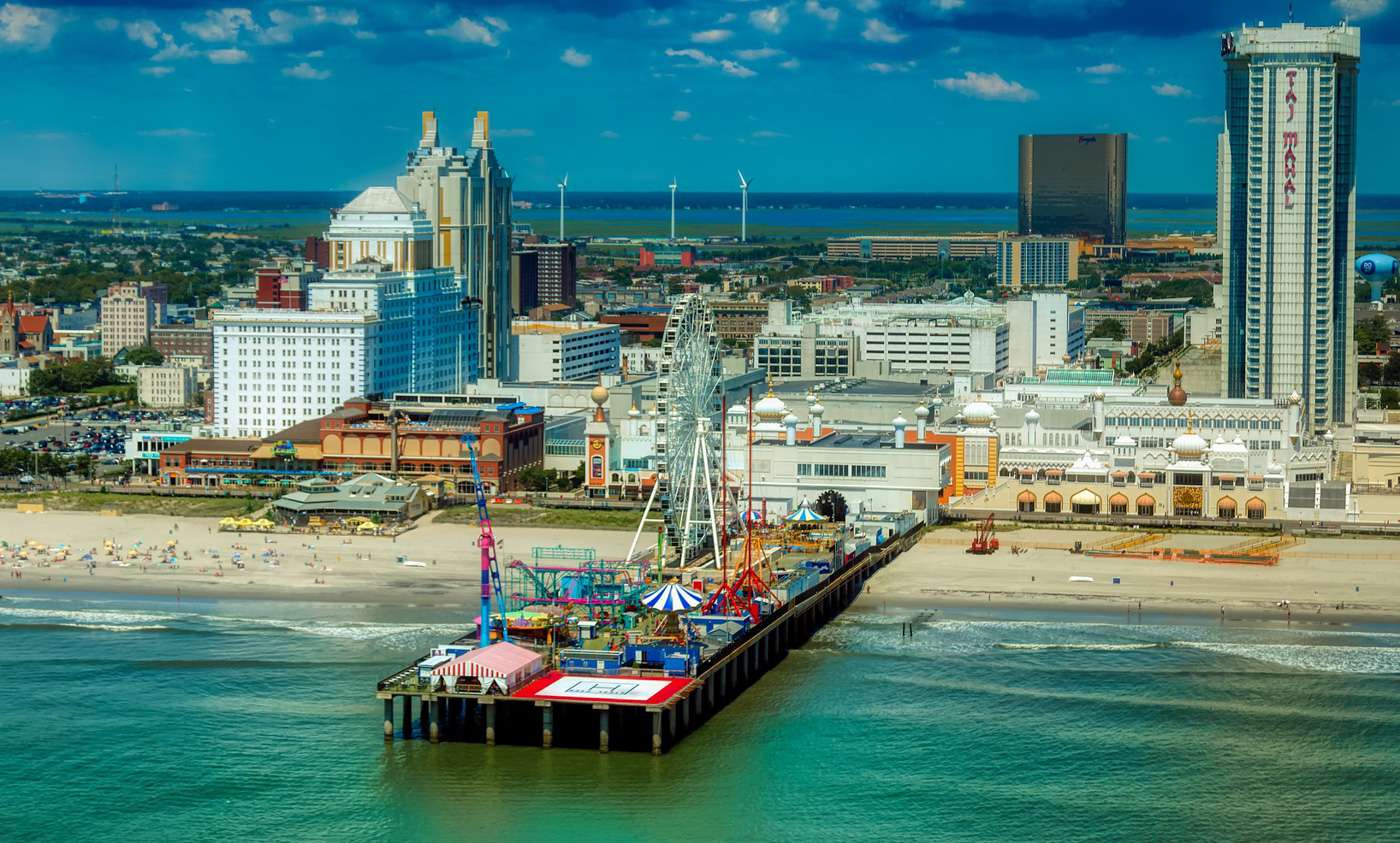
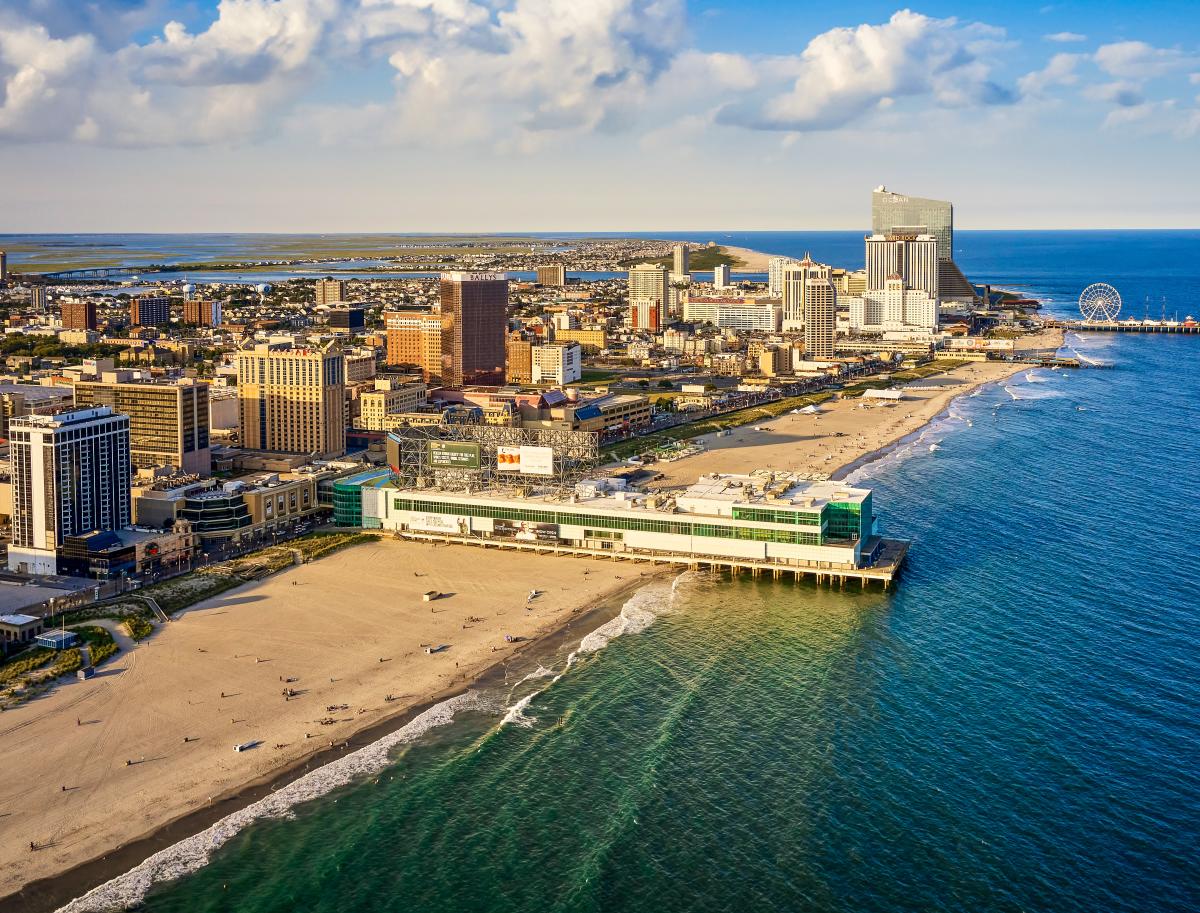
The primary differentiator in any Atlantic City or Ocean City comparison is the "vibe" of the environment. Atlantic City is a bustling urban center by the sea. It is characterized by high-rise casino resorts, neon lights, and a fast-paced energy that mirrors Las Vegas, albeit with a salt-air twist. It is a city that never truly sleeps, where the sound of slot machines and the bass from world-class nightclubs provide the soundtrack to the evening. For travelers seeking excitement, luxury, and adult-oriented entertainment, Atlantic City is the undisputed choice.
Ocean City, conversely, is marketed as "America's Greatest Family Resort." This is not merely a slogan; it is a legal and cultural framework. As a "dry" town, the sale of alcoholic beverages is prohibited within city limits, and you will not find bars or liquor stores. This creates a markedly different atmosphere—one that is quieter, more predictable, and centered entirely on children and multi-generational families. The pace of life in Ocean City is dictated by the opening of the amusement piers and the evening stroll for ice cream or pizza.
The Boardwalk Experience: Two Different Worlds
Both cities boast world-famous boardwalks, but their functions and aesthetics vary significantly.
Atlantic City Boardwalk The Atlantic City Boardwalk is the oldest in the United States and remains one of the longest. In 2026, it serves as a massive thoroughfare connecting the major casino resorts like the Hard Rock, Ocean Casino Resort, and Borgata (via shuttle) to the beach. The experience here is eclectic. You will find high-end retail shops and celebrity chef restaurants situated just steps away from traditional salt water taffy stands and rolling chairs. The Steel Pier remains a focal point, offering rides and the massive Wheel that provides panoramic views of the Atlantic Ocean. However, the AC boardwalk also maintains an urban grit; it is a public space where the city's diverse population and visitors mingle.
Ocean City Boardwalk The Ocean City Boardwalk is a meticulously maintained eight-mile stretch (with the main commercial area spanning about 2.5 miles) that feels like a choreographed celebration of Americana. It is cleaner and more compact than its northern neighbor. The focus here is on family amusements. Iconic landmarks like Gillian’s Wonderland Pier and Playland’s Castaway Cove dominate the skyline with roller coasters and Ferris wheels. The air is thick with the scent of Manco & Manco pizza and Johnson’s Popcorn. Because the town is dry, the "nightlife" on the boardwalk consists of thousands of families walking, biking (during permitted hours), and waiting in line for Kohr Brothers custard.
Gambling, Nightlife, and Legalities
The most stark contrast in this comparison involves the availability of adult entertainment.
Atlantic City remains the gambling capital of the East Coast. As of 2026, the city features nine major casinos, each offering a sprawling floor of slots, table games, and dedicated sportsbooks. Beyond the gaming floors, the city has leaned heavily into "dayclub" and "nightclub" culture. Venues like The Pool at Harrah’s or Premier Nightclub at Borgata attract international DJs and a younger, affluent demographic. Additionally, New Jersey's progressive laws regarding cannabis mean that Atlantic City has several licensed dispensaries and consumption lounges, further cementing its status as an adult playground.
Ocean City permits none of the above. There are no casinos, no bars, and no cannabis dispensaries. While visitors are permitted to consume alcohol within the privacy of their rented homes or hotel rooms, you cannot order a glass of wine at a restaurant. This lack of a bar scene is exactly what draws many visitors; it significantly reduces loud nighttime disturbances and ensures that the "wild" element of a beach vacation is non-existent. For those who want a drink with dinner, the neighboring towns of Somers Point or Egg Harbor Township are just a short drive across the bridge.
Beach Access and Regulations
A common point of confusion for first-time visitors is how each city manages its shoreline.
- Atlantic City Beaches: The beaches in Atlantic City are completely free. No beach tags or passes are required for entry. This makes AC an attractive option for budget-conscious day-trippers or those who resent the "pay-to-play" model of the Jersey Shore. The beaches are wide and maintained by the city, though they can become quite crowded in front of the major casinos.
- Ocean City Beaches: Ocean City requires "beach tags" for everyone age 12 and up from late May through September. In 2026, seasonal tags typically cost between $30 and $40 if purchased early, while daily tags are around $10. The revenue from these tags goes directly into beach maintenance, lifeguard salaries, and sand replenishment. Consequently, Ocean City's beaches are often cited as being cleaner and more strictly supervised than those in Atlantic City.
2026 Cost Comparison and Logistics
The financial commitment for a trip to either location depends on your style of travel. Atlantic City is a town of extremes—you can find very cheap rooms at older motels or spend thousands on a suite at the Borgata. Ocean City is dominated by weekly house rentals, which require significant upfront costs but offer better value for large families.
| Feature | Atlantic City (2026 Estimates) | Ocean City (2026 Estimates) |
|---|---|---|
| Beach Access | Free | $10 (Daily) / $35 (Seasonal) |
| Average Hotel Room | $150–$500 per night | $250–$600 per night |
| Primary Lodging | Casino Resorts / High-rise Hotels | Single-family rentals / Condos |
| Alcohol Sales | Available 24/7 | Prohibited (Dry Town) |
| Parking | $10–$30 (Casino Garages) | $15–$50 (Private lots/Meters) |
| Public Transit | Jitney buses ($2.50) | Minimal (Mostly walking/biking) |
| Atmosphere | Urban, High-Energy, Adult | Residential, Calm, Family-Centric |
Culinary Landscapes: Fine Dining vs. Boardwalk Classics
The dining scenes in these two cities cater to very different palates. Atlantic City has become a culinary destination in its own right. The casinos compete to host "Top Chef" winners and Michelin-starred restaurateurs. Whether it’s Gordon Ramsay’s Pub & Grill at Caesars or the high-end Italian offerings at Vic & Anthony’s, the focus is on a complete "night out" experience involving cocktails and multi-course meals.
Ocean City’s food culture is rooted in tradition and portability. While there are several excellent sit-down restaurants (like the historic Flanders Hotel or various spots along Asbury Avenue), the city is famous for its boardwalk staples. A trip to Ocean City is incomplete without a slice of thin-crust pizza, a bucket of caramel popcorn, or French fries from Curly's. The focus is on casual, kid-friendly dining that allows you to get back to the amusements or the beach quickly.
Safety and Accessibility
Atlantic City is a major urban center, and like any large city, it has areas that require caution. While the tourist district (the Boardwalk and the Marina District) is heavily patrolled by the Atlantic City Police Department and is generally safe, visitors are often advised to stay within the well-lit, populated areas, especially at night.
Ocean City is frequently ranked as one of the safest cities in New Jersey. Because the town's economy is almost entirely dependent on family tourism, there is a massive police presence on the boardwalk and in the residential zones. The lack of alcohol sales also contributes to a lower rate of public disturbances. In terms of accessibility, Ocean City is very bike-friendly, with dedicated lanes and a flat topography that makes it easy for children and seniors to navigate. Atlantic City is more reliant on the "Jitney" (small green buses) and ride-share services due to its larger geographic footprint.
Which One Should You Choose?
Choose Atlantic City if:
- You enjoy gambling, sports betting, or high-stakes poker.
- You are planning a bachelor/bachelorette party or a "girls' weekend."
- You want access to world-class spas and luxury hotel amenities.
- You prefer free beaches and don't mind an urban environment.
- You want to see headlining concerts or Broadway-style shows.
Choose Ocean City if:
- You are traveling with young children or teenagers.
- You prefer a quiet, residential atmosphere without the presence of bars.
- You enjoy the tradition of weekly beach house rentals.
- You want a safe, walkable environment where kids can have some independence.
- You appreciate a meticulously maintained boardwalk focused on amusements rather than casinos.
Common Pitfalls to Avoid
When visiting Atlantic City, a common mistake is failing to account for "resort fees" and parking costs, which can add $50 or more to your daily budget. Additionally, don't assume every hotel is on the boardwalk; the Marina District (Borgata, Harrah’s) is a few miles away from the beach, requiring a shuttle or ride-share.
In Ocean City, the biggest pitfall is the Sunday "turnover." Most rentals run from Saturday to Saturday or Sunday to Sunday. If you are driving into town during these windows, expect massive traffic delays on the 9th Street Bridge. Also, remember to buy your beach tags in advance online or at the Ocean City City Hall to avoid waiting in long lines on a hot Saturday morning.
Frequently Asked Questions
Can you drink alcohol at all in Ocean City? While you cannot buy alcohol or order it in restaurants, you are legally allowed to possess and consume it within your private residence or rental property. Public consumption on the beach or boardwalk is strictly prohibited and heavily fined.
Is the Atlantic City Boardwalk safe at night? The main boardwalk area between the major casinos is generally safe and well-populated into the early hours of the morning. However, it is recommended to stay on the boardwalk rather than wandering into the side streets off the main tourist track late at night.
How far apart are Atlantic City and Ocean City? The two cities are approximately 11 miles apart. The drive takes about 20 to 30 minutes via the Garden State Parkway or Route 9, depending on summer traffic. This makes it very easy to stay in one and take a day trip to the other.
Which city is more expensive for a weekend trip? Generally, Atlantic City can be more expensive if you are engaging in gambling and fine dining. However, Ocean City can have a higher "floor" for costs because hotel rooms are limited and high-demand, and you must pay for beach access.
Are dogs allowed on the beaches? In both cities, dogs are generally prohibited from the beaches and boardwalks during the summer season (May through September). Both towns have specific "off-season" windows where pets are allowed, and Atlantic City has a dedicated dog park at the north end.
Final Recommendation
For a 2026 summer vacation, the choice depends on your definition of "relaxation." If your idea of a getaway involves a spa treatment, a steak dinner, and a night at the blackjack table, Atlantic City is your destination. If your goal is to build sandcastles, ride a Ferris wheel, and enjoy a quiet evening on a porch with your family, Ocean City is the superior choice. Many seasoned Jersey Shore visitors actually split the difference: they stay in the quiet environment of Ocean City and take a 20-minute Uber into Atlantic City for one night of "adult" fun.