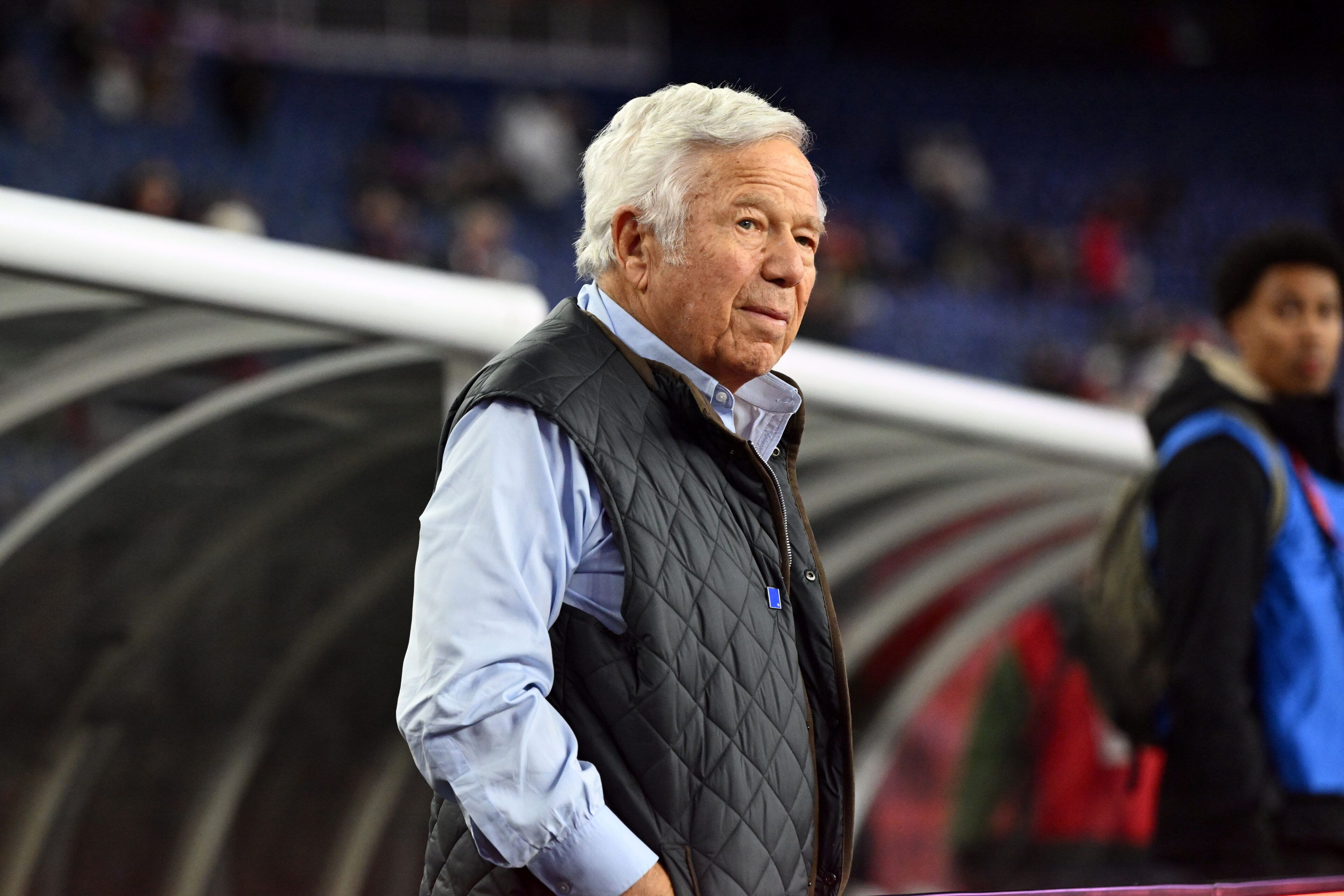
Robert Kraft does not own Gillette; rather, the stadium bearing the name is owned and operated by Kraft's organization, Kraft Sports + Entertainment, while the naming rights belong to Procter & Gamble, the corporate parent of the Gillette brand. This distinction often creates confusion among sports fans who associate the billionaire businessman and New England Patriots owner so closely with the Foxborough venue.
To understand why Gillette Stadium is tied to Robert Kraft, it is necessary to examine the intricate history of sports marketing, real estate development, and corporate naming rights in the National Football League. While Kraft owns the New England Patriots and the New England Revolution, his relationship with the famous razor and personal care brand is strictly contractual. This article explores the ownership structure of the stadium, the business mechanics behind major sports venue naming rights, and the broader portfolio managed by the Kraft family.
Understanding the Ownership Structure of Gillette Stadium
The stadium located in Foxborough, Massachusetts, where the New England Patriots play their home games, is owned entirely by Kraft Group entities rather than any public municipal authority or external corporate conglomerate. Robert Kraft purchased the original stadium site—then known as Foxboro Stadium—in 1994, saving the franchise from a potential relocation to St. Louis. When the aging Foxboro Stadium needed replacement at the turn of the millennium, Kraft self-financed the construction of the new venue, which opened in 2002 as CMGI Field before shifting its moniker to Gillette Stadium shortly thereafter.
Because the Kraft family built the stadium on land they purchased and controlled, they hold full proprietary rights over the physical infrastructure, parking lots, and surrounding commercial developments like Patriot Place. However, owning the bricks and mortar of a massive entertainment venue does not mean an owner automatically possesses every brand associated with it. Naming rights are a distinct intellectual property asset sold to corporate sponsors for defined periods to generate supplemental revenue streams.
The Role of Procter & Gamble and the Gillette Brand
Gillette is a globally recognized brand specializing in safety razors, shaving cream, and personal care products. Founded by King Camp Gillette in the early 20th century, the company eventually became a subsidiary of Procter & Gamble (P&G) following a massive corporate acquisition. P&G is the entity that ultimately secured the naming rights agreement for the Foxborough stadium, paying a substantial annual fee to attach the Gillette name to the venue.
When the stadium deal was finalized in 2002, the original agreement granted Gillette naming rights through a long-term contract. Over the years, these corporate partnerships are frequently evaluated, renegotiated, and extended. The presence of the Gillette name on the stadium roof, scoreboards, and media backdrops represents a multi-million-dollar marketing campaign by Procter & Gamble, designed to align their flagship grooming brand with the immense visibility and cultural footprint of the NFL and the New England Patriots.
| Asset Type | Primary Owner or Holder | Operational Role |
|---|---|---|
| New England Patriots | Robert Kraft (The Kraft Group) | NFL Franchise Operation |
| New England Revolution | Robert Kraft (The Kraft Group) | MLS Franchise Operation |
| Gillette Stadium (Physical Property) | Robert Kraft (The Kraft Group) | Real Estate & Venue Management |
| Gillette Brand & Naming Rights | Procter & Gamble (P&G) | Corporate Sponsor & Intellectual Property |
The Mechanics of NFL Stadium Naming Rights
The distinction between owning a physical sports venue and selling its naming rights is standard practice across North American professional sports. Very few stadium owners choose to keep their own corporate names on their venues unless they run a massive consumer-facing enterprise that benefits directly from that specific type of brand exposure. For instance, while some arenas are named after the owner's primary corporate holdings, most sports franchises treat naming rights as a lucrative B2B transaction.
For Robert Kraft and his executive team, partnering with a major multinational corporation like Procter & Gamble provides several operational benefits:
- Guaranteed Revenue Streams: Corporate naming rights contracts inject reliable, high-value capital into the organization, helping offset stadium maintenance and operational overhead.
- Co-Branding Opportunities: Aligning a sports franchise with an established, household consumer brand enhances marketing reach and cross-promotional potential in retail stores and digital campaigns.
- Global Exposure: Brands like Gillette have international distribution networks, which indirectly helps project the stadium and the team into global markets where P&G markets its grooming products.
Robert Kraft's Business Portfolio and Real Estate Holdings
While Robert Kraft does not own Gillette, his actual business empire is remarkably vast and influential. Operating primarily through The Kraft Group, his privately held holding company manages investments across several high-profile sectors, including professional sports, real estate development, paper and packaging manufacturing, and private equity.
Sports and Entertainment
Kraft Sports + Entertainment oversees the operations of the New England Patriots (NFL), the New England Revolution (MLS), and Gillette Stadium itself. Under his leadership, the franchise transformed from a struggling regional team into one of the most valuable and recognizable sports dynasties of the 21st century. Additionally, the Kraft family has invested in broader sports initiatives, including esports franchises and venture capital funds focused on sports technology.
Real Estate Development: Patriot Place
Beyond the stadium bowl, one of Robert Kraft’s most significant real estate achievements is Patriot Place. Developed directly adjacent to Gillette Stadium, Patriot Place is an expansive open-air shopping, dining, and entertainment center. Spanning over 1.3 million square feet, this lifestyle center includes hotels, medical facilities, restaurants, retail shops, and a cinema. Unlike the naming rights of the stadium, the Kraft Group maintains direct ownership and management oversight of the entire Patriot Place complex, transforming a former parking lot into a year-round economic engine for the region.
Paper and Packaging Manufacturing
Long before his prominence in the National Football League, Robert Kraft built his fortune in the industrial sector. He served as the chief executive of International Forest Products and heavily invested in paper and packaging manufacturing through various entities under the Kraft Group umbrella. These enterprises handle international trade of forest products, supplying raw materials and packaging solutions globally.
Common Misconceptions About Stadium Naming and Ownership
The confusion surrounding whether Robert Kraft owns Gillette stems from a broader linguistic habit among sports fans and media outlets. When people refer to "Kraft's stadium" or note that the Patriots play at "Gillette," it is easy for casual observers to conflate the venue's corporate sponsor with its physical proprietor.
Furthermore, naming rights agreements often include comprehensive partnership clauses where the sponsor's products are exclusively used within the venue. For example, Gillette products, branding displays, and promotional activations are ubiquitous throughout the stadium concourses. This deep integration reinforces the mental association between the Kraft family and the Gillette brand, even though their legal and financial relationship is purely contractual and commercial.
Another frequent point of confusion involves the financial backing of the stadium's construction. Because Robert Kraft famously funded the entire construction of Gillette Stadium privately—without relying on taxpayer-funded public bonds—many assume that every aspect of the project, including its title, remains an in-house family enterprise. In reality, private stadium financing often relies heavily on selling ancillary rights, such as naming partnerships and luxury suite licenses, to recoup the massive capital expenditures required to build modern NFL arenas.
Frequently Asked Questions
Does Robert Kraft own Procter & Gamble?
No, Robert Kraft does not own Procter & Gamble. P&G is a publicly traded multinational consumer goods corporation listed on the New York Stock Exchange under the ticker symbol PG, owned by millions of institutional and individual shareholders worldwide.
Who paid for the construction of Gillette Stadium?
Gillette Stadium was financed entirely through private funds provided by Robert Kraft and the Kraft Group. Unlike many other professional sports venues that rely partially on state or municipal tax subsidies, the stadium was built without direct public funding for the core construction.
When did the naming rights deal between Gillette and the stadium begin?
The naming rights partnership officially began in 2002, coinciding with the opening of the stadium. The initial agreement established long-term branding rights, and the partnership has since undergone renewals and extensions to maintain the iconic name.
What was the stadium called before it was named Gillette Stadium?
When the stadium first opened in the summer of 2002, it was temporarily named CMGI Field after an internet investment company that held the initial naming rights. However, following the dot-com crash, CMGI relinquished the rights, leading to the agreement with Gillette later that same year.
Does Robert Kraft own any other sports teams?
Yes, alongside the New England Patriots of the National Football League, Robert Kraft owns the New England Revolution, a professional soccer team competing in Major League Soccer (MLS) that also plays its home matches at Gillette Stadium.
Next Actions and Further Verification
For readers interested in corporate governance, sports economics, or the business history of the National Football League, verifying the ownership records of professional sports venues is straightforward through official corporate filings and sports business publications. To explore further, examine financial reports from publicly traded sponsors like Procter & Gamble or review official business profiles of the Kraft Group to understand how major entertainment venues integrate corporate partnerships with private real estate developments.