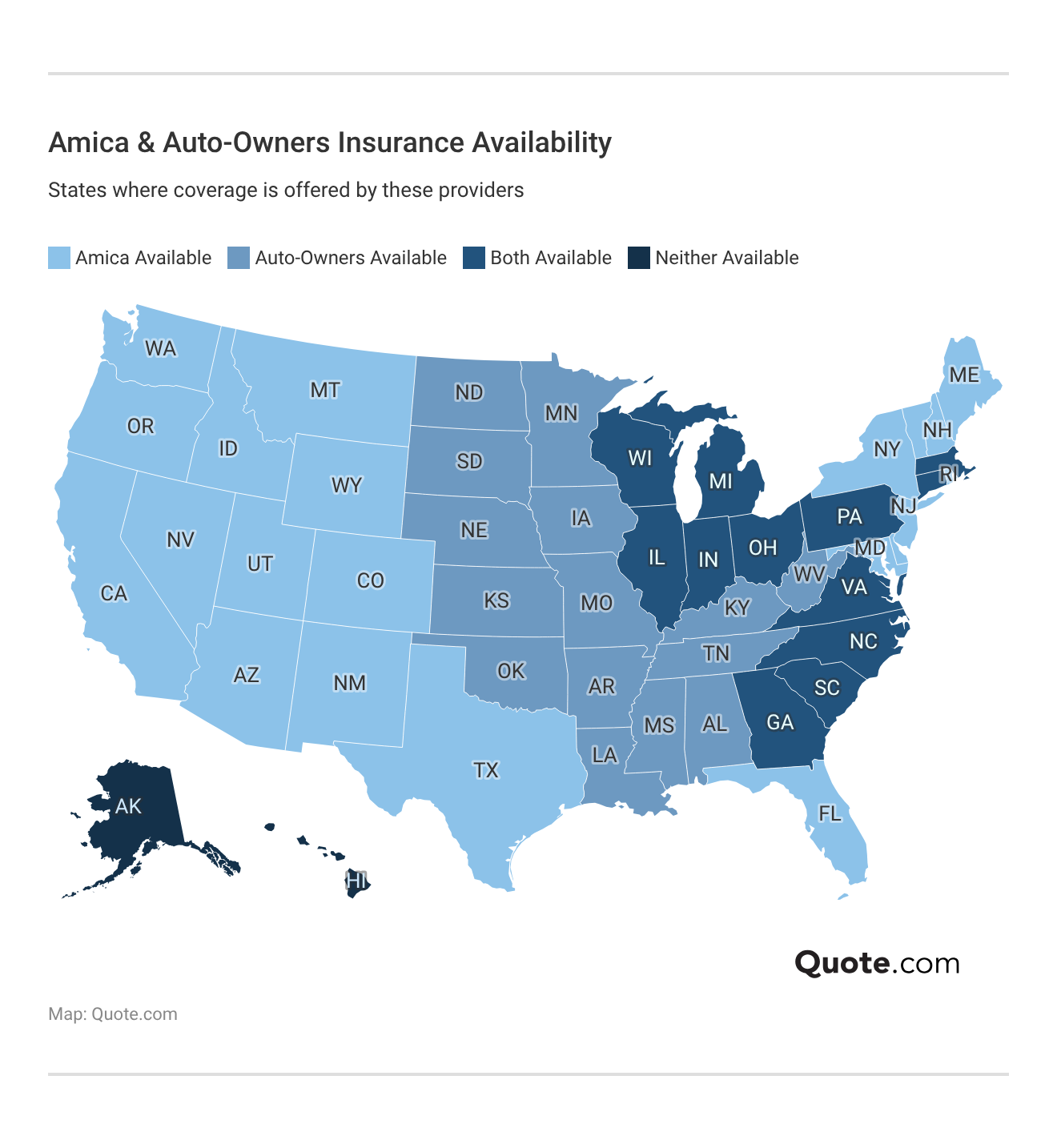
Amica Mutual Insurance Company provides auto insurance coverage to Oregon residents, focusing on high-quality customer service, dividend-paying policies, and robust claim support. Potential policyholders in the state should evaluate their coverage needs against Oregon’s specific mandatory liability requirements, consider the financial benefits of Amica’s dividend options, and assess the insurer's digital and personal service capabilities for regional relevance.
Understanding Oregon Auto Insurance Requirements
Before selecting a specific insurance carrier like Amica, it is essential to understand the regulatory environment in Oregon. The Oregon Department of Consumer and Business Services enforces strict financial responsibility laws for all drivers. As of 2026, every vehicle owner operating in the state must maintain liability insurance that meets or exceeds the following minimum limits:
- Bodily Injury Liability: $25,000 per person and $50,000 per accident.
- Property Damage Liability: $20,000 per accident.
- Personal Injury Protection (PIP): $15,000 per person.
- Uninsured Motorist Coverage: $25,000 per person and $50,000 per accident.
Amica’s policies in Oregon are structured to integrate these state-mandated minimums while allowing for higher coverage limits. Because Oregon is a "fault" state, the person determined to be responsible for an accident is liable for the resulting damages. Consequently, carrying only the state minimum can leave a driver significantly underinsured in the event of a serious collision. Selecting higher liability limits is a common risk management strategy for assets protection.
The Value Proposition of Amica Mutual
Amica is widely recognized in the insurance industry for its mutual company structure. Unlike stock-based insurance companies that prioritize shareholder returns, Amica’s structure allows policyholders to be members of the company. In the context of the Oregon market, this often manifests through dividend-paying policies.
When you purchase a policy with a dividend provision, you may be eligible to receive a portion of your premium back at the end of the policy term, provided the company meets its financial objectives. While these dividends are never guaranteed and depend on the company's performance, they represent a potential long-term cost reduction that distinguishes Amica from many national competitors.
Coverage Options and Technical Specifications
Beyond standard liability, Amica offers a suite of endorsements and coverage enhancements that are particularly relevant for Oregon drivers, who face diverse conditions ranging from urban traffic in Portland to mountainous terrain in the Cascades.
- Collision Coverage: This pays for damage to your vehicle resulting from an accident with another object or vehicle.
- Comprehensive Coverage: This covers non-collision events, such as theft, vandalism, fire, or damage caused by wildlife. Given Oregon’s rural stretches and frequent deer populations, comprehensive coverage is often a recommended addition.
- Rental Reimbursement: If your vehicle is in the shop for repairs following a covered loss, this coverage assists with the cost of a rental car.
- Glass Coverage: Some policies offer specific provisions for windshield repair or replacement, which can be useful given the gravel usage on certain Oregon rural roads.
- Roadside Assistance: This service provides 24/7 help for towing, battery jump-starts, tire changes, and lockout services.
Comparing Amica to Local and National Market Standards
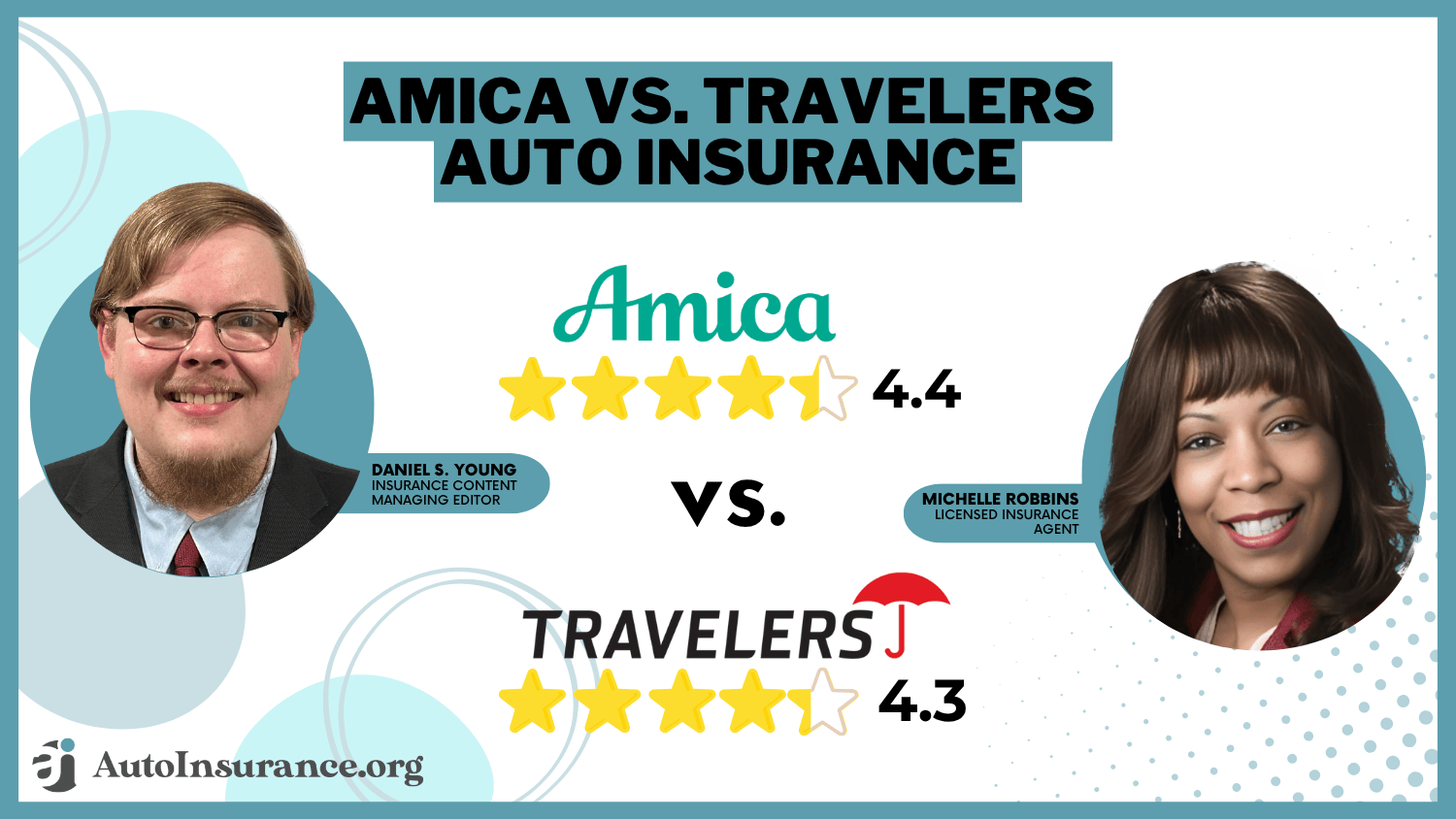
When shopping for insurance, it is helpful to contrast Amica’s approach with other carriers operating in the Pacific Northwest. The following table illustrates the general comparison points for a typical consumer.
| Feature | Amica Mutual | Standard National Carriers | Local Mutuals |
|---|---|---|---|
| Service Model | High-touch, direct | Often automated/app-based | Agency-dependent |
| Dividend Potential | Frequently available | Rare | Varies by company |
| Claim Settlement | Highly rated for ease | Mixed reviews | Often localized |
| Premium Range | Mid-to-high | Budget-to-high | Competitive |
The "high-touch" service model of Amica typically means that when a claim is filed, the process is handled with significant direct communication rather than strictly through automated portals. For Oregonians who value having a dedicated representative during stressful times, this is a distinct operational advantage.
Eligibility and Application for Oregon Residents
Applying for auto insurance with Amica in Oregon generally follows a digital-first workflow. Applicants must provide detailed information, including:
- Vehicle Identification Numbers (VINs): This ensures the exact trim and safety features of the vehicle are accounted for in the quote.
- Driving History: Any incidents, tickets, or claims from the past three to five years.
- Driver Identification: Legal name, date of birth, and Oregon driver’s license number.
- Odometer Readings: Accurate mileage is used to help calculate the risk profile for daily commuting.
Once the initial quote is generated, Amica underwriters analyze the risk profile. In Oregon, insurers are permitted to use credit-based insurance scores as a rating factor, which can influence premiums alongside standard variables like zip code, age, and vehicle type.
Managing Your Policy and Filing Claims
For existing Amica customers in Oregon, the management portal allows for document retrieval, payment processing, and policy updates. In the event of an accident:
- Immediate Safety: Move to a safe location and call local law enforcement if the incident involves injury or significant damage.
- Documentation: Capture photos of the damage, obtain the other driver’s insurance information, and record the contact details of any witnesses.
- Filing the Claim: Contact Amica via the official website or their dedicated claims phone line. Providing consistent, honest information is critical for a smooth settlement process.
- Repair Authorization: Amica often works with a network of approved repair shops. While you have the legal right to choose your repair facility in Oregon, using a preferred shop may expedite the appraisal and payment process.
Common Pitfalls and Troubleshooting
A common mistake for new policyholders is underestimating the "gap" in their coverage. If your vehicle is financed or leased, standard insurance may not cover the difference between the car's current market value and the amount remaining on your loan if the vehicle is totaled. Amica offers loan/lease gap coverage (often referred to as "gap insurance") that addresses this specific financial exposure.
Another area for attention is the "Personal Injury Protection" (PIP) limit. Oregon law mandates a minimum, but medical costs can escalate rapidly. Reviewing your health insurance coverage in tandem with your auto insurance is an essential task to ensure there are no unintended gaps in medical payment coverage.
Frequently Asked Questions
Does Amica offer bundling discounts in Oregon? Yes. Amica provides multi-policy discounts if you carry both auto and home (or renters) insurance with them. Bundling is generally one of the most effective ways to lower your total insurance expenditure.
Is my dividend payout affected by the number of claims I file? While dividends are calculated based on the performance of the insurance pool, frequent claims can affect your overall eligibility for certain policy tiers and may lead to rate increases at renewal, which could offset or reduce the net value of any future dividends.
Does Amica cover ride-share driving in Oregon? Standard auto policies typically exclude coverage for commercial activities, such as driving for ride-share apps. You must inquire about a specific "ride-share endorsement" if you use your vehicle for this purpose.
How does Amica handle out-of-state incidents? Amica’s policies are designed to follow you across state lines. If you are a resident of Oregon but are involved in an accident while driving in another state, your policy coverage limits will generally be adjusted to meet that state’s minimum requirements if they are higher than Oregon’s.
Can I manage my Oregon policy entirely online? Yes, Amica provides a robust digital interface that allows for policy changes, premium payments, and initial claim reporting. However, for complex claims, professional adjusters will engage directly with you.
Recommendation for Next Actions
If you are currently evaluating Amica for your Oregon auto insurance needs, begin by gathering your current policy declarations page to compare your existing coverage limits against an Amica quote. Ensure that you are comparing "apples to apples" regarding deductibles and liability limits. Finally, verify the current status of your vehicle's registration with the Oregon Driver and Motor Vehicle Services (DMV) to ensure that your insurance information matches your official vehicle records, preventing any administrative delays during a claim.