Securing an Amica auto insurance quote in Washington involves navigating the company’s direct-to-consumer digital portal or contacting their representatives by phone. As a mutual insurance company, Amica prioritizes a long-term customer relationship model, requiring applicants to provide accurate vehicle, driver, and residential data to generate a tailored premium estimate based on Washington’s unique regulatory and geographical risk environment.
Understanding Amica’s Market Presence in Washington
Amica Mutual Insurance Company, founded in 1907, maintains a distinct reputation in the insurance industry for its focus on customer service and financial stability. Unlike many carriers that rely heavily on independent agent networks, Amica functions primarily as a direct writer. For residents of Washington state, this means that obtaining a quote is a process managed directly between the consumer and the insurer.
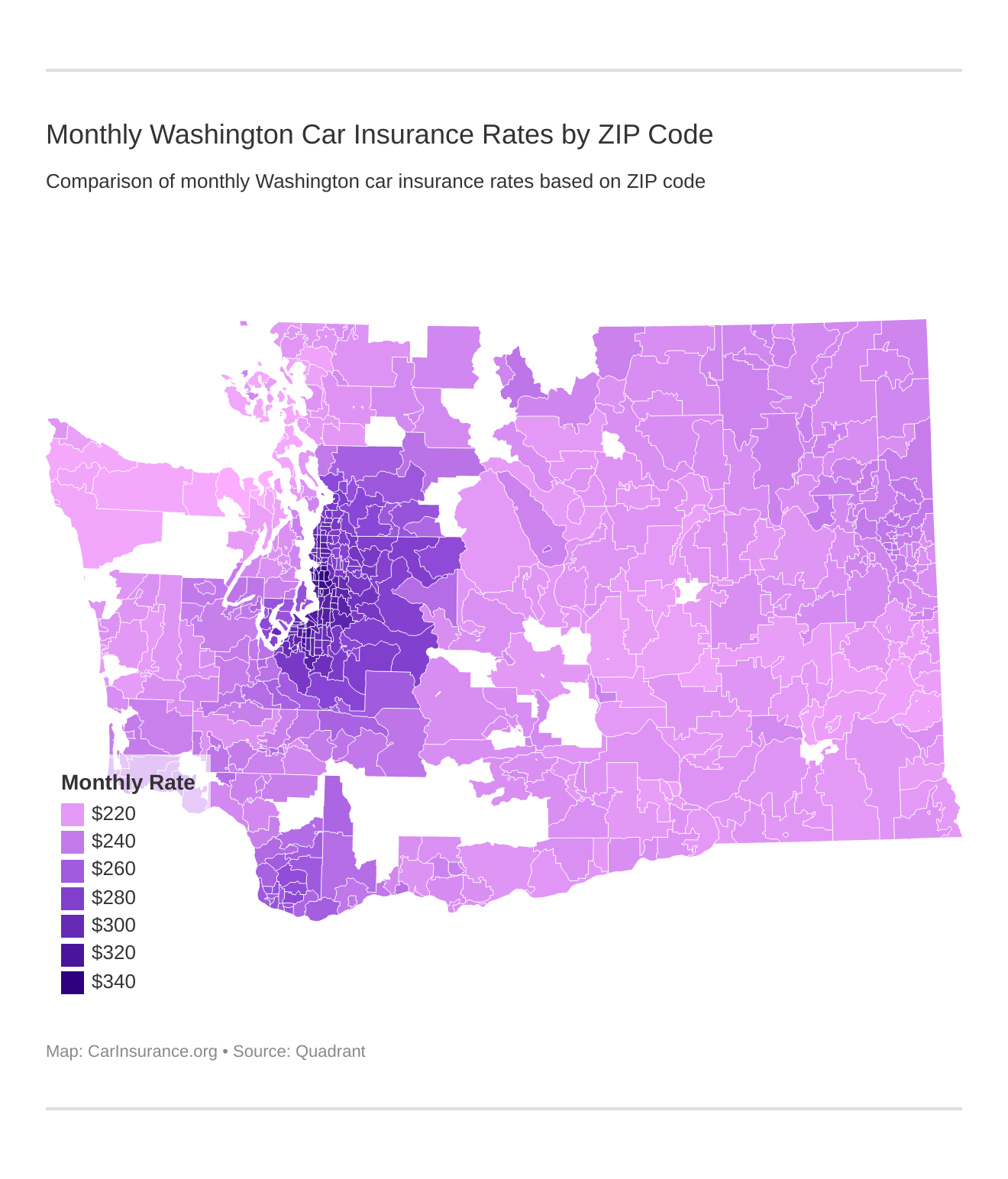
In Washington, the insurance landscape is governed by the Office of the Insurance Commissioner (OIC). As of 2026, the state imposes specific requirements on how auto insurance premiums are calculated. Amica’s underwriting process in Washington accounts for variables permitted under state law, such as driving history, vehicle type, and garaging address. Because Washington is a high-traffic state with varying environmental risks—ranging from the urban density of Seattle and Bellevue to the rural expanses of Eastern Washington—Amica’s quoting system uses sophisticated geospatial data to estimate your specific risk profile.
Prerequisites for Your Insurance Quote
Before initiating the quoting process, you must gather essential documentation to ensure the accuracy of your premium estimate. Providing incorrect information can lead to discrepancies between your initial quote and your final premium offer, or it may result in a policy cancellation if the application is based on misrepresented facts.
- Driver Information: You will need the legal names, dates of birth, and driver’s license numbers for every person in your household who will be listed on the policy. Amica will pull Motor Vehicle Reports (MVR) to verify your history of accidents, traffic violations, and insurance claims.
- Vehicle Details: Have the Vehicle Identification Number (VIN) for each car you intend to insure. If you do not have the VIN, you will need the exact year, make, and model, along with the approximate annual mileage and the primary use of the vehicle (e.g., commuting to work, pleasure, or business).
- Current Insurance Status: Information regarding your current or most recent auto insurance policy, including coverage limits and the expiration date, is necessary. Maintaining continuous insurance coverage is a significant factor in insurance pricing; a lapse in coverage can negatively impact your quote.
- Residential Data: Your specific Washington address is vital. Insurance rates in Washington are highly sensitive to "garaging location." Living in a zip code with a higher frequency of vehicle theft or collision claims will naturally result in a different premium than living in a low-risk, rural area.
Step-by-Step Guide to the Quoting Process
The most efficient way to obtain an Amica quote in 2026 is via their official online portal. While phone consultations are available, the digital path provides an immediate look at how various coverage levels affect your bottom line.
Step 1: Initiation Navigate to the Amica website and select the auto insurance section. You will be prompted to enter your zip code. This allows the system to load the specific regulatory requirements and risk assessment models pertinent to Washington.
Step 2: Inputting Personal and Vehicle Data Follow the prompts to enter driver profiles and vehicle specifics. Be thorough when listing all household members of driving age, even if they have their own insurance. Amica will ask for "excluded driver" status if you wish to keep someone off your policy, but note that many states have strict rules regarding who must be listed.
Step 3: Selecting Coverage Levels This is the most critical stage. You will be asked to select your liability limits (Bodily Injury and Property Damage), as well as options for Collision and Comprehensive coverage. Washington state law requires minimum liability coverage, but you should evaluate whether your assets necessitate higher limits to protect against potential litigation.
Step 4: Reviewing Discounts and Credits Amica is known for offering various discounts. During the quoting process, the system will often ask if you bundle home or renters insurance, if you have a safety feature on your vehicle (like anti-theft devices), or if you are eligible for a loyalty discount. Always verify these, as they represent the most effective way to lower your premium.
Step 5: Finalization and Verification Once the information is submitted, the system will generate a quote. If you choose to proceed, Amica will perform a final verification of your data. This may involve a "soft pull" of your credit report (where permitted by Washington law and applicable regulations) to determine your insurance-based credit score, which is a major factor in premium calculation for many carriers.
Comparative Analysis of Coverage Options
When requesting your quote, you are not just shopping for a price; you are selecting a contract for financial protection. The following table summarizes the types of coverage you should consider during the quoting process to ensure your Washington auto policy is robust.
| Coverage Type | Purpose | Recommendation for WA |
|---|---|---|
| Liability (BI/PD) | Pays for injuries/damage you cause to others. | Increase limits above state minimum. |
| Collision | Pays to repair your car after an accident. | Keep if your vehicle has high market value. |
| Comprehensive | Pays for non-collision damage (theft, fire). | Essential for high-theft urban areas. |
| Uninsured Motorist | Protects you from drivers without insurance. | Highly recommended due to WA traffic density. |
| Rental Reimbursement | Covers rental car costs during repairs. | Useful if you are a single-vehicle household. |
Factors Affecting Your Washington Premium
Your premium is not a static number; it is a calculated reflection of risk. In Washington, several external and internal factors will cause your Amica quote to fluctuate compared to other states:
- Regional Traffic Density: Washington has specific urban hubs where traffic congestion increases the statistical probability of "fender benders." If you commute into the downtown Seattle or Tacoma corridors, your quote may be higher than someone living in the outskirts.
- Weather Patterns: Western Washington experiences significant rainfall and associated road hazards, while Eastern Washington experiences winter snow and ice. These regional differences influence how insurance companies calculate the risk of collision-based claims.
- Driving History: This remains the most significant predictor of your future risk. A clean record over the last three to five years is the best way to secure a competitive rate.
- Vehicle Safety Technology: Modern cars equipped with autonomous emergency braking, blind-spot monitoring, and lane-keep assist often qualify for lower premiums because they reduce the frequency and severity of accidents.
Common Mistakes to Avoid
When requesting an online quote, applicants often make errors that lead to inaccurate premiums or coverage gaps:
- Underestimating Annual Mileage: Providing a low mileage estimate when you drive extensively can lead to a policy review and a price hike later. Always be realistic.
- Neglecting Household Members: Failing to disclose all licensed drivers in the household is a common error. Insurance companies may deny claims if an unlisted driver was operating the vehicle at the time of an incident.
- Choosing Minimum Liability: Washington requires liability coverage, but purchasing only the bare minimum often leaves the policyholder exposed to massive personal financial loss in the event of a significant accident.
- Skipping "Gap Insurance" Coverage: If you are leasing or have a loan on a vehicle, your standard collision coverage might not pay the full "gap" if your car is totaled and the settlement is less than your remaining loan balance. Check if Amica’s loan/lease payoff coverage is included in your quote.
Troubleshooting Your Quote
If you find that the Amica quote is significantly higher than expected, consider these troubleshooting steps:
- Review Your Data: Return to the quoting tool and verify that all entries—especially your driver’s license number and vehicle VIN—were entered correctly. A single transposed digit can alter your insurance score.
- Adjust Deductibles: If you want a lower monthly premium, consider raising your comprehensive and collision deductibles. However, ensure you have the emergency funds to cover the higher deductible if you must file a claim.
- Bundling Opportunities: If you have renters or homeowners insurance with another provider, ask for a quote to move those policies to Amica. The multi-policy discount is often substantial.
- Communication: If the online system provides a quote that seems incorrect based on your history, call the Amica customer service line. A representative can often manually review the risk factors and explain why certain charges are applied, or assist in correcting system errors.
Professional Guidance and Next Steps
Once you receive your quote, do not feel pressured to accept it immediately. Review the "Declarations Page" draft provided by the system. This document outlines exactly what is covered, the limits of your liability, and the costs associated with each line item.
For residents of Washington, it is prudent to compare this quote against at least one or two other major carriers to ensure the market rate aligns with your findings. When comparing, ensure you are comparing "apples to apples"—use the exact same coverage limits and deductibles for each quote. If Amica remains competitive and you value their reputation for claims handling, proceed to the application phase. You will typically be required to pay an initial installment to activate the policy.
Finally, keep a copy of your finalized quote documentation. Insurance policies are legal contracts; having a record of the information you provided and the coverage you selected is vital for your financial records. If you are satisfied with the terms, finalize the policy and ensure you receive an insurance identification card for your glovebox, as required by Washington state law for every vehicle you operate on public roads.
Frequently Asked Questions
Does Amica offer specific discounts for Washington residents? Yes, Amica offers various discounts including multi-policy, multi-vehicle, and "safe driver" discounts. Additionally, in 2026, many carriers offer telematics programs that track driving habits via a mobile app, which can lead to further premium reductions for safe driving in Washington.
Can I get a quote from Amica if I have a history of accidents? Yes, you can still obtain a quote. However, your premium will be adjusted to reflect the increased risk associated with your driving history. It is essential to be honest about your history during the quoting process to ensure the policy is valid.
How does my credit score affect my Amica quote in Washington? Washington state has specific regulations regarding the use of credit-based insurance scores. Amica, like other insurers, may use your credit information as one factor in determining your premium, provided it aligns with current Washington state laws and OIC guidelines.
Is it better to call or use the website for an Amica quote? The website is faster and allows you to toggle different coverage options to see how they affect the price in real-time. However, if your situation is complex—such as having a high-value vehicle or multiple drivers with mixed histories—a phone call with an Amica representative can provide more personalized guidance.
What happens if my Washington license is new? If you have recently moved to Washington and are transitioning your license from another state, inform the representative during the quoting process. Some insurers offer "tenure" credit if you have had continuous insurance coverage, even if it was in a different state.