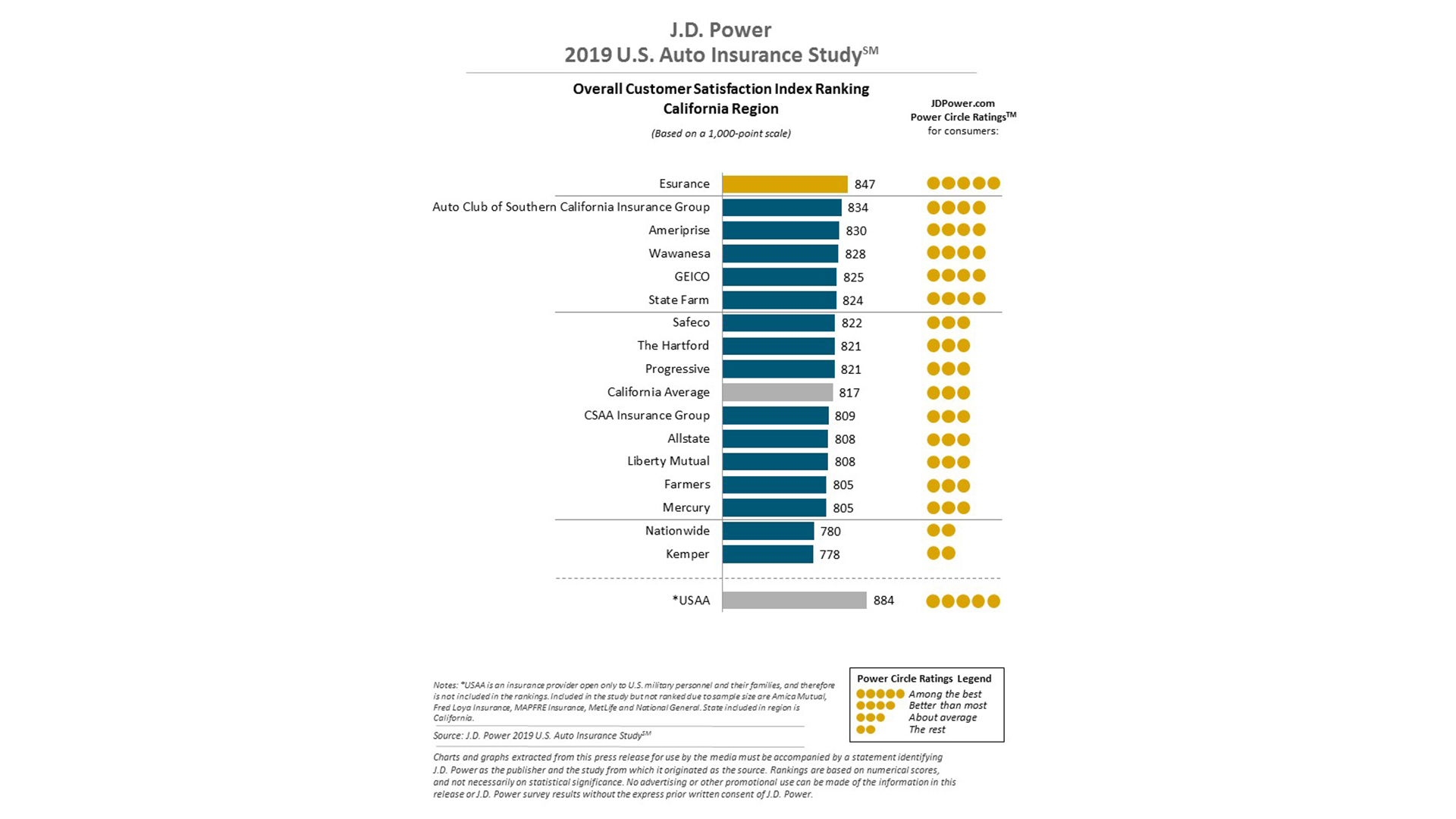
Amica Mutual Insurance consistently ranks among the top providers in the United States, frequently earning high marks for customer satisfaction, claims handling, and financial stability. These rankings are derived from multi-year data sets analyzing policyholder experience, J.D. Power studies, and credit rating agency assessments, positioning Amica as a premium service provider rather than a discount-focused carrier.
The Methodology Behind Insurance Rankings
When analyzing the "ranking" of an insurance company like Amica, it is essential to distinguish between the different types of benchmarks used in the industry. Insurance carriers are evaluated through three primary lenses: consumer experience, financial claims-paying ability, and policy value.
Consumer experience rankings, such as those published annually by J.D. Power, focus on qualitative metrics. These include the ease of the initial quote process, the transparency of billing, the accessibility of customer service representatives, and the friction associated with filing a claim. Amica has historically occupied the upper tier in these surveys, often cited for its longevity in customer retention and its focus on a "mutual" business structure—meaning the company is owned by policyholders rather than public shareholders.
Financial strength rankings are determined by independent agencies such as AM Best, Moody’s, and S&P Global Ratings. These agencies analyze a carrier’s balance sheet, liquidity, and ability to fulfill long-term obligations to policyholders. Amica typically maintains "Superior" financial strength ratings, which serves as a critical indicator for consumers concerned about whether the company will have the capital to pay out large, unexpected claims following catastrophic weather events or major accidents.
Evaluating Amica’s Market Position in 2026
As of 2026, Amica remains a specialized player in the personal lines market. Unlike massive national carriers that prioritize massive market share and aggressive advertising, Amica’s strategic position is built on selectivity and service quality. This reflects in their ranking; while they may not be the largest insurer by direct written premiums, they often rank higher in "customer loyalty" metrics.
For the prospective policyholder, understanding where Amica ranks relative to other top-tier carriers requires looking at the specific segments in which they compete. For instance, in regions prone to high natural disaster risk, Amica’s stringent underwriting guidelines might result in fewer policies written, which impacts their "size-based" rankings but enhances their "stability-based" rankings.
Comparative Analysis of Key Performance Metrics
To make an informed decision, consumers should compare how Amica stacks up against other major competitors. The table below outlines the general categories in which Amica is typically evaluated by industry analysts and consumer advocates.
| Metric Category | Amica's General Positioning | Primary Driver |
|---|---|---|
| Customer Satisfaction | Industry-Leading | Tenure-based service model |
| Claims Processing | Highly Rated | Dedicated claims adjusters |
| Financial Stability | A+ (Superior) | Conservative investment strategy |
| Premium Pricing | Mid-to-High | Focus on preferred-risk drivers |
| Digital Capability | Moderate to High | Integrated mobile app and portal |
The Impact of Mutual Ownership on Service
One of the most unique aspects of Amica’s ranking profile is its status as a mutual insurance company. This structure is rare in the modern landscape, where most top-tier insurers are stock companies accountable to Wall Street. Because Amica does not have to generate quarterly dividends for public investors, it can theoretically reallocate surplus revenue toward enhancing the claims process or maintaining lower rate volatility over the long term.
This influences the "ranking" by skewing results in favor of service speed. In the context of 2026, policyholders who prioritize a frictionless, human-centric claims experience often rank Amica higher than those who prioritize the lowest possible premium. The trade-off is that Amica’s underwriting is often more rigid; they are less likely to accept high-risk drivers, which helps keep their loss ratios—and therefore their rates—stable.
Financial Strength and Reliability
Financial ratings are not merely academic; they are a safety indicator. When you select an insurance carrier, you are purchasing a promise of future protection. The rating agencies assess a company’s risk management, looking at how well they diversify their portfolio and their historical performance during periods of economic instability.
Amica’s consistent high-tier rankings from AM Best are built upon a foundation of conservative capital management. For the policyholder, this means that even during years with high regional claim volumes, the company is unlikely to face liquidity issues. When you look at rankings, prioritize "financial stability" ratings if you are considering long-term coverage, as this ensures your policy remains backed by a secure entity regardless of external market pressures.
Understanding the Limitations of "Rankings"
It is crucial for consumers to recognize that no single ranking system is universal. A company might rank #1 for "customer satisfaction" but rank lower for "price competitiveness." Furthermore, rankings are often aggregated at the national level, whereas insurance is regulated at the state level.
The "ranking" of Amica in Massachusetts or Rhode Island, where they hold significant market density, may differ from their standing in a newer market. Local insurance departments often publish complaint ratios—a data point that is far more granular and useful than a generalized ranking. Before basing a purchase decision solely on a national study, verify that the carrier is competitive within your specific state’s regulatory environment.
Common Misconceptions Regarding Insurance Rankings
A frequent mistake is assuming that the highest-ranked company is the most affordable. In the insurance industry, there is often an inverse correlation between premium cost and service ranking. Carriers that rank at the top for service and claims satisfaction must fund those operations through their premium structures.
Another misconception is that rankings are static. While Amica’s financial rating is historically stable, customer service scores can fluctuate based on internal management changes, technological shifts, or even the volume of claims processed in a single year. Always look for the most recent data (within the last 24 months) when assessing a carrier's standing.
Frequently Asked Questions
Does a high ranking guarantee that I will get the lowest rate? No. High-ranking carriers like Amica often prioritize service and risk selection, which can lead to higher premiums compared to carriers that focus on high-volume, low-cost "minimum coverage" policies. You are paying for the service model, not necessarily the cheapest path to legality.
How often are these rankings updated? Most financial strength ratings are updated annually, while customer satisfaction studies, such as those from J.D. Power, are typically refreshed on an annual cycle. Always check the publication date of any report you are using to make a decision.
Why does Amica sometimes have fewer local offices than competitors? Amica operates a centralized, direct-to-consumer model. By reducing the overhead associated with massive physical footprints, they manage operational costs, which supports their financial stability. Most claims and service interactions are handled through their regional centers rather than local storefronts.
Are these rankings specific to auto insurance, or all insurance types? Rankings vary by product line. A company may be a leader in homeowners insurance but mid-tier in auto. Always verify that the ranking data pertains specifically to "personal auto" to ensure the information is relevant to your needs.
How can I verify the financial stability of my specific insurer in 2026? You can visit the websites of the major rating agencies (AM Best, Moody's, or S&P) or consult your state’s department of insurance website. Most states provide an annual report on licensed insurers that includes complaint indices and financial summaries.
Next Steps for Choosing Your Coverage
To determine if Amica is the right fit for your situation, you should not rely exclusively on public rankings. Instead, initiate a personalized assessment:
- Obtain a Quote: Get a quote from Amica and at least two other top-rated competitors to compare real-world premium differences based on your specific driving record and vehicle.
- Review the Complaint Index: Visit your state's Department of Insurance website to view the company’s complaint ratio compared to the state average. This is the most accurate indicator of local service performance.
- Check Coverage Customization: Ensure the policy offered meets your specific risk profile. A high-ranking company is only beneficial if they offer the specific endorsements, such as gap insurance or accident forgiveness, that you require.
- Confirm Availability: Verify that the policy options offered to you in 2026 align with your long-term budget, as the benefits of a high-ranking, stable company are best realized over a multi-year relationship.
By combining broad industry rankings with your own state-specific data and personalized quotes, you can move beyond the marketing headlines and make a selection that provides both financial security and reliable service.