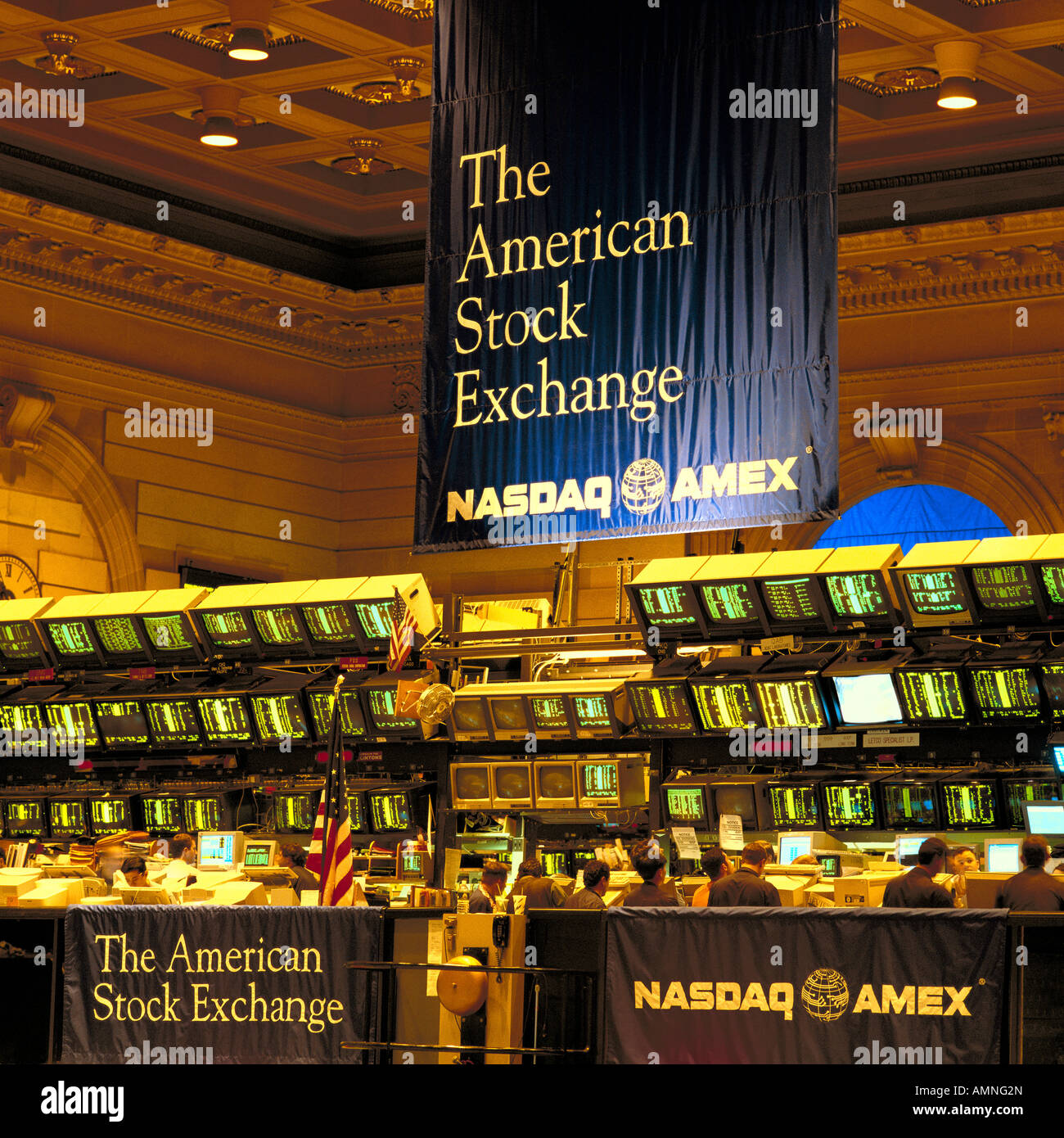
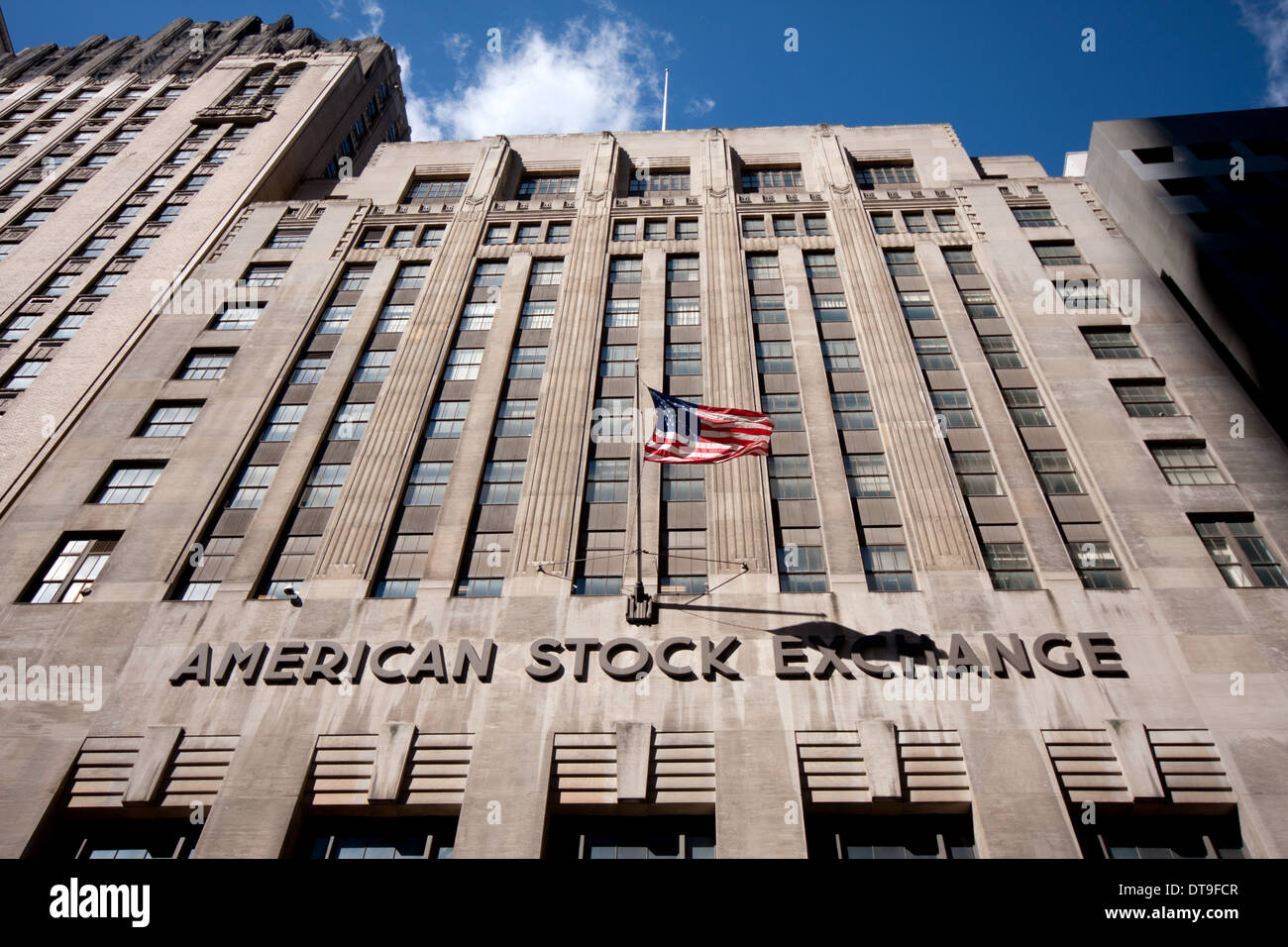
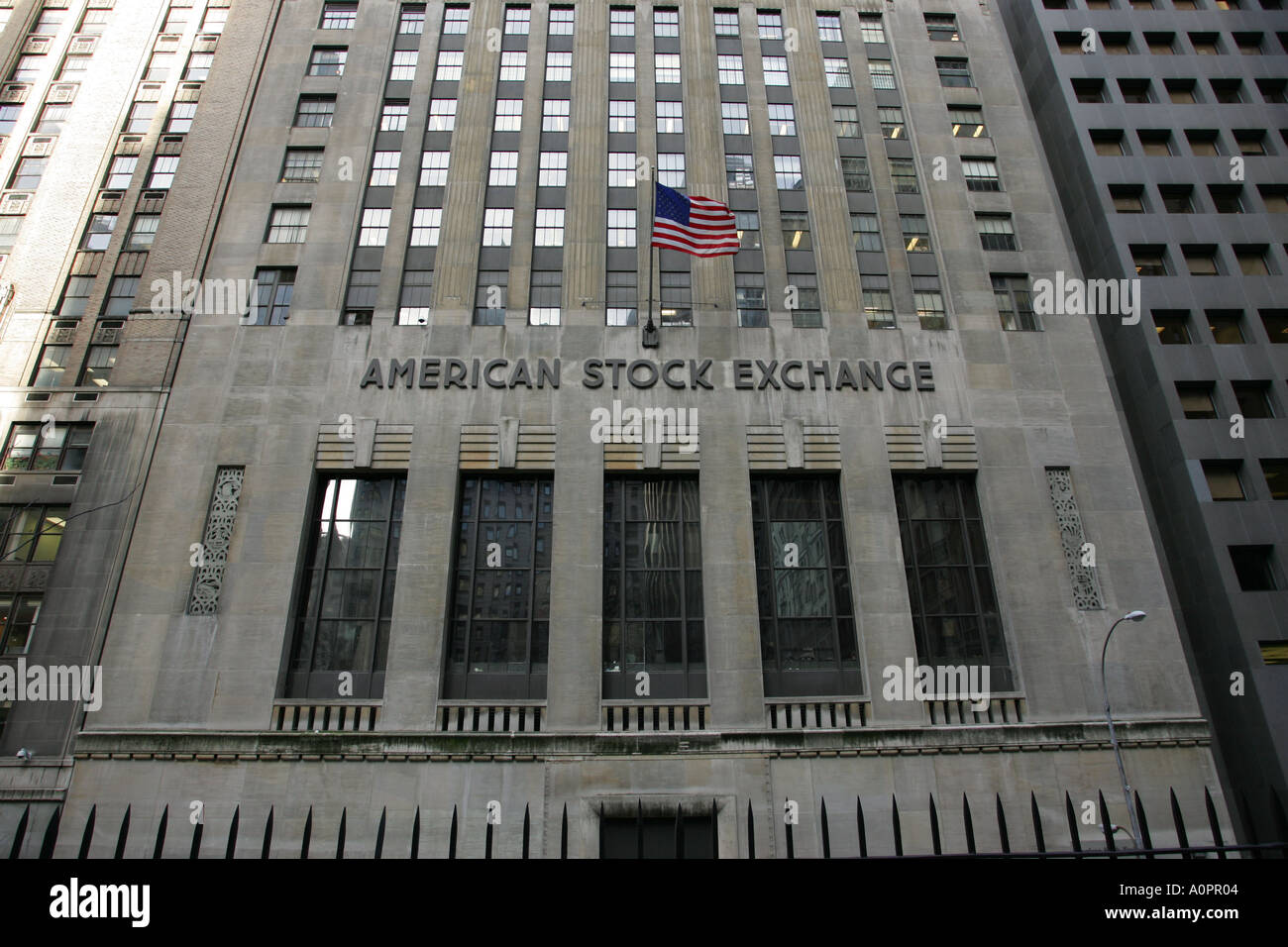
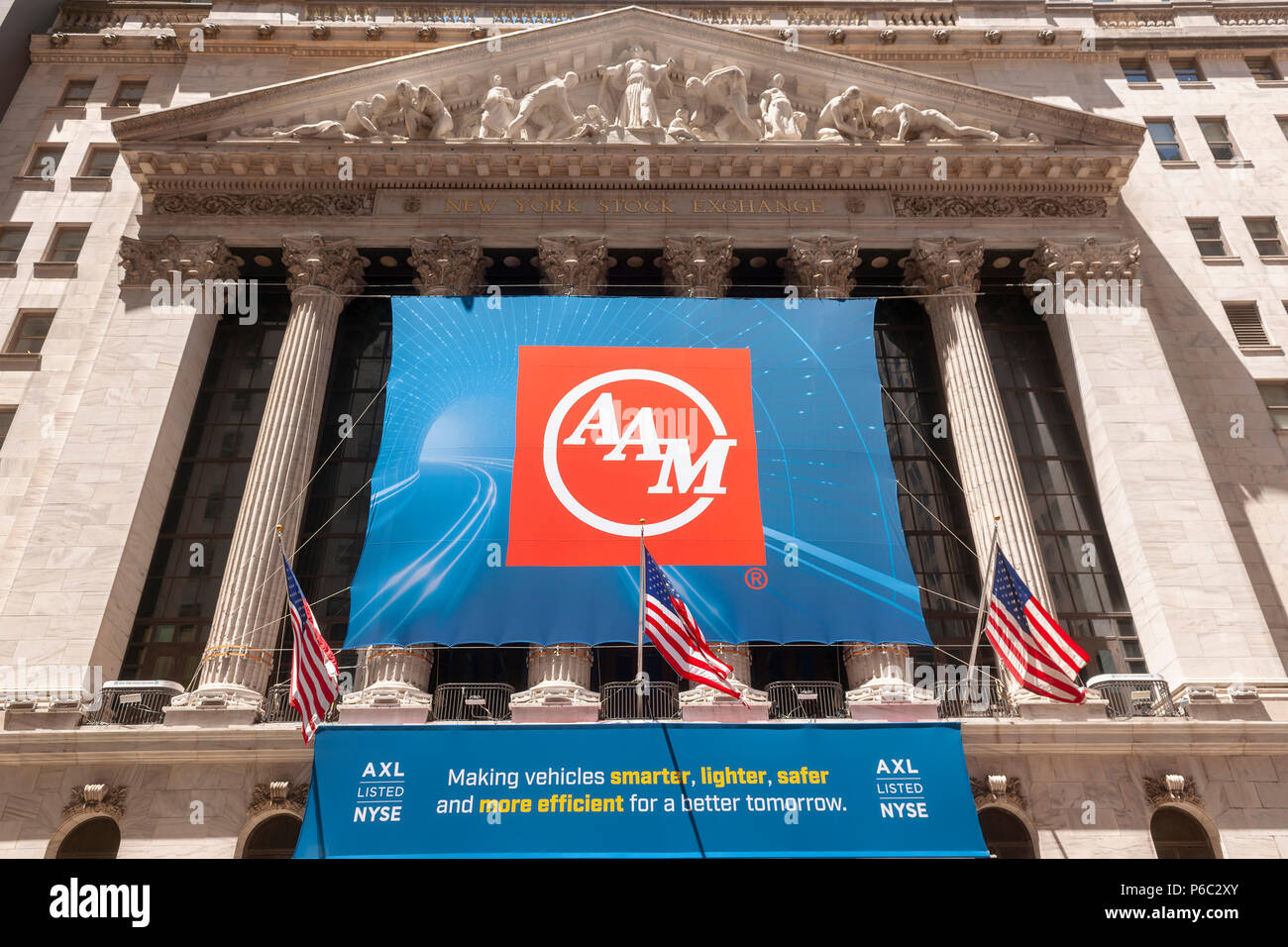
American exchanges are organized, regulated marketplaces where securities, commodities, derivatives, and other financial instruments are traded. These platforms, primarily the New York Stock Exchange (NYSE) and Nasdaq, facilitate capital formation and provide liquidity, operating under the strict oversight of the Securities and Exchange Commission (SEC) and the Commodity Futures Trading Commission (CFTC).
While the term "American exchanges" is occasionally used to describe the health insurance marketplaces established by the Affordable Care Act (ACA), it overwhelmingly refers to the financial centers that anchor the global economy. As of 2026, these financial institutions have evolved into sophisticated technology hubs, balancing high-frequency trading (HFT) with rigorous regulatory standards to ensure market integrity and investor protection.
The Landscape of American Financial Exchanges
The U.S. financial market is the most liquid and robust in the world, characterized by a mix of historic institutions and high-tech electronic venues. Understanding these exchanges requires distinguishing between the parent organizations that own them and the specific trading venues themselves.
The Big Three Exchange Operators
The majority of trading volume in the United States is controlled by three massive financial conglomerates. By 2026, these entities have further diversified their revenue streams, moving beyond simple transaction fees into data analytics and software services.
- Intercontinental Exchange (ICE): ICE owns the New York Stock Exchange (NYSE). The NYSE remains the world's largest stock exchange by market capitalization. It utilizes a "hybrid" model that combines electronic trading with human specialists (Designated Market Makers) on the physical floor at 11 Wall Street.
- Nasdaq, Inc.: Nasdaq was the world's first electronic stock market. Unlike the NYSE, it has no physical trading floor. It is the preferred home for many of the world’s largest technology companies and operates three distinct tiers of listing requirements: the Global Select Market, the Global Market, and the Capital Market.
- Cboe Global Markets: Originally the Chicago Board Options Exchange, Cboe has expanded to become a major player in equities, FX, and derivatives. It is particularly famous for the VIX (Volatility Index), often called the "fear gauge" of the market.
Alternative Venues and Dark Pools
Beyond the primary listing exchanges, the U.S. market includes "lit" venues like IEX (Investors Exchange), which focuses on protecting investors from certain HFT strategies through a physical "speed bump." There are also numerous "dark pools"—private exchanges operated by large banks where institutional investors trade large blocks of shares without revealing their intentions to the public until the trade is completed.
Regulatory Oversight and the Role of the SEC
The stability of American exchanges is maintained through a complex web of federal regulation and self-regulatory organizations (SROs). In 2026, the regulatory focus has shifted toward the transparency of complex algorithmic trading and the final implementation of the Consolidated Audit Trail (CAT).
The Securities and Exchange Commission (SEC)
The SEC is the primary federal regulator. Its mission is to protect investors, maintain fair, orderly, and efficient markets, and facilitate capital formation. Under the Securities Exchange Act of 1934, the SEC has the authority to register, regulate, and oversee brokerage firms, transfer agents, and clearing agencies as well as the exchanges themselves.
Financial Industry Regulatory Authority (FINRA)
While the SEC is a government agency, FINRA is a government-authorized not-for-profit organization that oversees U.S. broker-dealers. FINRA writes and enforces rules, examines firms for compliance, and fosters market transparency.
The Commodity Futures Trading Commission (CFTC)
For American exchanges dealing in futures, options, and swaps—such as the CME Group (Chicago Mercantile Exchange)—the CFTC is the governing body. It ensures that the commodities markets operate without fraud or manipulation, which is critical for price discovery in everything from oil to agricultural products.
Listing Requirements for Issuers
For a company to have its stock traded on an American exchange, it must meet stringent financial and corporate governance standards. These requirements ensure that only companies with a certain level of stability and transparency are available to the public.
| Feature | NYSE (Main Board) | Nasdaq Global Select |
|---|---|---|
| Minimum Shareholders | 2,200 total shareholders | 2,200 total shareholders |
| Market Value of Public Float | $100 million | $45 million |
| Pre-tax Earnings | $10 million (aggregate last 3 years) | $11 million (aggregate last 3 years) |
| Minimum Bid Price | $4.00 | $4.00 |
| Governance Standards | Majority independent board required | Majority independent board required |
| Annual Listing Fee | Varies by shares ($50k–$500k+) | Varies by shares ($50k–$175k+) |
Data reflect standard 2026 listing benchmarks; specific requirements may vary based on the "Standard" (Earnings, Capitalization, or Cash Flow) chosen by the issuer.
Market Microstructure: How Trades Are Executed
The technical process of buying or selling a stock on an American exchange happens in milliseconds. This is governed by Regulation NMS (National Market System), a set of rules passed by the SEC to modernize and strengthen the national markets.
The National Best Bid and Offer (NBBO)
Reg NMS requires brokers to execute trades at the best available price across all exchanges. This is known as the NBBO. If the NYSE is showing a "bid" (buy price) of $100.01 and Nasdaq is showing $100.02, a market order to sell must be routed to Nasdaq to ensure the investor gets the highest possible price.
The Securities Information Processor (SIP)
To keep the NBBO updated, all exchanges feed their data into the SIP. The SIP consolidates all bid/ask quotes and trades into a single data stream. In 2026, technology upgrades have reduced SIP latency to the microsecond level, though "direct feeds" from the exchanges remain faster and are used by high-frequency traders.
Order Types and Matching Engines
Modern exchanges use "matching engines"—powerful software located in data centers (primarily in New Jersey)—to pair buyers and sellers. Traders use various order types to manage risk:
- Market Orders: Executed immediately at the current market price.
- Limit Orders: Executed only at a specific price or better.
- Stop Orders: Becomes a market order once a certain price level is reached.
Specialized Exchanges: Options and Futures
American exchanges are not limited to equities. The U.S. leads the world in derivatives trading through specialized venues.
The CME Group
The CME Group is the world’s leading derivatives marketplace. It operates exchanges including the Chicago Mercantile Exchange, the Chicago Board of Trade, and the New York Mercantile Exchange. It is where global benchmarks for interest rates (SOFR), equity indices (S&P 500 futures), and commodities (WTI Crude Oil) are traded.
Options Clearing Corporation (OCC)
For the equity options market, the OCC serves as the central clearinghouse. It acts as the buyer to every seller and the seller to every buyer, guaranteeing the performance of every contract traded on U.S. options exchanges like Cboe or NYSE Arca. This system prevents systemic collapse if one party fails to meet their financial obligations.
2026 Trends: Retail Participation and Digital Assets
The landscape of American exchanges continues to shift due to technological democratization and the integration of digital assets.
The Rise of the Retail Investor
The 2020s saw a massive surge in retail participation, driven by zero-commission trading and mobile apps. American exchanges have responded by introducing "fractional share" trading and extended-hours sessions. By 2026, the traditional 9:30 AM to 4:00 PM EST trading window is increasingly seen as a relic, with several exchanges moving toward 24/7 or near-24/7 operations for certain asset classes.
Digital Asset Integration
As of 2026, the line between traditional stock exchanges and cryptocurrency exchanges has blurred. The approval of various spot crypto ETFs and the implementation of the SEC’s "SAB 121" revisions allowed major exchanges to offer custodial services and integrated trading for tokenized real-world assets (RWAs). This allows investors to trade traditional stocks and digital assets on the same regulated platform.
Health Insurance Exchanges: A Necessary Clarification
While less common in financial discussions, "American exchanges" can refer to the Health Insurance Marketplaces established under the Patient Protection and Affordable Care Act (ACA).
These are state or federally-run organizations that offer a choice of health insurance plans to individuals and small businesses. In 2026, these exchanges (such as Healthcare.gov or state-based equivalents like Covered California) serve as the primary vehicle for Americans to access subsidized health insurance, using a "metal tier" system (Bronze, Silver, Gold, Platinum) to categorize coverage levels and cost-sharing.
Common Mistakes When Dealing with American Exchanges
- Confusing Listing vs. Trading: A stock might be listed on the NYSE, but it can be traded on any of the 16+ regulated U.S. exchanges or dozens of dark pools.
- Ignoring Settlement Times: In 2024, the U.S. moved to T+1 settlement, meaning trades settle one business day after the transaction. By 2026, discussions are ongoing regarding "T+0" (same-day) settlement, but T+1 remains the current standard.
- Misunderstanding After-Hours Liquidity: While trading is available before the open and after the close, liquidity is much lower. This leads to wider "spreads" (the difference between the buy and sell price), which can result in significant slippage for retail orders.
FAQs about American Exchanges
What are the main hours for American stock exchanges?
The primary trading session for the NYSE and Nasdaq is Monday through Friday, 9:30 AM to 4:00 PM Eastern Time (ET). However, "pre-market" trading typically begins as early as 4:00 AM ET, and "after-hours" trading continues until 8:00 PM ET. These extended sessions are mostly electronic and often have lower liquidity and higher volatility.
How do I know which exchange a stock is on?
You can identify a stock's primary exchange by its ticker symbol or by looking at its official listing page. Historically, NYSE tickers were 1–3 letters (e.g., F for Ford), while Nasdaq tickers were 4 letters (e.g., AAPL for Apple). However, these rules have relaxed, and companies now frequently switch exchanges while keeping their ticker symbols.
What is the difference between a broker and an exchange?
An exchange is the actual marketplace where trades happen (like the NYSE). A broker (like Fidelity, Charles Schwab, or Robinhood) is the intermediary that provides you access to that marketplace. Most retail investors cannot trade directly on an exchange; they must send their orders through a registered broker-dealer.
Are American exchanges safe from hacking?
American exchanges are considered "critical infrastructure" and are subject to Regulation Systems Compliance and Integrity (Reg SCI). This requires them to have robust cybersecurity, high-level redundancy, and disaster recovery plans. While no system is perfectly immune, the layers of regulation and oversight make them among the most secure digital environments in the world.
What is a "Circuit Breaker" on an exchange?
Market-wide circuit breakers are safeguards that temporarily halt trading during periods of extreme volatility. In the U.S., these are triggered by significant drops in the S&P 500 index. A 7% drop triggers a Level 1 halt (15 minutes), a 13% drop triggers a Level 2 halt (15 minutes), and a 20% drop triggers a Level 3 halt, which stops trading for the remainder of the day.
Final Recommendation for Investors
When navigating American exchanges, the most critical step for an individual or institutional participant is to ensure they are using a SEC-registered broker-dealer. For those looking to list a company or trade complex derivatives, understanding the specific financial and regulatory nuances of each venue—such as the difference between the CME's futures contracts and the NYSE's equity listings—is essential. Stay informed on the evolving T+1 settlement rules and the impact of the Consolidated Audit Trail on market transparency to ensure your trading strategies remain compliant and efficient in the 2026 market environment.