Finding reliable, continuous care for a pet requires evaluating facility operations, staffing models, and safety protocols to ensure a dog remains secure, healthy, and comfortable at all hours of the day and night.
Navigating pet care options when managing irregular work hours, sudden travel, or unexpected emergencies requires finding facilities that operate beyond standard business hours. Unlike traditional kennels that lock their doors overnight, true round-the-clock pet care facilities maintain active operations and continuous supervision. Understanding how these specialized facilities function helps pet owners make informed decisions that protect their animal's physical and emotional well-being. Evaluating these services involves examining staffing structures, veterinary access, facility design, pricing models, and specific admission criteria.
1. Continuous Supervision and Overnight Staffing Models
The primary distinction of round-the-clock pet care facilities is that someone is physically present with the animals at all hours. However, staffing models vary significantly across the industry, requiring pet owners to ask targeted questions during facility tours.
Understanding Night Shift Operations
During daylight hours, facilities typically maintain high staff-to-dog ratios to manage group play and facility maintenance. Overnight, the operational focus shifts from active stimulation to security, monitoring, and rest. A truly continuous care facility will have awake, alert staff members on-site throughout the night hours—not merely a remote manager sleeping in an off-site apartment or relying solely on automated security cameras.
Pet owners should specifically inquire about:
- The exact number of personnel on duty between 10:00 PM and 6:00 AM.
- Whether overnight staff members are certified in pet first aid and cardiopulmonary resuscitation (CPR).
- The protocol staff must follow if a dog shows signs of distress, illness, or injury during the middle of the night.
Nighttime Environment and Rest Management
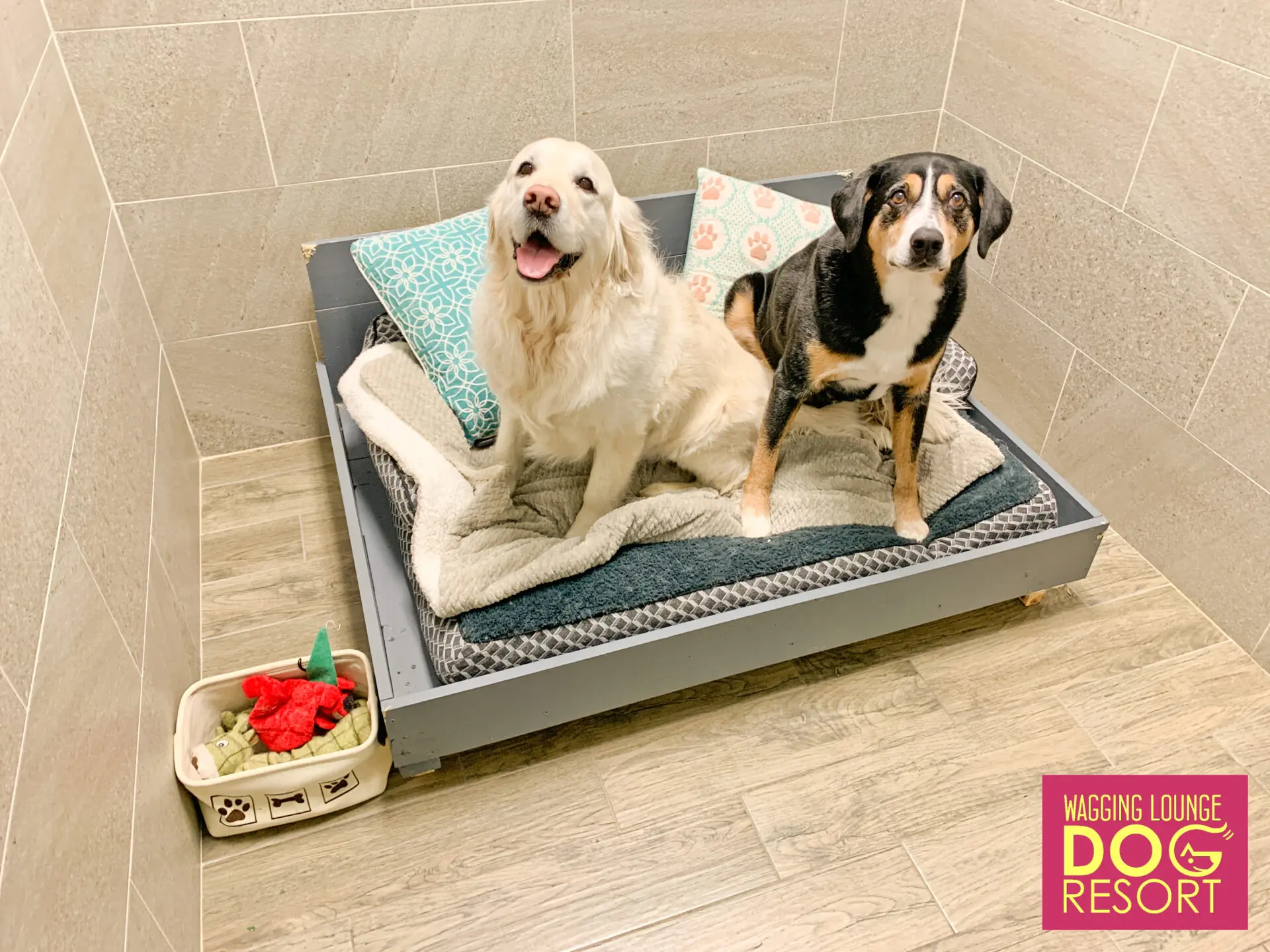
Continuous operations do not mean continuous noise and chaos. High-quality facilities recognize that dogs need predictable rest cycles to prevent stress-induced behavioral issues. Overnight lighting is typically dimmed, ambient noise is kept to a minimum, and individual sleeping quarters or crates are secured to prevent nighttime roaming or altercations between unfamiliar dogs.
2. Health, Safety, and Emergency Veterinary Access
When a facility cares for animals around the clock, medical emergencies can happen at any hour. The proximity and availability of veterinary care are critical factors that separate premium facilities from basic operations.
On-Call Versus On-Site Medical Protocols
Most boarding facilities do not have a veterinarian on staff 24 hours a day, but they should have explicit, pre-arranged protocols with 24-hour emergency veterinary hospitals in the local area. Owners must sign medical release forms upon admission, granting the facility authorization to seek emergency treatment up to a designated financial limit without immediate phone confirmation if seconds count.
Key medical safeguards to verify include:
- Written emergency action plans for incidents such as bloat, severe allergic reactions, lacerations, or heat exhaustion.
- Staff training standards for administering routine medications, insulin injections, or specialized supplements according to precise schedules.
- Isolation protocols for dogs that suddenly develop contagious illnesses like kennel cough or gastrointestinal distress during their stay.
Vaccination and Health Screening Prerequisite
Because these facilities house multiple dogs in a shared indoor-outdoor ecosystem, strict health screening is mandatory. Facilities operating continuously cannot afford outbreaks of preventable illnesses. Owners must provide up-to-date documentation for core vaccinations, which typically include Rabies, Distemper, Parvovirus, and Bordetella (kennel cough). Many facilities also require negative fecal exams to protect against internal parasites before accepting any animal into a group boarding arrangement.
3. Facility Design, Security, and Environmental Controls
The physical infrastructure of a round-the-clock operation must support heavy usage, hygiene maintenance, and absolute security to prevent escapes or unauthorized access during off-peak hours.
Climate Control and Air Quality
Maintaining a stable indoor climate is essential for animal safety. Facilities must feature robust HVAC systems capable of regulating temperature and humidity year-round. Furthermore, air exchange rates must be exceptionally high to prevent the buildup of ammonia and dander, reducing the risk of respiratory infections.
Double-Gate Security and Physical Barriers
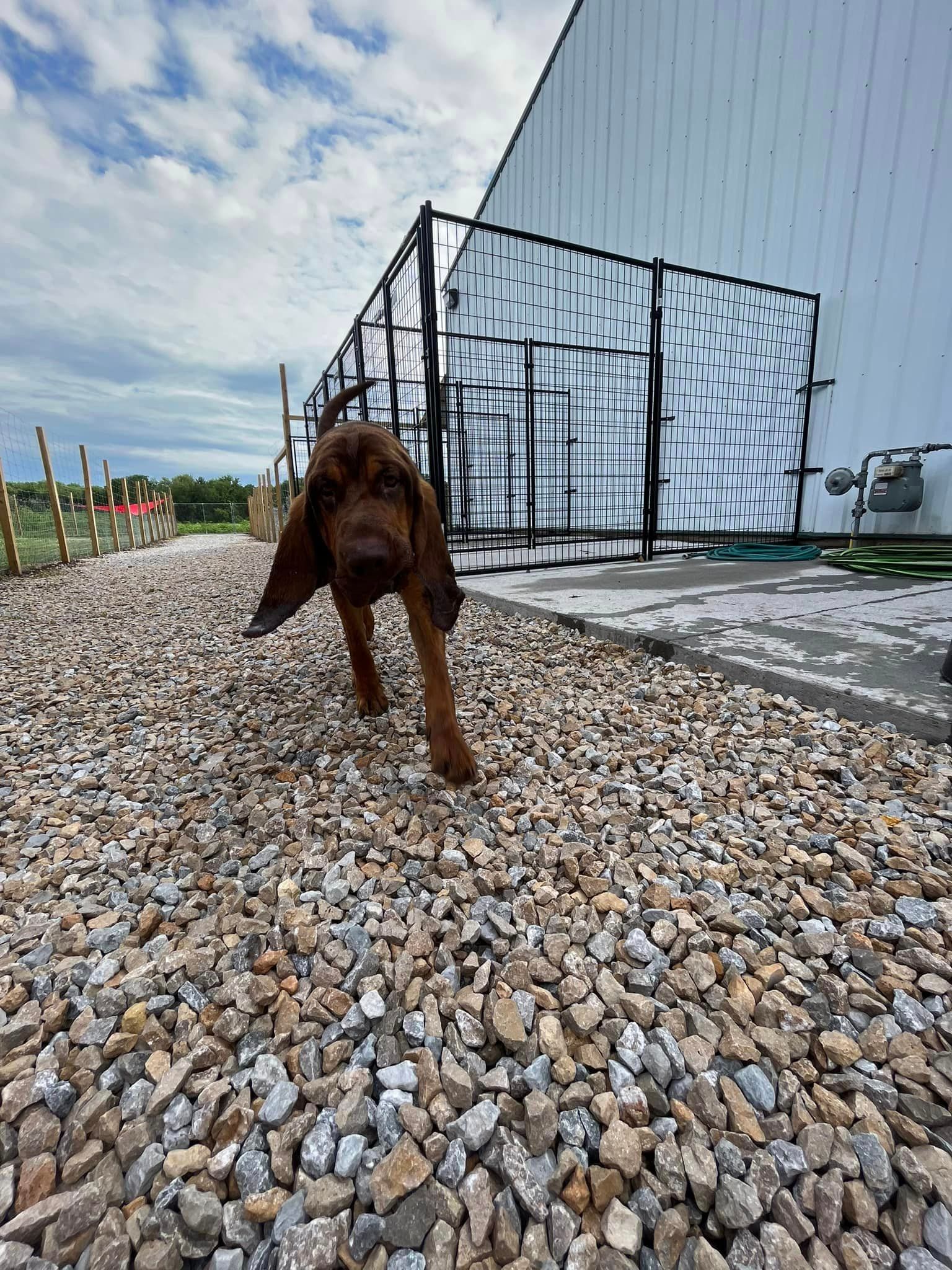
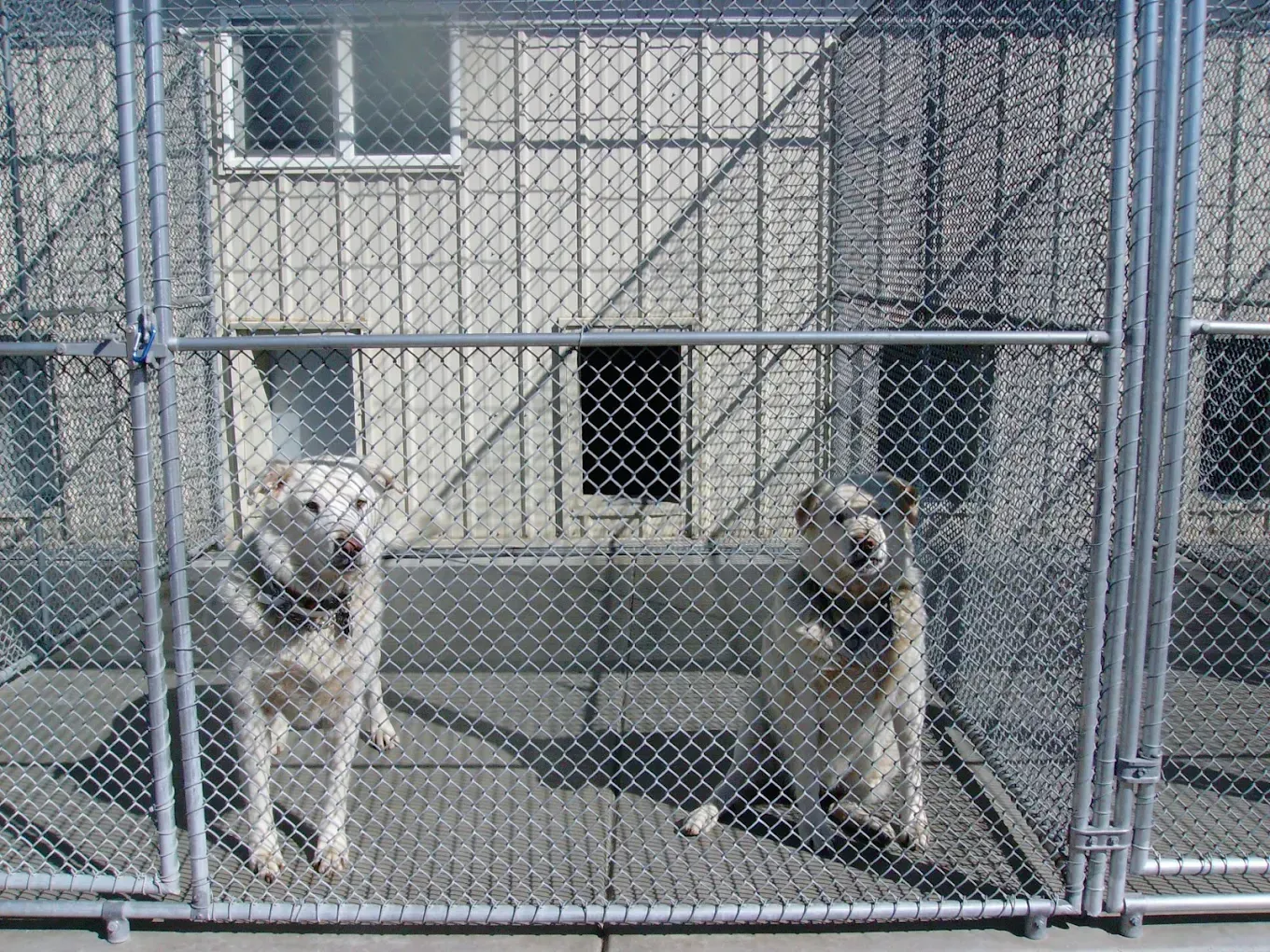
Security infrastructure must be fail-safe. Round-the-clock facilities utilize double-gated entry systems for play yards and building entrances to ensure that an adventurous dog cannot slip past an open door and escape onto nearby streets. Fencing must be high, deeply anchored into the ground to prevent digging, and constructed from materials that resist chewing and climbing.
| Facility Feature | Standard Boarding Kennel | 24/7 Supervised Boarding Facility |
|---|---|---|
| Nighttime Staffing | Facility locked; unattended overnight | Staff awake and on-site continuously |
| Emergency Response | Addressed during morning opening | Immediate, round-the-clock intervention |
| Check-in/Check-out | Restricted to standard business hours | Flexible, often available day or night |
| Medical Administration | Limited to daytime hours | Available across all shifts, including overnight |
4. Cost Structures and Billing Transparency
Round-the-clock care requires higher labor costs, premium insurance policies, and advanced facility maintenance, which directly influences pricing structures compared to traditional boarding kennels.
Understanding Rate Calculations
Pricing for continuous care is rarely a flat daily fee. Facilities often calculate costs based on a combination of factors:
- Base Boarding Rates: The daily fee covering basic lodging, feeding, and standard supervision.
- Extended Hour Surcharges: Additional fees for late pickups or early drop-offs that fall outside traditional operating windows.
- Medical Administration Fees: Nominal daily charges for dispensing prescription medications, eye drops, or specialized diets.
- Individual Play Add-ons: Extra costs if a dog requires solo play sessions rather than group play due to temperament or medical needs.
Hidden Fees and Cancellation Policies
Pet owners should review service contracts carefully to identify potential hidden costs. Peak travel seasons (such as major holidays and summer months) frequently incur surge pricing or require non-refundable deposits. Additionally, understanding the facility's policy on early pickups or delayed returns prevents unexpected billing disputes upon retrieval.
5. Trial Stays, Behavioral Assessments, and Adaptation
No matter how reputable a facility appears on paper, an animal's personal reaction to a new environment dictates whether round-the-clock boarding will be a positive experience or a source of chronic stress.
The Mandatory Temperament Test
Reputable facilities require every new dog to undergo a structured behavioral assessment before confirming a reservation. This evaluation typically lasts a few hours or an entire day, allowing staff to observe how the dog interacts with other animals, responds to handlers, and reacts to unfamiliar noises in a controlled environment. Dogs exhibiting severe aggression, extreme separation anxiety that cannot be managed safely, or excessive barrier frustration may not pass the screening for group boarding settings.
Conducting a Trial Overnight Stay
Before committing to a week-long vacation stay, pet owners should schedule a single-night trial stay. This allows the dog to experience the nighttime routine, unfamiliar sounds, and resting quarters while the owner is still accessible locally. A successful trial minimizes the shock of a longer separation and gives handlers valuable insight into the dog's unique sleep habits, dietary consistency under stress, and overall emotional adjustment.
Frequently Asked Questions
What happens if my dog refuses to eat while boarding?
Dogs frequently experience temporary decreases in appetite when introduced to unfamiliar environments due to mild stress. Facilities monitor daily food consumption closely. If a dog skips multiple meals, staff will typically attempt enticements approved by the owner—such as adding warm water, low-sodium chicken broth, or wet food—and contact the owner or emergency contact if the refusal persists.
Can I check in on my dog during overnight hours?
Policies vary widely by facility. Many modern operations provide access to live webcams in play areas, though these are often turned off or restricted in sleeping quarters overnight to protect privacy and ensure dogs are resting undisturbed. Some facilities have staff members who respond to text messages or emails around the clock, while others maintain strict quiet hours where digital updates are paused until morning.
Are older dogs or puppies appropriate for round-the-clock boarding?
Both age extremes require specialized care. Puppies may not have full vaccination protection or bladder control, requiring specialized handling and frequent nighttime breaks. Senior dogs may struggle with unfamiliar flooring, joint stiffness, or cognitive dysfunction syndrome, making it vital to confirm that the facility can accommodate senior-specific mobility aids and frequent medication schedules.
How far in advance should I book 24/7 dog boarding?
Because these specialized facilities often maintain smaller capacities to ensure high-quality individual care, they book up rapidly. For major holidays, school breaks, and summer weekends, reservations should be secured several months in advance. Regular clients often establish recurring schedules to guarantee ongoing access during peak travel periods.
Securing reliable continuous care for a companion animal requires careful verification of staffing credentials, medical protocols, physical security, and transparent pricing structures. By prioritizing facilities that maintain awake overnight personnel and rigorous health screenings, pet owners can travel with peace of mind knowing their animals remain safe and comfortable at every hour.