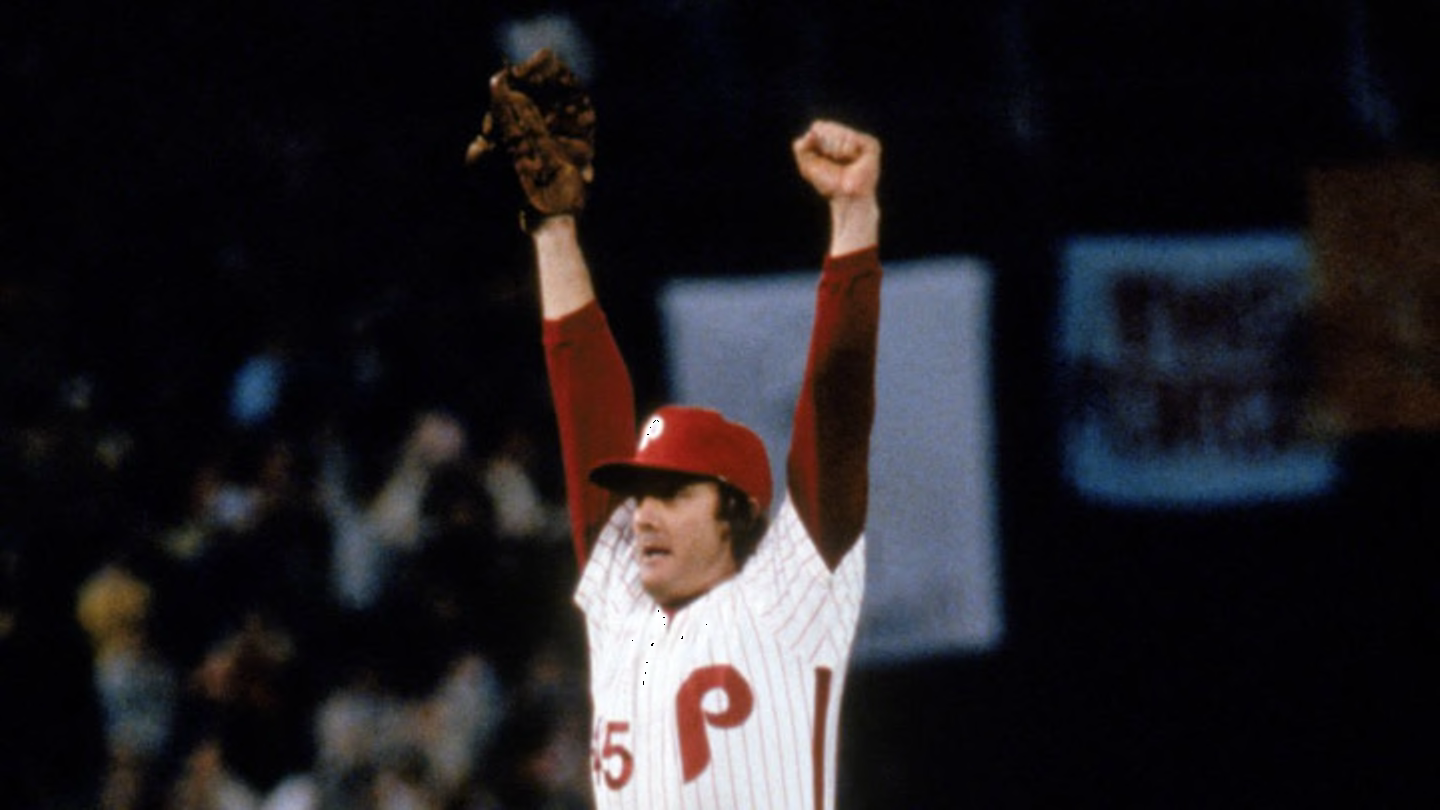
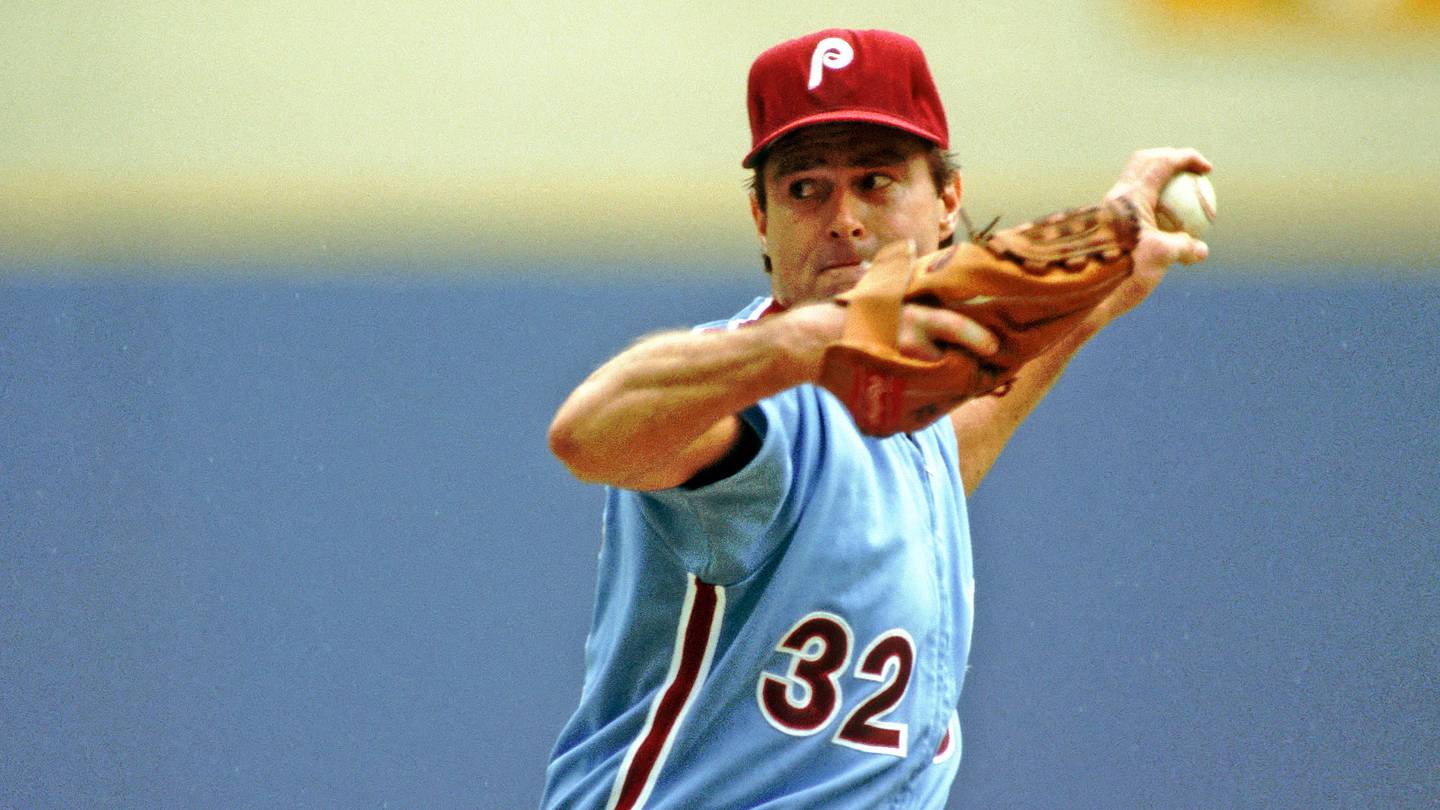
When evaluating the history of the Philadelphia Phillies, defining the five best pitchers of all time requires balancing dominant peak performance, career longevity, franchise impact, and historical context. From the early days of dead-ball era aces to modern-day October heroes, the franchise has witnessed extraordinary pitching talents who shaped baseball history.
Evaluating pitching greatness in Major League Baseball involves examining a blend of traditional metrics such as wins, strikeouts, and earned run average (ERA), alongside advanced analytical measurements like Wins Above Replacement (WAR), adjusted ERA (ERA+), and high-leverage postseason performance. The Philadelphia Phillies, founded in 1883, possess a rich legacy spanning well over a century. Pinpointing the absolute best arms to ever wear the red pinstripes demands a thorough examination of their historical statistical dominance, era-adjusted value, and enduring legacy within the organization and the city of Philadelphia.
1. Steve Carlton: The Undisputed Standard of Phillies Pitching
No conversation about the greatest pitchers in Philadelphia Phillies history can begin anywhere other than with Steve Carlton. Nicknamed "Lefty," Carlton is not only the premier left-handed pitcher in franchise history but also one of the greatest arms to ever play Major League Baseball. Acquired via a trade from the St. Louis Cardinals in April 1972, Carlton walked into a dismal Phillies team and immediately put together one of the most astonishing individual seasons in modern baseball history.
The Historic 1972 Season
During the 1972 campaign, Carlton achieved a feat that modern pitchers will likely never replicate: he won 27 games for a team that only won 59 games all year. This meant Carlton accounted for an incredible 45.8% of his team's total victories. He posted a 1.97 ERA, pitched 30 complete games, and struck out 310 batters in 346.3 innings. For his supernatural efforts, he won the first of his four National League Cy Young Awards with Philadelphia, capturing the pitching Triple Crown in the process.
Career Legacy and Franchise Records
Carlton spent 15 seasons in Philadelphia, compiling a record of 241-161 with a 3.09 ERA and 3,031 strikeouts in a Phillies uniform. He was the anchor of the pitching staff that led the franchise to its first-ever World Series title in 1980, adding another NL Cy Young Award that season, followed by consecutive awards in 1982 and 1984.
- Total Wins with Phillies: 241 (Franchise Record)
- Strikeouts with Phillies: 3,031 (Franchise Record)
- Cy Young Awards (with franchise): 4
- Hall of Fame Induction: 1994 (First Ballot)
Carlton’s devastating slider, paired with a blazing fastball and unmatched durability, made him a nightmare for opposing hitters. His work ethic and dedication to physical conditioning—pioneering martial arts training for baseball pitchers—extended his peak and solidified his status as the gold standard for Philadelphia hurlers.
2. Robin Roberts: The Workhorse of the Whiz Kids
Before Steve Carlton rewrote the record books in the 1970s and 1980s, Robin Roberts was the undisputed king of the mound for the Philadelphia Phillies. Arriving in the majors in 1948, Roberts became the face of the "Whiz Kids," the young, exciting Phillies team that captured the National League pennant in 1950.
Unmatched Durability and Volume
Roberts represents an entirely different era of baseball, one where starting pitchers routinely completed what they started and threw massive pitch counts without missing a beat. From 1950 through 1955, Roberts reeled off six consecutive seasons of 20 or more wins, leading the National League in victories four straight times (1952–1955).
During that six-year peak, Roberts averaged:
- 330 innings pitched per season
- 28 complete games per season
- An ERA consistently hovering around the mid-to-low 3.00s in a high-offensive era
His durability is legendary. In 1953, he pitched 336.2 innings and walked only 37 batters, showcasing elite control that complemented his durability.
Franchise Impact
Roberts finished his Phillies career with 234 wins, sitting just behind Carlton for the franchise lead. He was a seven-time All-Star in Philadelphia and finished in the top five of NL MVP voting multiple times during an era when Cy Young Awards were not yet awarded annually to both leagues. Inducted into the Baseball Hall of Fame in 1976, Roberts remains a revered figure in Phillies history, symbolizing the ultimate definition of a reliable, high-volume pitching workhorse.
3. Grover Cleveland Alexander: The Dead-Ball Era Maestro
Stepping back into the early twentieth century, Grover Cleveland Alexander (commonly known as Pete Alexander) delivered arguably the most dominant peak stretch of pitching in Phillies history. Pitching for the franchise from 1911 to 1917 and briefly returning later in his career, Alexander established pitching standards that still boggle the mind over a century later.
Dominance in the Dead-Ball Era
Alexander broke into the majors with a phenomenal rookie season in 1911, winning 28 games and pitching 367 innings. He followed that up with seasons of 30 wins in 1915, 33 wins in 1916, and 30 wins in 1917. Achieving three consecutive 30-win seasons is a feat matched by very few pitchers in baseball history.
| Season | Wins | ERA | Complete Games | Shutouts |
|---|---|---|---|---|
| 1915 | 30 | 1.22 | 36 | 12 |
| 1916 | 33 | 1.55 | 38 | 16 |
| 1917 | 30 | 1.83 | 34 | 8 |
His 1915 campaign remains one of the greatest pitching seasons ever recorded, featuring a microscopic 1.22 ERA and 12 shutouts. Alexander's exceptional command, heavy sinker, and supreme mental toughness on the mound allowed him to dominate the opposition during the dead-ball era. Though his tenure in Philadelphia was interrupted by military service in World War I and subsequent trades, his historical output during his initial seven seasons cements his legacy among the very best to ever throw for the franchise. He was elected to the Hall of Fame in 1938.
4. Curt Schilling: The Postseason Dynamo
While Curt Schilling spent a relatively short time with the Philadelphia Phillies compared to Carlton or Roberts (part of nine seasons from 1992 to 2000), his peak years in red pinstripes showcased some of the most dominant right-handed pitching the city has ever seen. Schilling arrived in Philadelphia via trade from the Houston Astros and quickly evolved from a bullpen piece into an elite, frontline starting pitcher.
The 1993 National League Championship Run
Schilling’s breakout occurred during the magical 1993 "Macho Row" Phillies season, where he helped carry the team to a National League pennant. Though the Phillies lost the World Series in six games to the Toronto Blue Jays, Schilling was named the MVP of the 1993 NLCS against the Atlanta Braves and threw a brilliant, complete-game shutout in Game 5 of the World Series.
Peak Statistical Dominance
During his time in Philadelphia, Schilling earned three All-Star selections and recorded consecutive seasons with over 300 strikeouts (319 in 1997 and 300 in 1998). He was a fierce competitor known for pitching deep into games, throwing 14 complete games in 1998 alone.
- Total Strikeouts with Phillies: 1,554 (Ranked high in franchise history)
- Strikeout-to-Walk Ratio: Exemplary control paired with overpowering stuff
- Postseason Brilliance: Carried an elite resume in high-leverage October scenarios
Though the teams surrounding him in the mid-to-late 1990s often struggled, Schilling’s individual performance on the mound night in and night out was electric, earning him a permanent spot among the franchise's elite arms.
5. Cole Hamels: The Modern World Series Hero
Rounding out the top five is Cole Hamels, the homegrown ace who defined the pitching staff for the Philadelphia Phillies during their powerhouse era of the late 2000s and early 2010s. Drafted in the first round of the 2002 amateur draft, Hamels developed through the farm system to become the smooth-throwing, changeup-mastering left-hander who brought a championship back to Philadelphia.
The 2008 World Series Run
Hamels' 2008 postseason performance is etched into the folklore of Philadelphia sports. During that historic October run, Hamels went 4-0 with a stellar 1.80 ERA across five postseason starts. He dominated opponents on route to winning:
- NLCS MVP Honors against the Los Angeles Dodgers
- World Series MVP Honors against the Tampa Bay Rays, anchoring the franchise's second World Series title
Franchise Cornerstone
Hamels spent parts of 10 seasons with the Phillies, compiling a record of 114-90 with a 3.30 ERA and 1,844 strikeouts. He was a three-time All-Star in Philadelphia and threw the organization's first regular-season no-hitter in 24 years on July 25, 2015, against the Chicago Cubs, just before being traded in a major prospect-acquisition deal. Hamels combined elite pitching mechanics, one of the best changeups in baseball history, and an unflappable temperament under pressure, making him an indispensable figure in Phillies history.
Comprehensive Comparison of Phillies Greats
To fully understand how these legendary pitchers compare across different eras of baseball, examining their cumulative and rate statistics within a structured framework provides clear context.
| Pitcher | Era with Phillies | Phillies Record | ERA | Strikeouts | Franchise Accolades & Highlights |
|---|---|---|---|---|---|
| Steve Carlton | 1972–1986 | 241-161 | 3.09 | 3,031 | 4x Cy Young, World Series Champion, 7x All-Star |
| Robin Roberts | 1948–1961 | 234-199 | 3.46 | 1,871 | 6x 20-Game Winner, NL Pennant (1950), 7x All-Star |
| G.C. Alexander | 1911–1917, 1930 | 190-91 | 2.15 | 1,409 | 3x 30-Game Winner, Triple Crown winner, HOF |
| Curt Schilling | 1992–2000 | 101-78 | 3.35 | 1,554 | 3x All-Star, 1993 NLCS MVP, 2x 300-Strikeout seasons |
| Cole Hamels | 2006–2015 | 114-90 | 3.30 | 1,844 | World Series MVP, NLCS MVP, Franchise No-Hitter |
Frequently Asked Questions
Who holds the all-time strikeout record for the Philadelphia Phillies?
Steve Carlton holds the franchise record for strikeouts with 3,031 during his 15 seasons in Philadelphia. His combination of durability and a high-strikeout slider allowed him to distance himself from every other pitcher in club history.
How many Cy Young Awards did Steve Carlton win with the Phillies?
Steve Carlton won four Cy Young Awards while playing for the Philadelphia Phillies (1972, 1977, 1980, and 1984). He remains one of the most decorated pitchers in National League history.
Did any Phillies pitcher throw a no-hitter in the postseason?
No Phillies pitcher has thrown a no-hitter in the postseason, but Roy Halladay threw a memorable postseason no-hitter against the Cincinnati Reds in the 2010 NLDS, which stands as one of the greatest pitching feats in baseball history. While Halladay narrowly misses the top five due to a shorter overall tenure with the club, his peak years remain legendary.
What made Robin Roberts so durable during the 1950s?
Robin Roberts possessed elite command, a smooth pitching delivery that minimized stress on his arm, and an old-school endurance mindset. He rarely walked batters, keeping his pitch counts low and allowing him to throw complete games consistently without modern pitch-restriction limits.
Who was better: Steve Carlton or Robin Roberts?
Statistically, Steve Carlton edges out Robin Roberts due to his four Cy Young Awards, higher total strikeout numbers, and his performance in leading the franchise to its first World Series title. However, both pitchers represent the absolute pinnacle of pitching excellence in two completely different eras of baseball.
Final Recommendation
When studying the rich history of the Philadelphia Phillies, examining the careers of Steve Carlton, Robin Roberts, Grover Cleveland Alexander, Curt Schilling, and Cole Hamels provides a complete masterclass in pitching excellence. For fans, baseball historians, and aspiring athletes looking to understand what makes a legendary pitcher, reviewing the mechanics, mental fortitude, and historical contexts of these five arms offers invaluable insight into the evolution of Major League Baseball pitching.