Choosing the right merchant payment service is crucial for businesses aiming to accept credit and debit card transactions securely, whether online, in-store, or on the go. The top options—Stripe, PayPal, Square, Shopify Payments, and Authorize.Net—each cater to different business models, offering distinct pricing structures, integration capabilities, and hardware selections. Evaluating these platforms based on transaction fees, hardware costs, and ease of setup helps merchants optimize their checkout experience and bottom line.
Understanding Merchant Payment Services
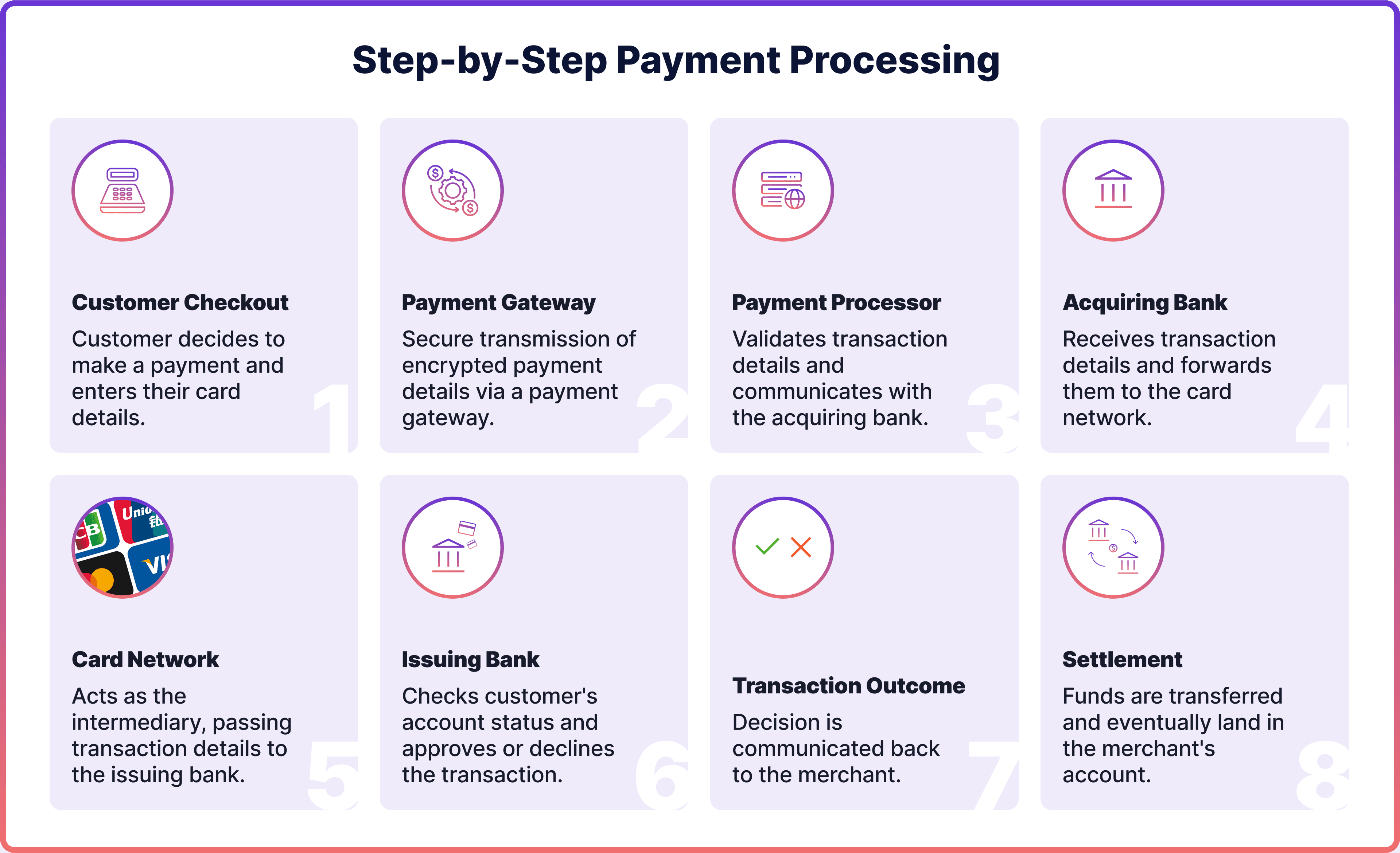
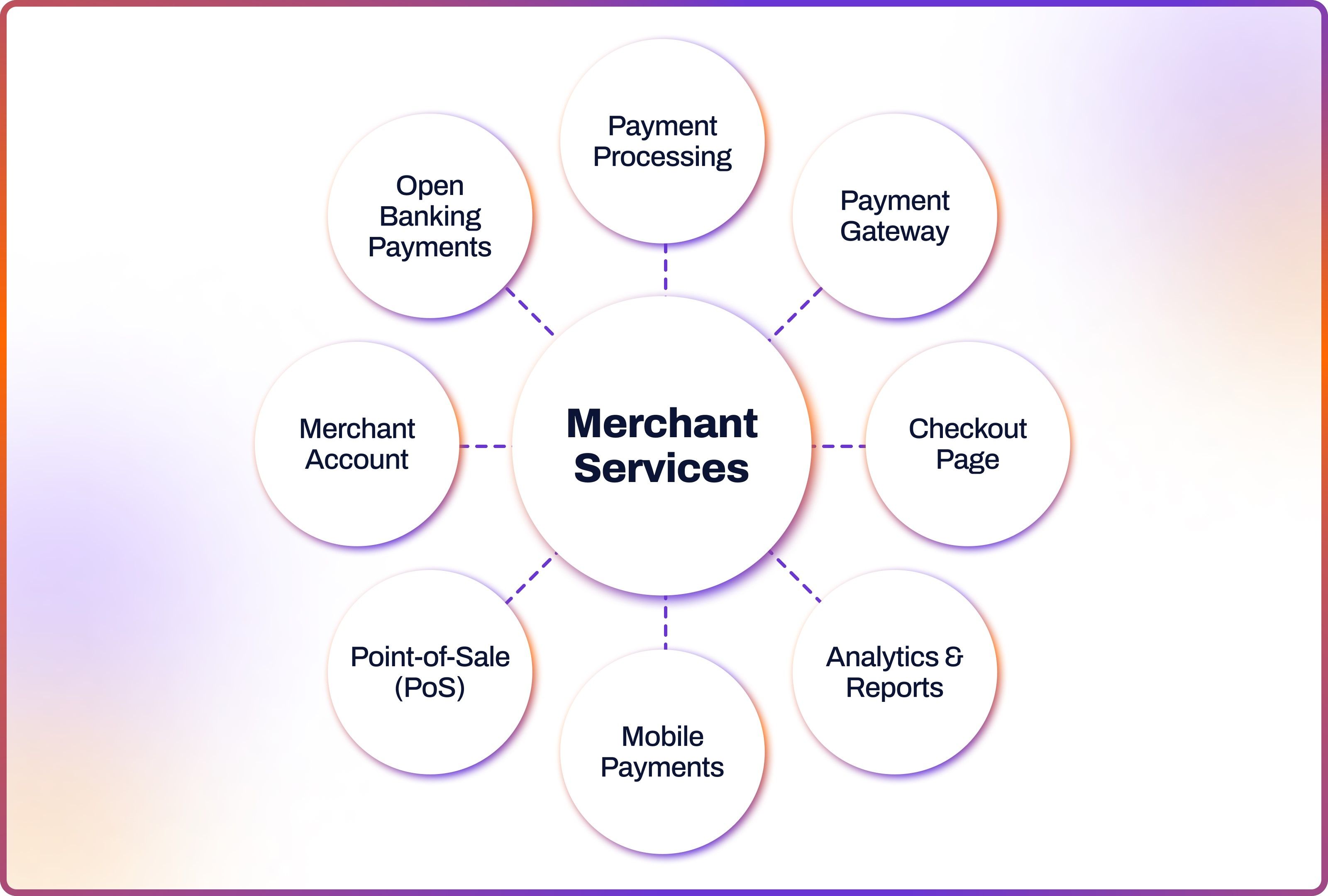
A merchant payment service acts as the financial intermediary that allows a business to accept electronic payments from customers. This ecosystem involves several key players: the customer, the merchant, the payment gateway, the payment processor, and the acquiring bank. When a customer inputs their credit card information or taps a digital wallet, the payment gateway securely captures and transmits this data to the processor. The processor routes the transaction through the card networks (such as Visa, Mastercard, or American Express) to the issuing bank for authorization. Once approved, the funds are settled into the merchant’s business bank account.
Selecting the right service requires a clear understanding of your business model. E-commerce businesses prioritize robust application programming interfaces (APIs) and seamless shopping cart integrations. Brick-and-mortar retailers need reliable point-of-sale (POS) hardware, offline mode capabilities, and fast receipt printing. Omnichannel businesses require an ecosystem that unifies online and offline sales data into a single dashboard.
Furthermore, fee structures vary significantly across providers. Understanding the difference between flat-rate pricing (one fixed percentage plus a flat fee per transaction) and interchange-plus pricing (the actual wholesale cost of the transaction plus a fixed markup) is essential for high-volume sellers looking to minimize overhead costs.
Key Criteria for Comparing Merchant Services
When evaluating merchant payment services, several quantitative and qualitative factors determine which platform best aligns with your operational needs.
- Transaction Fees: The percentage and fixed fee deducted from each sale. Flat-rate pricing offers predictability, while interchange-plus pricing often benefits businesses with higher sales volumes.
- Monthly and Hidden Fees: Charges for gateway usage, PCI compliance non-compliance, early termination, or chargeback handling.
- Hardware and Software Ecosystem: The quality, cost, and versatility of card readers, POS terminals, and software integrations.
- Payout Speed: How quickly funds land in your designated business bank account, ranging from instant payouts (for a fee) to standard two-to-three business day deposits.
- Security and Compliance: Adherence to Payment Card Industry Data Security Standard (PCI-DSS) guidelines, tokenization, and built-in fraud detection tools.
The 5 Best Merchant Payment Services Compared
| Service | Best For | Pricing Structure | Monthly Fee | Payout Speed |
|---|---|---|---|---|
| Stripe | Online businesses & developers | 2.9% + $0.30 (Standard online) | $0 (Custom plans available) | 2 business days (Instant available) |
| Square | In-person & omnichannel retail | 2.6% + $0.10 (In-person), 2.9% + $0.30 (Online) | $0 (Advanced plans from $29+) | Next business day (Instant available) |
| PayPal | Freelancers & small e-commerce | 2.59% + $0.49 (Online standard) | $0 | Instant to PayPal balance, 1 day to bank |
| Shopify Payments | Shopify-hosted e-commerce | 2.4% to 2.9% + $30 (Depends on plan) | $0 (Requires Shopify subscription) | 2 business days |
| Authorize.Net | Established & high-volume e-commerce | Interchange-plus or flat rate options | $25 gateway fee + $25/mo optional | 2-3 business days |
1. Stripe: Best for Online Developers and Scalable E-Commerce
Stripe has established itself as the gold standard for internet businesses, SaaS companies, and developers who require deep customization.
Core Features and Flexibility
Stripe’s greatest strength lies in its developer-friendly APIs, which allow businesses to build completely custom checkout flows. It supports global payment methods, including credit cards, digital wallets like Apple Pay and Google Pay, and localized regional payment schemes. For subscription-based businesses, Stripe Billing provides automated invoicing, trial management, and prorated renewals.
Pricing and Costs
Stripe utilizes a transparent flat-rate pricing model for standard online transactions, charging 2.9% plus $0.30 per successful card charge. While this is straightforward for startups, businesses processing upwards of $100,000 monthly can often negotiate custom interchange-plus pricing directly with Stripe sales representatives. There are no monthly subscription fees for the standard tier.
Limitations
Despite its power, Stripe is primarily built for online transactions. While Stripe Terminal offers hardware for in-person sales, the ecosystem is less cohesive for traditional brick-and-mortar retail compared to dedicated POS providers like Square. Additionally, non-technical users may find the initial setup steeper than plug-and-play competitors.
2. Square: Best for Brick-and-Mortar and Omnichannel Retail
Square revolutionized small business payments by offering accessible mobile card readers that plug directly into smartphones and tablets, evolving into a comprehensive hardware and software ecosystem.
Core Features and Software Integration
Square provides free POS software tailored to specific industries, including Square POS for retail, Square for Restaurants, and Square Appointments for service providers. This allows businesses to manage inventory, employee scheduling, customer loyalty programs, and sales reporting from a single application. Square also offers a free basic online store builder that syncs seamlessly with physical inventory.
Pricing and Costs
Square’s pricing reflects its physical retail focus, charging 2.6% plus $0.10 for tapped, dipped, or swiped in-person transactions. Online transactions are billed at 2.9% plus $0.30. Basic software is free, though advanced industry-specific features require monthly subscriptions ranging from $29 to upwards of $69 per location.
Limitations
Square accounts can occasionally face automated security holds or sudden reserve requirements if transaction patterns shift drastically or if the business operates in a high-risk industry. High-volume merchants may also find flat-rate pricing more expensive than interchange-plus alternatives.
3. PayPal Business: Best for Freelancers and Quick Setup
As one of the most recognized brand names in digital payments, PayPal offers instant consumer trust and an exceptionally frictionless checkout experience.
Core Features and Wallet Recognition
PayPal allows customers to pay using their stored PayPal balances, linked bank accounts, credit cards, or PayPal Credit (buy now, pay later). The inclusion of "Checkout with PayPal" often boosts conversion rates because users do not need to re-enter their shipping and billing information. PayPal Invoicing also makes it simple for freelancers and service providers to send professional bills via email.
Pricing and Costs
Standard online credit card processing through PayPal starts at 2.59% plus $0.49 per transaction. In-person transactions processed via PayPal Zettle hardware incur a slightly lower fee, typically around 2.29% plus $0.09.
Limitations
PayPal's customer service can be difficult to navigate when resolving complex account limitations or chargeback disputes. Furthermore, directing customers away from your site to complete payment via PayPal's gateway can occasionally disrupt the user journey, though newer hosted checkout solutions mitigate this issue.
4. Shopify Payments: Best for Dedicated Shopify Storefronts
Shopify Payments is the native payment gateway integrated directly into the Shopify e-commerce platform, eliminating the need for third-party merchant accounts.
Core Features and Platform Synergy
By using Shopify Payments, merchants avoid the additional third-party transaction fees (ranging from 0.5% to 2.0%) that Shopify levies when using external gateways like Authorize.Net or Stripe. It unifies all financial reporting directly inside the Shopify admin dashboard, displaying payouts, chargebacks, and analytics alongside inventory data. It also supports Shop Pay, which accelerates checkout speeds for returning buyers across the Shopify network.
Pricing and Costs
Transaction rates scale with your Shopify subscription tier. Basic Shopify users pay 2.9% plus $0.30 for online transactions, while higher-tier plans like Advanced Shopify drop rates to as low as 2.4% plus $0.30. In-person retail sales via Shopify POS range from 2.4% to 2.5% with no additional flat fee.
Limitations
The primary limitation is platform lock-in. If you decide to migrate your e-commerce store away from Shopify, you must completely rebuild your payment processing infrastructure. Additionally, Shopify enforces strict prohibited-business policies, and violating them can result in abrupt account termination and frozen funds.
5. Authorize.Net: Best for Established and High-Volume Merchants
Owned by Visa, Authorize.Net is a veteran payment gateway that connects an e-commerce website to a separate merchant bank account, offering ultimate flexibility and robust security features.
Core Features and Advanced Fraud Detection
Authorize.Net stands out for its Advanced Fraud Detection Suite (AFDS), which allows merchants to customize filters for IP addresses, velocity checks, and suspicious shipping addresses. Unlike all-in-one aggregators (like Stripe or Square), Authorize.Net allows businesses to establish dedicated merchant accounts, reducing the likelihood of arbitrary account freezes. It also supports recurring billing and electronic check (eCheck) processing.
Pricing and Costs
Authorize.Net operates on a subscription model. Merchants typically pay a $25 monthly gateway fee, along with a per-transaction fee (around 2.9% plus $0.30 if using their all-in-one plan, or custom interchange-plus rates if connecting an independent merchant account).
Limitations
The setup process is significantly more complex than modern aggregators, requiring both a payment gateway account and a merchant bank account. The user interface also feels dated compared to the sleek, modern dashboards of Stripe or Square.
Frequently Asked Questions
What is the difference between a payment gateway and a payment processor?
A payment gateway is the software front-end that securely captures and transmits customer payment data from your website or card reader to the processor. The payment processor is the financial institution or backend network that actually handles the movement of funds between the customer's issuing bank and your merchant bank account. All-in-one services like Stripe and Square combine both functions into a single platform.
Are there hidden fees associated with merchant payment services?
Yes, some providers charge hidden or incidental fees that are not immediately obvious in their advertising. These can include monthly gateway fees, PCI compliance non-compliance fees, chargeback fees (typically $15 to $25 per dispute), early termination fees for long-term contracts, and international card processing surcharges. Always read the terms of service carefully before signing up.
What is interchange-plus pricing, and is it better than flat-rate?
Interchange-plus pricing passes the actual wholesale interchange fee charged by card networks (Visa, Mastercard) directly to you, plus a fixed markup from your processor (e.g., interchange + 0.25% + $0.10). Flat-rate pricing charges the exact same percentage regardless of the card type. Interchange-plus is almost always cheaper for businesses processing over $10,000 to $20,000 per month, while flat-rate is simpler and better for low-volume startups.
How long do merchant service payouts take?
Standard payouts take between two to three business days to transfer from your merchant account to your business bank account. Many modern providers, such as Square and Stripe, offer instant payouts for an additional fee (usually around 1% to 1.5% of the transfer amount), allowing businesses to access funds within minutes, even on weekends and holidays.
Can my merchant account be frozen or terminated?
Yes. Payment processors maintain strict compliance and risk management guidelines to prevent fraud and money laundering. If your business experiences a sudden spike in chargebacks, sells restricted or high-risk goods without prior approval, or processes an unusual volume of transactions, the provider may temporarily freeze your funds or terminate your account to protect themselves from financial liability.
Conclusion and Next Action
Selecting the optimal merchant payment service depends entirely on your operational environment and sales volume. If you run a developer-centric SaaS platform or custom web app, Stripe offers unmatched flexibility. For physical retail shops and food service businesses, Square provides an intuitive all-in-one POS ecosystem. E-commerce merchants operating exclusively on Shopify should utilize Shopify Payments to avoid extra penalty fees, while high-volume established businesses will benefit from the dedicated merchant account setup provided by Authorize.Net. Review your projected monthly volume, hardware requirements, and integration needs to select the provider that protects your margins and streamlines your checkout flow.