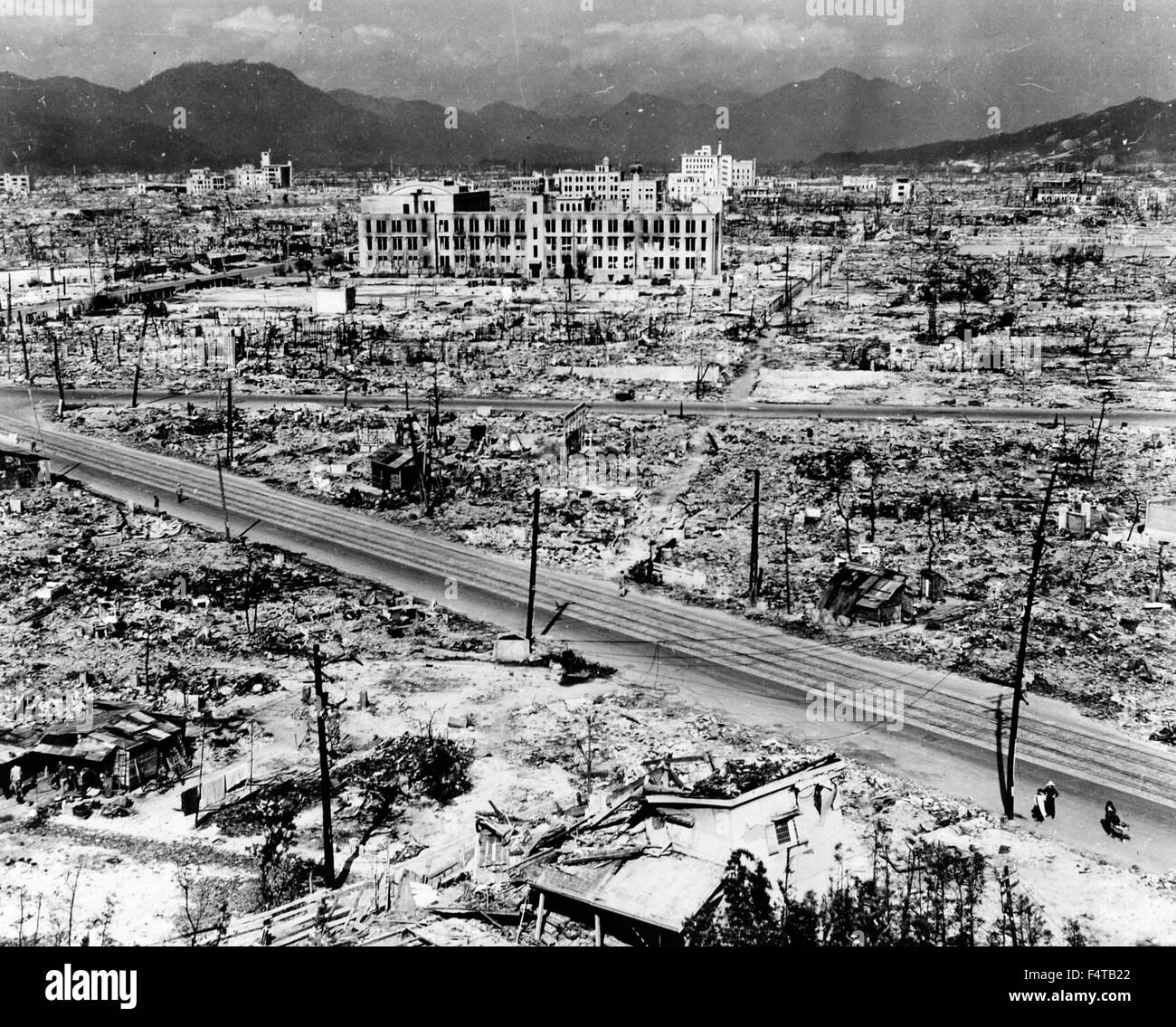
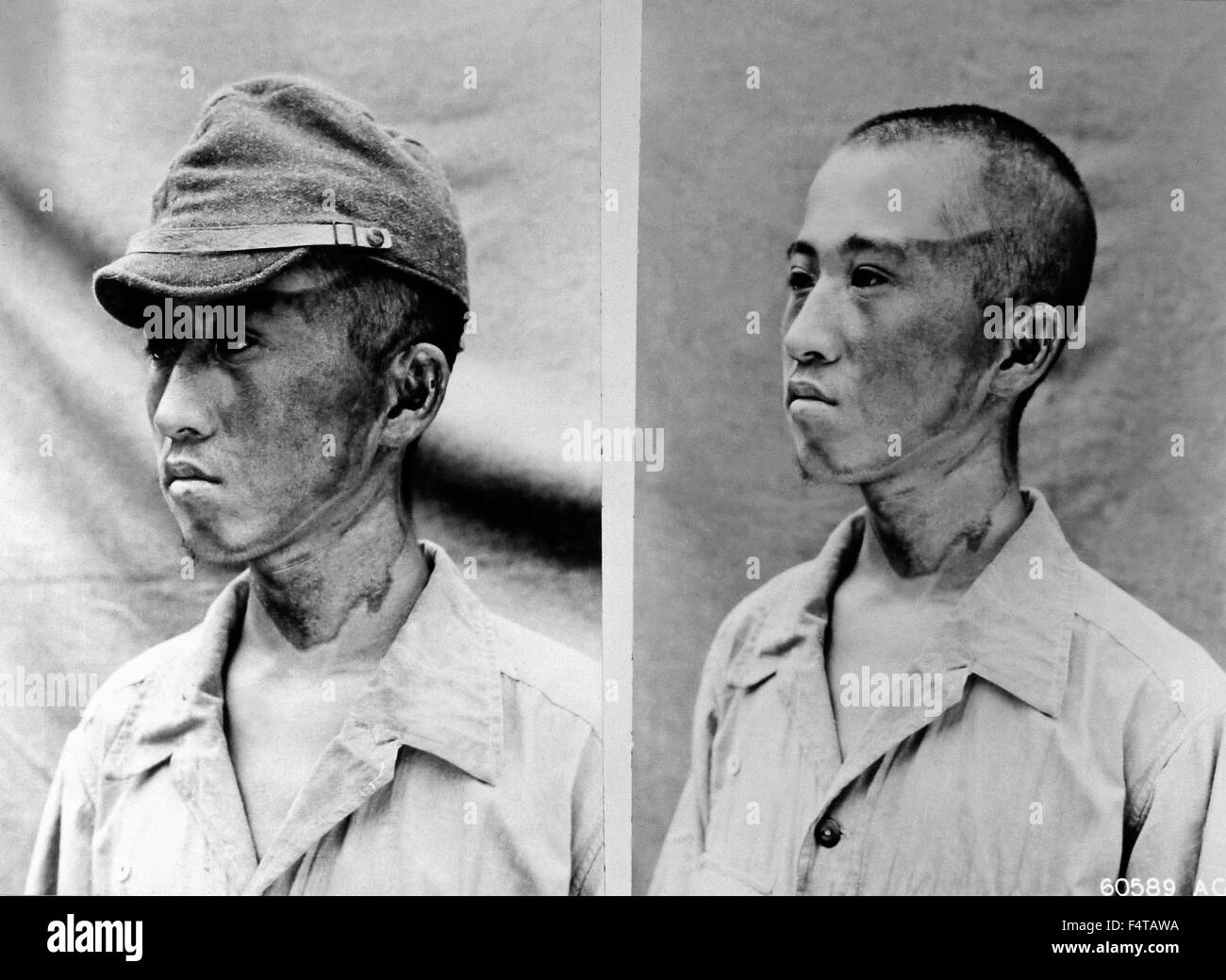
On the morning of August 6, 1945, the estimated population of Hiroshima was approximately 350,000. This figure encompasses a diverse demographic of Japanese civilians, military personnel stationed at the regional headquarters, mobilized student laborers, and thousands of forced laborers from Korea and China, all concentrated within the city's urban limits.
The Demographic Landscape of Hiroshima Pre-August 1945
To understand the 350,000 figure, one must examine the city’s trajectory leading up to the final year of World War II. Throughout the early 20th century, Hiroshima had evolved from a castle town into a significant commercial and military hub. By the late 1930s, it served as a primary port for the Imperial Japanese Army (IJA), particularly through the Ujina Port, which was the main embarkation point for troops heading to the Asian mainland.
In 1940, the national census recorded Hiroshima's population at roughly 343,000. However, the dynamics of total war shifted these numbers significantly between 1941 and 1945. While many men were conscripted and sent overseas, the city’s industrial base expanded to support the war effort. Factories belonging to Mitsubishi Heavy Industries and other major conglomerates drew in workers from surrounding rural prefectures. Consequently, even as some residents left, others arrived to fill the labor void.
By early 1945, the population was in a state of flux. The Japanese government had initiated evacuation programs (sokai) for school-aged children and the elderly to protect them from anticipated conventional firebombing, which had already devastated Tokyo and Osaka. Despite these evacuations, the influx of military personnel and specialized laborers kept the total number of people within the city high. The 350,000 estimate is the most widely accepted figure by historians and the Hiroshima Peace Memorial Museum for the day the "Little Boy" atomic bomb was dropped.
The Composition of the 350,000 Residents
The 350,000 individuals present in Hiroshima on August 6 were not a homogenous group. Understanding the specific subgroups is essential for calculating the subsequent casualty rates and the long-term impact on the survivors, known as Hibakusha.
Civilian Residents and Families
The largest segment of the population consisted of regular civilian residents. These were the families, shopkeepers, and local government officials who maintained the city's infrastructure. While many children had been evacuated to the countryside, thousands of women and older men remained to work in neighborhoods and community associations (tonarigumi).
Military Personnel: The Second General Army
Hiroshima was a "military city." It housed the headquarters of the Second General Army, which was responsible for the defense of southern Japan against the anticipated Allied invasion (Operation Downfall). The military presence accounted for approximately 40,000 to 43,000 individuals. These troops were primarily stationed at the Hiroshima Castle grounds and various barracks scattered throughout the city center. The high concentration of military personnel within the city limits was one of the primary reasons Hiroshima was selected as a target by the U.S. Target Committee.
Mobilized Students (Gakuto Dounin)
One of the most tragic aspects of the 350,000 population figure is the inclusion of "mobilized students." Under the National Mobilization Law, students from middle schools and high schools were required to assist in the war effort. On the morning of August 6, thousands of these students were outdoors in the city center, working on firebreaks—demolishing wooden buildings to create gaps that would prevent fire from spreading during an air raid. Because they were in the open and near the hypocenter, this group suffered nearly 100% mortality.
Forced Laborers and Foreign Nationals
Historical records indicate that the 350,000 total included a significant number of non-Japanese residents. This included roughly several thousand Korean and Chinese laborers, many of whom were brought to Japan against their will to work in munitions factories. Additionally, a small number of American Prisoners of War (POWs) and foreign students from Southeast Asia were present in the city at the time of the blast.
The Impact of the Atomic Bombing on the Population
The detonation of the atomic bomb at 8:15 AM caused immediate and catastrophic changes to the city's census. The "350,000" serves as the denominator for one of the most scrutinized casualty counts in human history.
Immediate Casualties and the Thermal Pulse
Within seconds of the detonation, the intense thermal radiation (heat) and the massive pressure wave (blast) killed an estimated 70,000 to 80,000 people instantly. Those within a 1.2-kilometer radius of the hypocenter faced almost certain death. The blast demolished over 90% of the city’s buildings, trapping thousands under debris who were then consumed by the resulting firestorm.
Short-term Mortality and Acute Radiation Syndrome
By the end of 1945, the death toll from the original 350,000 population rose to approximately 140,000. These additional deaths were primarily caused by:
- Severe Burns: Those who survived the initial blast but suffered third-degree burns often died in the following weeks due to infection and dehydration.
- Acute Radiation Syndrome (ARS): Many who appeared physically uninjured on August 6 began to exhibit symptoms such as hair loss, internal bleeding, and a drop in white blood cell counts. This was the first time in history that a large population was exposed to intense ionizing radiation.
- Lack of Medical Infrastructure: Because 90% of the city’s doctors and nurses were killed or injured, and almost all hospitals were destroyed, the surviving population had no access to basic medical care.
Data Challenges: Why the 350,000 Figure is an Estimate
Determining the exact number of people in a city during a total war is notoriously difficult. Several factors contribute to the uncertainty of the 350,000 figure, requiring historians to rely on a combination of census data, ration records, and post-war surveys.
Destruction of Records
The administrative heart of Hiroshima was located near the hypocenter. City hall, police stations, and neighborhood association offices were obliterated, taking their paper records with them. Post-war researchers had to reconstruct the population using family testimonies and the few records that survived in the suburbs.
The Problem of "Shadow" Populations
The 350,000 figure often struggles to account for the "floating" or "shadow" population. This includes:
- Commuters: People from the outskirts who entered the city for work that morning.
- Soldiers in Transit: Because Hiroshima was a transport hub, there were always troops moving through the port who might not have been registered in local military tallies.
- Unregistered Laborers: Many forced laborers were kept in makeshift camps and were not accurately reflected in official municipal counts.
Post-War Reconstructions
The first comprehensive attempt to quantify the population was conducted by the Radiation Effects Research Foundation (RERF), a joint US-Japan organization. By surveying survivors and cross-referencing military records, they established the baseline that is used today for epidemiological studies.
Comparative Population Statistics (1944–1946)
The following table illustrates the dramatic shift in Hiroshima’s population as a result of the war and the atomic bombing.
| Period | Estimated Total Population | Key Demographic Drivers |
|---|---|---|
| February 1944 | 343,000 | Official census; height of industrial mobilization. |
| Early 1945 | 380,000 - 400,000 | Influx of military for "Ketsu-Go" (defense of the mainland). |
| August 1, 1945 | 350,000 | Reduction due to the "sokai" (student and elderly evacuations). |
| August 6, 1945 | 350,000 | The population at the moment of the atomic detonation. |
| November 1945 | 137,000 | Post-bombing survey; includes returning evacuees and survivors. |
| 1946 Census | 169,000 | Slow return of residents and military demobilization. |
The Legacy of the 350,000: The Hibakusha
Those among the 350,000 who survived the blast became known as Hibakusha (A-bomb exposed people). Their lives were permanently altered, not just by physical injuries but by long-term health risks and social stigmatization.
The Japanese government eventually established the Atomic Bomb Survivors Relief Law, which provides medical care for those who were within the city limits at the time. To qualify, individuals had to prove they were part of that 1945 population. This led to decades of legal and historical research to verify exactly who was where on that morning. As of 2026, the number of living Hibakusha continues to decline, making the documentation of the original 350,000 population even more critical for historical preservation.
Common Misconceptions Regarding the Population Figure
- "The city was purely a military target." While the 40,000+ soldiers made it a military target, over 85% of the 350,000 population were civilians or non-combatants.
- "Everyone died instantly." Only about 20-25% of the population died instantly. The remaining deaths occurred over months and years due to complications from injuries and radiation.
- "The population was much smaller due to evacuations." While evacuations did occur, the influx of military personnel and workers largely offset the number of people who left, keeping the "active" population around the 350,000 mark.
FAQs
How many soldiers were in Hiroshima in 1945?
Approximately 40,000 to 43,000 military personnel were in Hiroshima on August 6, 1945. They were largely part of the Second General Army. Their presence was a major factor in the U.S. decision to target the city, as it was a headquarters for the defense of southern Japan.
Did the 350,000 figure include Americans?
Yes, it included a small number of American Prisoners of War. Historical research has confirmed that at least 12 U.S. airmen were held at the Chugoku Military Police Headquarters near the hypocenter. Most perished in the blast or shortly thereafter.
Why is there a range in the death toll (140,000 vs. 70,000)?
The 70,000 figure represents immediate deaths from the blast and heat. The 140,000 figure represents the total number of deaths from the original 350,000 population by the end of December 1945. The discrepancy accounts for those who died of radiation sickness, burns, and other injuries in the months following the attack.
Were there any foreign workers in the 350,000 population?
Yes, there were thousands of Korean and Chinese individuals in Hiroshima. Many were conscripted laborers working in heavy industry. Estimates suggest that tens of thousands of Koreans were affected by the bombing, with a significant portion of them being killed instantly.
How did researchers arrive at the 350,000 number after the records were destroyed?
Researchers used a method of "triangulation." They combined the 1944 census data, military records from the Ministry of Defense, ration card distributions from the weeks prior, and post-war interviews with survivors and neighborhood association leaders to build a credible estimate of the population present that morning.
Practical Recommendation for Further Research
For those seeking to verify specific names or neighborhood demographics from the 1945 population, the most authoritative resource is the Hiroshima National Peace Memorial Hall for the Atomic Bomb Victims. They maintain a database of names and photographs of those who perished, which serves as the most accurate modern accounting of the individuals who made up the 350,000 population. Additionally, the Radiation Effects Research Foundation (RERF) provides technical data on the long-term health outcomes of this specific cohort.