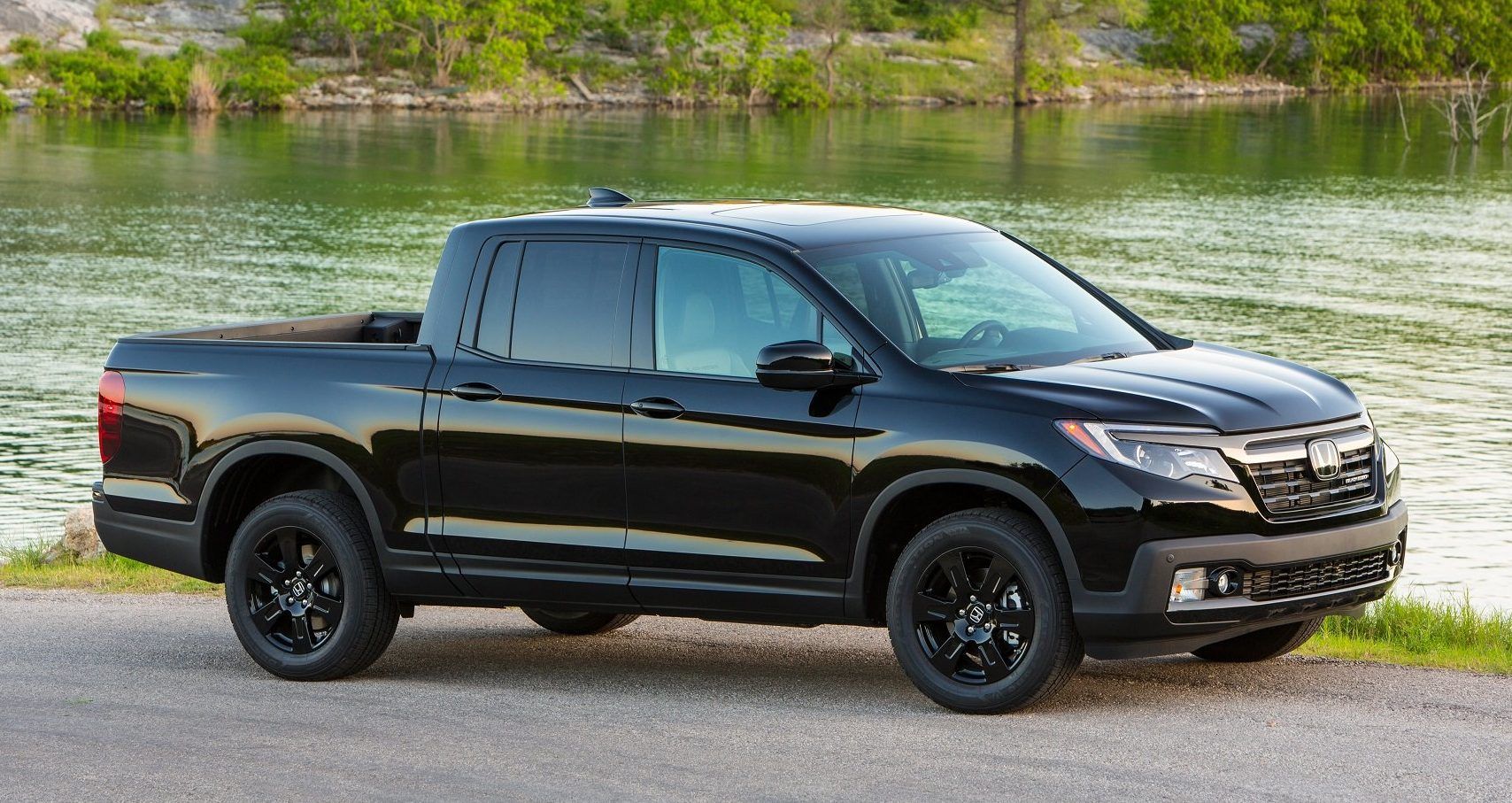
The 2018 Honda Ridgeline earned a J.D. Power predicted reliability score of 81 out of 100, which is officially categorized as "Great" and sits well above the industry average for midsize pickup trucks. For prospective buyers evaluating a used truck, this score translates to above-average dependability, lower-than-average mechanical complications, and robust long-term durability when properly maintained.
Evaluating a pre-owned midsize truck requires looking beyond raw spec sheets and marketing claims. Real-world durability, owner satisfaction, and independent agency metrics offer the clearest picture of what a vehicle will cost to own over time. Among these metrics, automotive research firm J.D. Power holds significant weight for used car buyers.
Understanding how the 2018 Honda Ridgeline performed in J.D. Power evaluations helps demystify what those scores actually mean for daily driving, maintenance budgets, and long-term vehicle ownership.
Understanding J.D. Power Reliability Metrics
J.D. Power evaluates automotive reliability primarily through its U.S. Vehicle Dependability Study (VDS) and Initial Quality Study (IQS). For a used vehicle like the 2018 Honda Ridgeline, the long-term dependability metrics are the most relevant. These scores are derived from verified owner surveys conducted after three years of vehicle ownership, capturing real-world problems experienced across powertrain, electronics, interior features, and body construction.
The scoring system operates on a 100-point scale:
- 91–100: Best-In-Class
- 81–90: Great
- 70–80: Average
- Under 70: Below Average
With an 81 out of 100 score, the 2018 Honda Ridgeline sits comfortably in the "Great" tier. This indicates that owners reported fewer mechanical defects, design flaws, and performance complaints than the segment average.
2018 Honda Ridgeline Background and Core Architecture
The second-generation Honda Ridgeline, introduced for the 2017 model year and carrying through 2018, took a radically different engineering approach compared to traditional body-on-frame midsize trucks like the Toyota Tacoma, Chevrolet Colorado, or Nissan Frontier.
Unibody Construction and Powertrain
The Ridgeline utilizes a unibody platform shared with the Honda Pilot SUV and Honda Odyssey minivan. This structural design provides car-like handling, a smoother ride quality, and enhanced cabin isolation, while trading away heavy-duty rock-crawling capabilities.
Under the hood sits a naturally aspirated 3.5-liter V6 engine (J35Y6) producing 280 horsepower and 262 lb-ft of torque. This engine is paired with a 6-speed automatic transmission in most 2018 trims, delivering power either to the front wheels or Honda's sophisticated Intelligent Variable Torque Management (i-VTM4) all-wheel-drive system.
Mechanical Simplicity vs. Traditional Trucks
From a reliability standpoint, the absence of a heavy-duty transfer case, solid rear axle, and complex turbocharging systems found in some modern competitors reduces potential failure points. The naturally aspirated V6 design is a mature powerplant within Honda’s lineup, benefiting from years of refinement before its implementation in the 2018 Ridgeline.
Breaking Down J.D. Power Scores for the 2018 Ridgeline
To fully grasp what the overall score of 81 means, it is helpful to look at how J.D. Power sub-categories distribute user experiences across different vehicle systems.
| Evaluation Category | Performance & Observations | Impact on Used Buyers |
|---|---|---|
| Overall Score | 81 / 100 ("Great") | Indicates significantly lower trouble rates than typical midsize trucks. |
| Quality & Reliability | Above Average | Measures overall design and component failure rates after multi-year use. |
| Driving Experience | High | Evaluates engine performance, transmission smoothness, steering, and ride comfort. |
| Resale Value | Strong | Driven by high consumer demand and durable mechanical reputation. |
Powertrain Reliability
The V6 engine and 6-speed automatic transmission are high points for reliability. Unlike early iterations of the 9-speed automatic transmission used in upper trim levels of later model years, the 6-speed unit featured in the 2018 model-year lineup boasts a solid track record for mechanical longevity, provided routine fluid changes are performed.
Electronics and Cabin Tech
Infotainment systems in vehicles from the mid-2010s often draw criticism in J.D. Power surveys. The 2018 Ridgeline features an 8-inch display audio touchscreen system on higher trims. While functional, older Honda infotainment software can occasionally feel sluggish or prone to minor Bluetooth connectivity glitches. These are typically software annoyances rather than mechanical failures, but they do factor into overall owner satisfaction scores.
Common Issues and Maintenance Realities
No vehicle is completely immune to wear and tear. While the 2018 Honda Ridgeline scores well on paper, used vehicle buyers should be aware of specific mechanical characteristics and known maintenance items documented by owners and mechanics.
Timing Belt Service Interval
Unlike vehicles utilizing a timing chain, the Ridgeline’s 3.5L V6 engine utilizes a rubber timing belt. Honda recommends replacing this belt—along with the water pump and tensioner—every 105,000 miles or 7 years. For a 2018 model being evaluated around 2026, many units may be approaching or crossing this maintenance milestone. Verifying whether this service has been completed is critical before purchasing.
All-Wheel Drive (i-VTM4) Fluid Maintenance
The i-VTM4 system delivers impressive traction in snow and rain, but it requires strict adherence to fluid change intervals (typically every 15,000 to 30,000 miles under heavy use). Neglecting rear differential fluid changes can lead to differential whine or clutch pack shudder.
Suspension and Steering Components
Because the Ridgeline shares its underpinnings with the Honda Pilot, suspension components like lower control arm bushings, struts, and stabilizer bar links experience normal wear over time. These items are straightforward for any mechanic to inspect and replace during routine pre-purchase inspections.
Comparing the Ridgeline to Competitors
When shopping in the used midsize truck market, reliability scores help differentiate options with drastically different engineering philosophies.
| Truck Model (2018) | J.D. Power Reliability Tone | Core Engineering Style |
|---|---|---|
| Honda Ridgeline | Great (81/100) | Unibody, independent rear suspension, transverse V6. |
| Toyota Tacoma | Great (82/100) | Body-on-frame, solid rear axle, traditional truck design. |
| Chevrolet Colorado | Average (75–78/100) | Body-on-frame, available diesel and gas powertrains. |
| Nissan Frontier | Average (74–76/100) | Body-on-frame, older mechanical architecture. |
While the Toyota Tacoma often edges slightly higher in absolute resale and rugged off-road durability rankings, the Ridgeline consistently matches or exceeds body-on-frame competitors in daily comfort, cabin space efficiency, and overall trouble-free ownership for light-duty truck users.
Practical Checklist for Buying a Used 2018 Honda Ridgeline
If you are considering purchasing a 2018 Honda Ridgeline based on its favorable J.D. Power score, use this step-by-step verification process to ensure the specific vehicle meets expectations:
- Review Service Records: Check CARFAX or AutoCheck history reports to confirm regular oil changes and differential fluid services.
- Inspect for Water Leaks: Check the truck bed trunk (In-Bed Trunk) and rear cabin footwells for any signs of water intrusion or seal degradation.
- Test the Transmission: Ensure smooth shifting through all gears during a cold start and highway test drive, paying attention to any hesitation or slip.
- Verify Timing Belt Status: If the vehicle has accumulated over 100,000 miles, confirm whether the timing belt service has been performed or budget for the immediate expense.
- Check Electrical Accessories: Test the infotainment screen, backup camera, power sliding rear window, and heated seats to ensure all convenience features operate correctly.
Frequently Asked Questions
Is a J.D. Power score of 81 considered good for a used truck?
Yes. An 81 out of 100 places the vehicle in the "Great" category, meaning it experiences fewer reported mechanical and operational defects than the average vehicle in its segment after years of ownership.
Does the unibody frame of the 2018 Honda Ridgeline reduce its reliability?
No. While unibody trucks cannot handle heavy off-road rock crawling or massive commercial towing loads like body-on-frame trucks, the unibody structure itself is structurally robust and eliminates many frame-rust vulnerabilities associated with traditional truck designs.
What are the most common mechanical problems with the 2018 Honda Ridgeline?
The 2018 Ridgeline does not suffer from widespread catastrophic engine or transmission failures. Most reported owner complaints center around minor infotainment software freezes, paint chipping susceptibility, and the need for regular maintenance like differential fluid changes.
How does the 2018 Ridgeline handle towing and hauling dependability?
With a maximum towing capacity of 5,000 pounds and a payload capacity of around 1,580 pounds, the Ridgeline is engineered for light-to-moderate utility. Operating within these specified limits places minimal strain on the powertrain, supporting long-term mechanical reliability.
Final Recommendation
The 2018 Honda Ridgeline's J.D. Power reliability score of 81 out of 100 is a reliable indicator of its strong engineering foundation and owner satisfaction. For drivers who prioritize a smooth ride, innovative cargo solutions like the dual-action tailgate and in-bed trunk, and dependable daily transportation over heavy-duty towing, a well-maintained 2018 Ridgeline represents a sound, durable investment in the pre-owned truck market. Always couple numerical scores with an independent mechanic's pre-purchase inspection and a verified service history.