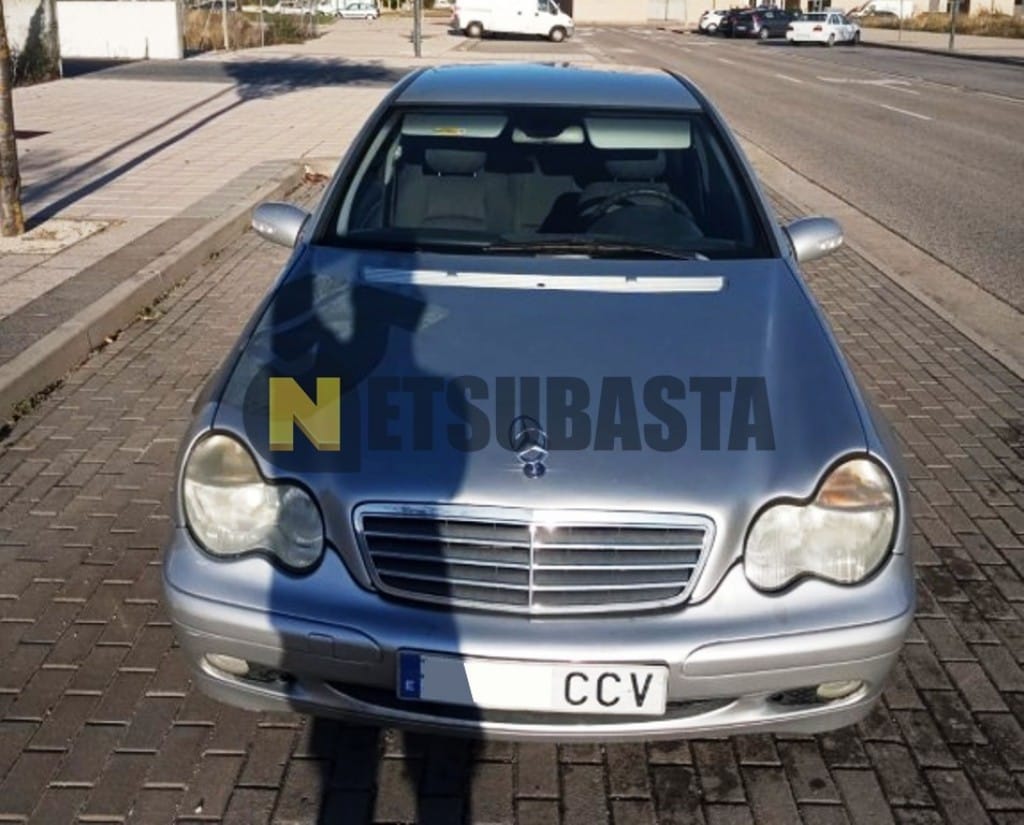
The 2002 Mercedes-Benz Kompressor lineup features supercharged inline-four and V6 engines—notably found in the C 230, SLK 230, and CLK 230 models—offering a blend of classic German build quality, mechanical supercharger performance, and late-model W203 or R170 chassis engineering that requires proactive maintenance to ensure long-term reliability.
Introduction to the 2002 Mercedes-Benz Kompressor Era
The year 2002 marked a fascinating period of transition for DaimlerChrysler and the Mercedes-Benz brand. During this era, the designation "Kompressor" stamped onto a trunk lid was a badge of distinction, signaling that the vehicle relied on a Roots-type mechanical supercharger to boost volumetric efficiency, horsepower, and low-end torque. For the 2002 model year, European markets enjoyed a wide variety of Kompressor offerings, while North American buyers primarily experienced forced induction through the C 230 Sport Coupe (W203 generation) and the SLK 230 Kompressor roadster (R170 generation).
Understanding a 2002 Mercedes Kompressor today requires looking past its luxurious three-pointed star badge and examining the mechanical reality of owning a vehicle that is well over two decades old. Whether you are looking to purchase a vintage daily driver, restore an R170 roadster, or maintain a W203 chassis commuter, navigating this era of automotive history demands an appreciation for early-2000s electronics, supercharger maintenance, and preventative upkeep. This comprehensive guide details everything prospective buyers and current owners need to know about performance specifications, common mechanical issues, maintenance protocols, and long-term ownership realities.
Understanding the Kompressor Technology
The term "Kompressor" is simply the German word for compressor or supercharger. Unlike turbocharged engines that utilize exhaust gases to spin a turbine, Mercedes-Benz Kompressor engines use a mechanically driven supercharger—specifically an Eaton-licensed Roots-type positive displacement supercharger paired with an electromagnetic clutch.
How the Eaton Supercharger Operates
In the standard 2.3-liter inline-four engine (M111 EVO) found in many 2002 models, the supercharger is belt-driven directly from the crankshaft. An electronically controlled magnetic clutch engages the supercharger whenever the engine management system demands additional boost. This design eliminates the traditional turbo lag associated with exhaust-driven turbines, providing immediate throttle response and a flat torque curve across the rev range.
The system relies on an intercooler (charge air cooler) in many configurations to reduce the temperature of the compressed air before it enters the combustion chambers, thereby increasing air density and power output. While durable, this mechanical complexity introduces specific wear points that differentiate Kompressor models from their naturally aspirated counterparts.
Key 2002 Mercedes Kompressor Models
The 2002 lineup spanned multiple vehicle classes, each serving a distinct market segment. Recognizing the differences between these models is essential for buyers and enthusiasts.
| Model Designation | Body Style | Engine Type | Output (HP / Torque) | Notable Characteristics |
|---|---|---|---|---|
| C 230 Kompressor Sport Coupe | 3-Door Hatchback | 2.3L Supercharged Inline-4 (M111) | 192 hp / 206 lb-ft | Distinctive Kammback design, panoramic roof option, agile handling. |
| SLK 230 Kompressor | 2-Door Roadster | 2.3L Supercharged Inline-4 (M111) | 193 hp / 207 lb-ft | Vario roof retractable hardtop, sporty rear-wheel-drive dynamics. |
| CLK 230 Kompressor | 2-Door Coupe / Cabriolet | 2.3L Supercharged Inline-4 (M111) | 193 hp / 207 lb-ft | Elegant pillarless hardtop styling, based on the W202/W208 architecture. |
| C 200 Kompressor (Euro Market) | Sedan / Wagon | 2.0L / 1.8L Supercharged Inline-4 | 163 hp / 170 lb-ft | High-efficiency fleet and commuter vehicle, rarely seen in North America. |
Detailed Technical Specifications and Performance
At the heart of the most popular 2002 Kompressor models is the M111 engine family—specifically the M111.981 evolution engine. This powerplant is widely regarded by independent Mercedes-Benz technicians as one of the more robust engines built during the transition into computerized engine management.
Engine Architecture
- Displacement: 2,295 cc (2.3 liters)
- Configuration: Inline-4, cast-iron block with an aluminum cylinder head
- Valvetrain: Dual Overhead Camshafts (DOHC), 4 valves per cylinder
- Fuel System: Sequential electronic fuel injection
Performance figures for the North American C 230 Sport Coupe and SLK 230 put 0–60 mph acceleration in the high-6 to low-7-second range, depending on transmission type. Buyers could choose between a sporty 6-speed manual transmission or a 5-speed TouchShift automatic transmission. While the manual transmission offers a more engaging driving experience, the 5-speed automatic (722.6 transmission) is exceptionally durable if maintained properly, capable of handling high mileage with basic fluid services.
Common Mechanical Issues and Failure Points
Even though the 2002 Mercedes-Benz Kompressor models are structurally sound and built with heavy-gauge steel, age and mileage have brought specific recurring problems to light. Knowing these issues in advance can save owners thousands of dollars in diagnostic and repair costs.
1. Oil Seepage into the Engine Wiring Harness
One of the most infamous issues on the M111 engine involves the electromagnetic camshaft adjuster (magnet). Over time, internal seals degrade, allowing engine oil to wick past the electrical connector. Capillary action can draw engine oil all the way through the wiring loom into the engine control unit (ECU), causing erratic shifting, misfires, and sensor failure.
- Prevention: Inspect the front of the cylinder head regularly. Installing a cheap "jumper" or sacrificial wire harness extension prevents oil from reaching the main harness.
2. Supercharger Oil Degradation
The Eaton supercharger contains a small internal reservoir of gear oil that lubricates its needle bearings and gears. Mercedes-Benz originally marketed these units as "lifetime-fill," but decades of heat cycles cause this fluid to break down, leading to whining noises, bearing failure, and ultimate supercharger seizure.
- Prevention: Drain and refill the supercharger oil every 60,000 to 80,000 miles using specialized synthetic oil (such as GM or Ford supercharger oil).
3. Timing Chain and Guide Wear
While the M111 uses a heavy-duty timing chain rather than a fragile belt, the plastic timing chain guides and tensioner wear out over time. If neglected, a worn guide can snap, leading to catastrophic valve-to-piston contact.
- Prevention: Listen for startup rattle. Replace the timing chain, tensioner, and guides proactively if mileage exceeds 150,000 miles.
4. Crankshaft Pulley (Harmonic Balancer) Delamination
Early-2000s Mercedes engines utilize a harmonic balancer pulley bonded with a rubber elastomer ring. Over time, the rubber degrades, causing the outer ring to wobble, slip, or separate entirely, throwing accessory belts and disabling power steering and charging systems.
- Prevention: Check for a recall history regarding the harmonic balancer pulley or inspect the front pulley for wobbling while the engine runs.
Electronics, Interior, and Body Concerns
Beyond the drivetrain, 2002 Kompressor models reflect early automotive computing technology. While simpler than modern vehicles, they possess distinct quirks.
- MAF (Mass Air Flow) Sensor Failures: A failing MAF sensor causes rough idling, hesitation under acceleration, and "Check Engine" lights. Cleaning or replacing the sensor with an Original Equipment Manufacturer (OEM) Bosch unit resolves this.
- Vario Roof Hydraulics (SLK Models): The complex hydraulic roof mechanism on the SLK 230 relies on multiple actuators and fluid pressure. Leaking roof cylinders can stain the headliner or cause the roof cycle to freeze mid-operation. Rebuilding these cylinders is a common DIY or specialty service.
- Pixel Loss in Instrument Clusters: The LCD screens on the instrument cluster frequently suffer from fading pixels, making the outside temperature or odometer difficult to read. Specialized repair services can solder ribbon cables to restore full display function.
Maintenance Checklist for Peak Reliability
Owning a vintage supercharged Mercedes-Benz requires adherence to a structured preventative maintenance schedule. Neglecting minor fluids or minor warning lights often cascades into expensive repairs.
- Engine Oil and Filter Changes: Use only Mercedes-Benz approved synthetic oils (meeting sheet 229.3 or 229.5) every 5,000 to 7,500 miles.
- Spark Plug Replacement: The M111 uses a twin-spark system (two spark plugs per cylinder). Replacing all eight plugs using OEM Bosch or-equivalent units is mandatory during tune-ups.
- Cooling System Overhaul: Plastic radiator end tanks and coolant expansion tanks become brittle with age. Replace coolant hoses, the thermostat, and the water pump proactively every 100,000 miles to prevent overheating.
- Transmission Service: The 722.6 automatic transmission requires fluid and filter changes every 60,000 miles, despite factory claims of lifetime fill. Always check the transmission fluid level using a specialized dipstick tool.
Buying a Used 2002 Mercedes Kompressor Today
Purchasing a 2002 Mercedes Kompressor can represent exceptional value for enthusiasts seeking rear-wheel-drive dynamics and supercharged performance on a modest budget. However, market values vary wildly based on condition, maintenance history, and specific model configuration.
What to Look For When Inspecting a Car
- Comprehensive Service Records: A documented binder of independent Mercedes shop receipts or dealership visits is worth significantly more than low mileage with missing history.
- Rust Inspection: While W203 and R170 models featured better corrosion protection than older 1990s models, check the rear wheel arches, lower door edges, and front subframe mounts for rust—especially in northern salt-belt regions.
- Diagnostic Scan: Always connect an OBD2 scanner capable of reading Mercedes-specific chassis codes to check for hidden pending faults, erased history codes, or sluggish O2 sensors.
Frequently Asked Questions
What fuel octane is required for a 2002 Mercedes Kompressor?
These high-compression, supercharged engines require premium unleaded gasoline with an octane rating of 91 AKI (Anti-Knock Index) or higher. Using lower octane fuel triggers knock sensors to retard ignition timing, resulting in reduced fuel economy and noticeable power loss.
Are 2002 Mercedes Kompressor engines reliable?
Yes, the M111 supercharged inline-four engine is widely considered one of the most mechanically durable engines produced by Mercedes-Benz in the modern era. While peripheral components like sensors, gaskets, and supercharger bearings require routine maintenance, the core mechanical block and rotating assembly easily surpass 200,000 miles with proper care.
How much horsepower does a 2002 C 230 Kompressor produce?
The North American specification 2002 C 230 Kompressor Sport Coupe produces 192 horsepower and 206 lb-ft of torque from its 2.3-liter supercharged four-cylinder engine. European variants may vary slightly based on specific engine tuning revisions.
Can the supercharger pulley be modified for more boost?
Yes, aftermarket tuning companies offer smaller supercharger pulleys (often called "reduction pulleys") that spin the supercharger faster to increase boost pressure. However, this modification requires an upgraded intercooler, colder spark plugs, and a custom ECU remap to prevent engine damage from detonation and lean air-fuel mixtures.
What is the difference between a Kompressor and a naturally aspirated Mercedes?
The primary difference is the inclusion of a mechanical supercharger. Kompressor models deliver significantly more low-end torque and immediate throttle response compared to standard naturally aspirated engines of the same displacement, enhancing acceleration without requiring high engine revs.
Conclusion and Final Recommendation
The 2002 Mercedes-Benz Kompressor lineup offers an enticing entry point into classic German motoring, combining distinctive styling, engaging supercharged performance, and robust mechanical engineering. While these vehicles demand attentive preventative maintenance and a tolerance for sorting out aging electronics, their core mechanical durability remains exceptional. Prospective buyers should prioritize clean-title examples with comprehensive service documentation over low price tags. By addressing common wear items proactively—such as camshaft magnet seals and supercharger fluid—owners can enjoy a rewarding, reliable, and engaging driving experience that punches well above its modest market valuation.