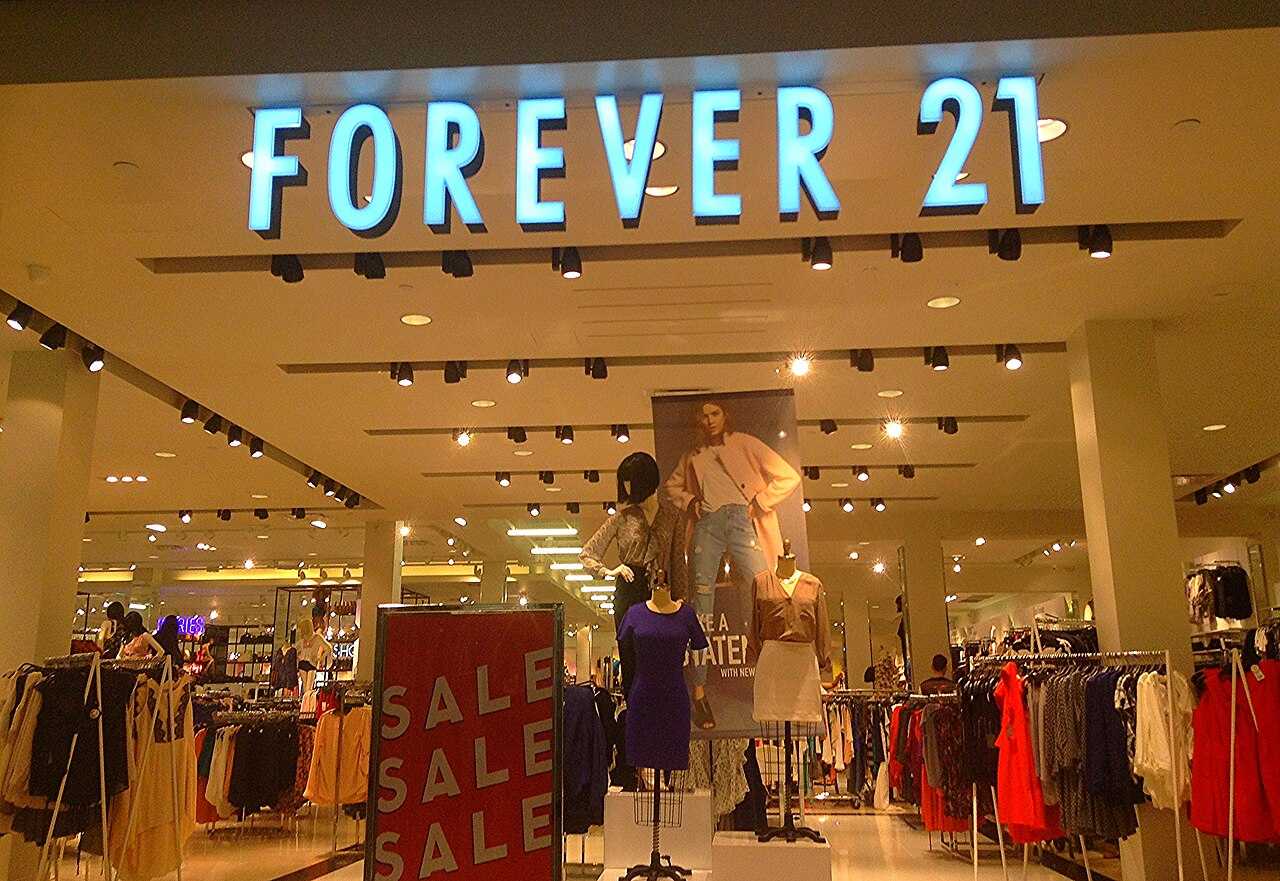
In September 2019, Forever 21 filed for Chapter 11 bankruptcy protection, citing a total debt load and liabilities estimated at approximately $1.58 billion. The filing was the result of aggressive global overexpansion, high-cost leasing agreements for massive retail footprints, and a significant lag in digital transformation compared to agile e-commerce competitors.
The collapse of Forever 21 serves as a landmark case study in the retail industry. It illustrates the dangers of over-leveraging a brand during a period of shifting consumer behavior. While the company eventually emerged from bankruptcy under new ownership, the $1.58 billion debt figure represents the peak of its financial distress and the catalyst for a total operational overhaul.
The Financial Breakdown of the $1.58 Billion Debt
The figure of $1.58 billion reflects the complexity of a global retail empire that grew too fast to sustain its own weight. When Forever 21 filed its petition in the U.S. Bankruptcy Court for the District of Delaware, its liabilities were a mix of secured debt, unsecured trade debt, and massive future lease obligations.
At the time of the filing, the company owed hundreds of millions of dollars to various vendors and suppliers. However, the most crushing weight came from its real estate portfolio. Unlike many of its competitors who were downsizing to smaller, more efficient storefronts, Forever 21 had spent the preceding decade leasing massive, multi-story "flagship" locations in premium malls. These leases often came with high fixed costs that the company could not cover as foot traffic declined.
Furthermore, the company had secured a $275 million debtor-in-possession (DIP) financing facility from JPMorgan Chase and $75 million in new capital from TPG Sixth Street Partners. This financing was intended to keep the lights on during the restructuring process, but it also underscored the severity of the liquidity crisis. The $1.58 billion was not just a number on a balance sheet; it represented a systemic failure to align revenue with the costs of maintaining more than 800 stores globally.
The Path to Insolvency: Aggressive Expansion and Large Footprints
Forever 21’s downfall was rooted in its greatest previous success: its physical presence. Between 2005 and 2015, the company expanded at a breakneck pace. Founders Do Won and Jin Sook Chang believed that massive stores—some exceeding 100,000 square feet—would serve as "one-stop shops" for entire families.
This strategy led to several critical errors:
- High Rental Overhead: By taking over former department store spaces (like those vacated by Mervyn’s or Sears), Forever 21 became responsible for astronomical monthly rents. When mall traffic began to dwindle in favor of online shopping, these locations became liabilities rather than assets.
- Global Missteps: The company expanded into dozens of international markets simultaneously, including the UK, Germany, and China. However, they struggled to adapt their merchandise to local tastes and failed to account for different regulatory and logistical environments.
- Inventory Bloat: Large stores require massive amounts of inventory to look "full." This led to a cycle of over-ordering merchandise, which then had to be heavily discounted to clear space for new trends, eroding profit margins.
By the time 2019 arrived, the company was hemorrhaging cash. The debt wasn't just a result of loans; it was the cost of staying in rooms that the brand could no longer afford to occupy.
The Impact of the "Retail Apocalypse" on Fast Fashion
The term "Retail Apocalypse" was frequently used to describe the wave of store closures and bankruptcies that hit the U.S. retail sector in the late 2010s. For Forever 21, this was not just a trend but a direct existential threat.
The E-commerce Gap
While competitors like ASOS, Zara, and later Shein were investing heavily in digital infrastructure and data-driven supply chains, Forever 21 remained focused on the physical mall experience. In 2019, Forever 21’s e-commerce sales accounted for a significantly smaller portion of its total revenue compared to its peers. The lack of a robust digital "omnichannel" strategy meant that when consumers moved to their phones to shop, Forever 21 was left holding expensive physical keys to empty hallways.
Changing Consumer Demographics
The rise of Gen Z as a dominant consumer force also played a role. Younger shoppers began to prioritize sustainability and ethical manufacturing over the "disposable fashion" model that Forever 21 pioneered. While the company’s price points remained attractive, the brand lost its "cool factor" to more transparent or niche online brands. The $1.58 billion debt became insurmountable because the core customer base was no longer loyal enough to support the massive volume of sales required to service that debt.
The Chapter 11 Filing and Legal Strategy
Filing for Chapter 11 bankruptcy allowed Forever 21 to continue operating while it negotiated with creditors and landlords. This is a common strategy for retailers looking to shed "dead weight" without liquidating the entire company.
The legal strategy focused on three main pillars:
- Store Closures: The company immediately announced plans to close up to 350 stores worldwide, including most of its locations in Asia and Europe.
- Lease Renegotiation: The bankruptcy filing gave Forever 21 leverage to exit expensive leases or negotiate lower rents with mall owners who were desperate to keep their anchor tenants.
- Asset Sale: Ultimately, the goal was to find a buyer who could provide the capital necessary to pay off senior creditors and stabilize operations.
According to reporting from Reuters, the filing was a "necessary and decisive step" to secure the brand's future. By using the court-supervised process, the company could cut its debt obligations and exit unprofitable markets that were draining its cash reserves.
Stakeholder Impacts: Creditors, Landlords, and Employees
The ripples of the $1.58 billion debt were felt across the entire retail ecosystem. The largest creditors were often the mall owners themselves. Simon Property Group and Brookfield Property Partners were among the company’s biggest landlords. If Forever 21 had liquidated completely, it would have left massive vacancies in hundreds of malls across America, potentially triggering "co-tenancy" clauses that would allow other retailers to lower their own rents or leave.
This dynamic created a unique situation: the landlords became the rescuers. To prevent a catastrophic vacancy rate, Simon and Brookfield eventually joined forces to buy the brand.
Employees were also heavily impacted. At the time of filing, Forever 21 employed approximately 32,800 people (6,400 full-time and 26,400 part-time). The bankruptcy resulted in thousands of job losses as stores closed their doors, highlighting the human cost of corporate over-leverage.
The Restructuring and Sale to Authentic Brands Group
In early 2020, Forever 21 reached a deal to sell its assets for $81 million—a fraction of its former multi-billion-dollar valuation. The buyer was a consortium consisting of:
- Authentic Brands Group (ABG): A brand management company known for revitalizing struggling labels.
- Simon Property Group: One of the largest mall operators in the U.S.
- Brookfield Property Partners: Another major real estate investment trust.
This acquisition transformed Forever 21’s business model. Instead of being a family-owned retailer that owned and operated its own stores, it became a brand managed by ABG and operated by SPARC Group (a joint venture between ABG and Simon). This shift allowed the brand to focus on marketing and design while leaving the logistical and real estate complexities to experts in those fields.
| Metric | Pre-2019 Bankruptcy Status | Post-Restructuring (2026 Perspective) |
|---|---|---|
| Ownership | Private (Chang Family) | Consortium (ABG, Simon, Brookfield) |
| Total Debt | ~$1.58 Billion | Significantly Reduced/Restructured |
| Primary Sales Channel | Physical Malls (Large Format) | Omnichannel (Digital-first & Smaller Stores) |
| Global Presence | 800+ Stores (Aggressive) | Curated (Focused on High-Performing Hubs) |
| Operational Model | Vertically Integrated | Brand Licensing & Joint Venture (SPARC) |
Forever 21’s Positioning in 2026: A Post-Bankruptcy Analysis
As we look at Forever 21 in 2026, the brand is vastly different from the entity that collapsed under $1.58 billion in debt. The "New Forever 21" has largely abandoned the 100,000-square-foot mega-store model. Instead, it has focused on digital partnerships, such as its collaboration with Shein, which was initiated to leverage the latter's massive online reach and agile supply chain.
The brand has also pivoted toward more targeted marketing, utilizing social media influencers and "drop" culture to regain relevance with Gen Z and Gen Alpha. By offloading the massive debt and the crushing weight of its previous real estate obligations, the company has regained the liquidity needed to experiment with new retail technologies and more sustainable production methods.
However, the 2019 bankruptcy remains a cautionary tale for the industry. It proved that even a "fast fashion" giant is not immune to the laws of financial gravity. High growth fueled by debt, without a corresponding investment in digital infrastructure, is a recipe for insolvency in the modern era.
Frequently Asked Questions
What exactly forced Forever 21 into bankruptcy?
The primary driver was a liquidity crisis caused by $1.58 billion in liabilities. This debt was largely the result of high rental costs for massive storefronts and the costs associated with an unsuccessful international expansion. When mall traffic declined and e-commerce became the preferred shopping method, the company could no longer generate enough revenue to cover its fixed costs.
Did Forever 21 close all of its stores?
No. While the company closed hundreds of underperforming locations globally—specifically in Europe and Asia—it maintained a significant presence in the United States. Under its new ownership (ABG and Simon Property Group), the store footprint was optimized to focus on high-traffic, profitable locations.
How much did Forever 21 sell for after filing for bankruptcy?
In February 2020, Forever 21 was sold for approximately $81 million. The buyers were a consortium made up of Authentic Brands Group, Simon Property Group, and Brookfield Property Partners. This price was a stark contrast to the billions in revenue the company generated at its peak.
Who owns Forever 21 in 2026?
As of 2026, Forever 21 is owned by a consortium that includes Authentic Brands Group (ABG) and Simon Property Group. It is operated under the SPARC Group umbrella. In recent years, the company has also entered into strategic partnerships and cross-ownership agreements with other retail giants like Shein to bolster its digital presence.
Can a company recover from $1.58 billion in debt?
Yes, but usually not in its original form. Through Chapter 11 bankruptcy, Forever 21 was able to "discharge" or restructure its debts. This process typically involves creditors receiving only a portion of what they are owed, while the company’s assets are sold to a new entity that starts with a cleaner balance sheet.
Practical Recommendation for Retail Observers
For those analyzing the retail sector or managing business debt, the Forever 21 case highlights the importance of scalability over size. In 2026, the most successful retailers are those that maintain "lean" physical footprints and prioritize digital agility.
If you are a business owner or investor, monitor the Lease-to-Revenue ratio closely. Forever 21’s failure to adjust its physical costs to its digital reality was its fatal flaw. Diversifying sales channels and maintaining a manageable debt-to-equity ratio are the best defenses against the volatility of the fashion industry.