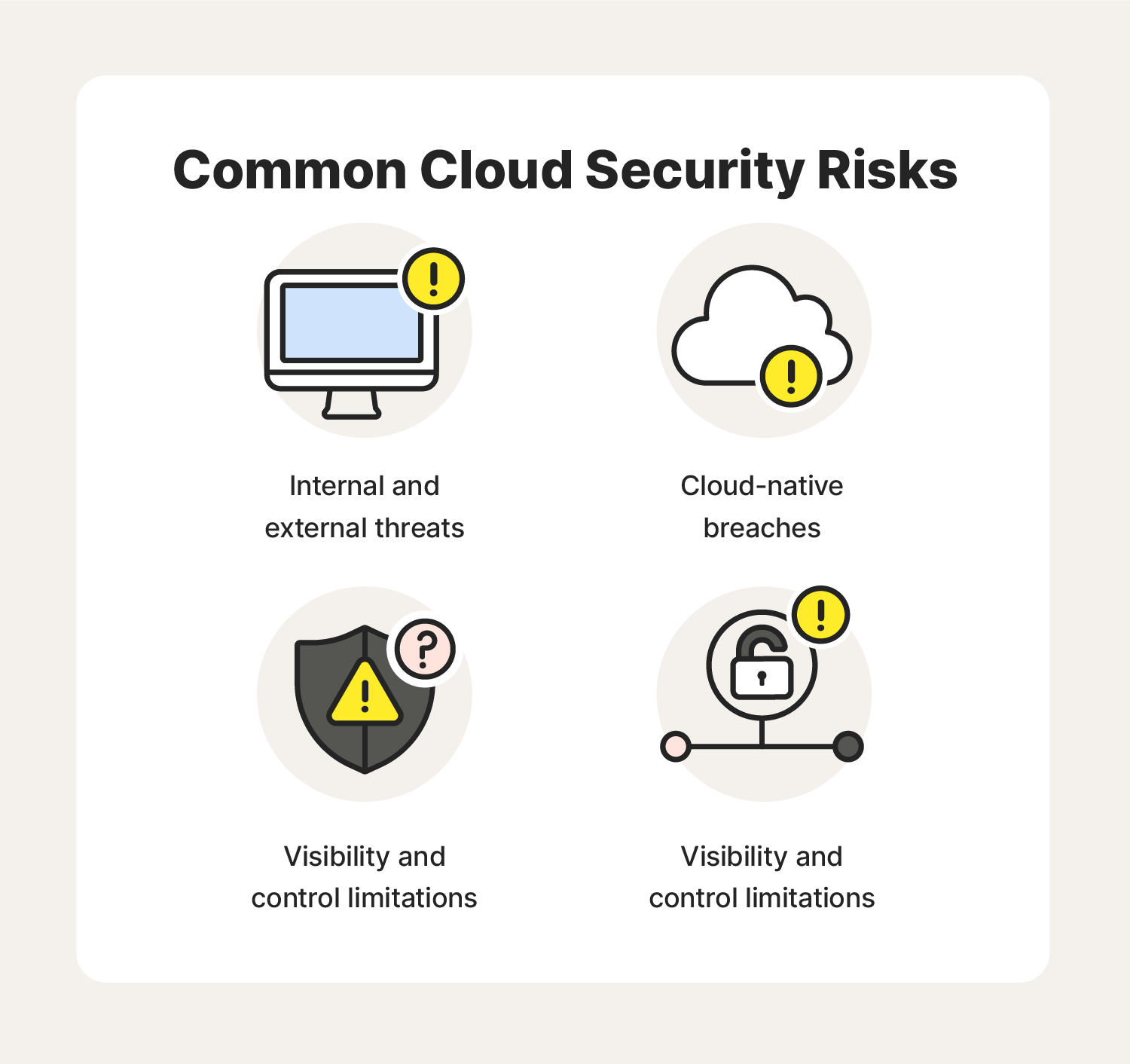
In the 2020s, database and cloud security transitioned from perimeter-focused defenses to a Zero Trust, data-centric model. As of 2026, the focus integrates AI-driven threat intelligence, confidential computing, and automated compliance to counter sophisticated ransomware and supply chain attacks, ensuring data integrity across hybrid and multi-cloud environments.
The Paradigm Shift: From Perimeters to Zero Trust
The start of the decade marked a fundamental change in how organizations perceive the "security boundary." Between 2020 and 2022, the rapid acceleration of remote work and cloud migration rendered the traditional network perimeter—the "castle and moat" strategy—obsolete. Organizations realized that once an attacker breached the external wall, they often had unfettered lateral access to sensitive databases.
This realization led to the widespread adoption of the Zero Trust Architecture (ZTA). Based on the principle of "never trust, always verify," Zero Trust requires rigorous identity verification for every person and device attempting to access resources on a private network, regardless of whether they are sitting inside or outside the network perimeter. In 2026, this is no longer a theoretical framework but a standard operational requirement.
Modern Zero Trust implementations rely heavily on Identity and Access Management (IAM). Identity has become the new perimeter. By using phishing-resistant Multi-Factor Authentication (MFA) and micro-segmentation, companies can isolate database workloads, ensuring that a breach in a web server does not lead to a full database compromise. The NIST Special Publication 800-207 remains the definitive guideline for these deployments, providing the architectural foundation used by federal agencies and private enterprises alike.
Cloud-Native Security Architectures: CNAPP and Beyond
As cloud environments grew more complex through 2024 and 2025, the industry moved away from fragmented security tools. Earlier in the decade, security teams struggled to manage separate solutions for Cloud Security Posture Management (CSPM), Cloud Workload Protection Platforms (CWPP), and Cloud Infrastructure Entitlement Management (CIEM). This fragmentation led to "alert fatigue" and dangerous gaps in visibility.
The solution emerged in the form of Cloud-Native Application Protection Platforms (CNAPP). A CNAPP integrates these disparate functions into a single UI, providing a holistic view of the security lifecycle from development to production. In 2026, CNAPPs are essential for managing the security of containers and Kubernetes clusters.
The Rise of Shift-Left Security
A critical component of cloud security in this decade is the "shift-left" movement. This approach integrates security checks early in the software development life cycle (SDLC). By scanning Infrastructure as Code (IaC) templates and container images for vulnerabilities before they are deployed, organizations prevent misconfigurations—the leading cause of cloud data breaches. The Cloud Security Alliance (CSA) has documented that over 80% of cloud security incidents stem from customer misconfigurations rather than provider failures.
Database Security: Protecting the "Crown Jewels"
While cloud infrastructure provides the container, the database remains the ultimate target for attackers. The decade has seen a shift from generic infrastructure security to data-centric security. This approach assumes the network will be breached and focuses on making the data itself useless to an unauthorized party.
Confidential Computing and Encryption in Use
Historically, data was protected "at rest" (on the disk) and "in transit" (moving across the network). However, data was often vulnerable "in use" while being processed in memory. The mid-2020s saw the mainstreaming of Confidential Computing. Utilizing Trusted Execution Environments (TEEs) or "enclaves," databases can now process encrypted data without ever exposing the plaintext to the underlying operating system or cloud provider. This is particularly vital for highly regulated sectors like healthcare and finance.
The Challenge of Vector Databases
With the explosion of Generative AI in 2023 and 2024, a new entity entered the security landscape: the Vector Database. These databases store data as high-dimensional embeddings to power Large Language Models (LLMs). Securing these databases presents unique challenges, as traditional SQL injection protections do not apply. Instead, security teams must focus on "prompt injection" prevention and ensuring that the training data stored in these vectors does not inadvertently leak sensitive corporate information.
The Impact of Artificial Intelligence on Cybersecurity
By 2026, AI has become a double-edged sword. On one hand, attackers use AI to generate highly convincing phishing emails, automate the discovery of zero-day vulnerabilities, and create polymorphic malware that changes its signature to evade detection.
On the other hand, AI-driven defense has become the primary tool for managing the scale of modern data.
- Automated Threat Detection: AI models analyze trillions of log events in real-time to identify patterns indicative of an ongoing attack, such as unusual data egress patterns from a cloud database.
- Predictive Analytics: Modern security systems can predict potential attack paths by analyzing the current configuration and historical incident data.
- Self-Healing Infrastructure: In 2026, some advanced cloud environments can automatically "quarantine" a suspicious database instance or revoke a compromised IAM token without human intervention, drastically reducing the Mean Time to Respond (MTTR).
Global Regulatory Landscape and Data Sovereignty
The legislative environment has evolved significantly between 2020 and 2026. Following the precedent set by the GDPR, many nations have implemented strict data sovereignty laws. The Digital Operational Resilience Act (DORA) in the EU and updated CISA guidelines in the United States have forced organizations to be more transparent about their cloud dependencies.
Data sovereignty—the requirement that data be stored and processed within a specific geographic border—has led to the rise of "Sovereign Clouds." Organizations now often choose cloud providers based not just on features, but on their ability to guarantee that data remains within a legal jurisdiction. This adds a layer of complexity to database security, as administrators must ensure that cross-region replication does not violate local statutes.
Comparative Security Frameworks
The following table compares the security standards common at the beginning of the decade with the evolved standards of 2026.
| Feature | Legacy Standards (Pre-2020) | Modern Standards (2026) |
|---|---|---|
| Trust Model | Implicit trust within the internal network. | Zero Trust: Verify every request, every time. |
| Data Encryption | Standard AES at rest; TLS in transit. | Confidential Computing: Encryption in-use/memory. |
| Monitoring | Periodic log reviews and manual audits. | AI-driven, real-time observability and response. |
| Identity | Static passwords and SMS-based MFA. | Phishing-resistant FIDO2 and Biometric MFA. |
| Compliance | Annual point-in-time assessments. | Continuous, automated compliance monitoring. |
| Cloud Strategy | Multi-tool (CSPM, CWPP separate). | Consolidated CNAPP for full-stack visibility. |
Practical Steps for Implementation in 2026
For organizations looking to solidify their security posture, the following steps are recommended:
- Inventory and Classify Data: You cannot protect what you do not know you have. Use automated discovery tools to find "shadow" databases—unauthorized cloud instances created by developers outside of IT oversight.
- Enforce Least Privilege: Implement Just-In-Time (JIT) access. Instead of having standing administrative privileges, users should be granted the minimum access necessary for the minimum amount of time.
- Standardize on CNAPP: Reduce complexity by migrating to a consolidated cloud security platform. This improves the correlation of threats across different layers of the stack.
- Prepare for Post-Quantum Cryptography (PQC): While large-scale quantum computers are not yet a daily threat, the data being encrypted today might be decrypted in the future. Begin transitioning to PQC-ready algorithms as recommended by NIST.
- Audit the Supply Chain: Security is only as strong as its weakest link. Regularly audit the security practices of third-party SaaS providers and open-source database libraries using Software Bill of Materials (SBOM) tools.
Frequently Asked Questions
What is the biggest threat to cloud databases in 2026?
Misconfigurations remain the most common threat, but AI-powered automated ransomware has become the most dangerous. These attacks can encrypt cloud-native databases in minutes, often targeting backup systems simultaneously to prevent recovery. Proper configuration and immutable backups are the primary defenses.
How has the role of the Database Administrator (DBA) changed?
The DBA role has merged significantly with security and DevOps functions. In 2026, a DBA must be proficient in cloud-native tools, IAM policy writing, and automated patching. They are no longer just "keepers of the data" but "architects of secure data delivery."
Is on-premises database security better than cloud security?
Not necessarily. While on-premises offers more physical control, cloud providers invest billions in security infrastructure that most individual companies cannot match. In 2026, the security of a database depends more on the implementation of Zero Trust and encryption than on where the hardware is physically located.
What is "Confidential Computing" and why is it important now?
Confidential Computing protects data while it is being processed in memory. It is crucial now because it allows organizations to move highly sensitive workloads (like medical records or proprietary AI models) to the public cloud without the cloud provider ever having access to the plaintext data.
How do modern compliance standards like NIS2 or DORA affect cloud security?
These standards shift the focus from "checking boxes" to "operational resilience." They require organizations to prove they can withstand, respond to, and recover from cyber incidents. This has led to an increase in mandatory security automation and more frequent stress-testing of cloud environments.
Are traditional SQL databases more secure than NoSQL?
Neither is inherently more secure. SQL databases are more prone to injection attacks if not handled correctly, while NoSQL databases often suffered from weak default security settings earlier in the decade. Today, the security of either depends on the implementation of modern authentication, encryption, and fine-grained access controls.
Moving Forward: The Path to Resilient Data
As we look toward the remainder of the decade, the integration of security directly into the data layer is the only viable path forward. The complexity of modern hybrid environments means that manual security management is no longer possible. Organizations must embrace automation and AI as core components of their defense strategy.
The next action for any security leader should be a comprehensive "Zero Trust Maturity Assessment." Evaluate your current identity controls, the visibility of your cloud workloads, and the encryption status of your data in use. By shifting from a reactive to a proactive, automated posture, you can ensure that your database and cloud assets remain resilient against the evolving threats of the late 2020s.